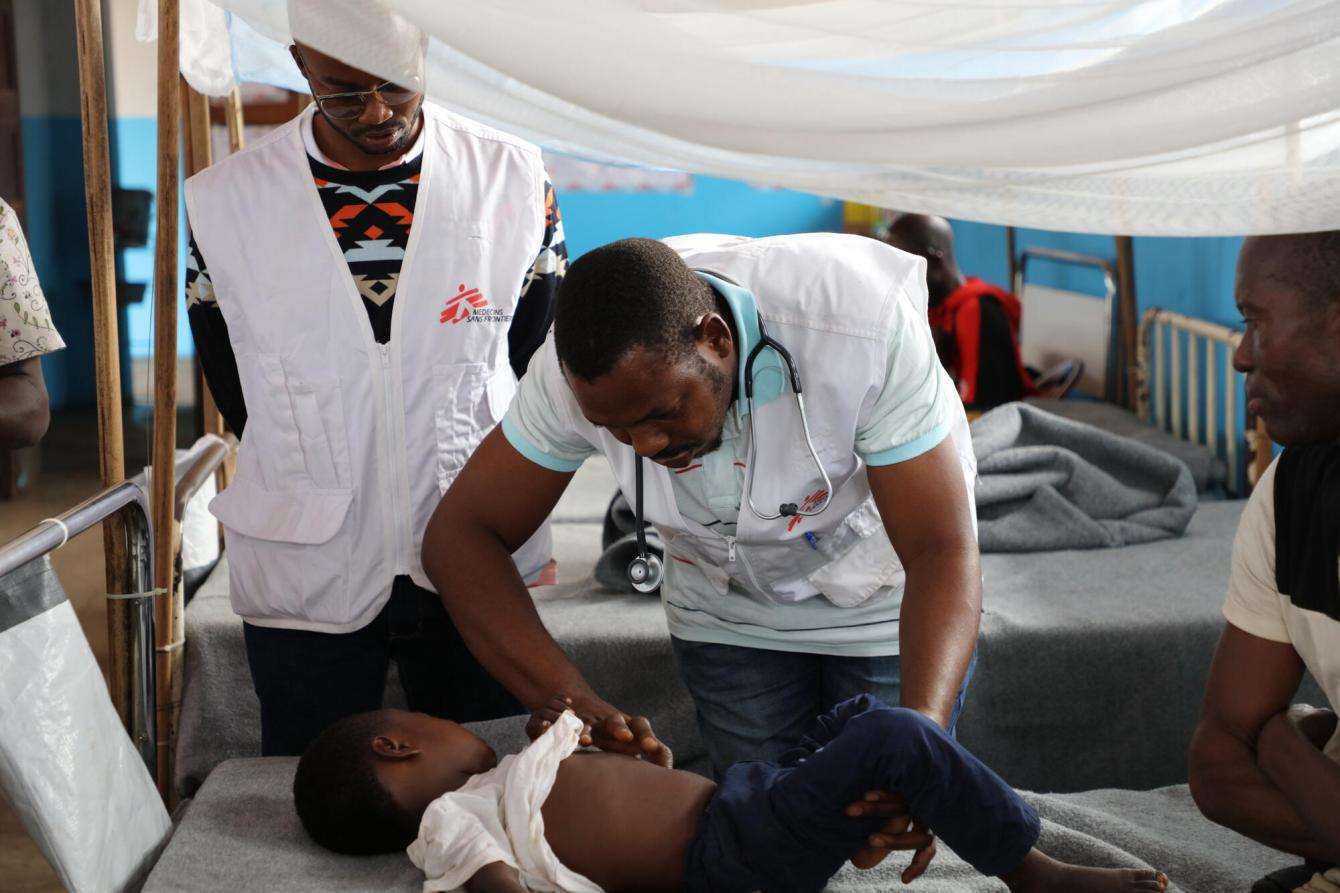

An outbreak of potentially deadly typhoid fever in Popokabaka, within the Kwango province of Democratic Republic of Congo (DRC), has finally been brought under control with the help of an emergency team from Doctors Without Borders/Médecins Sans Frontières (MSF). Jean-Marc Mavunda, the team's medical manager, looks back on the past two months.
Nestled in the hills at the confluence of three rivers, the health zone of Popokabaka, nearly 250 miles southeast of Kinshasa, has been the center of a multi-month typhoid outbreak.
"Our team was called to respond in Popokabaka after the authorities confirmed the epidemic," says Jean-Marc Mavunda, medical manager of MSF’s emergency team. "But all indications were that the disease had already been present for several months and had already claimed many lives."
Typhoid is usually spread either by ingesting water or food contaminated with human feces and secretions, as well as through hand-to-hand contact. The main symptoms of typhoid are a prolonged fever, a headache, and digestive problems including stomach pains, vomiting, and diarrhea.
Once diagnosed, typhoid is treatable in just a few days with antibiotics. But diagnosing it can be difficult, particularly in local health centers, because its symptoms are very similar to other diseases, and because laboratory analysis is needed. When treatment is delayed, typhoid can lead to serious complications and sometimes death.
"How do you expect us to avoid the disease?"
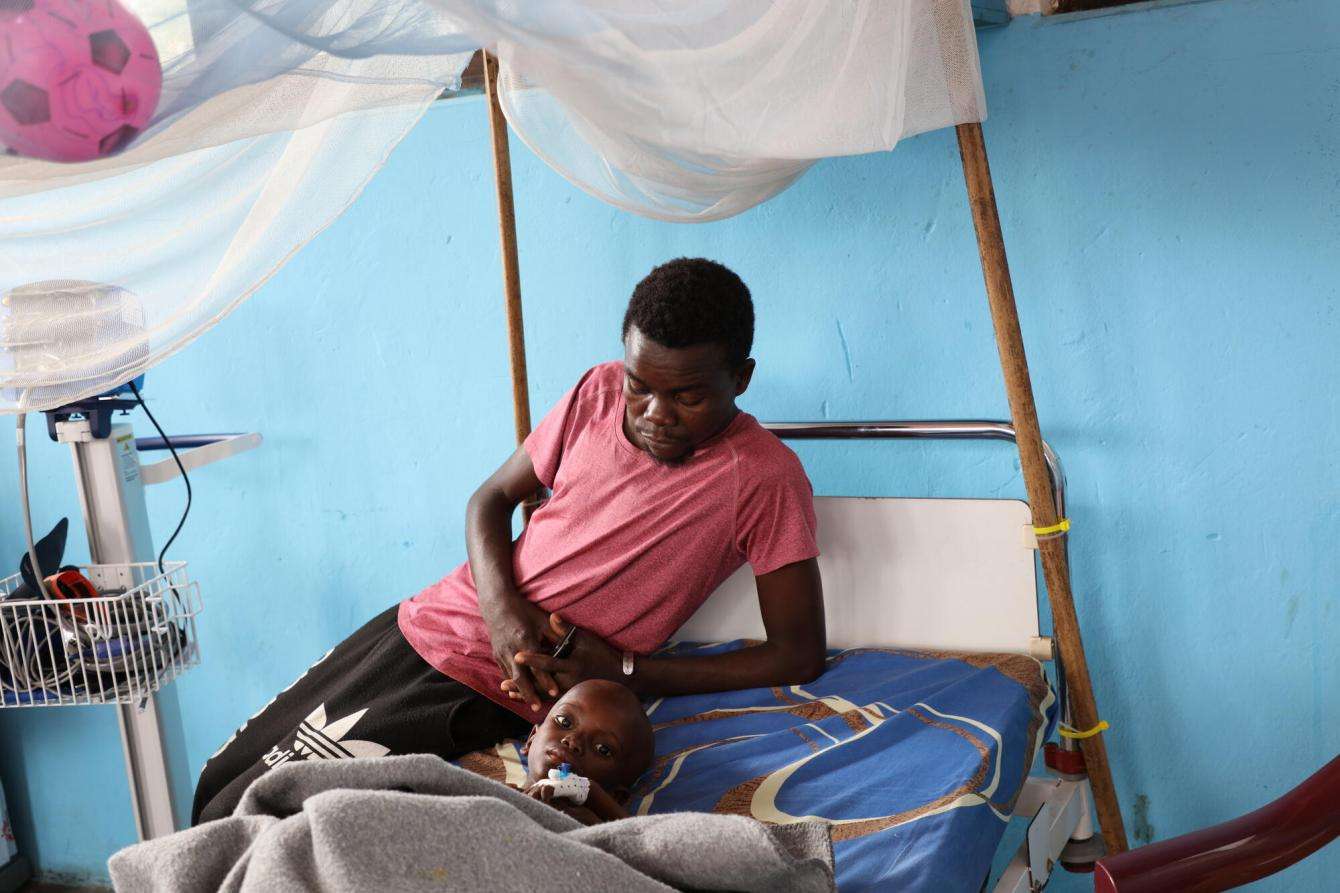
This morning, Chadrac Mbaya is sitting next to his one-year-old daughter, La Joie. La Joie was admitted to Popokabaka hospital four days ago with symptoms of typhoid.
"One night she started vomiting and having diarrhea," says her father. "We went to the health center, but the treatment she received did not improve her condition. She ended up being transferred here. Her sister also had the disease, but fortunately she recovered."