

Cervical cancer is the fourth most common cancer among women worldwide, and around 90 percent of deaths caused by the disease occur in low- and middle-income countries. Malawi has the second highest mortality related to cervical cancer in the world, with 51.5 deaths per 100,000 people per year—seven times the global rate.
Since 2017, Doctors Without Borders/ Médecins Sans Frontières (MSF) has been developing a comprehensive cervical cancer program in Malawi with the goal of improving access to vaccination, screening, early diagnosis, treatment, and palliative care for the women of Blantyre and Chiradzulu districts.
The program targets all stages of the course of the disease. Comprehensive cervical cancer control requires primary prevention (vaccination against human papillomavirus, which is the most common trigger of cervical cancer), secondary prevention (screening and treatment of precancerous lesions), tertiary prevention (diagnosis and treatment of invasive cervical cancer), and palliative care.
“Among the cervical cancer patients we receive at the hospital, a lot of them arrive at a too advanced stage of the disease to allow any curative treatment in our settings,” said Dr. George Chilinda, MSF onco-surgeon at Queen Elisabeth Central Hospital.
“This is very sad and frustrating when you know that vaccination, along with early detection, can prevent this disease from occurring or spreading.”
Raising awareness in the community
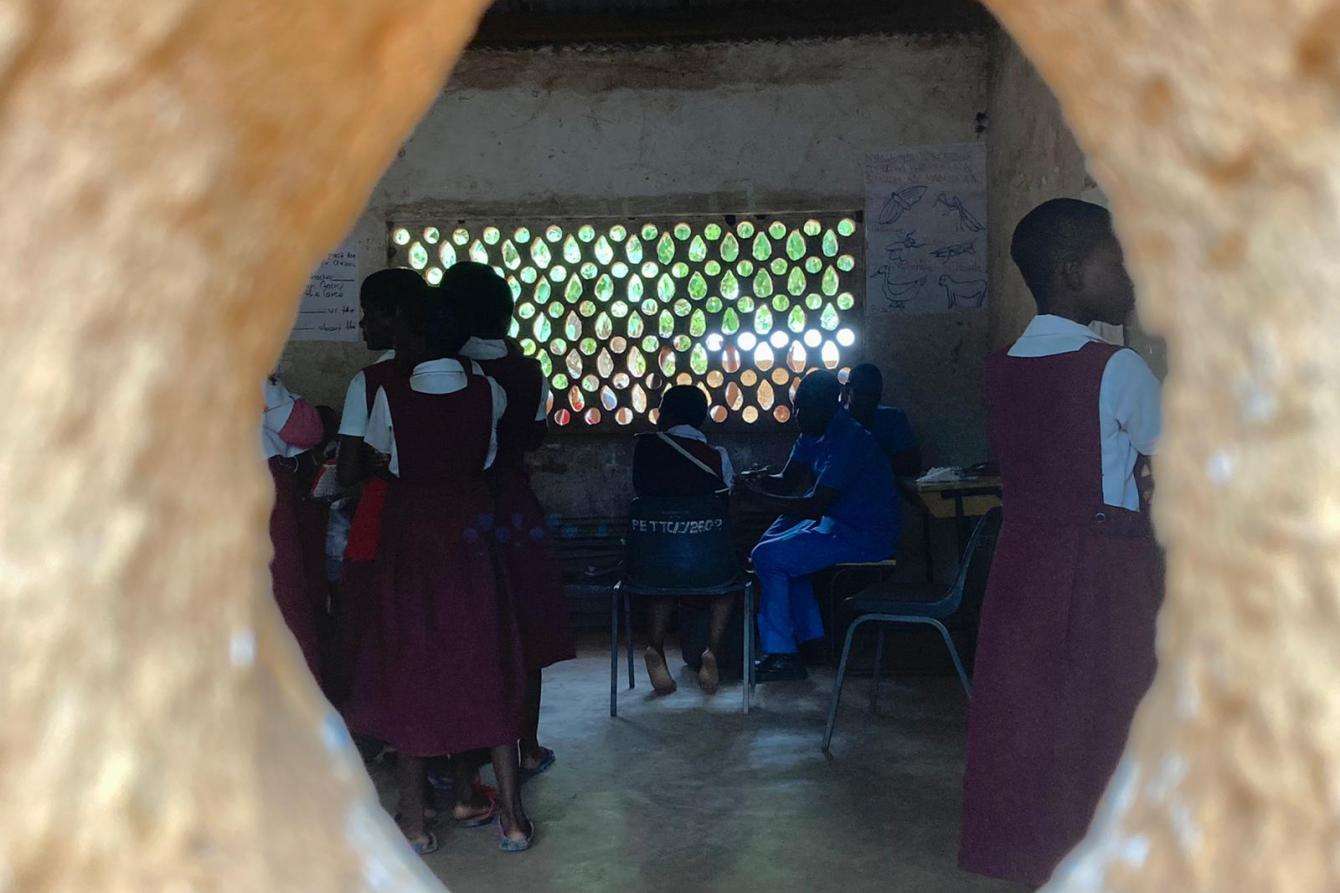
The human papillomavirus (HPV), is most often transmitted through sexual intercourse, so the best way to prevent it is to make sure people are vaccinated before they become sexually active. MSF teams found that the most effective way to raise awareness about the vaccine is to offer it in schools. Accordingly, we have been supporting the ministry of health to help reach most of the 30,000 girls who between the ages of 9 and 14 years old in schools throughout the Phalombe district.
“It is crucial that families know that, on a daily basis, they can access this vaccine in the health centers of their districts,” said Alice Authier, MSF deputy head of mission in Malawi.
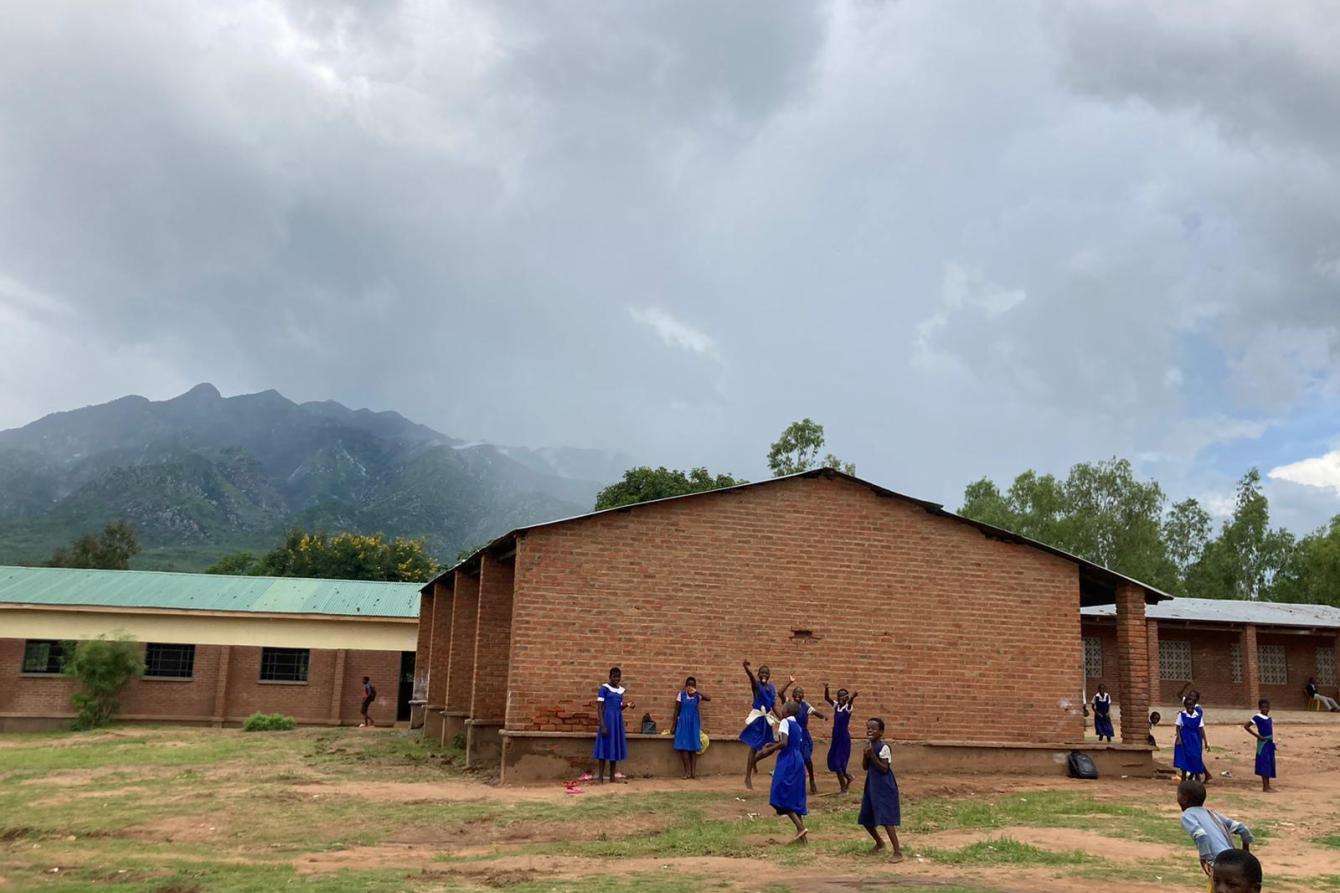
MSF teams have trained 336 health surveillance assistants on the importance and use of the HPV vaccine, and head teachers and school health teachers in 91 schools helped raise awareness about the vaccine among parents. The vaccination campaign began on January 19 and continued through January 23.
Since the HPV vaccine is the most effective way to reduce cervical cancer and protect the next generation, it should be accessible nationwide for girls between 9 and 14 years of age in Malawi, on a yearly basis.
MSF provides medical assistance to people affected by conflict, epidemics, disasters, or exclusion from healthcare. Our teams have been present in Malawi since 1986, providing HIV/TB care in Chiradzulu district and nationwide emergency medical relief services for natural disasters or outbreaks. In 2017, in collaboration with Queen Elisabeth Central Hospital in Blantyre, MSF developed a comprehensive cervical cancer project in partnership with the District Health Offices of Blantyre and Chiradzulu and Queen Elisabeth Hospital.


Story Jul 23, 2024
MSF calls on Gilead to make groundbreaking HIV prevention drug afforda...
Read More