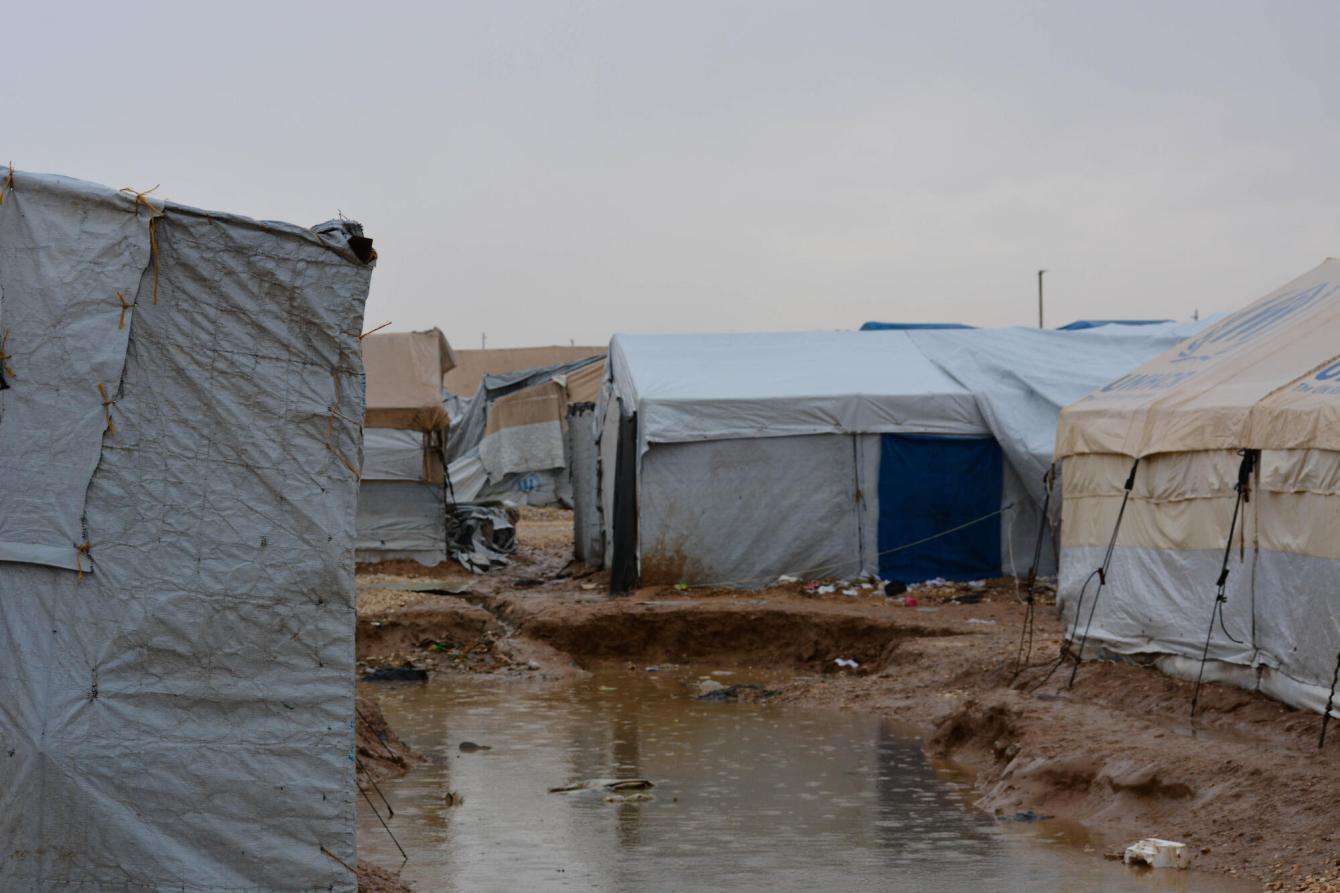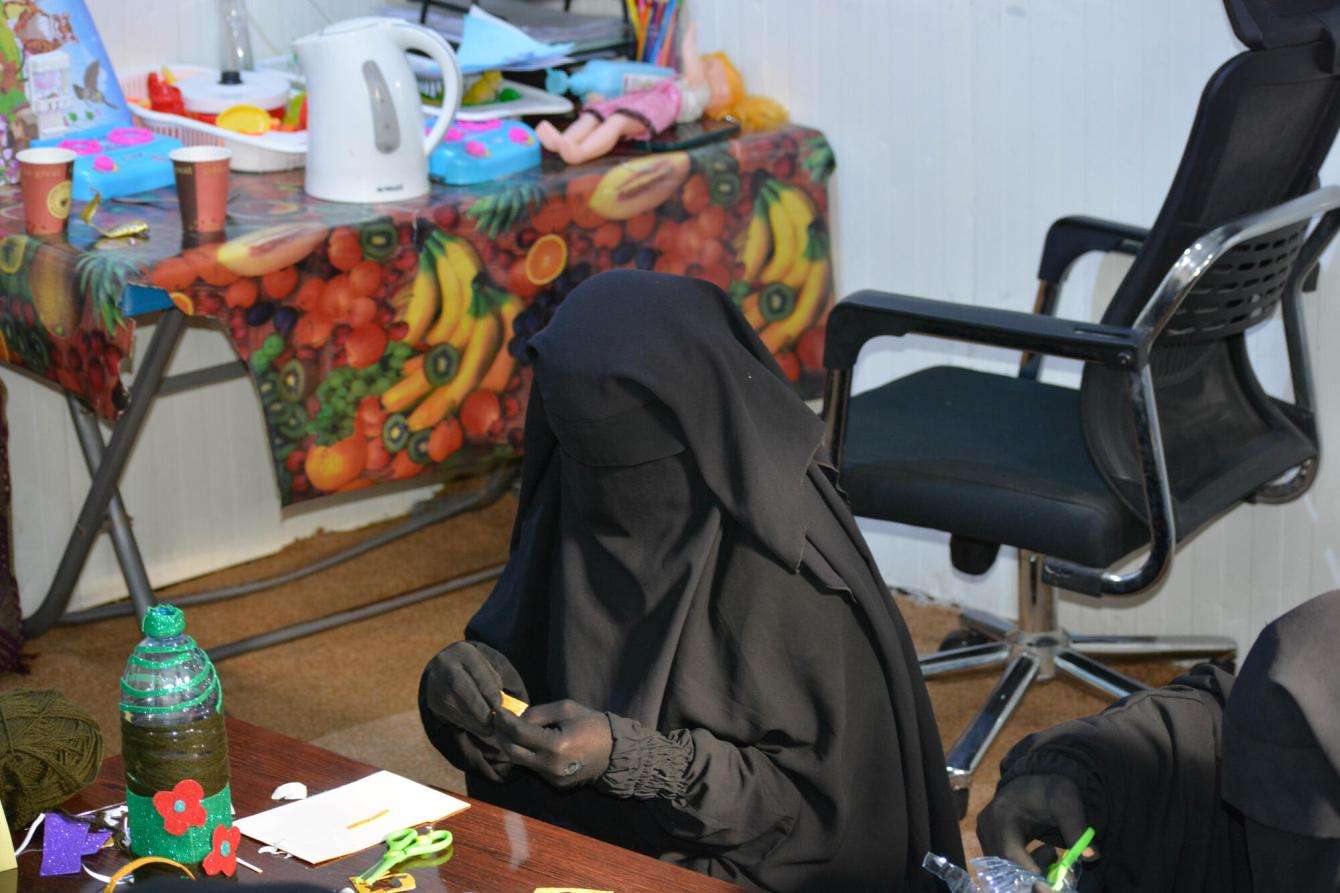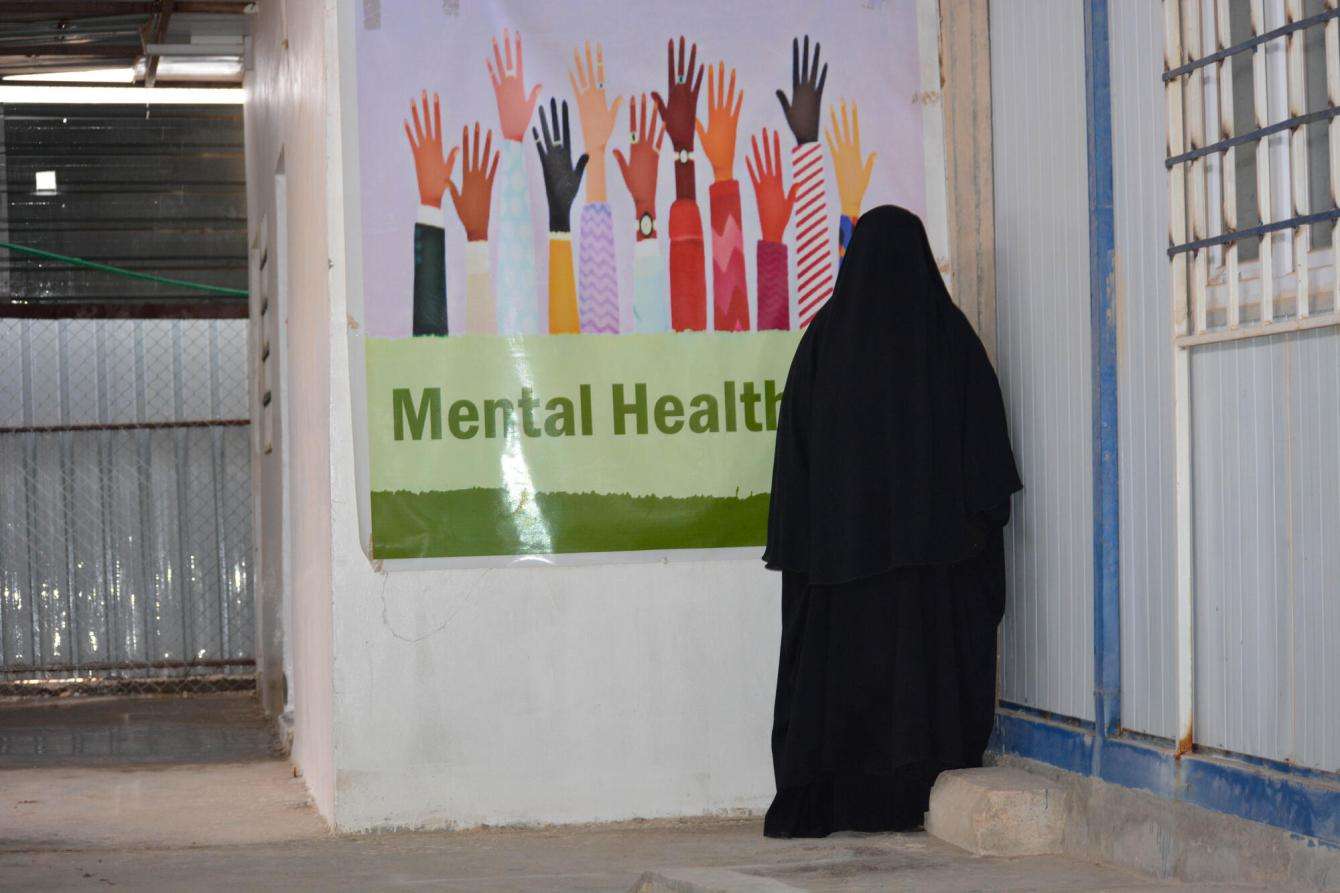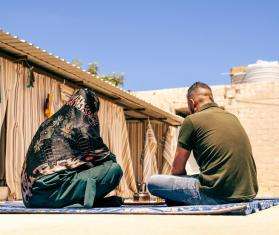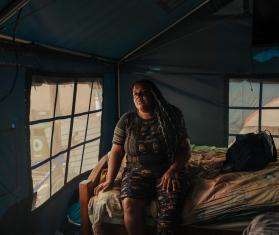

Relentless rain drenched the sea of tents housing more than 40,000 people living in Al-Hol refugee camp, northeastern Syria. The weather mirrored the mood in the camp—essentially an open-air detention center whose inhabitants each carry their own story of displacement, hardship, and survival.
People detained at Al-Hol camp grapple with numerous challenges, including limited access to water, inadequate sanitation facilities, and a health care system inhibited by restrictive security practices. Living conditions and basic services desperately need to be improved—people live in makeshift tents, battered by rain during winter and scorched by the sun during summer.
Residents of the camp have described themselves as being trapped “between two fires”: on the one side, the persistent threat of extreme violence committed by armed groups in the camp, and on the other, the increasingly harsh security measures implemented by camp authorities in an attempt to manage the situation in Al-Hol.
The camp lies on the southern outskirts of Al-Hol, a town close to northeastern Syria’s border with Iraq. In 2018, following the battle of Deir ez-Zor between Syrian Democratic Forces and the Islamic State in Syria (ISIS), the camp effectively became an outdoor detention center holding people who were displaced during the fighting. As of October 2023, 93 percent of people detained in Al-Hol camp are women and children—65 percent are children, 51 percent are younger than 12 years old.