
Chronic kidney disease is killing an increasing number of people in Guatemala, where it’s one of the main public health problems.
The disease—which causes the kidneys to gradually lose function, and in extreme cases, fail completely—is aggravated by other medical conditions such as hypertension and diabetes. In 2023, 12 new cases of renal failure were registered in Guatemala each day.
In 2020, the incidence of chronic kidney disease was found to be particularly high in Escuintla department, in the south-central region of Guatemala. In 2021, Doctors Without Borders/Médecins Sans Frontières (MSF) set up a project with the Ministry of Health and other organizations in three municipalities in Escuintla to strengthen the local health system and help prevent, diagnose, and treat chronic kidney disease. MSF has since made the difficult decision to close the project due to financial constraints and the need to focus on other humanitarian activities in Guatemala.
In the three years since launching the project, MSF made considerable progress in tackling the disease and has impacted the lives of hundreds of people with chronic kidney disease. This proves that with the right tools and follow-up of health authorities, it is possible to provide quality and comprehensive medical care to affected people, even with limited resources.
Improving quality of life for chronic kidney disease patients
Patients in the advanced stages of chronic kidney disease, whose kidneys are no longer functioning, require dialysis to filter unwanted substances and fluids from their blood. This can take the form of either hemodialysis, which uses an external machine to filter the blood and generally takes place in dialysis centers, or peritoneal dialysis, which uses the lining of the abdomen as a filter and can be carried out at home.
"During the course of our activities, we have seen how this disease impacts the quality of life of patients and their families,” said MSF project coordinator Dr. Miriam de León. “This ranges from having to quit their jobs to get the treatment they need, to changes in eating habits and everyday routines that also affect people close to them."
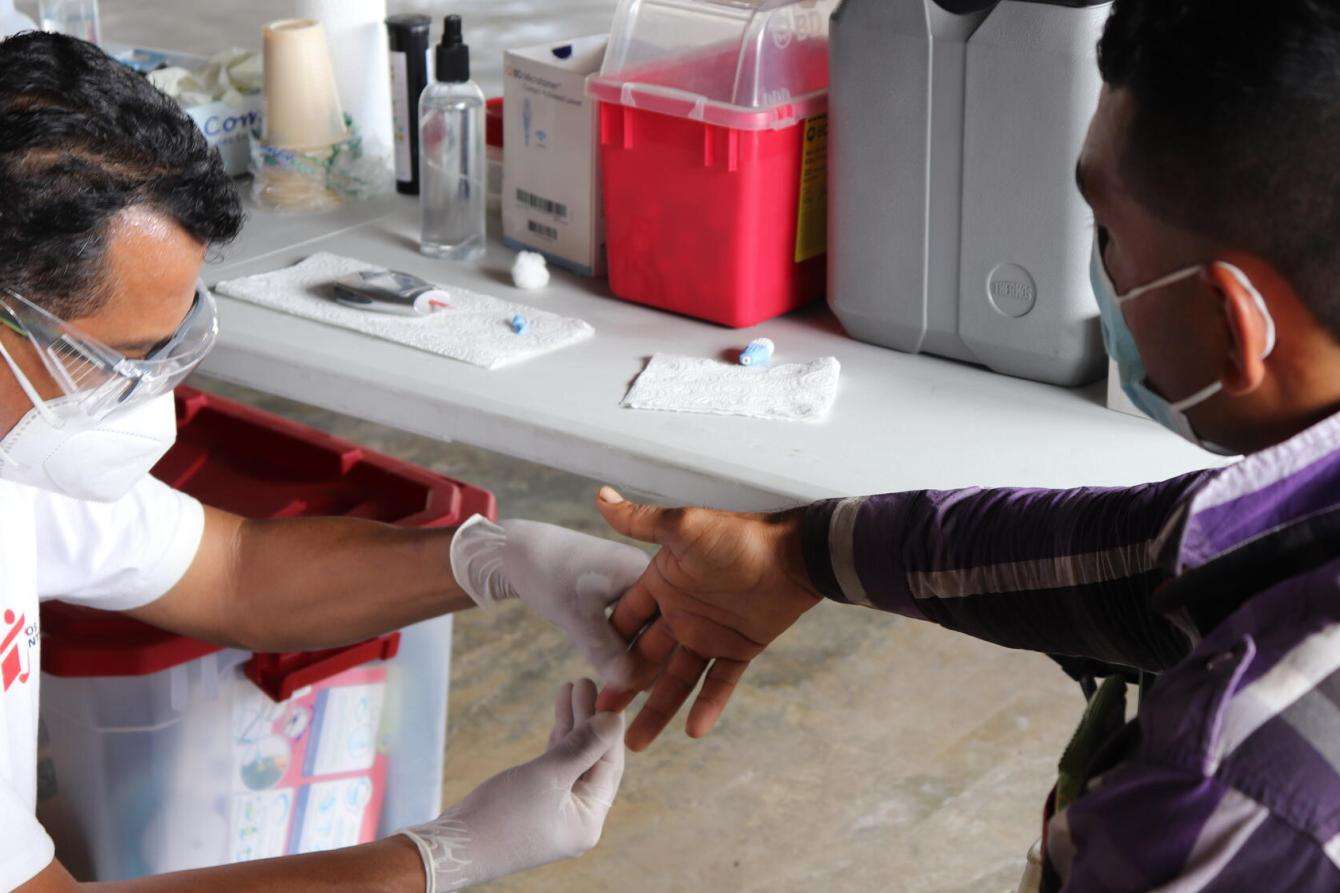
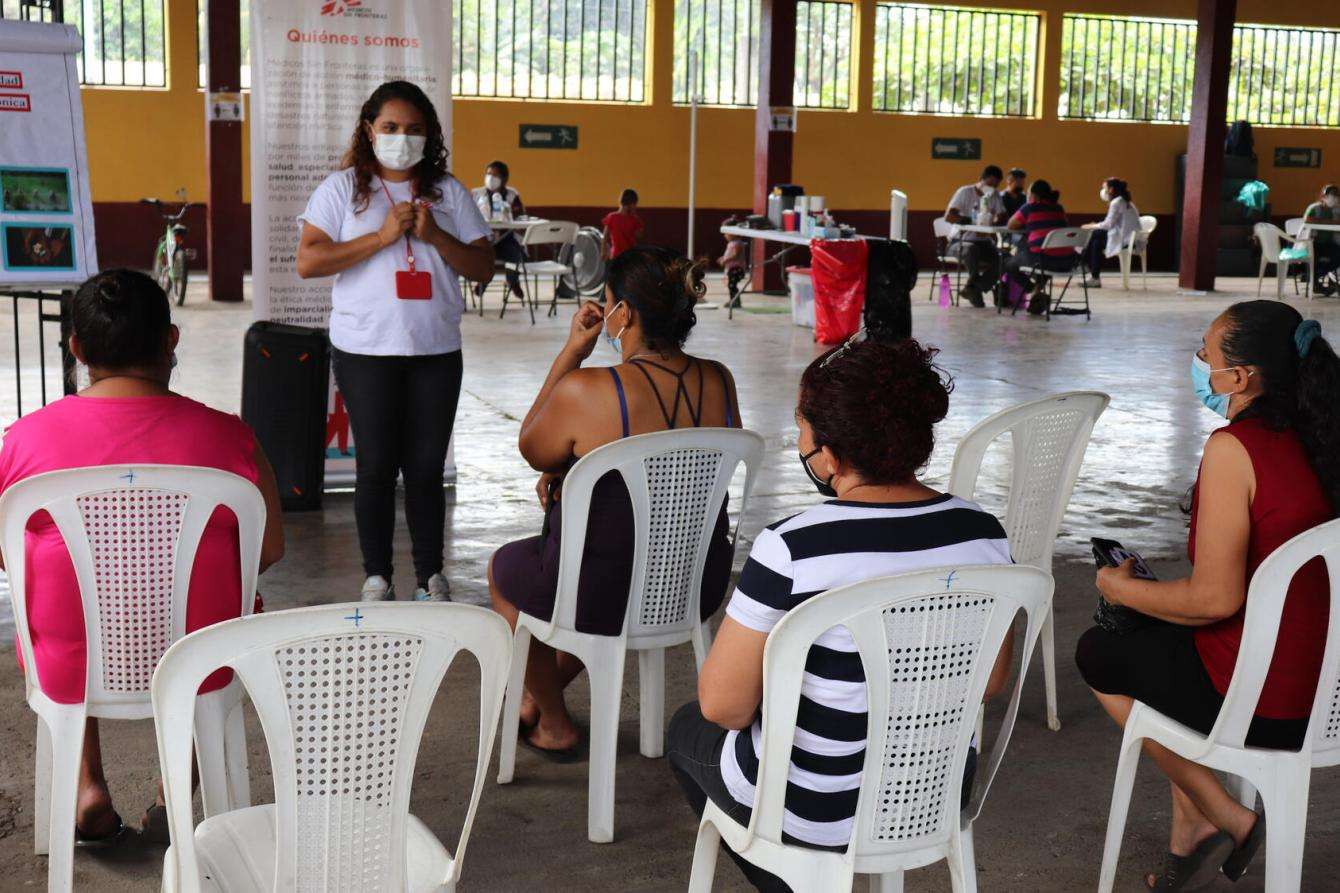
Over the past three years, MSF has focused on improving people’s access to treatment programs and reducing deaths from chronic kidney disease through a comprehensive health care model that includes testing for the disease, laboratory analysis, training health staff in recognizing and managing the symptoms, and making improvements to local health centers so they have the facilities to care for patients. The involvement of local communities has been fundamental to the project, along with working alongside health authorities to raise awareness of the disease through workshops and training local health workers.
"My daily activities have been affected since I was diagnosed with diabetes and my leg was amputated three years ago,” said Fidel Ruíz, a diabetic patient with chronic kidney disease who received care from MSF. “It is very difficult to get any job opportunities and getting around is also difficult. If I want to get a bus to travel to Guatemala City, the drivers don't want to stop because they can see you are sick.”
Results and the path ahead
Many patients cannot afford to travel to the main dialysis centers in Guatemala City, so MSF helped them with the cost of transport, food, lodging, and additional medical tests. From 2021 to 2023, MSF screened 5,353 people between the ages of 13 and 60 for chronic kidney disease, of whom 1,029 had suspected cases. Three months after their initial test, 401 patients had a confirmed chronic kidney disease diagnosis and 687 had co-morbidities such as diabetes and hypertension.

Agricultural workers in Guatemala face high rates of chronic kidney disease
Read more"Health authorities must provide adequate services for chronic kidney disease patients and facilitate timely access to medical care for diagnosis and treatment of the disease,” said Dr. De León. “It won’t be an easy task, as addressing chronic kidney disease in a comprehensive and sustainable manner will involve allocating resources from elsewhere and collaborating with other organizations, but it will make immeasurable improvements to people’s lives countrywide."
While MSF has concluded this project in Guatemala, health authorities should continue to run renal health programs across the country and ensure that the activities set up in the three municipalities of Escuintla can continue to benefit people’s lives and reduce mortality rates from the disease.


Story Jul 23, 2024
MSF calls on Gilead to make groundbreaking HIV prevention drug afforda...
Read More