
Accessing clean water has traditionally been an arduous task in Mogovolas, a district in the northern region of Mozambique.
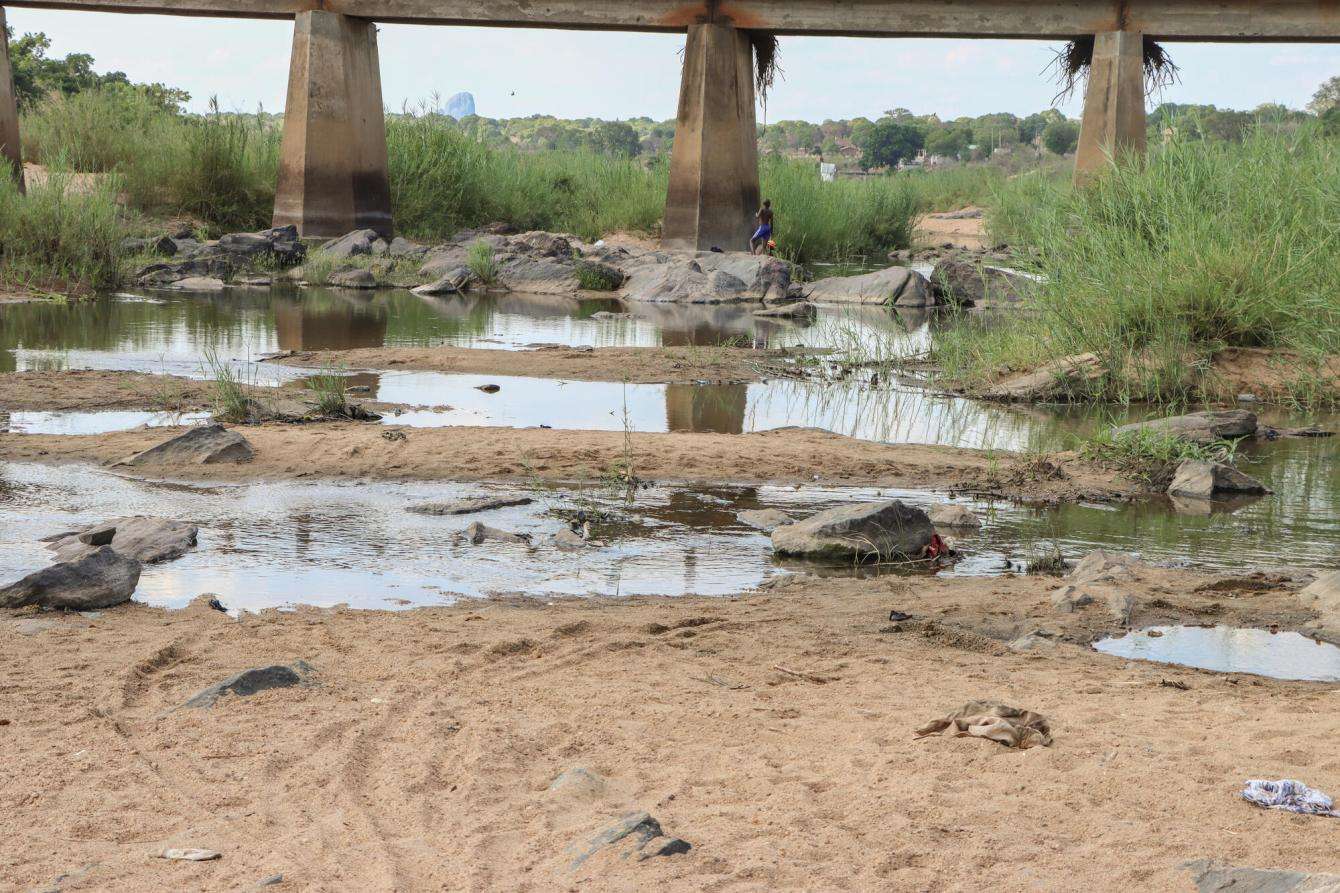
Villagers often resort to unsafe water sources to meet their basic needs, exposing themselves to a host of diseases.
Doctors Without Borders/Médecins Sans Frontières (MSF) recently established eight wells in this district alongside community awareness initiatives to secure sustainable access to clean and safe water. These activities not only address the immediate health concerns associated with waterborne illness, but also lay the groundwork for long-term community response to mitigate infectious diseases. Unsafe water can contain parasitic worms that cause bilharzia, also known as schistosomiasis, a parasitic disease that cause abdominal pain, enlarged liver, blood in the stool or urine, and can also cause an increased risk of liver fibrosis or bladder cancer.
The interconnected nature of water, climate events, and health underscores the importance of comprehensive approaches to addressing these issues. By integrating water, sanitation, and hygiene interventions with broader climate adaptation strategies to mitigate neglected tropical diseases, this project is creating combined solutions that promote health resilience and resource sustainability for communities in Mogovolas.
Wells as a community lifeline
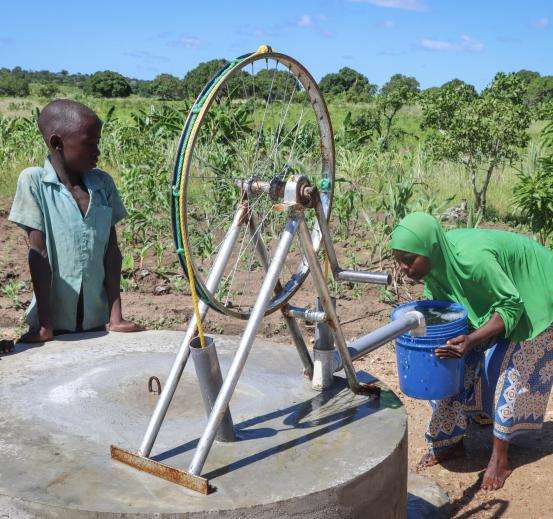
The wells support approximately 350 households and have been designed to ensure reliable year-round access to safe drinking water.
The well systems are user-friendly, and are accessible to people of all ages and abilities.
“We use water for everything—from cooking and drinking to bathing and other household needs. Having access to clean water has truly transformed our lives, bringing us a sense of security," said Rabia Chico, a mother of two who lives in the Muepane community of Mogovolas. With the construction of these protected wells, the burden of water collection has been lifted, allowing community members to engage in income-generating activities such as farming, a common livelihood in Mogovolas.
Muepane community resident
Rabia Chico
"I'm incredibly thankful for the gift of this well because we've never had access to anything like it before.
“Previously, we endured long and dangerous routes to collect water, which is more or less the same [as what] we did when we needed to reach a hospital. Now these essential resources are right on our doorstep. The illnesses that once infected us are gradually disappearing because we now have access to clean and safe water. This has made a difference, especially for our children, who used to suffer greatly from waterborne diseases. The days of hardship are finally behind us.”
Training local partners
MSF works in close partnership with community leaders as well as health authorities, and the local community water committee played a critical role in ensuring the sustainability of the protected wells. Comprised of dedicated local community members like Fatima Aluano, who have undergone specialized training on safe hygiene practices and well maintenance to address potential malfunctions, the committee serves as the custodian of the wells, overseeing their management and maintenance.
"I've been fortunate to receive training that empowers me to collaborate effectively with my community to ensure the long-term accessibility to close water sources. Through this training, I've been able to mobilize my people to actively participate in initiatives aimed at maintaining the wells," Fatima added.
Fostering community ownership and collective responsibility
Residents of Mogovolas manage the regular cleaning of the wells, organize the line to fetch water, and conduct routine inspections to identify any potential problems.
The committee also liaises with MSF, identifying resources and support needed to maintain the functionality of the wells. By fostering a sense of ownership and collective responsibility, the committee safeguards these essential water sources to improve their longevity and continued benefits for everyone.
"Before the wells were built, our only option was to rely on river water to meet our basic needs. This often meant exposing ourselves to contaminated water sources, leading to numerous health concerns for our community. However, with the construction of protected wells, we now have access to clean and safe water right within our village. It [brings] peace of mind to feel secured," Aluano said.
Our work in Mozambique
Since 2019, MSF has been responding to the increasing needs of displaced and host communities, particularly in areas that receive little or no assistance. Our activities include general health care, mental health care and psychosocial support, distribution of relief items, health promotion, and water, hygiene, and sanitation services.
In Nampula, MSF started working with the Ministry of Health to improve preventive and curative care for vector-borne and neglected tropical diseases, and surveillance and preparedness for emergencies such as cholera outbreaks and natural disasters.

News Jul 26, 2024
ViiV must urgently help get more people on lifesaving HIV prevention m...
Read More