In western Yemen’s Saada governorate, aerial bombardments are a deadly fact of life. In the ongoing conflict that has gripped the country since 2015, Saada has borne the brunt of airstrikes carried out by the Saudi and Emirati-led coalition (SELC), according to the independent monitoring group the Yemen Data Project. Almost one-quarter, 23 percent, of all airstrikes recorded in Yemen since March 2015 hit targets in Saada—many of them civilian.
In addition to military targets, airstrikes have hit markets, mosques, and hospitals in the governorate, resulting in the injury or death of 17,729 civilians from 2015 to 2019. In 2015, a Doctors Without Borders/Médecins Sans Frontières (MSF) hospital in Saada’s Haydan district was bombed by the coalition, forcing the facility’s closure and cutting off access to lifesaving health care for thousands of people.
In 2017, MSF returned to Haydan to rebuild the hospital. After the progressive restoration of services, the hospital reopened fully in 2018. In that year, MSF staff provided 14,000 emergency and 3,800 prenatal consultations at the hospital. More than 1,500 people were admitted to the inpatient department.
"Every day at the hospital in Haydan, we give free health care to children, to mothers in labor, and we also have an Emergency Room," said MSF doctor Roberto Scaini. "Just to give you an idea of what it means to work here nowadays, we admit roughly two to five children every day. Mostly they arrive here with a respiratory tract infection, usually severe, which means they need oxygen and antibiotic therapy. We also often treat cases of measles, whooping cough and diphtheria, that are easily preventable with vaccination."
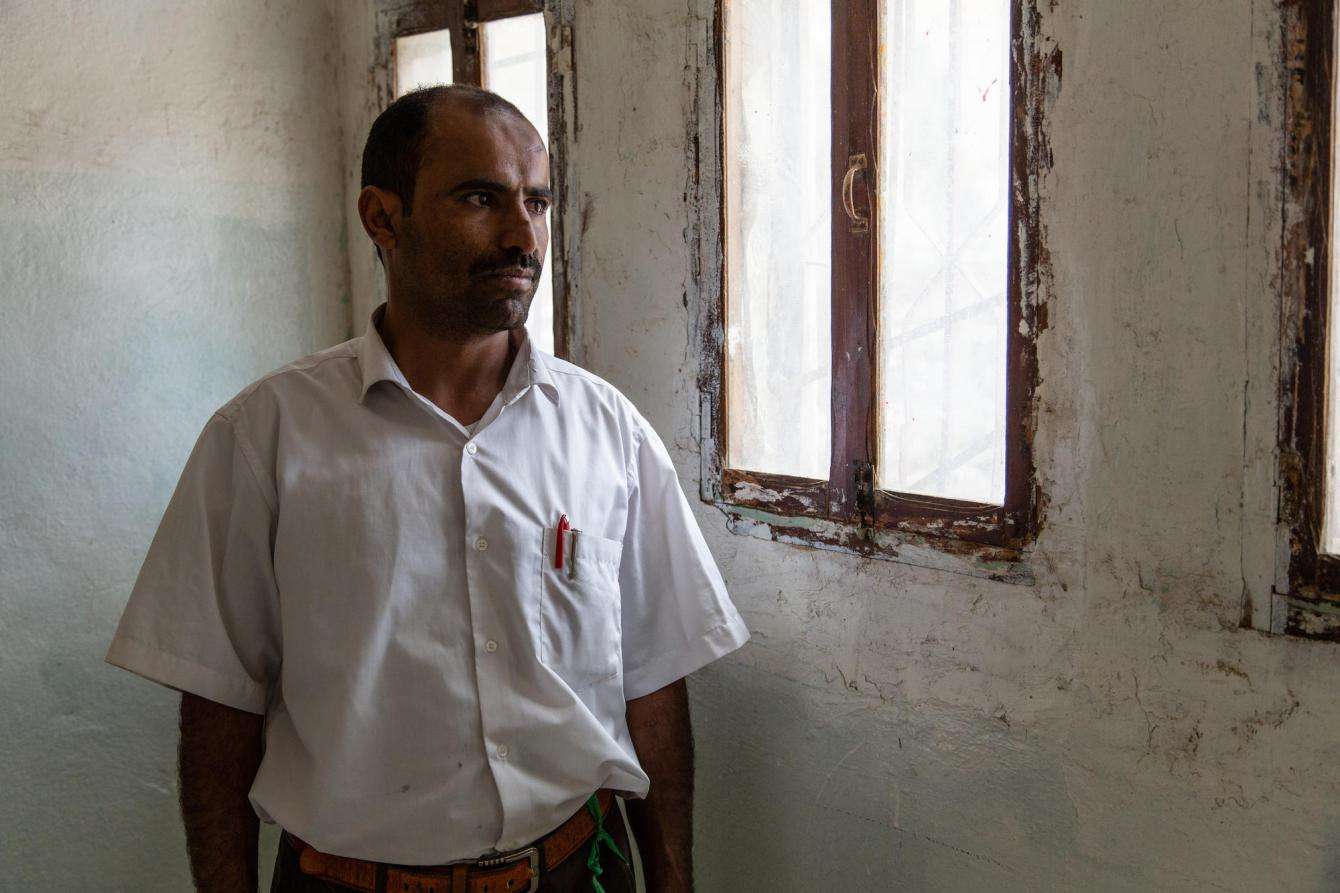
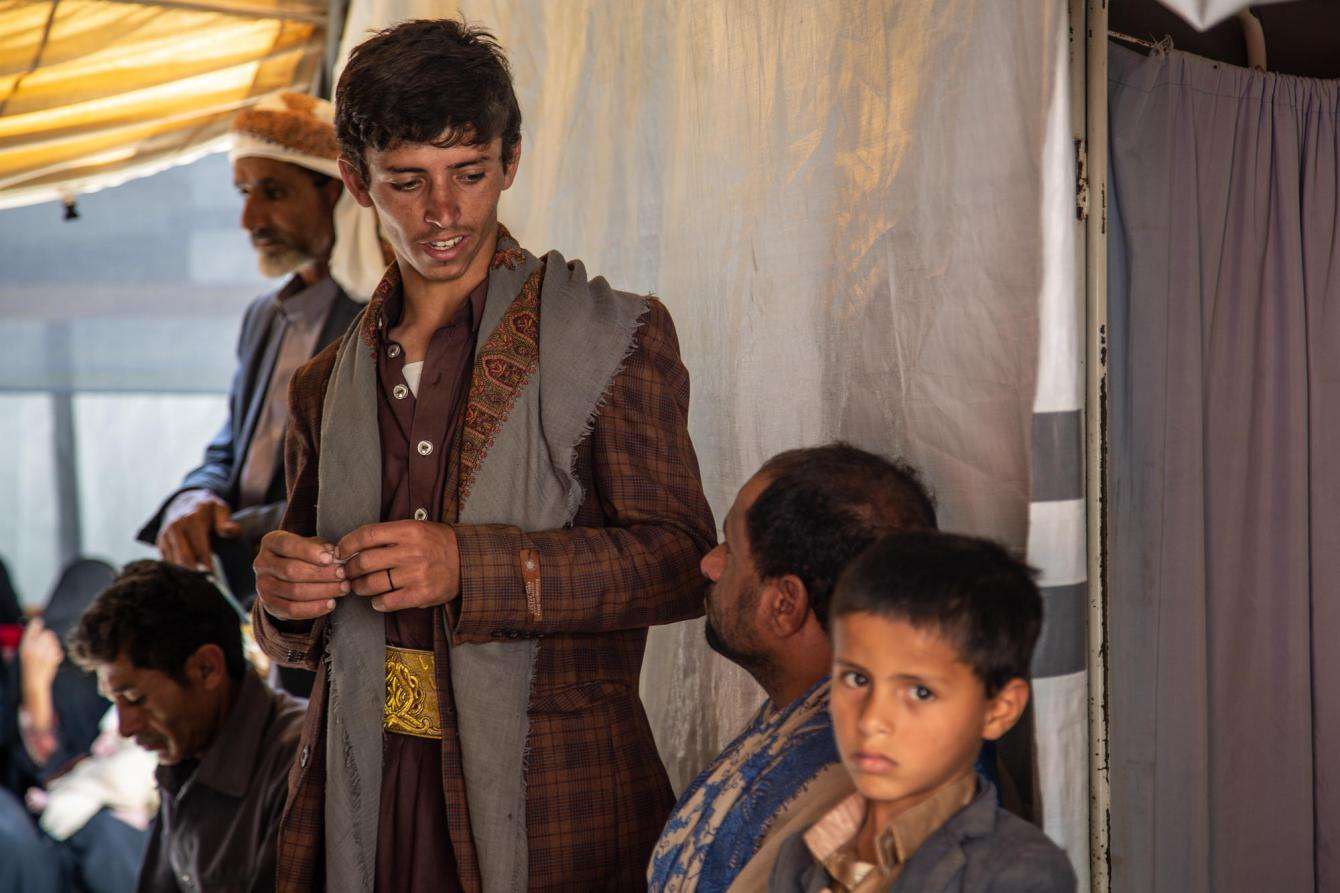
Here, residents of Saada share their stories of life under the airstrikes.