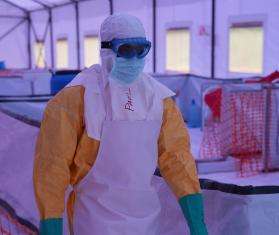

Doctors Without Borders/Médecins Sans Frontières (MSF) teams in Afghanistan are continuing to provide medical care across all five of our projects in Herat, Helmand, Kandahar, Khost, and Kunduz provinces. Despite intense fighting in recent weeks, our teams did not stop providing vital medical care. Sustaining these health services under extreme pressures is a testament to the dedication of the some 2,300 MSF staff members working in the country.
On Sunday, August 15, after months of intense fighting, the Islamic Emirate of Afghanistan (IEA, also known as the Taliban) entered the city of Kabul as the government collapsed. The IEA has declared that the war is over and assumed control over the country.
While many individuals and organizations have fled Afghanistan, our teams are staying put to provide essential medical care to people across the country. Given the current instability, the displacement of large numbers of people, and acute health needs, we are concerned about the ongoing humanitarian crisis.
Since the end of the fighting we have seen a change in the needs that people present within our projects, and many of our facilities are now full. We are seeing people who were injured in the fighting and require follow up-care, as well as patients with a variety of health conditions who now find it safer to travel to access medical care.
MSF runs a wide range of medical programs in Afghanistan, including an intensive therapeutic feeding center for sick and malnourished children and a COVID-19 treatment center in Herat, support for Boost hospital in Lashkar Gah, a maternity hospital in Khost, a trauma center in Kunduz, and a drug-resistant tuberculosis project in Kandahar.
During the fighting, MSF also treated large numbers of war-wounded people in our projects in Lashkar Gah and Kunduz. We provided health care to displaced people in Kandahar and Kunduz, setting up new activities in response to the increased needs. Now that fighting has ceased in the provinces, the number of patients seeking care in our projects has actually increased as people are able to move about more easily.
Many local health facilities are under enormous pressure with staff and equipment shortages, meaning that some people cannot access the care they need.