The first participant in the Tumaini clinical trial of vaccine candidates against Bundibugyo virus, which causes Ebola disease, was vaccinated today, as the outbreak continues in Democratic Republic of Congo (DRC). Doctors Without Borders/Médecins Sans Frontières (MSF) and its research arm, Epicentre, are among several partners involved in this trial, which takes place in Bunia, Ituri province — the early epicenter of the outbreak.
DRC is facing the largest Bundibugyo outbreak ever recorded, and the second-largest Ebola disease outbreak to date. There is currently no approved vaccine against Bundibugyo, which is one of several viruses causing Ebola disease. The Tumaini Phase 2/3 clinical trial aims to close that gap by evaluating the safety, immunogenicity, and efficacy of vaccine candidates. One of the candidates, ERVEBO, was developed and licensed to protect against the Zaire ebolavirus — not Bundibugyo, which is the virus driving the current outbreak.
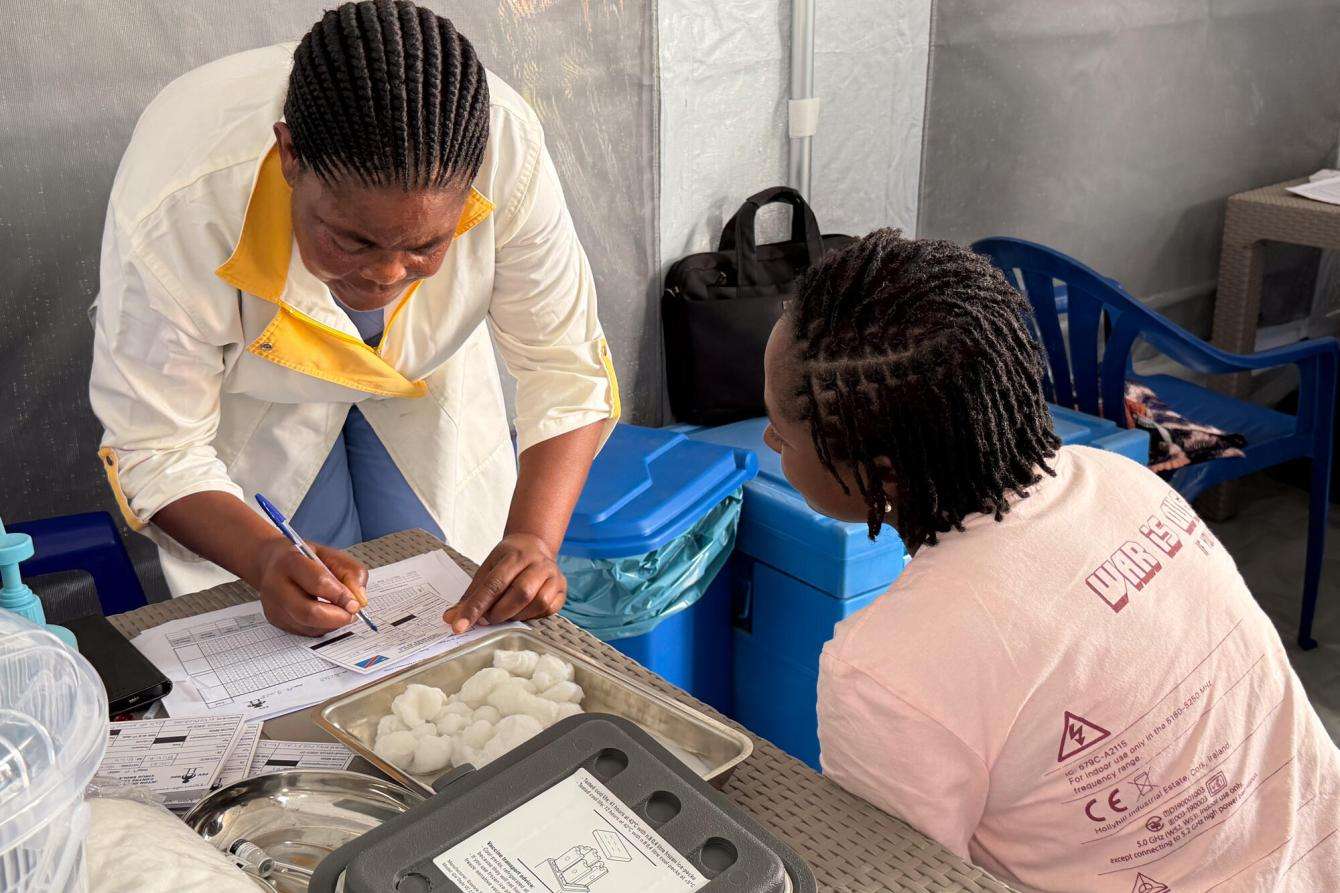
Trial is a critical step in the ongoing Ebola response
“The Tumaini trial represents a critical step toward addressing the urgent needs of people most affected by Bundibugyo virus,” said MSF medical director Dr. Bern-Thomas Nyang'wa. “MSF brings to this trial its experience doing clinical research in close collaboration with affected communities. Working in partnership with communities is essential for building trust and ensuring meaningful participation in the development of vaccines that are effective, adapted, and accessible to those who need them most.”
Tumaini will work closely with affected communities, health authorities, and outbreak response partners to generate robust evidence on vaccine performance that could contribute to curtailing the epidemic, saving lives, and strengthening preparedness for future Bundibugyo outbreaks. The trial is co-led and co-sponsored by the Institut National de Recherche Biomédicale and the University of Antwerp’s Global Health Institute. Other partners involved include the Congolese Ministry of Health, the Coalition for Epidemic Preparedness Innovations, Africa CDC, the World Health Organization (WHO), and the Institute of Tropical Medicine.
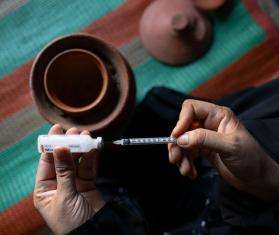
This clinical trial allows several vaccine candidates to be evaluated simultaneously, which can help shorten the time it takes to determine whether a vaccine is effective and can potentially be approved for wider use. Vaccines will be administered through a ring vaccination approach, which focuses on people who have had contact with someone with Ebola and those at highest risk of infection. Technical details about Tumaini are available on ClinicalTrials.gov under the trial number NCT07842107.
Vaccine candidates are selected through an independent prioritization process led by WHO’s Technical Advisory Group on Candidate Vaccines Prioritization, and corresponding protocol amendments are approved by ACOREP, the national regulatory authority. The first candidate being used in the trial is ERVEBO. Preparations are underway for two Coalition for Epidemic Preparedness Innovations (CEPI)-funded Bundibugyo-specific vaccine candidates that are being developed by Moderna and the University of Oxford in collaboration with the Serum Institute of India.
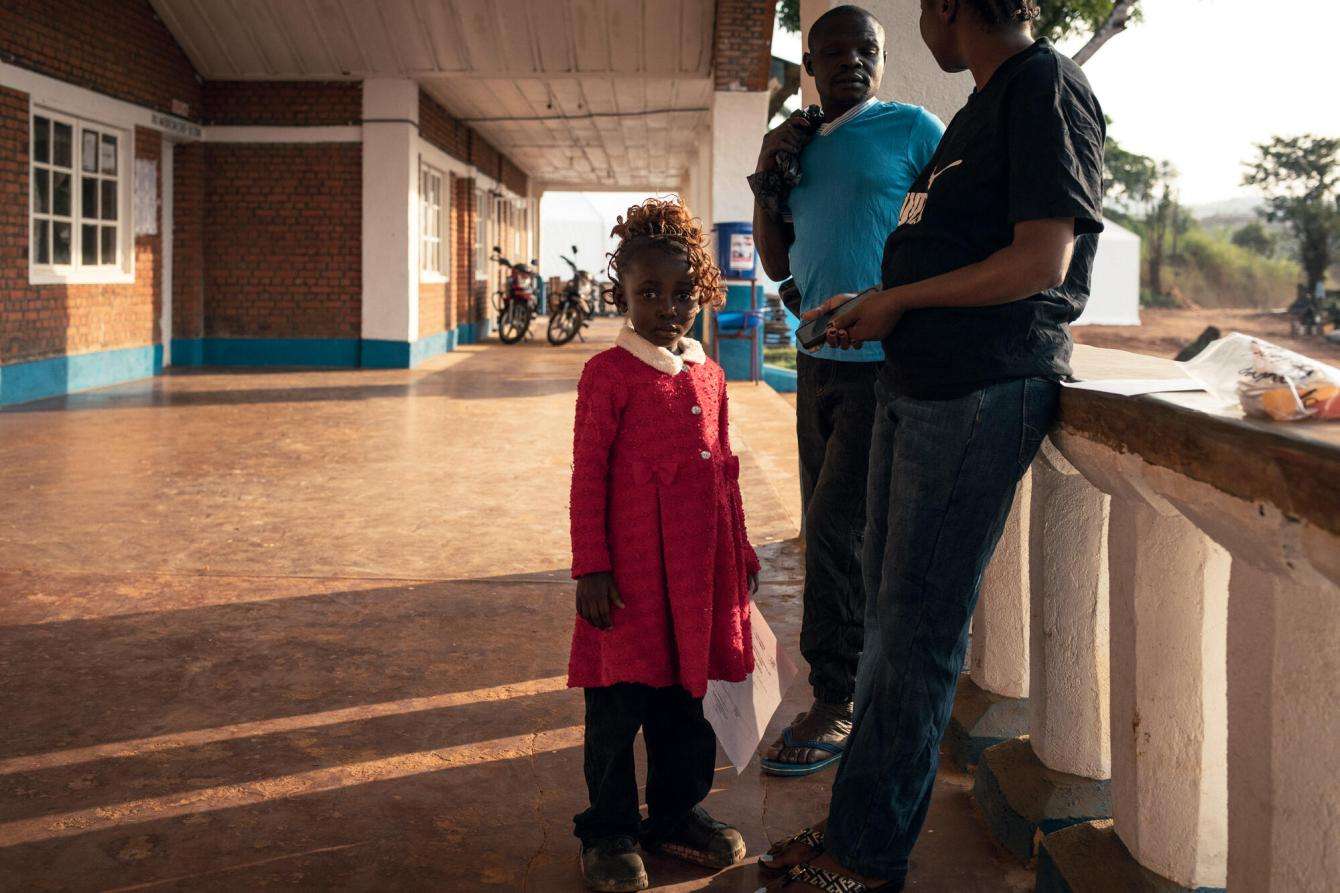
Including children in Ebola research and development
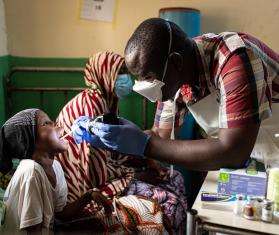
Tumaini, which means “hope” in Swahili, also represents an important step toward protecting children. While Ebola remains a deadly disease for all age groups, children face the highest risk of death, yet they are often excluded from related clinical research or included only after significant delays. This means they often get access to medical tools far too late, if at all. The Tumaini trial notably includes children.
“Children are among those hardest hit by the Ebola outbreak in certain regions, yet they have historically been underrepresented in clinical research,” said Valérie Briand, head of the research department at MSF’s Epicentre. “The inclusion of pregnant women and children aged 12 years and older, as well as children from one year of age for the ERVEBO vaccine, represents an important step toward generating evidence for populations that are often excluded from clinical trials. Discussions are ongoing to extend the inclusion of younger children for specific vaccine candidates.”
The Tumaini trial complements other ongoing vaccine trials and studies, including BRAVO, which MSF is also involved in and which focuses solely on determining the efficacy of ERVEBO against Bundibugyo.