The second-largest Ebola disease outbreak in history remains out of control, six months after it was declared in Democratic Republic of the Congo (DRC), Doctors Without Borders/Médecins Sans Frontières (MSF) warns.
Despite the considerable resources mobilized for the response, too little is reaching patients, frontline workers, and communities. Urgent action is needed to ensure those resources translate into effective, coordinated activities where they are needed most.
Critical supplies and support are not reaching areas that need them
Hundreds of millions of US dollars have been disbursed by the international community, yet critical shortcomings in essential aspects of the response persist, undermining efforts to halt the outbreak and save lives.
“Despite the vast amounts of money provided for the response, many frontline responders are left trying to stop the outbreak with empty hands and empty pockets,” says Dr. Javid Abdelmoneim, MSF International President. “Our teams are often left speechless by the dysfunction they witness in many areas. Six months into the response, this situation is simply unacceptable.”
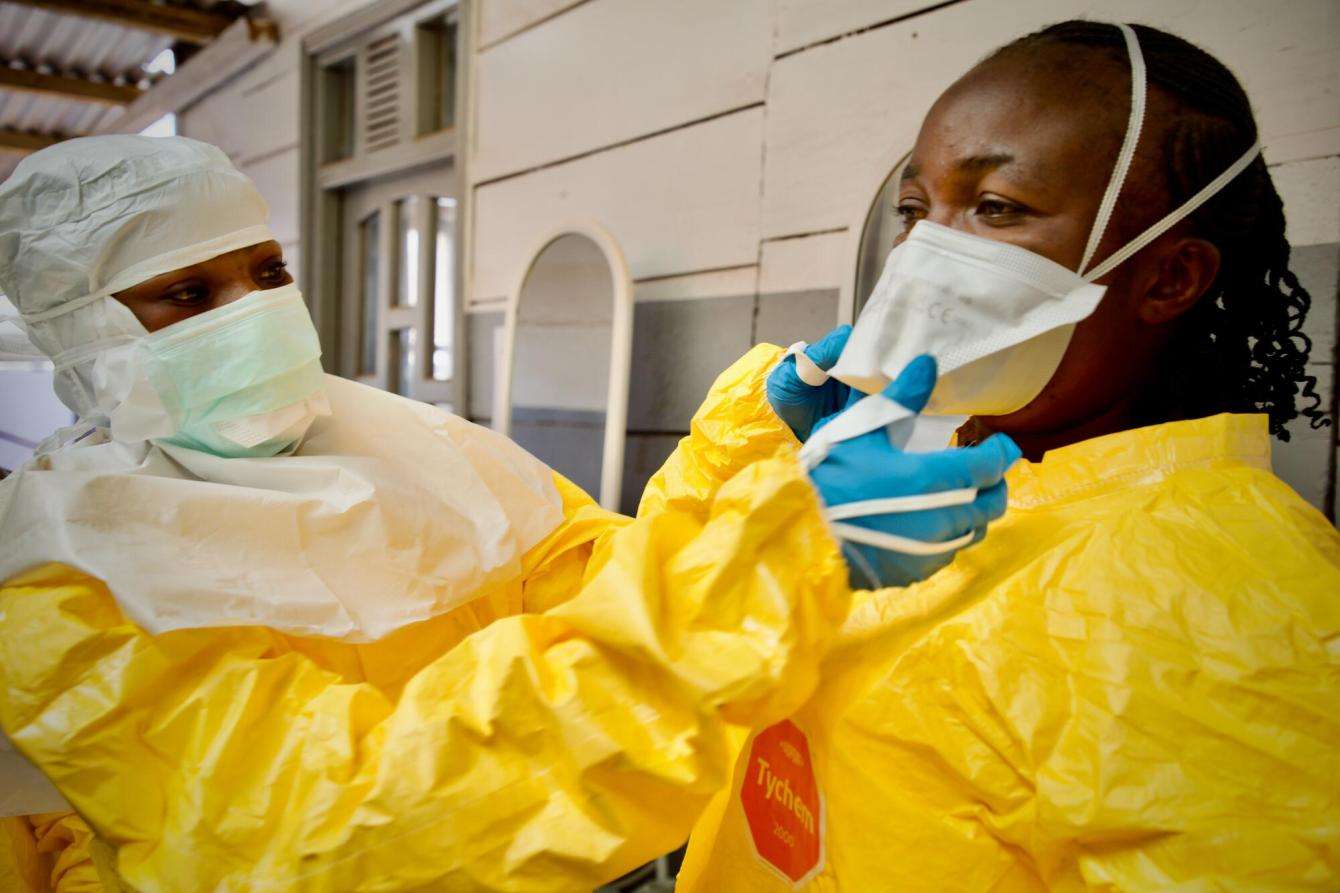
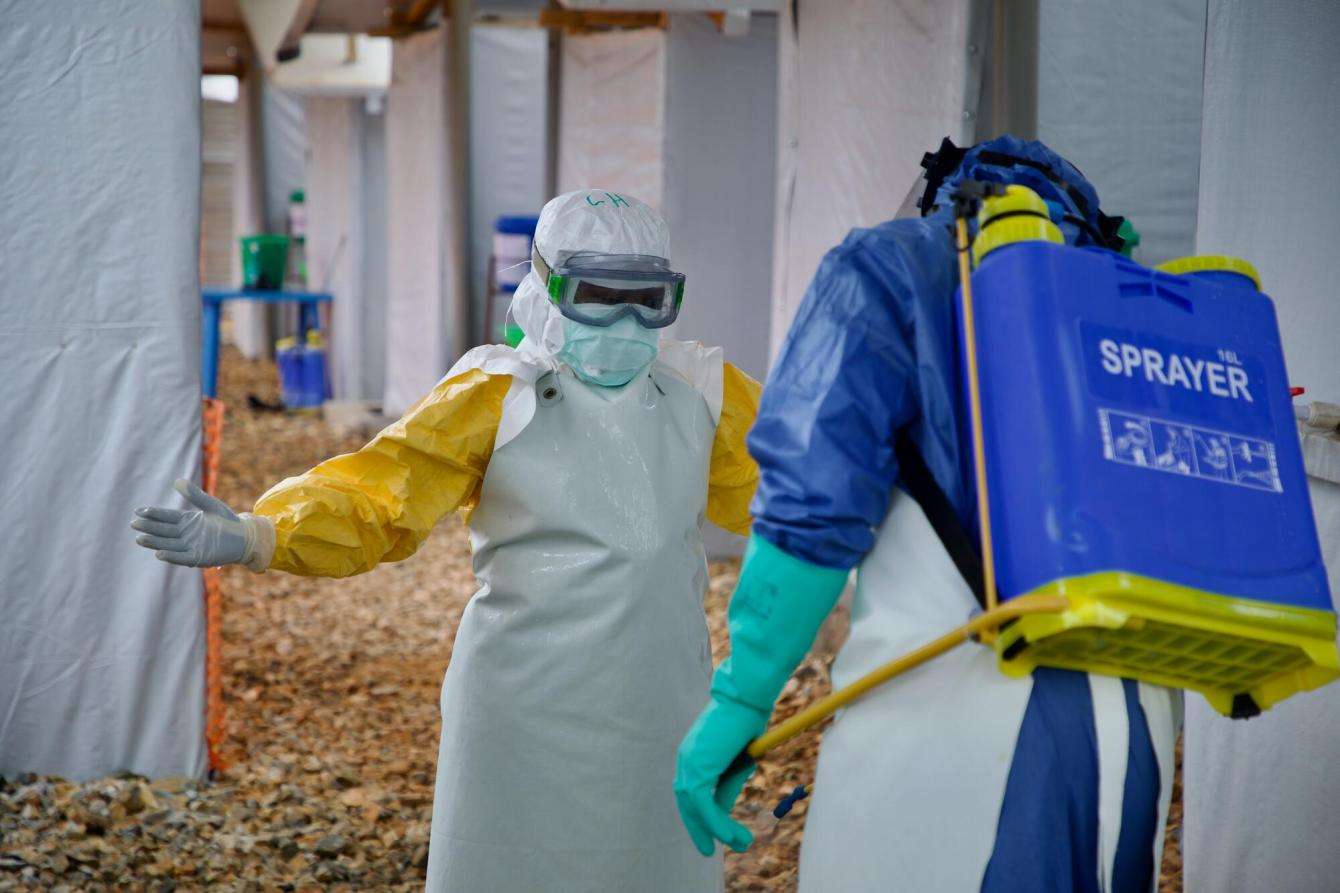
These dysfunctions take many forms: untrained and unpaid response personnel, some of whom have gone on strike; vehicles and ambulances without fuel; surveillance teams that exist on paper but are nowhere to be seen on the ground; community workers without phones or mobile data to share alerts; and health care staff left without the supplies or technical support needed to handle suspected cases.
Surveillance infrastructure is woefully lacking
One of our greatest concerns is the persistent failure of the epidemiological surveillance system, a cornerstone of any Ebola response. Despite the resources officially allocated to this critical activity, surveillance remains deeply problematic, with entire areas poorly covered or even completely neglected. Over the past month, close to two-thirds of reported Ebola-related deaths have occurred in communities.
“Data collected by MSF illustrates just how serious the problem is,” says Abdelmoneim. “Since the beginning of the response, in Ituri province, only 9 percent of patients with Ebola disease treated by our teams had previously been identified as contacts by the surveillance system. Although community mistrust makes surveillance difficult, urgent improvements in oversight, staffing, and operational support are essential.”
Key areas are being overlooked amid the response
MSF is also concerned about the excessive concentration of efforts in certain areas, at the expense of other hotspots where needs are increasingly urgent.
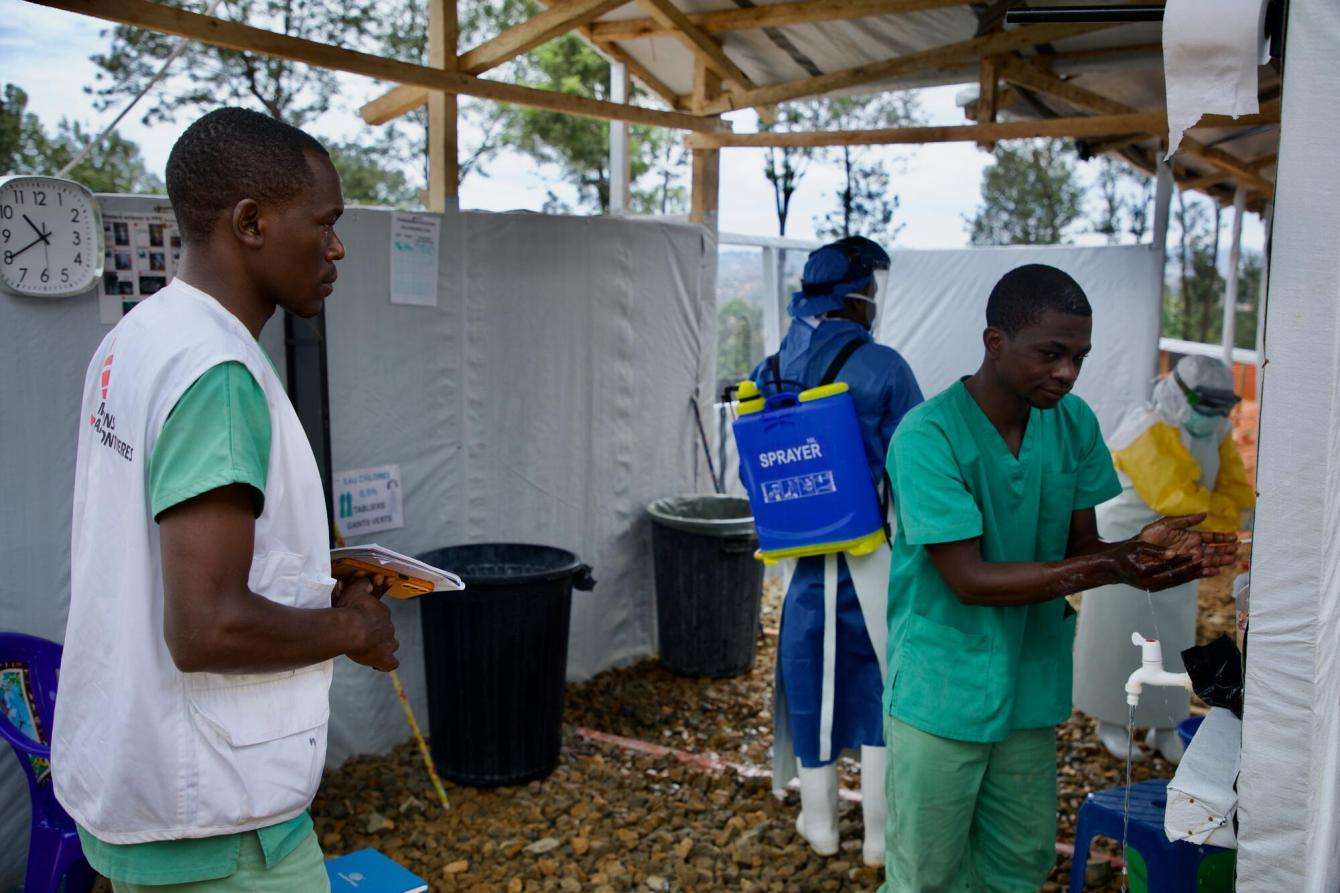
For example, in North Kivu province, the response has been too slow to match the scale of the epidemic, while Haut-Uélé province remains dramatically overlooked. In both provinces, MSF has observed teams that are inadequately resourced to respond effectively, as well as health facilities operating without adequate sterilization capacity, water, chlorine, or triage systems. This has turned some facilities into new centers of transmission, rather than places of care that contribute to stopping the outbreak.
In the Beni health zone, North Kivu province, close to three-quarters of Ebola patients contracted the disease in a health facility. Six months into the response, MSF continues to receive requests for personal protective equipment (PPE) from health facilities and humanitarian organizations, many of which we cannot fulfil.
“Too few responders are operating beyond the initial hotspot to tackle the spread of the virus in other hard-hit parts of the country,” says Abdelmoneim. “Meanwhile, private health providers, such as clinics, hospitals, and pharmacies, as well as traditional healers, remain largely forgotten from the response plans. Yet they are often first point of contact for people seeking care — and too often where they get infected. The response must be adapted to this reality. Otherwise, we risk spending years constantly playing catch-up with this outbreak.”
Over the past six months, the Congolese authorities and their international partners have achieved tangible results: Diagnostic capacity has been strengthened; isolation and treatment units have expanded; community engagement activities have increased; and trials have been launched to identify treatments and develop vaccines.
Yet the shortcomings of the Ebola response remain profound and largely unaddressed, despite being widely acknowledged. The Congolese authorities have announced measures aimed at strengthening oversight and transparency in the activities carried out by the different stakeholders involved in the response in order to provide a clearer understanding of how resources are being allocated and used. Commitments and announcements must now translate into concrete change on the ground.
With the outbreak surpassing 11,000 cases and over 5,000 deaths, the need for action is urgent. The Congolese government and United Nations agencies must ensure that the resources already mobilized translate into an effective response. This means strengthening oversight and accountability, ensuring that response personnel are properly trained, paid, equipped, and supported, and directing resources towards the areas where needs are greatest.
“This is not just a question of operational effectiveness — it is also a question of restoring trust among communities that have already paid an enormous price,” says Abdelmoneim.
How MSF is responding to the Ebola outbreak in DR Congo
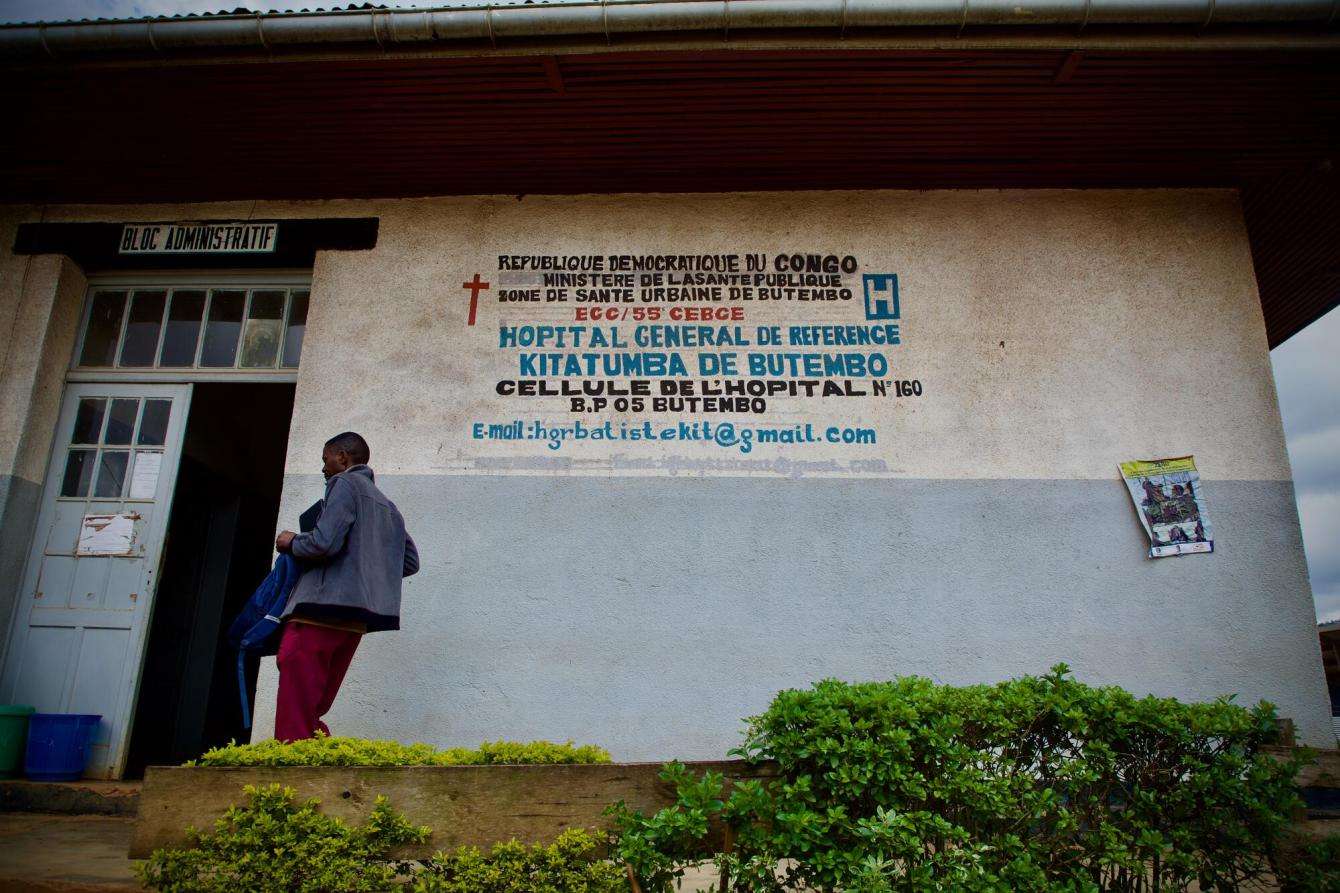
MSF was among the first organizations to support the Congolese authorities following the declaration of the outbreak on May 15, 2026. Over the past six months, MSF teams have been involved in setting up treatment centers and isolation facilities, strengthening infection prevention and control in health care facilities, conducting surveillance and community awareness activities, and sending rapid response teams to reach newly identified hotspots.
As of early November, MSF's response covered five of the eight affected provinces. Teams continue to operate eight Ebola treatment centers, with three rapid response teams available.
Over the past six months, approximately 1,500 patients with confirmed Ebola infections have been admitted to MSF-supported facilities. MSF has allocated more than $70 million to our Ebola response, funded almost entirely through private donations. Nearly 2,900 people, both working directly for or financially supported by MSF, are involved in these activities, approximately 90 percent of whom are locally recruited.
Get breaking updates about Ebola disease.

Story Nov 12, 2026
Behind the mask: Meet the people on the front lines of the Ebola respo...
Read more