
In Mabalako, a rural health zone in North Kivu province, Democratic Republic of Congo (DRC), the ongoing Ebola epidemic has taken a heavy toll on the fragile health system. Many doctors and health workers have been hired away by the internationally funded Ebola response, leaving health centers and the regional hospital short of staff and financial support, with potentially deadly consequences.
In four health facilities, Doctors Without Borders/Médecins Sans Frontières (MSF) teams work to improve access to primary health care and reduce the risk of infection within hospitals in the midst of an active Ebola transmission zone.
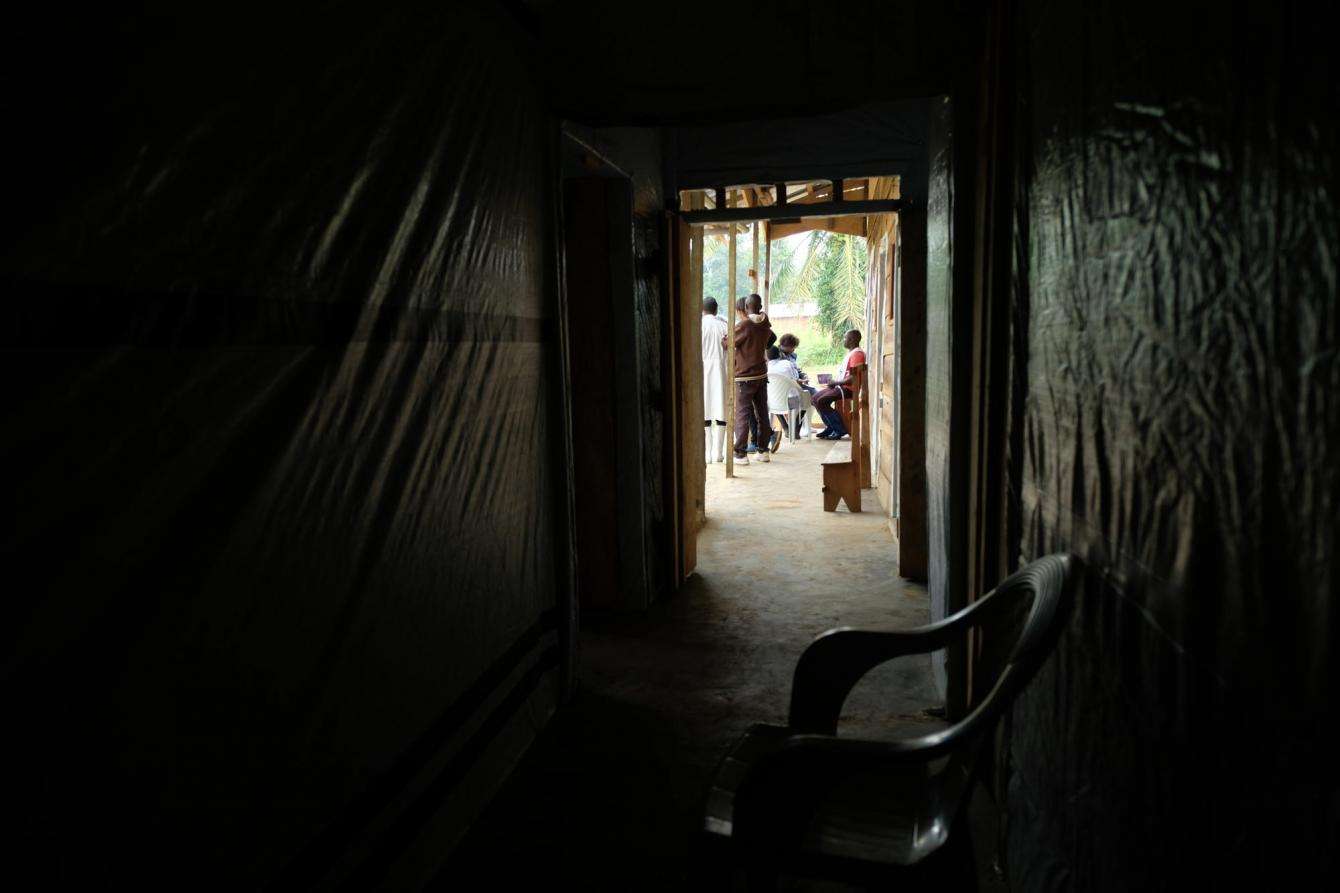
At first glance, the small clinic of Metale looks more like an outpost than a health center. An MSF team refitted the interior of the wooden building, which now contains consultation spaces, several beds for patients, a maternity unit, a pharmacy, and a laboratory. In a small, weathered building next door, the old maternity unit with a simple wooden delivery table is still in use.
Driving to Metale is a long journey through the countryside of Mabalako—and through the active Ebola transmission zone. It is here, in the Mabalako health zone, that the outbreak started more than a year ago in August 2018. Nearly 400 cases of Ebola have been confirmed in this zone alone, and more than 300 people have died from the disease.
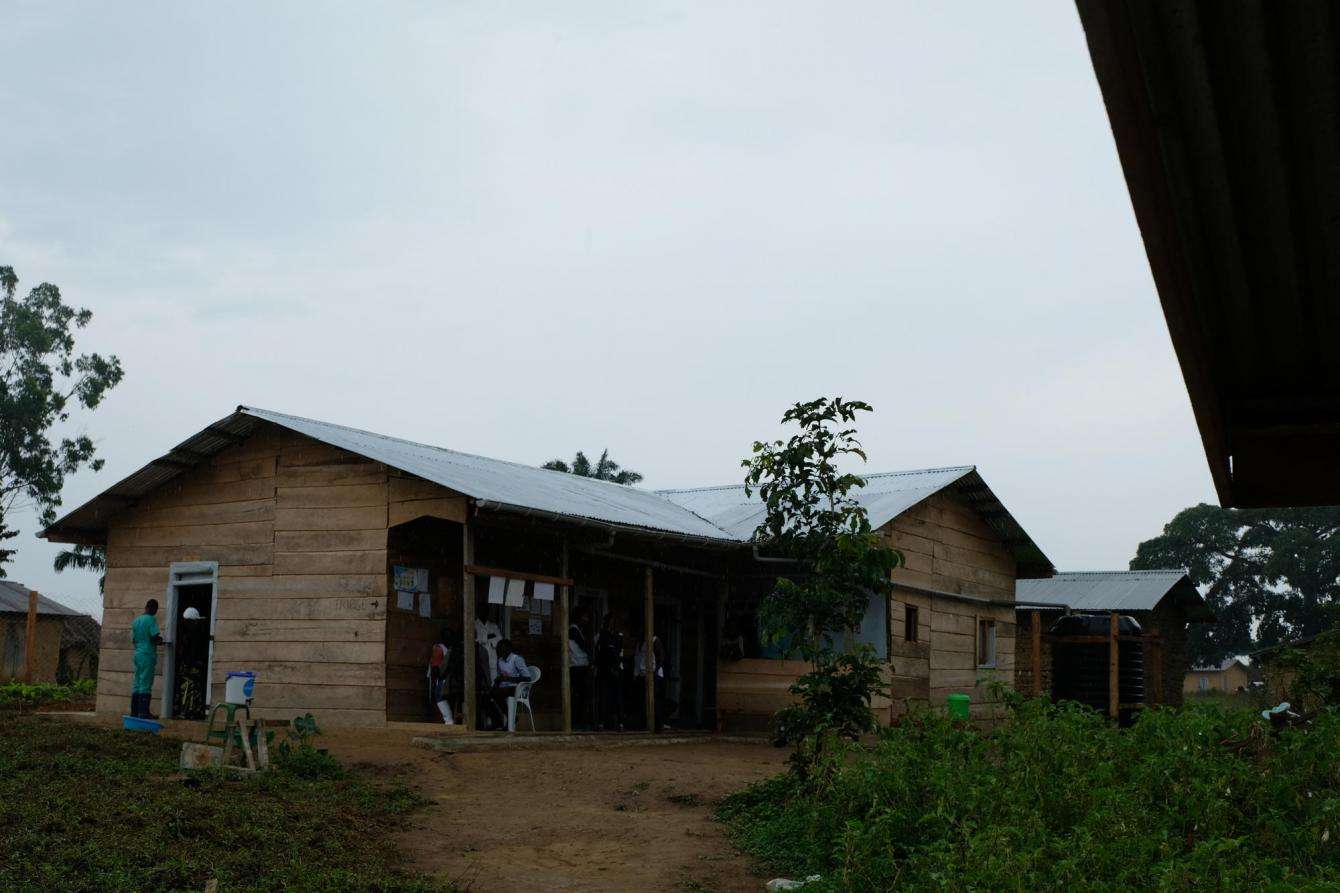
“We have fitted a tank collecting rainwater from gutters, installed new latrines, and built a disposal area with two secure tanks to safely dispose of medical waste or contaminated items,” explains Isai Sanou, an MSF water, sanitation, and hygiene specialist. Clean water and safe hygiene standards are essential for preventing and controlling infectious diseases, in addition to benefiting the maternity and laboratory services.
Health posts and centers like the one in Metale make up the fabric of the Congolese health system. They are the first line of primary health care for people in need of medical advice or treatment. Common infectious diseases like malaria, measles, or cholera are often diagnosed and treated here, and many centers have small maternity services or pediatric wards. Patients with complications or severe injuries are referred to bigger facilities or to the general hospital in each health zone.

But the health system, already under-resourced before the Ebola outbreak began, has been weakened even further as the disease spreads. There is no electricity in Metale, and no refrigerator to store much-needed vaccines for potentially deadly diseases like measles, diphtheria, or tetanus. Several vaccination campaigns in North Kivu have been put on hold or delayed as attention and resources are diverted to the complex fight against Ebola.
For health centers and hospitals in the region, the scale-up of the internationally funded Ebola response is both a blessing and a curse. Ebola response teams and international organizations setting up isolation and treatment facilities often improve infrastructure, pay for additional staff, and support primary health care services. But the local health workers needed in the Ebola response are almost exclusively hired from facilities in the area, which are now facing critical gaps in personnel.
At the General Hospital in the main village of Mabalako, this gap is strikingly evident. Over half of the doctors and nursing staff are missing, and in the four wards around the big courtyard no one has sufficient time to tend to patients. As pay for health workers participating in the Ebola response tends to be higher and more reliable than at the regional health facilities, many of the remaining staff at the hospital are disappointed that they were not selected, and morale here is low.
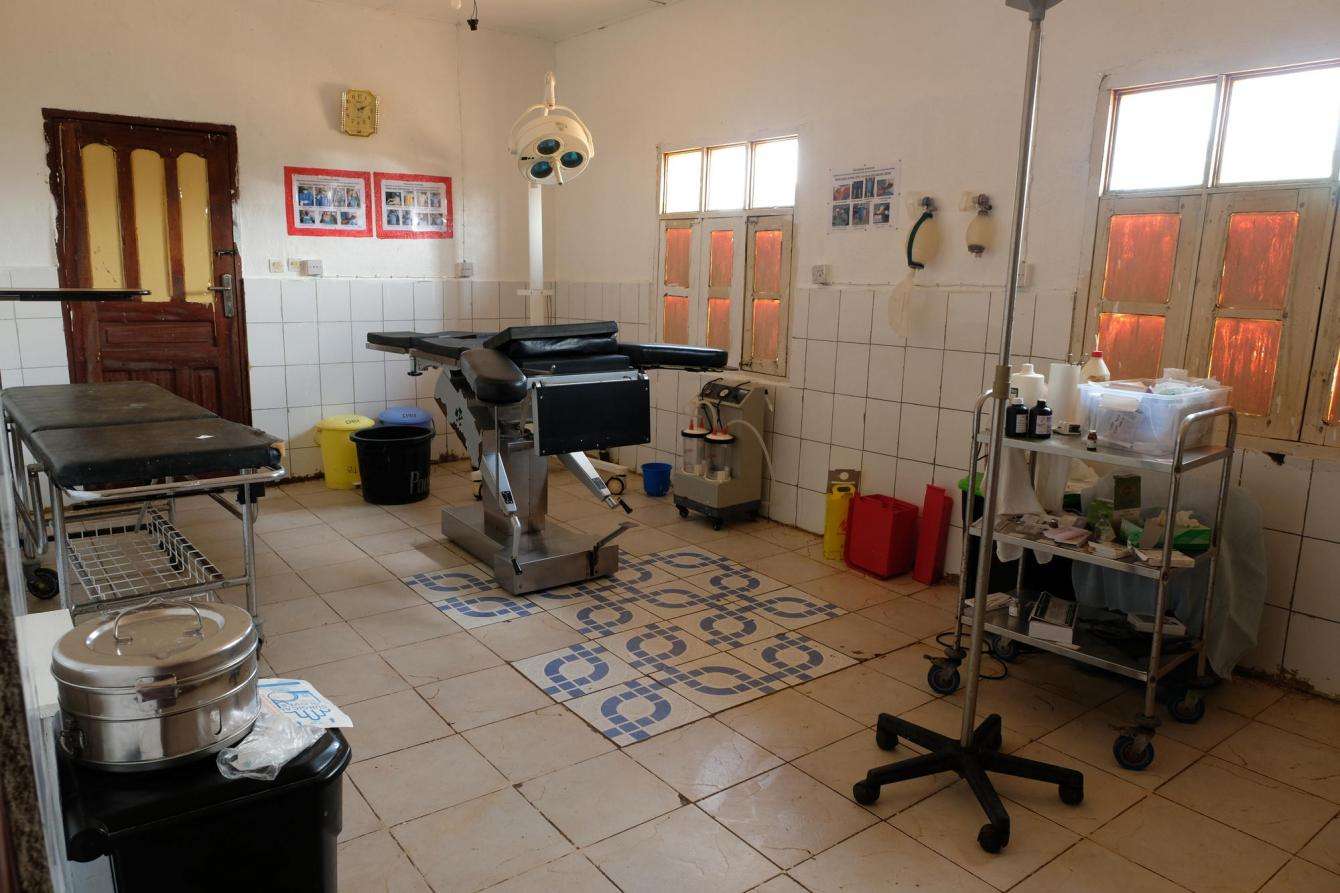
In the hospital, the staff shortages, lack of supplies, and low or missing salaries can be a deadly mix. “We lost children in the pediatric ward because they were not put on the correct malaria treatment straight away, an error that could have been avoided with the right human resources and more vigilance,” said MSF doctor Brian Da Cruz, who is supporting the two remaining doctors in charge of an operating theater, maternity department, pediatric clinic, and a regular ward with more than 40 beds.
The hospital also has a basic isolation zone for patients suffering from infectious diseases, but the small structure has no changing rooms, no decontamination zone, and there is no safe access for families to visit patients. As patients with suspected cases of Ebola are taken to another, better-equipped structure, isolation rooms are currently used to observe four children with measles, a vaccine-preventable but highly infectious disease that is currently rampant across DRC.
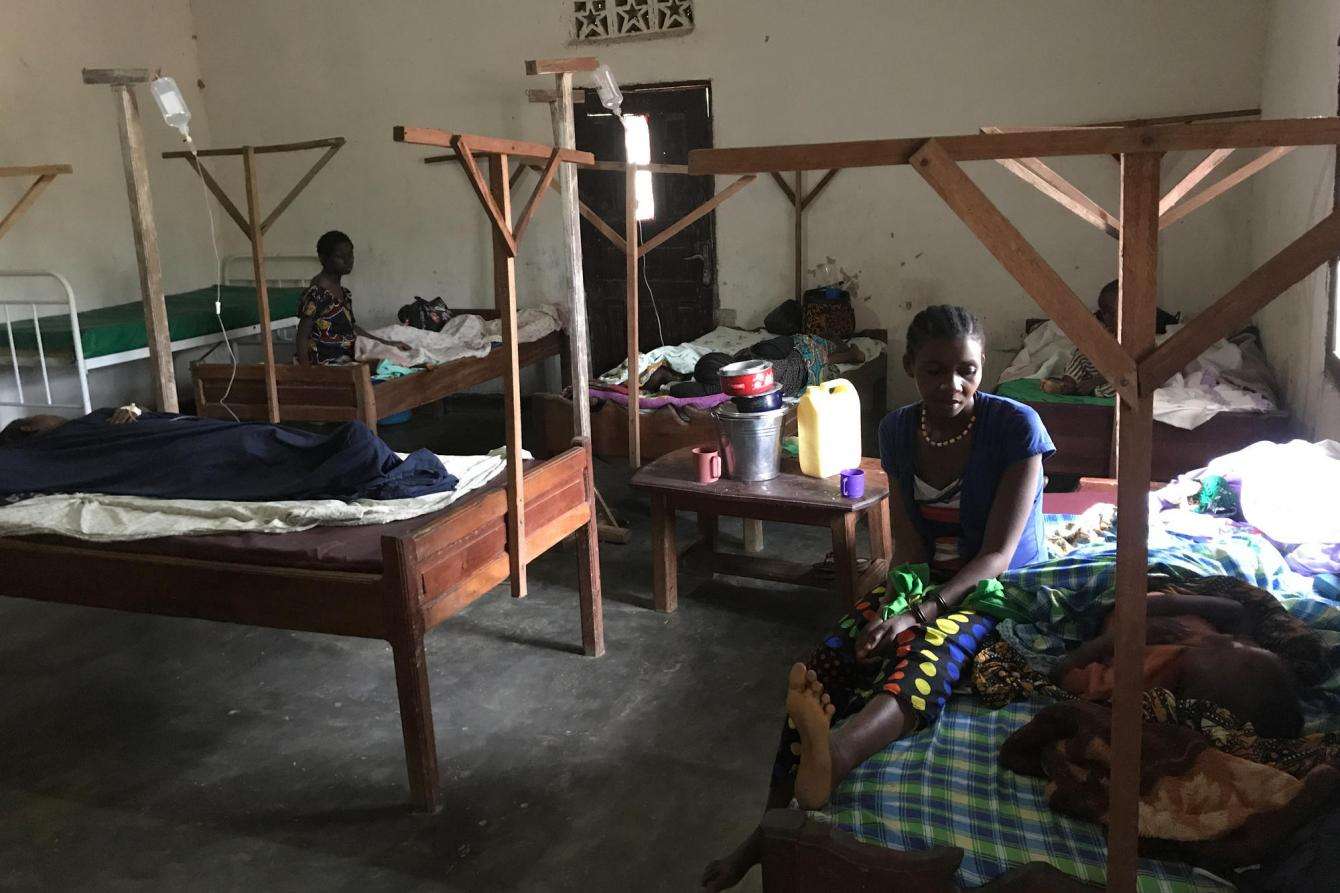
While MSF’s support mostly focuses on improving infrastructure and working alongside the remaining staff in health centers and the regional hospital, the team is currently evaluating a different model that includes a regular payment scheme to supplement staff salaries and offer bed-side training. “We are discussing [how] to play a stronger role in the hospital and the three health centers we support by taking supervisory responsibility, offering trainings on the job, and ensuring patients have access to free care while staff is getting paid,” explained MSF project coordinator Amandine Colin.
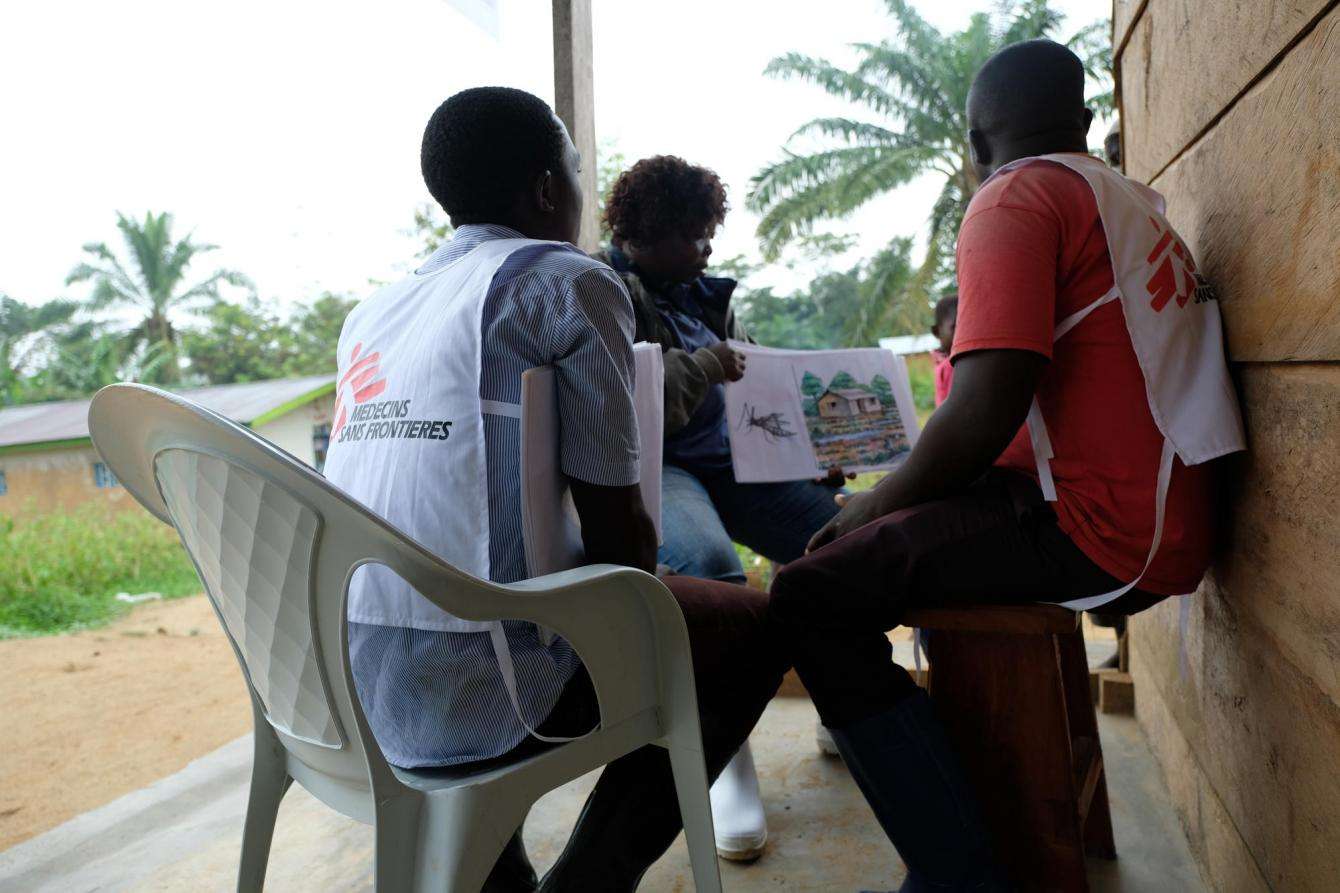
Back in Metale, MSF community outreach specialist Wivine Bokotogi hands a set of flashcards on malaria prevention and treatment to two local health promoters. Malaria is another major disease at risk of being neglected as both national and international attention and resources focus on Ebola.
In DRC, malaria accounted for 13 percent of deaths in children under five years old in 2016, and up to half of the people screened in Ebola treatment centers last year tested positive for the parasitic disease. “We train the local health promoters on key messages to prevent malaria, including instructions to cover stagnant water sources, use mosquito nets, and take children to the nearest health centers so they can be treated in time,” said Bokotogi.
Though substantial resources and expertise are being deployed to fight the second-largest Ebola epidemic in history, the response must not come at the expense of other lifesaving health care services in DRC.


Story Jul 23, 2024
MSF calls on Gilead to make groundbreaking HIV prevention drug afforda...
Read More