
The intensification of conflict in Myanmar since October 2023 has led to a lack of humanitarian access to areas where people need urgent assistance, as well as a decimation of the health care system and increasing fears of military conscription or forced recruitment by other armed groups.
The normalization of the prohibition of humanitarian access is alarming. Doctors Without Borders/Médecins Sans Frontières (MSF) teams in Myanmar have witnessed a near-total absence of humanitarian assistance for communities who rely on it, including the Rohingya people, a persecuted minority trapped by movement restrictions and lack of legal status, which is particularly affected by the conflict.
Since November 2023, all organizations delivering health care in Rakhine state have been denied authorization to operate, while movement across the entire country is heavily restricted and unsafe. In northern Rakhine state, two township hospitals have been forced to close, and there is now virtually no secondary health care available for vulnerable communities.
MSF has been forced to suspend or reduce regular activities, including running 25 mobile clinics in Rakhine state where staff typically provide 1,500 patient consultations per week. During March 2024, MSF provided only 81 consultations. This severe disruption to the emergency referral process has caused numerous fatalities, particularly among pregnant mothers and babies.
Nimrat Kaur began working as a project coordinator for MSF in Maungdaw, Myanmar in mid-April 2023, just before Cyclone Mocha hit last year. She has seen firsthand the challenges faced by people living there. Upon leaving Myanmar, Nimrat shared her experience and that of her colleagues, reflecting on the events she witnessed and the impact the project has had on people’s lives.
What did you witness in northern Rakhine state?
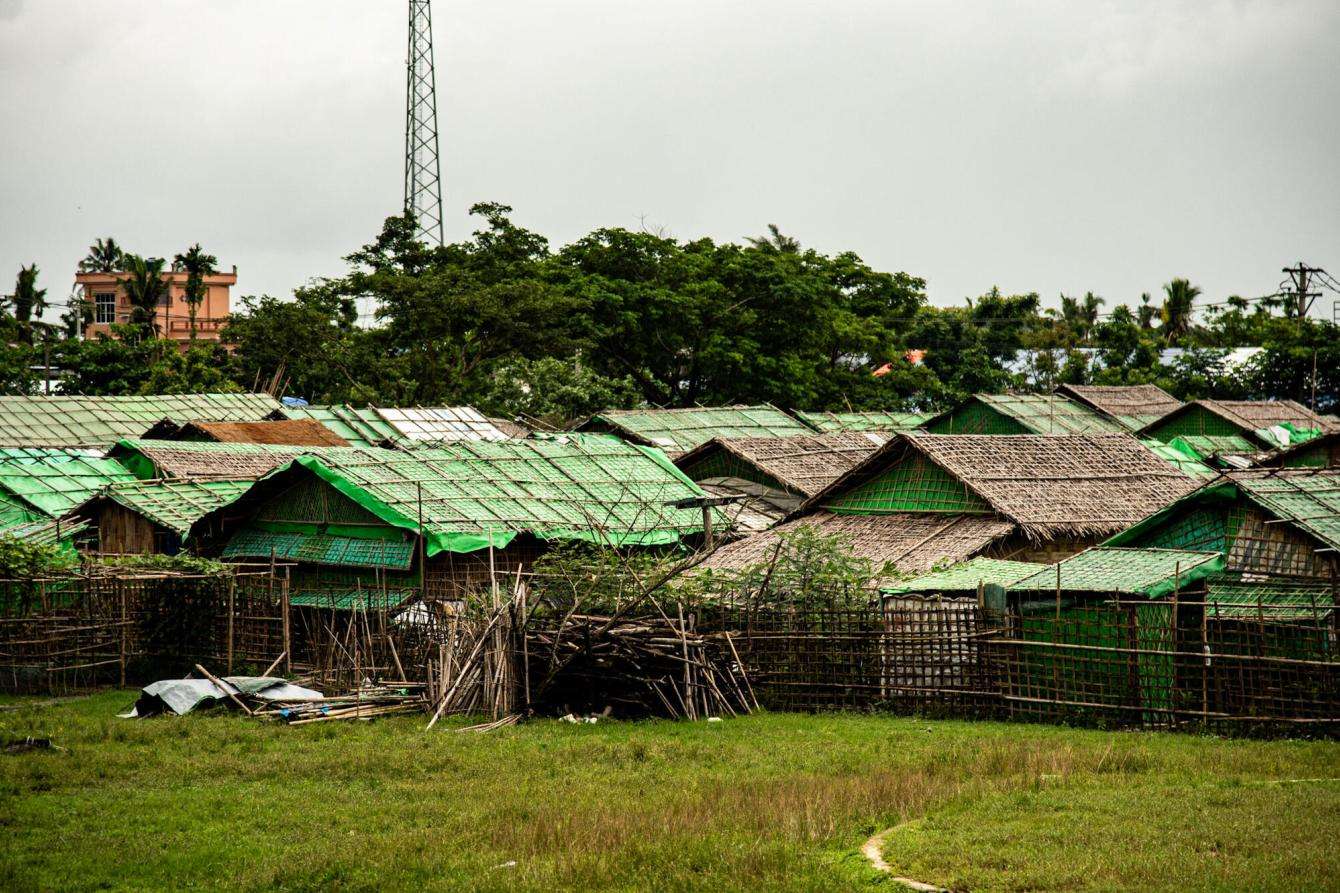
Since November 13, 2023, we have seen an escalation of conflict in Rakhine state and the townships of Maungdaw, Buthidaung, and Rathedaung have been cut off from the rest of the state. People were locked out and blocked in. Communities were not able to move across the state, and supplies could not [pass]. I don’t just mean health care supplies, but basic life-supporting supplies like food, fuel, and water. These kinds of things have been restricted, which led to whatever supplies were available becoming inflated in price. There were some fearful days, and we had to move the team to the safe room almost three or four times one day.
How has MSF been supporting communities in this area?
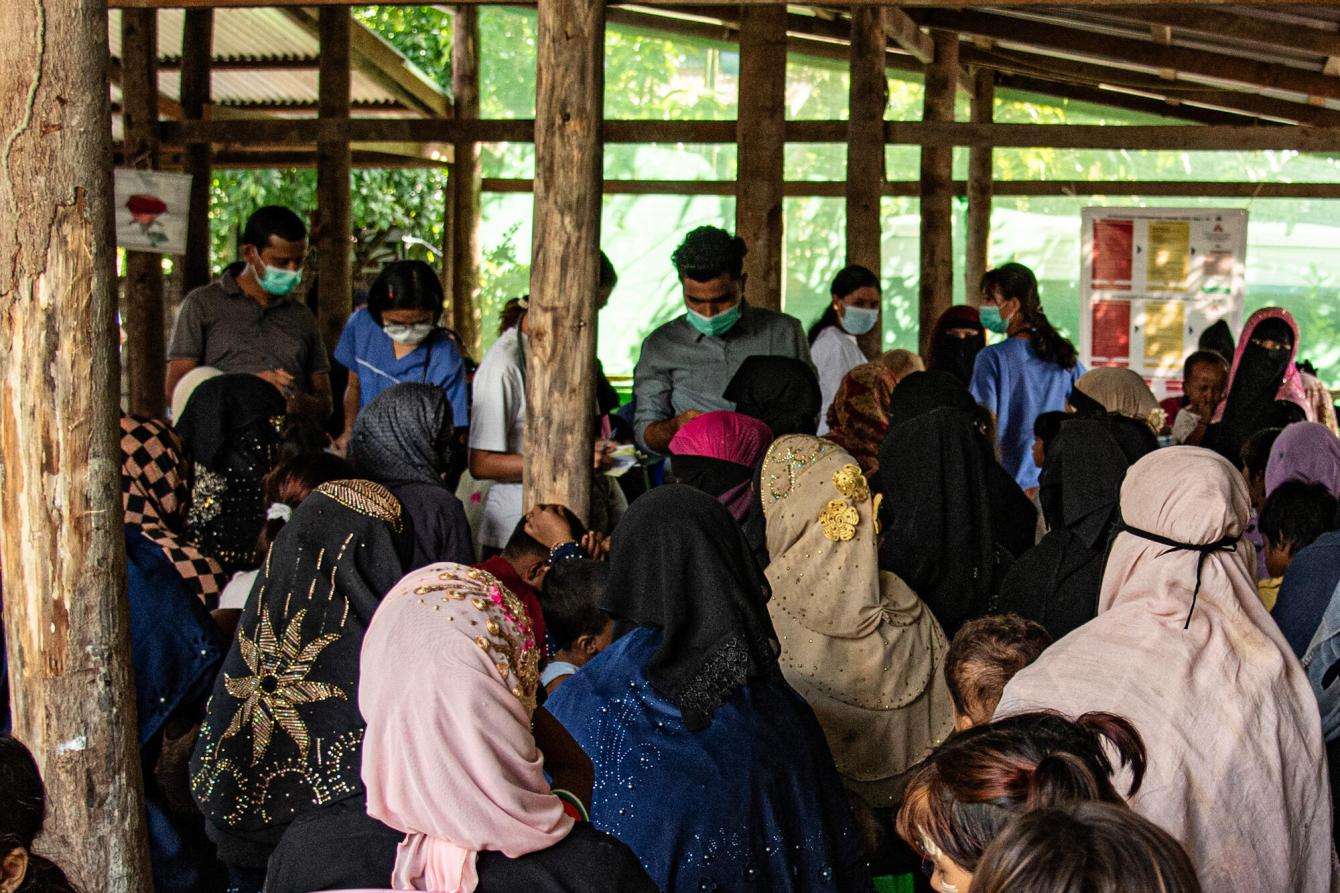
Usually, in northern Rakhine, we provide [care through] mobile clinics. This is where a mobile team of doctors, nurses, and other staff go to rural areas far off from the main town. Since the conflict started, we haven’t been able to run these clinics. This is because of the increased insecurity and because we did not receive authorization. People in the areas we usually visit already have very limited access to health care. We’re extremely concerned about the impact of having no access to essential health care for people who usually rely on our mobile clinics for medical services.
How has the conscription law affected people in northern Rakhine?
Three months into the latest eruption of conflict, the conscription law was announced in the country. The law states citizens are expected to serve in the armed forces for anything from two to five years. I’ve seen how this has affected everyone. Rakhine communities have been trying to leave the state and go to Sittwe or Yangon and find refuge somewhere. Unfortunately, my Rohingya colleagues and the wider Rohingya community do not have the paperwork to move outside of their own village, so I really wonder what is going to happen to them and I am really worried about their safety. I could see the change in the staff’s understanding of what is happening in the country—that the conflict is now at another level.
Why is the Rohingya community particularly vulnerable?
In Rakhine state, it’s a mix of ethnicities. There are Rakhine, Rohingya, and Hindis. Arakanese are citizens of Rakhine, but the Rohingya were stripped of their citizenship in 1982.
Generations of Rohingya people have really struggled for what they have now. You cannot understand how challenging and limited life is for them.
In our team, we have Rohingya staff, some of whom have been able to get a citizenship card, but this is an exception and not the case for most. Other Rohingya staff [from the] same team, same age group, and same village, do not even have a national identification card or a basic yellow card, which is needed to move even just within their own village.

For Rohingya staff working in Maungdaw, it takes months to be authorized to travel from Maungdaw to Sittwe, where the other MSF project is based. It is even longer for the authorization to travel to Yangon because of the paperwork required. For Rohingya staff to travel they need to receive a village administration verification, ward administration verification, police administration verification, and then often other authorizations from other authorities. And then of course, on top of this, you must pay fees, and these fees are not the standard fees people with citizenship cards pay.
Many Rohingya staff in Maungdaw have not seen the other township that they’re working for. The whole time they have been in Maungdaw because they are not permitted to travel. This gave me a sense that these circumstances are very different compared to the circumstances in other states we work in.
What are the current health care options for communities in northern Rakhine?
We haven’t been able to run mobile clinics since the conflict started, and already these communities were vulnerable because of the lack of access to safe health care. We tried to provide a few months' worth of medications to our patients who are taking diabetes or hypertension drugs. We have also supported [them] with teleconsultations, which we have tried to maintain for people who need mental health care. But this also unfortunately could not last for more than a few weeks because since January 10, Buthidaung and Maungdaw have not had any electricity, and with no electricity, there hasn’t been any cell coverage.
The latest blow for people has been the closing of Maungdaw and Buthidaung township hospitals. We’re unsure why Maungdaw [closed], but admitted patients had to leave with no alternative option to go to. Buthidaung closed because it ran out of human resources and supplies. These two township hospitals were our only health care stakeholder left with whom we could work and refer emergency patients to. This has a huge impact on communities here. If the township hospitals are closed, where do people go?
With hospitals shut down, people reach out to MSF and other health care organizations on the ground to support them, but we have had limited capacity in terms of resources. We usually stock up for a minimum of four to five months, but those stocks have not lasted very long. We still don’t have any way to bring in our supplies. Staff have not felt safe working in Maungdaw, Buthidaung, or Rathedaung.
Day-to-day activities are becoming more difficult. We need fuel to run an office so we can have internet and be connected to the rest of our team. It has really affected us to not be able to serve the community we are there for.
I am fortunate I’ve had the opportunity to leave the violence, but there are many who don’t have the opportunity to even move. I really feel for that. That thought really consumes me.