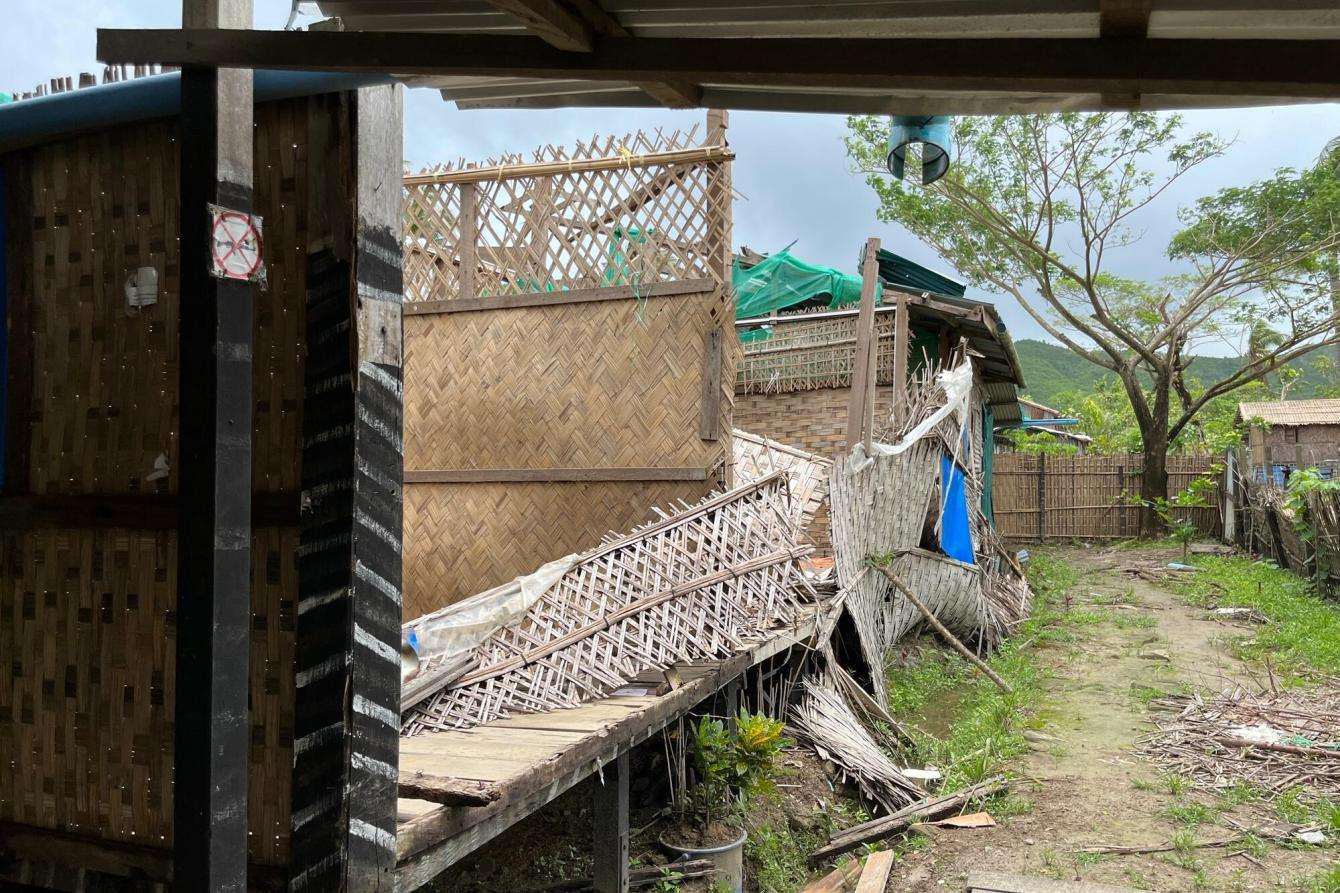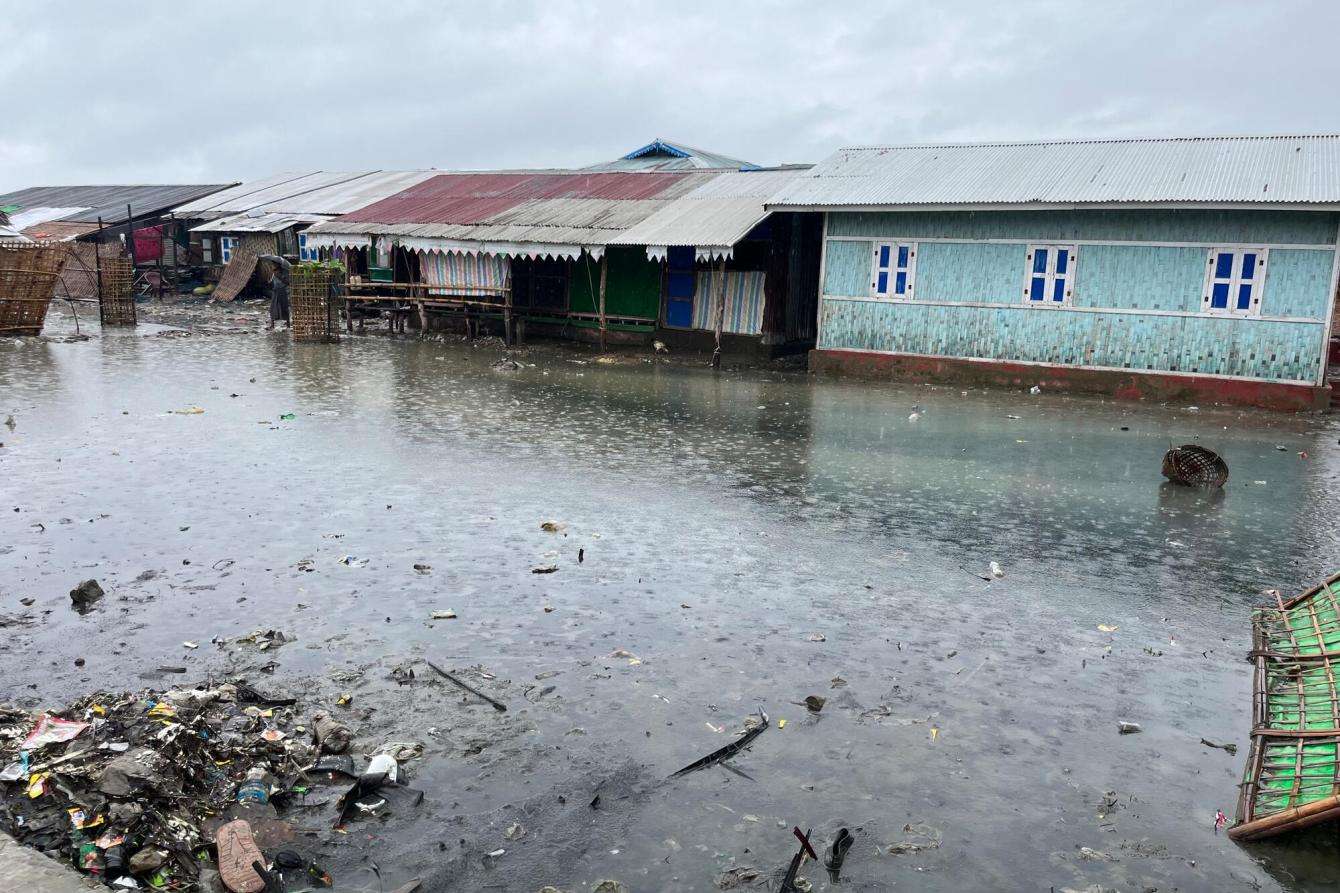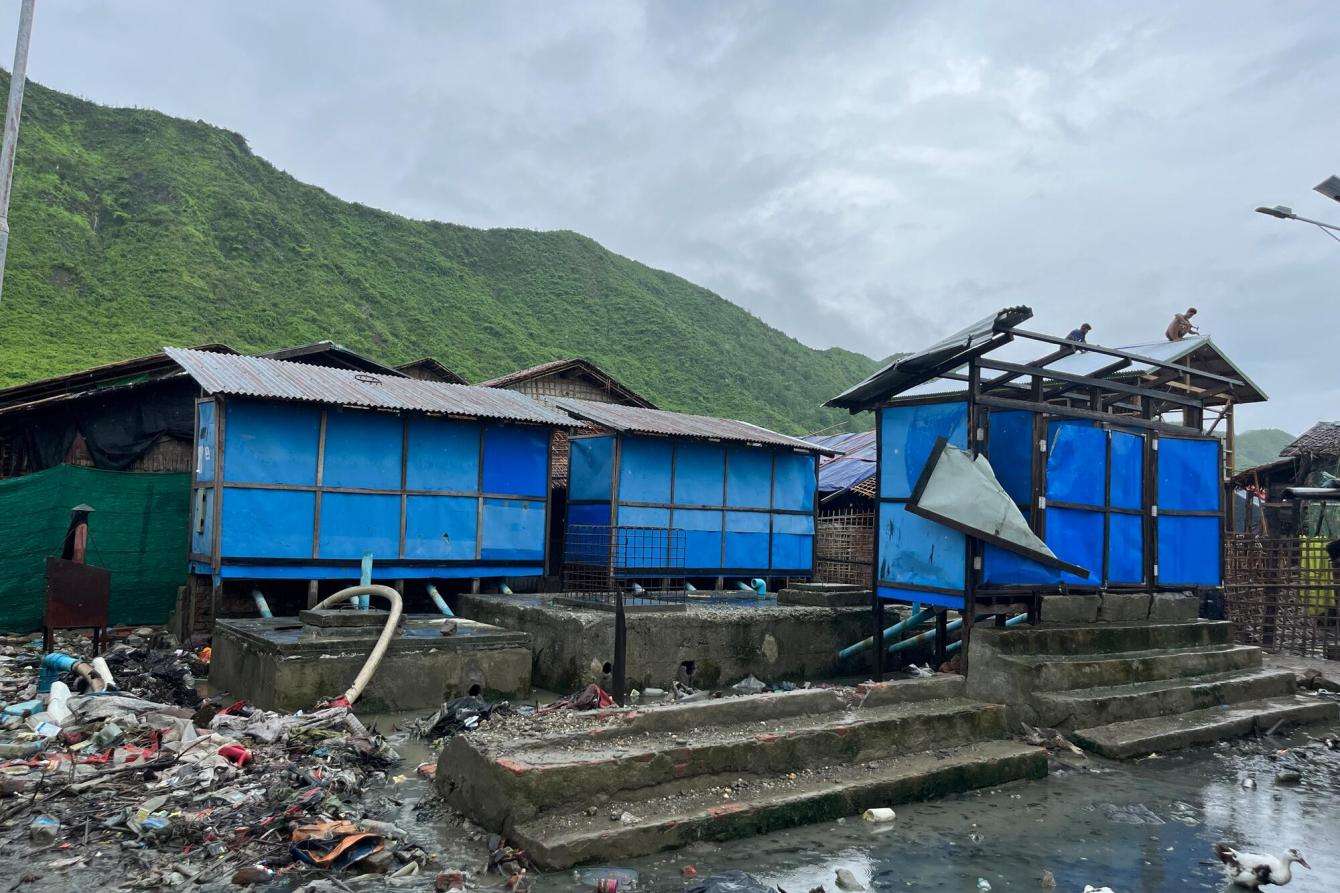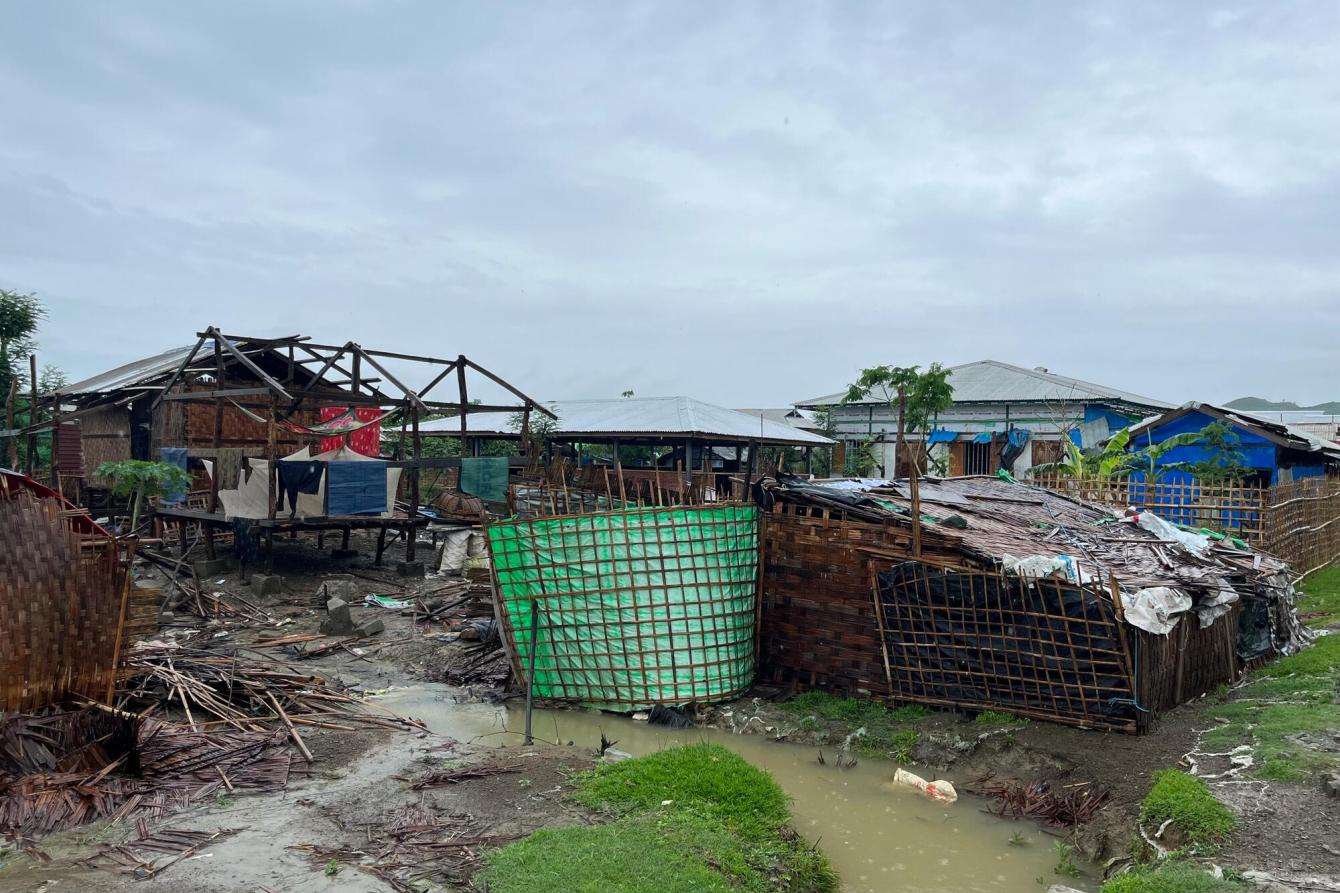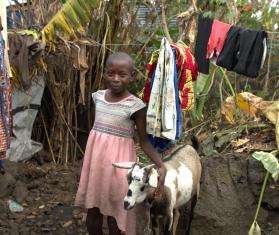

When category-five Cyclone Mocha made landfall in Myanmar in May, it was the largest to hit Rakhine state and the northwest of the country in over a decade. The cyclone left large-scale destruction and impacted an estimated 670,000 people, including thousands of Rohingya refugees living in displacement camps.
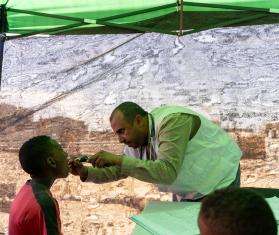
Doctors Without Borders/Médecins Sans Frontières (MSF) teams working in the camp are prioritizing the prevention of waterborne diseases, including by distributing drinking water to 9,000 people per week and repairing destroyed latrines and water systems. MSF has also gradually resumed activities at mobile clinics, and is conducting emergency medical referrals for patients in need of specialized treatment.
“About 85 percent of [one of the camps] is in ruins after Cyclone Mocha wreaked havoc here. All hut-like houses are destroyed. People who live in houses like these are in dire need of emergency aid since they have no place to stay,” said Daw Nu, an MSF community health worker living in Sittwe.