
Amid a drought and severe cuts to humanitarian funding, a surge of children and pregnant and breastfeeding women are arriving in critical condition at malnutrition wards supported by Doctors Without Borders/Médecins Sans Frontières (MSF) in Baidoa, in southwestern Somalia.
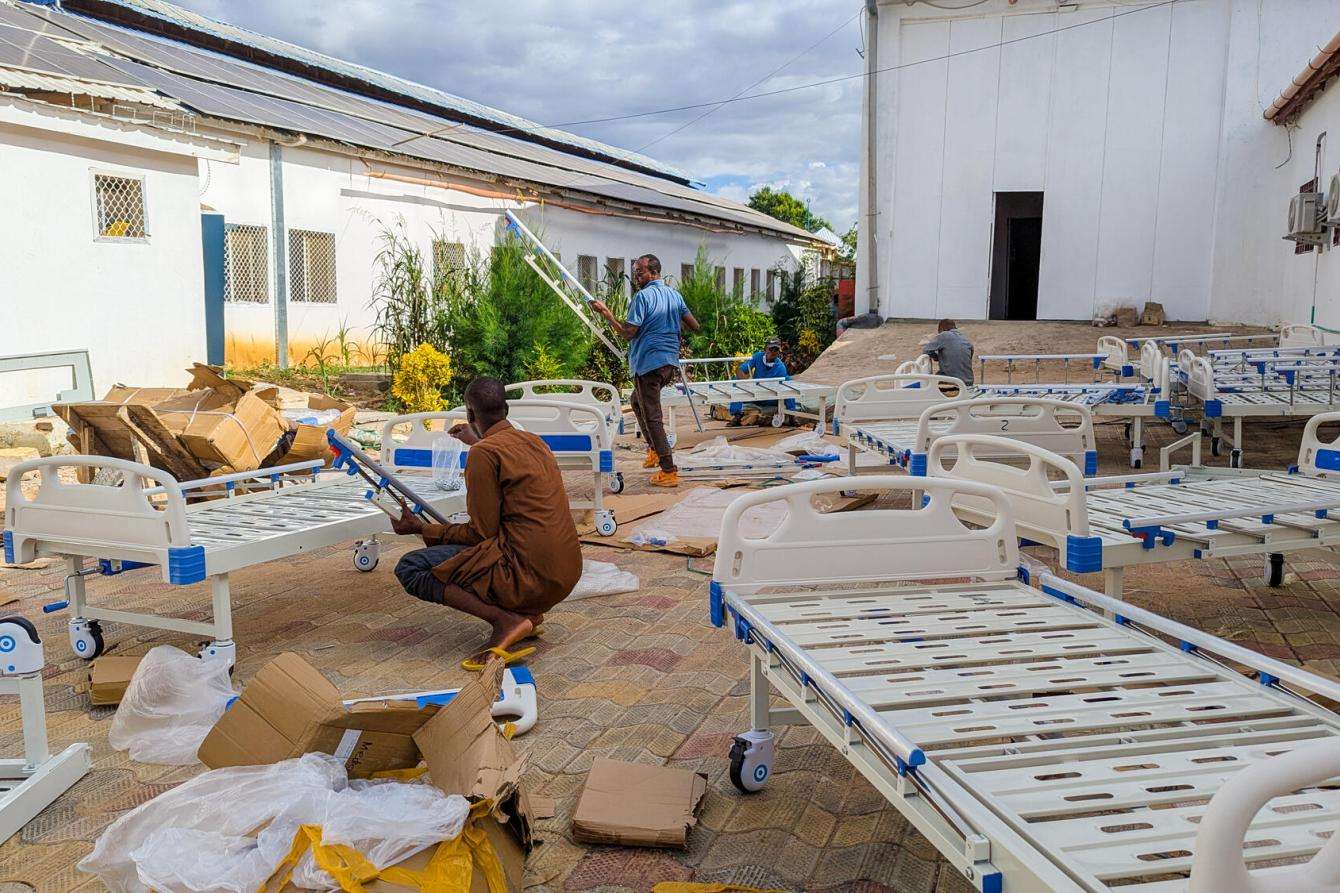
Between March and May, nearly 1,400 patients were admitted to the inpatient therapeutic feeding center at Bay Regional Hospital. Even after expanding from 50 beds to 125, the facility is being pushed beyond its limits as admissions continue to rise. MSF is urgently calling for a rapid scale up of the emergency response — particularly in food distribution and livelihood, water, and nutrition support — before more lives are put at risk.
Admissions doubled between March and April
Monthly admissions to the MSF-supported inpatient wards doubled from 287 patients in March to 572 in April, and remained alarmingly high in May, with more than 500 children admitted. The number of patients admitted in April 2026 was more than triple the number in April last year. Since March, MSF teams have screened more than 4,000 children, finding nearly half of children under 5 acutely malnourished. While malnutrition rates typically rise during the lean season, this year’s levels are the highest recorded for this time of year since 2023.
“Our malnutrition wards in Baidoa are full,” said Allara Ali, MSF project coordinator. “We have turned every available and possible space — including other hospital’s wards, tents, and offices — into treatment areas, yet more children arrive every week, in increasingly critical condition. Families have exhausted every possible coping mechanism with the loss of livelihoods and animal stocks. Many have sold the last of their belongings and traveled for days in search of relief. Without an immediate scale up of food, nutrition, and water assistance, along with livelihood and cash programs, lives will continue to be lost, as is already happening in communities affected by this crisis.”
Drought and humanitarian funding crisis worsen conditions
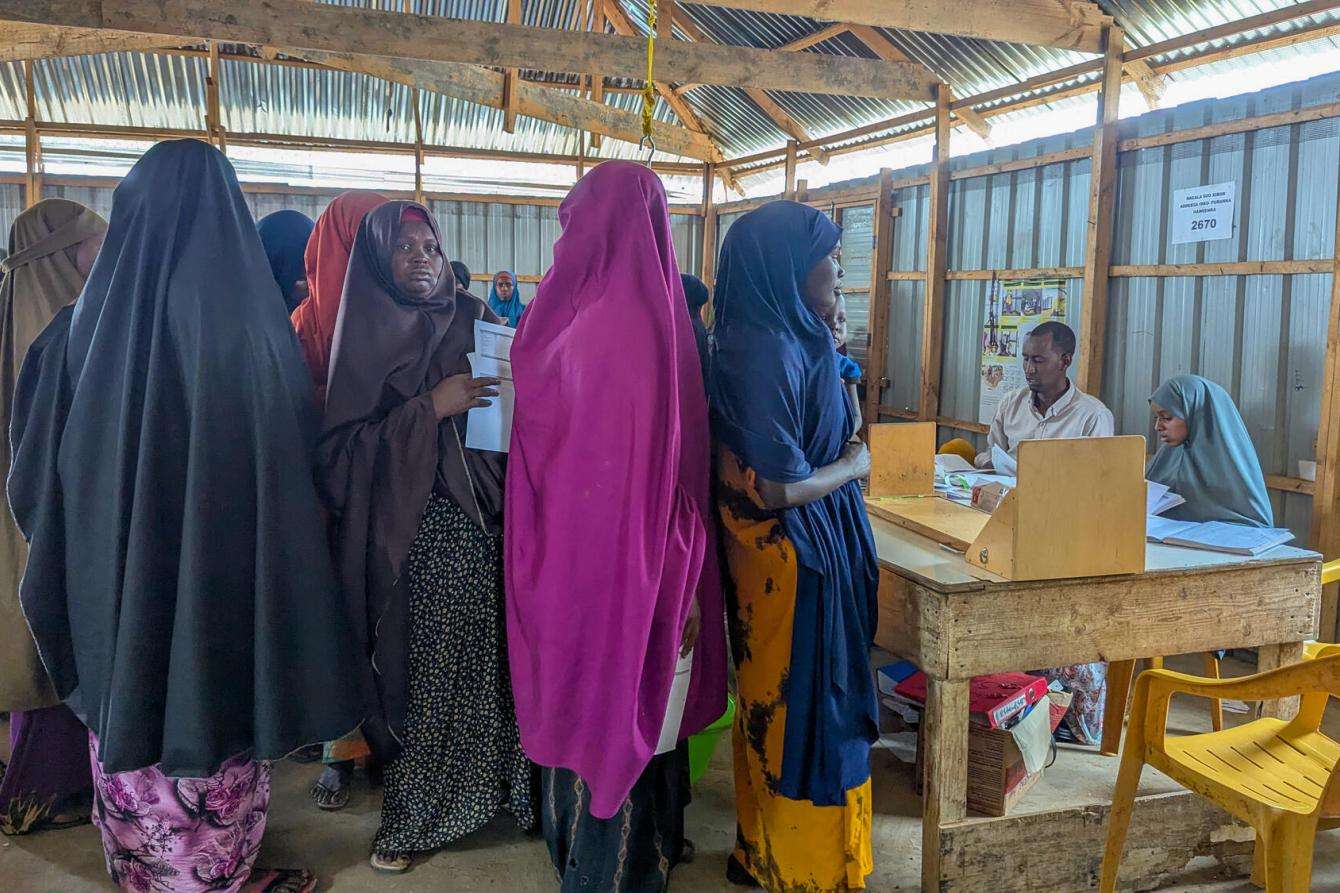
Somalia is facing a deepening humanitarian and hunger crisis following consecutive failed rainy seasons and a prolonged drought. Across the country, 6.5 million people — around 1 in every 4 Somalis — are facing severe food insecurity, with rural areas and displaced communities in Bay and surrounding districts and regions among the worst affected. The impact is now evident in soaring levels of malnutrition, particularly among children and pregnant and breastfeeding women. Funding cuts and shrinking assistance have left families with almost no support. Compared to previous years, food and cash assistance, livelihood support for drought-affected households, and preventive nutrition services are now nearly non-existent.
This nutritional crisis is unfolding alongside ongoing disease outbreaks, including measles and diphtheria. Since April 2025, MSF teams in Baidoa have treated more than 3,200 suspected measles cases, and at least 33 children have died. More than 90 percent of patients admitted had never been vaccinated. Pregnant and breastfeeding women are also arriving at health facilities anemic and malnourished.
From January 2026 to May 2026, 11,800 children with moderate or severe acute malnutrition were admitted to MSF’s outpatient therapeutic feeding center in Baidoa. Nearly 6,000 children were in active care as of early June, and 251 pregnant and breastfeeding women have received nutrition support.
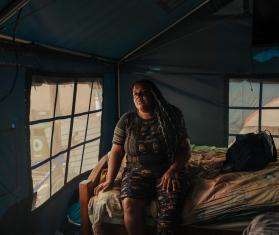
Adegey Ali, a mother of five from Gofgaduud, 18 miles from Baidoa, brought her young daughter to Bay Regional Hospital for the first time after the child had been sick for two months. “We had two years of drought, and the farm gave us nothing,” she said. “We have nothing left. My daughter was burning with fever and her body was swollen. I tried everything at home before bringing her here. It has been a year since we last received any aid or help.”
MSF is scaling up assistance, but more is needed
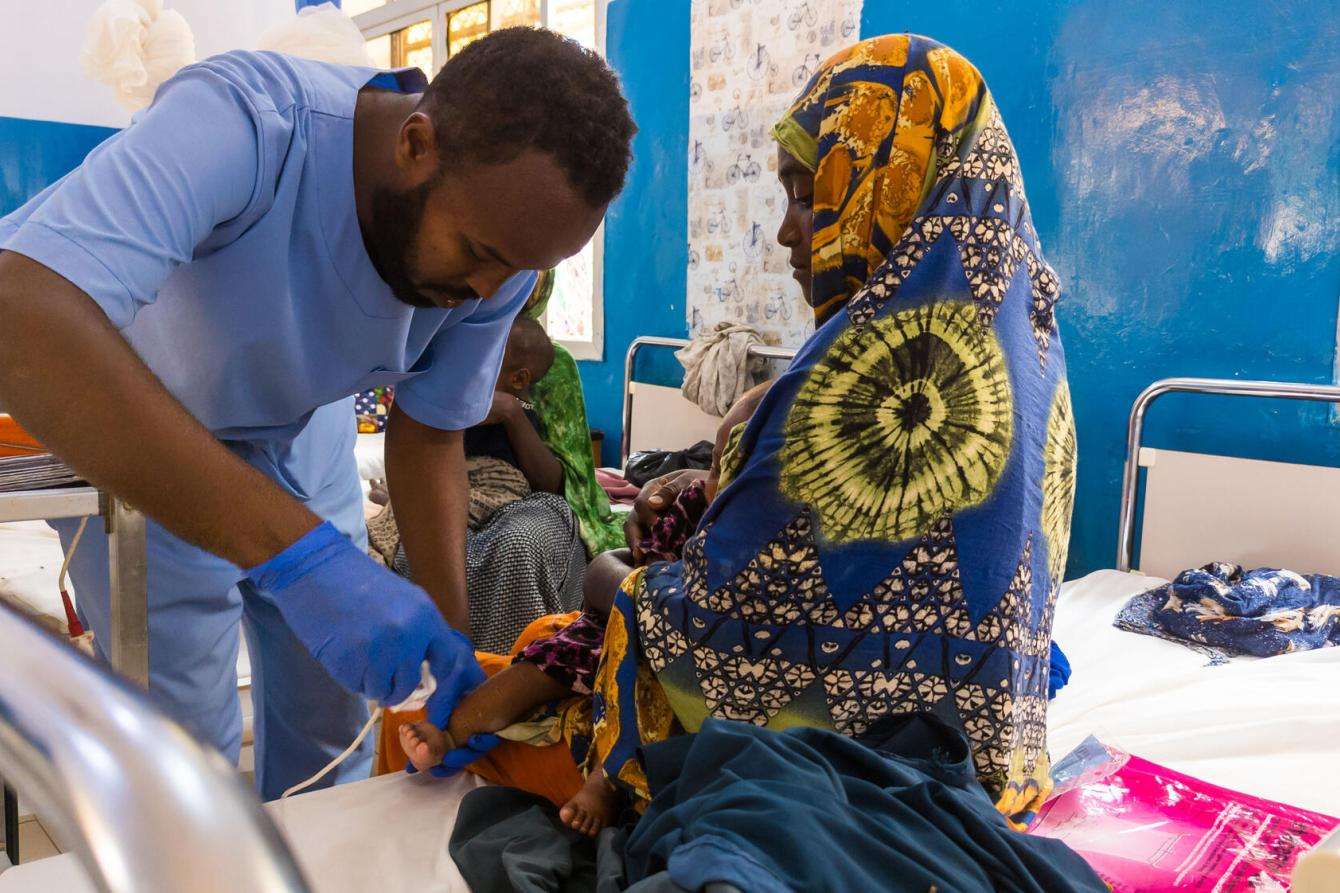
MSF has expanded treatment capacity while scaling up critical water, sanitation, and hygiene activities to mitigate the impact of the drought. Teams are delivering approximately 44,000 gallons of water every day through water trucking to 17 sites across Baidoa. We are constructing 150 latrines and plan to distribute essential non-food items, including jerrycans and menstrual hygiene kits, to support affected families. However, medical care alone cannot turn this around. Children are being discharged from hospitals into the same conditions of hunger, and risk relapsing.
Severe malnutrition is treatable, but too many children reach the hospital already critically ill, were born underweight, or are battling infections and other complications — and for some, it is too late. Outbreaks of measles and diphtheria continue to spread among children who are weakened and unvaccinated.
“We are treating children around the clock, but treatment alone will not stop this,” said Frida Athanassiadis, MSF medical coordinator in Somalia. “We are calling on donors and other organizations to urgently scale up food and livelihood assistance, including cash support for drought-affected households, as well as water provision,” Athanassiadis added. “Nutrition support for children and pregnant and breastfeeding women, expanded treatment capacity, and vaccination efforts must also be urgently increased. Every week of delay costs lives.”