As the world marks World Antimicrobial Resistance (AMR) Awareness Week, Doctors Without Borders/Médecins Sans Frontières (MSF) is calling on governments and funders to better equip communities worldwide to prevent, detect, and respond to AMR in conflict-affected and humanitarian settings. This support must be available before, during, and after times of acute crisis.
It is projected that by 2050, over 1.9 million deaths will be directly attributable to AMR, according to recent analyses published in The Lancet. More than 2 billion people are currently estimated to live in conflict-affected settings worldwide, and in 2025, forced displacement affected an unprecedented 122 million people.
The deadly risks and consequences of AMR are especially acute in these types of settings, where inadequate water, sanitation, and hygiene measures, poor infection prevention and control, and limited access to microbiology, diagnostic capacity, and appropriate antimicrobials like antibiotics contribute to the emergence and spread of drug-resistant infections. The destruction of health care facilities and infrastructure for water and sanitation, shortages of health care workers, disrupted supply chains, and overcrowded living conditions further compound the AMR crisis.
“The global fight against AMR will fail if it leaves behind people who are living through conflict and displacement,” said Dr. Cecilia Ferreyra, infectious diseases specialist and deputy to the international medical secretary of MSF. “We are asking governments and donors for dedicated funding and adapted national AMR plans that include people vulnerable to crises from the start.”
As governments and funders meet this week at the Fourth Plenary Assembly of the AMR Multi-Stakeholder Partnership Platform held in Rome, they must:
- Invest — before crises — in national AMR plans that strengthen infection prevention and control; water, sanitation, and hygiene; stewardship; and laboratories.
- Plan for crises with affected communities to build AMR into emergency preparedness and adapt national AMR plans to protracted crises, implementing context-specific interventions.
- Protect health care to uphold international humanitarian law.
- Include conflict settings in surveillance and research.
- Ensure equitable access to antimicrobials and diagnostics.
“AMR is increasingly becoming a consequence of conflict, displacement, and fragile health systems,” said Dr. Rupa Kanapathipillai, MSF antimicrobial stewardship lead. “In Gaza, facilities designed for 250 to 300 patients a day have received as many as 700, with wound care provided from shared trolleys. In South Sudan, Ethiopia, and Nigeria — where displacement, flooding, and outbreaks hit already stretched clinics — premature babies with sepsis and severely malnourished children are being treated where our antibiograms show high resistance, even in remote areas.”
Going forward, governments must continue to make concrete commitments, including through the planned launch of the Independent Panel on Evidence for Action Against AMR at the 5th Global High-Level Ministerial Conference on AMR in Abuja, Nigeria, in December. Initiatives like this are particularly crucial in light of recent shocks to global health and humanitarian financing that are taking us backward, not forward, in the fight against AMR.
“At the upcoming Ministerial Conference in Nigeria, governments must make concrete commitments and ensure that the Independent Panel on Evidence for Action Against AMR will close critical evidence gaps in conflict-affected and humanitarian settings,” said Pauline Londeix, advocacy advisor at MSF Access. “Meaningful representation of humanitarian actors, affected communities, and low-income countries is also essential to guarantee the Panel’s work responds to the needs of people most at risk.”
Treating AMR at MSF
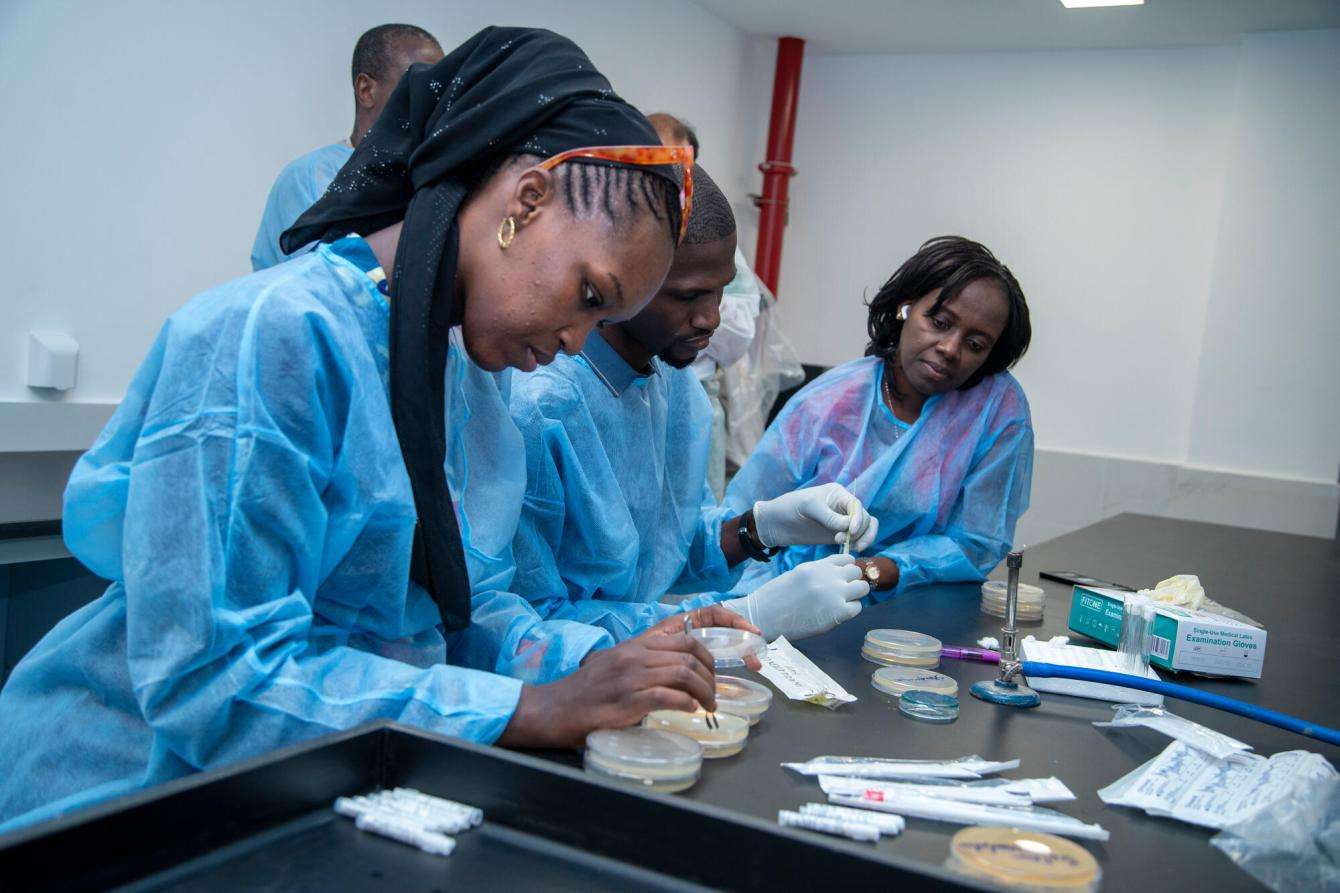
MSF addresses AMR in more than 20 countries across over 50 projects, focusing on infection prevention and control, antibiotic stewardship, microbiology-based diagnostics, and surveillance. Our teams work to strengthen health care workers’ capacity to counter AMR through the provision of quality, people-centered care, including treating patients with severe wounds and drug-resistant infections, malnourished children and newborns with sepsis, people living with HIV who develop opportunistic infections, and others.