
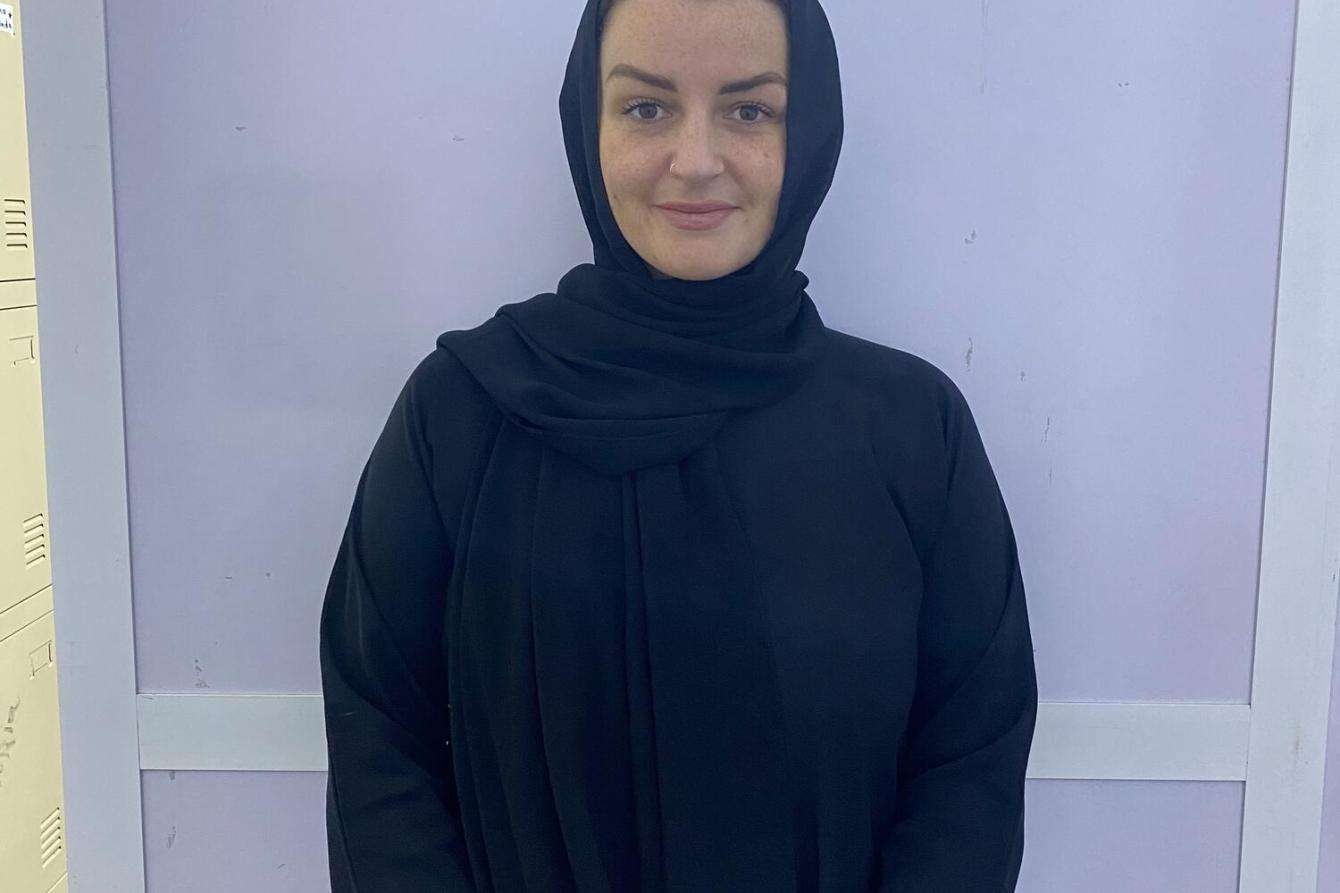
By Rachel Coyle, MSF midwife supervisor
Like most of our patients, 22-year-old Zainab* had traveled a long way to reach our hospital.
Thirty weeks pregnant, she arrived at our hospital fully dilated, expecting premature twin girls.
A case of fully dilated premature twins is certainly urgent anywhere in the world, and here at Doctors Without Borders/Médecins Sans Frontières (MSF)’s mother and child hospital in Taiz Houban, southern Yemen, we have a well-functioning system to deal with urgent cases.
With no options for pain relief, Zainab was strong and determined in her efforts to deliver her babies. They both came out roaring—perhaps the only time a mother is happy to hear her children cry. The room was full of joy and hugs between Zainab and the team.
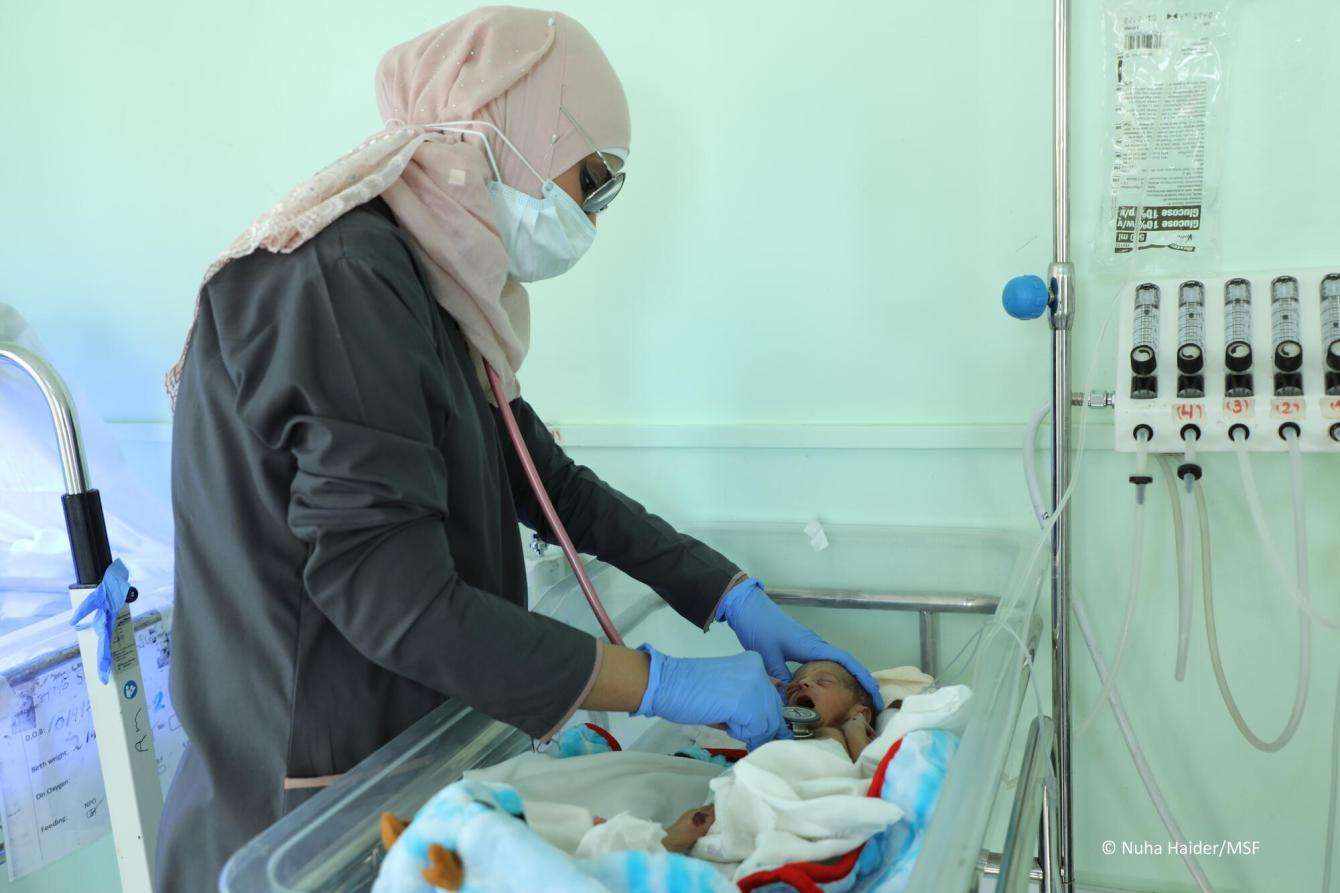
The twins had some trouble with their breathing, however. We took them to the neonatal unit, where we monitored their breathing for a couple of days. I was able to visit them regularly and observe how they improved, giving me much encouragement.
At 32 years old, I left a maternity ward in Dublin for one in Yemen. I am currently working as a midwife supervisor at Taiz Houban hospital, which provides free health care to women and children, especially those in vulnerable situations.
The case of Zainab and her twins represents one of the many achievements of MSF’s work in Yemen. It is wonderful to be able to provide safe care and deliveries in a low-resource setting to both mothers and babies. But the need for high-quality and free reproductive health care remains very high in Yemen.
Years of conflict in Yemen have decimated health care options for women and children
In a country withered by war, where the national health care system has nearly collapsed, I have witnessed children being treated for malnutrition, obstetric emergencies, and trauma stabilization in our hospital's emergency room. Our maternity unit sees more than 500 deliveries per month and 80+cesareans. We also have a family planning clinic, an urgent clinic, and a high-risk clinic.
As a midwife, I have seen what happens to women when they do not receive prenatal care, which is very common in Yemen. Most women here deprioritize prenatal care because it is costly in private hospitals. We commonly see women with severe pre-eclampsia—a potentially dangerous pregnancy complication characterized by high blood pressure—which can be easily controlled and managed when diagnosed early.
Most of our patients with pre-eclampsia present with seizures and require immediate obstetric care. This is the impact of people having limited access to primary health care. Fortunately, our hospital provides patients with the necessary information and medical treatment.
Yemen is a beautiful country with kind and welcoming people. Since the war began more than seven years ago, leading to what is often described as the world’s worst humanitarian crisis, the economic situation has declined and health facilities have been decimated, limiting people’s access to free health care across the country.
Every other hospital in the surrounding area is private and fees are costly, especially considering our patients often have limited financial means. Because of this, our mother and child hospital is consistently busy and truly vital for the community of Taiz Houban.
Living and working here, I can see the effects on Yemen’s people. My Yemeni colleagues tell me stories of what life was like before the war and how Yemen as a country was thriving. The team in our hospital is incredibly skilled and it is a pleasure to work alongside such resilient staff.
*Names have been changed to protect privacy
About Rachel Coyle
Rachel Coyle is a midwife from Dublin currently on her first MSF assignment in Yemen, where she works as a midwife supervisor at the mother and child hospital in Taiz Houban, in the south of the country.


News Jul 26, 2024
ViiV must urgently help get more people on lifesaving HIV prevention m...
Read More