Sameer* was 11 years old when he lost both his parents to HIV. He was diagnosed with HIV himself and started on antiretroviral treatment, but was losing faith that medicine could save him.
Now 16, he receives support from a team of doctors and counselors who have shown him that survival is not just about taking pills, but about finding reasons for hope.
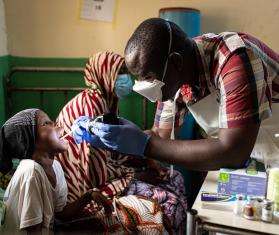
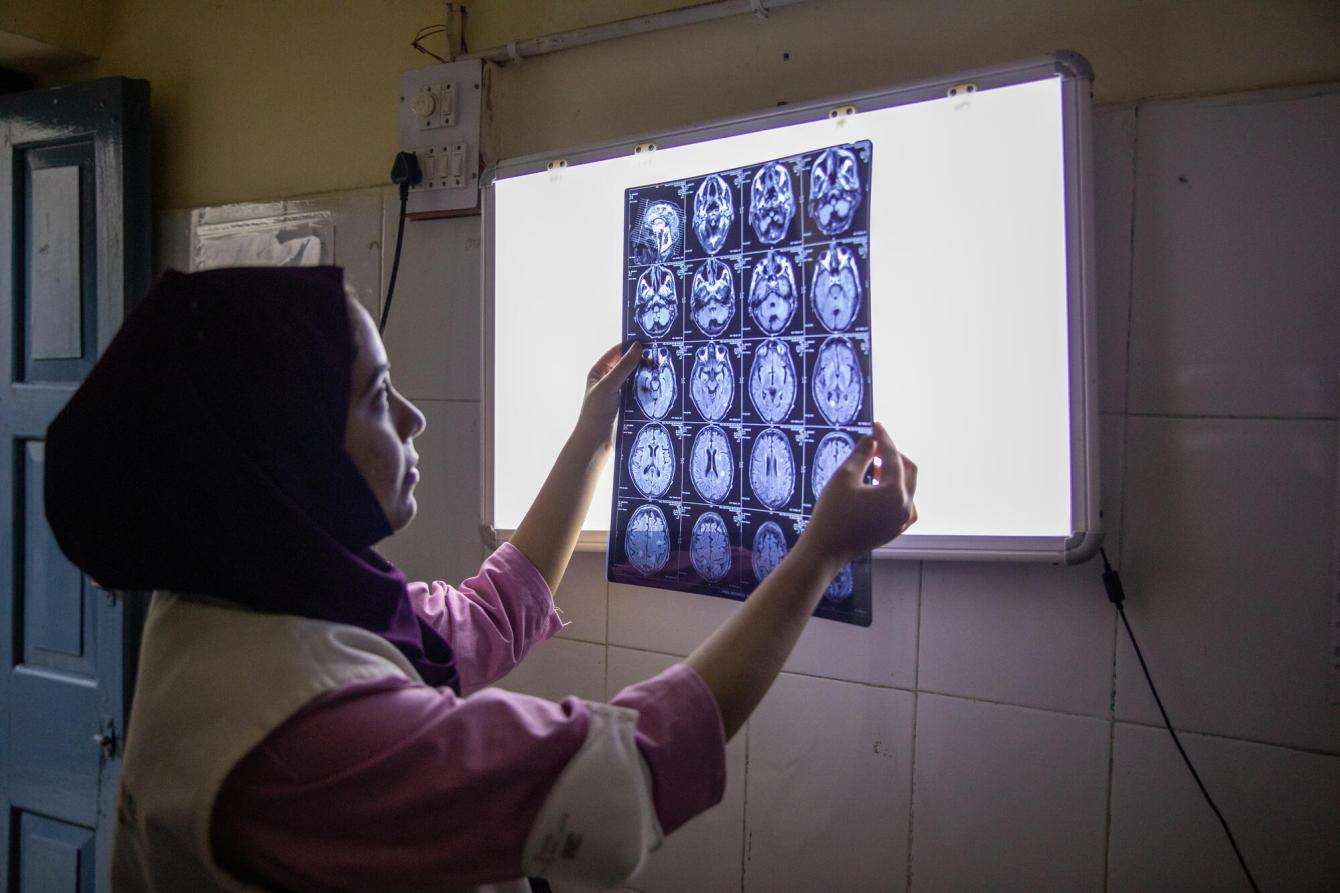
Sameer is a patient at Guru Gobind Singh Hospital in Patna, a city in India’s Bihar state, where Doctors Without Borders/Médecins Sans Frontières (MSF) provides holistic care for advanced HIV. Patients with advanced HIV have an extremely high mortality rate, with complex treatment needs including nutrition, infection, mental health, and psychosocial support.
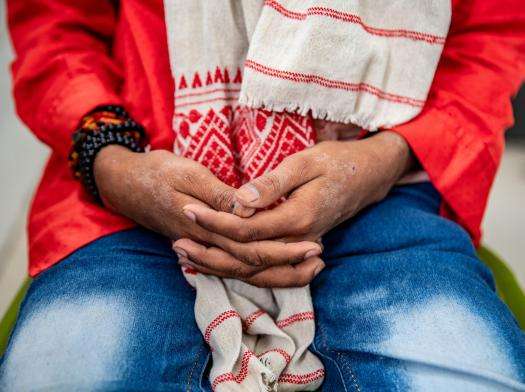
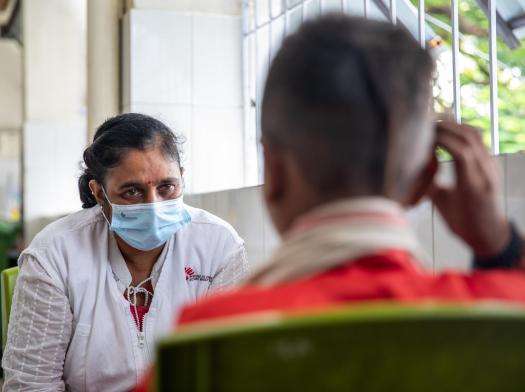
Sameer* talks to counselor Meena Kumari at MSF's advanced HIV care center at Guru Gobind Singh Hospital in Patna. India 2025 © Deepak Bhatia/MSF
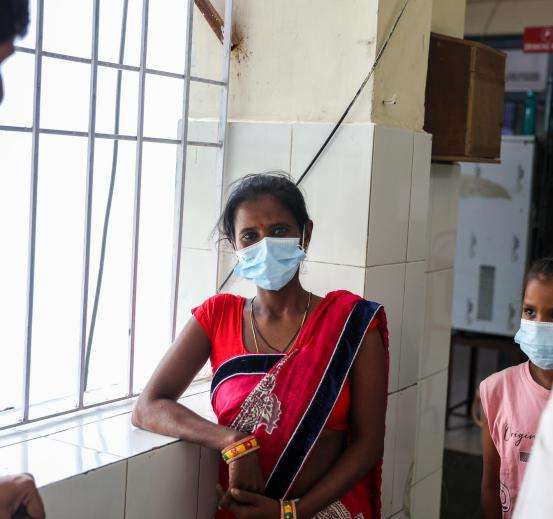
Despite these critical medical needs, seeking even basic health care can be a challenge for people living with HIV in Bihar. Many fear rejection from society, family, and friends due to social stigma, and the financial costs can be prohibitive, especially for those who are unemployed due to their condition. Patients often must bear the high costs of private care, which can result in significant mental health burdens that impact their ability to access proper diagnosis and treatment, and to adhere to their treatment regimens.
To reduce mortality and morbidity, MSF has been working in collaboration with the Indian government to expand access to holistic care for people with life-threatening infections like HIV.
Distance and stigma create huge barriers to care
To reach the MSF clinic in Bihar, Sameer walks a mile from his village, then takes a boat and an auto-rickshaw to Guru Gobind Singh Hospital. The journey takes about three to four hours.
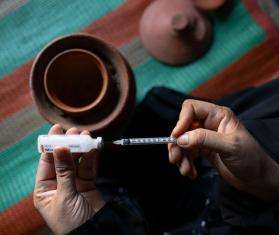
Sameer was diagnosed with HIV as a young child and started antiretroviral treatment following the death of both of his parents from the same disease. Under the care of family members, he struggled to take his medication consistently and did not attend school.
When his health worsened in 2021, he was referred to MSF for specialized care. For a month, doctors, nurses, and counselors provided Sameer with medical treatment and emotional support. He admitted that he had not been taking his medication properly. The MSF team helped him understand the importance of regular treatment and supported him with care and encouragement.
But after his discharge, Sameer’s health declined again. During a home visit, the patient support team found that Sameer had again been hiding his medicines without taking them regularly. He said he doubted that the medicine would work because his parents had died despite taking antiretroviral drugs. As a result, Sameer was admitted to the MSF ward for the second time..
MSF’s patient support program provides people with the knowledge to manage their health and seek care when needed. We also provide mental health care to address the emotional toll of the disease and its associated stigmas, helping patients overcome the sense of hopelessness that many face.
Nisha*, patient living with HIV
“There is hope, and there is life beyond the diagnosis”
Living with HIV has been a difficult journey, but it has also taught me a lot about strength, hope, and the importance of support.
I first started feeling very unwell with fever, coughing, vomiting, and losing weight. I went to hospitals in Samastipur and Darbhanga, but the treatment did not help. Finally, when I came to MSF’s advanced HIV care center, I was diagnosed with HIV. I was scared and worried about what this meant for me and my family.
Spreading awareness to promote health
Community awareness is an important part of MSF’s work treating HIV in Bihar. “[Patients] don’t have money to go to the right place for proper treatment,” says Fareed, a lay counselor educator with MSF’s HIV/AIDS program. “When we go [into communities], we give them complete information.”
Fareed trains Accredited Social Health Activist (ASHA) workers at community health centers to identify suspected cases and confidentially inform authorities so families can be protected from stigma and discrimination. He also raises awareness about HIV/AIDS among patients and caregivers.
“There is no cure, but I can stop transmission through awareness,” Fareed adds. “As long as I’m here, my effort will be to prevent this disease from spreading and save people’s lives.”
*Names changed to protect privacy