
In Delta Amacuro state in northeastern Venezuela, rivers serve as roads and the tropical rainforest stretches to the horizon. Largely inaccessible, this region is home to many Indigenous communities who face significant challenges accessing health care.
Eighteen-year-old Adelia is a member of the Warao indigenous community. At 38 weeks pregnant, she has had no prenatal check-ups. To give birth, she planned to visit the wisirato, a spiritual healer and purveyor of traditional medicine who plays a significant role in her culture. But when the labor pains began, they were so strong it frightened Adelia.
One day earlier, Adelia had noticed two boats bearing white flags with a red emblem sailing down the Orinoco River. She realized it was the international medical organization Doctors Without Borders/Médecins Sans Frontières (MSF), and that they were on their way to the nearby community of Nabasanuka to provide medical care.
Adelia persuaded her mother to accompany her to Nabasanuka, where she knew there was an outpatient clinic run by MSF. The mother and daughter paddled the two-hour journey on a long, lightweight wooden boat called a curiara.
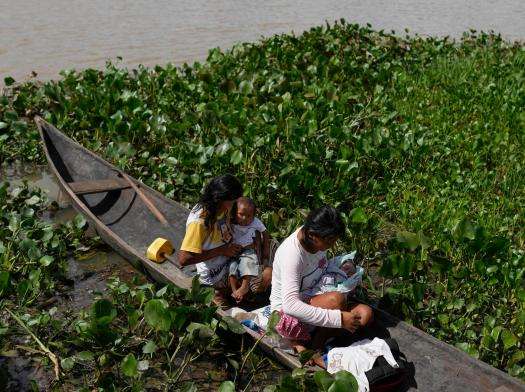
Venezuela 2023 © Matias Delacroix/MSF
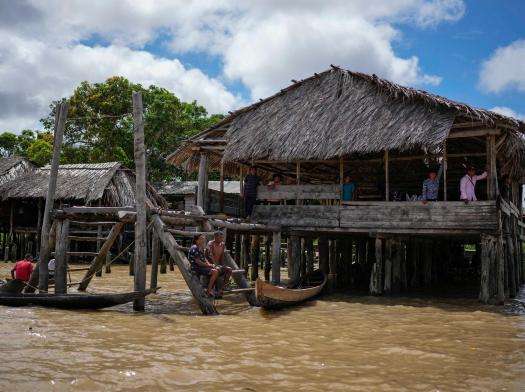
Venezuela 2023 © Matias Delacroix/MSF
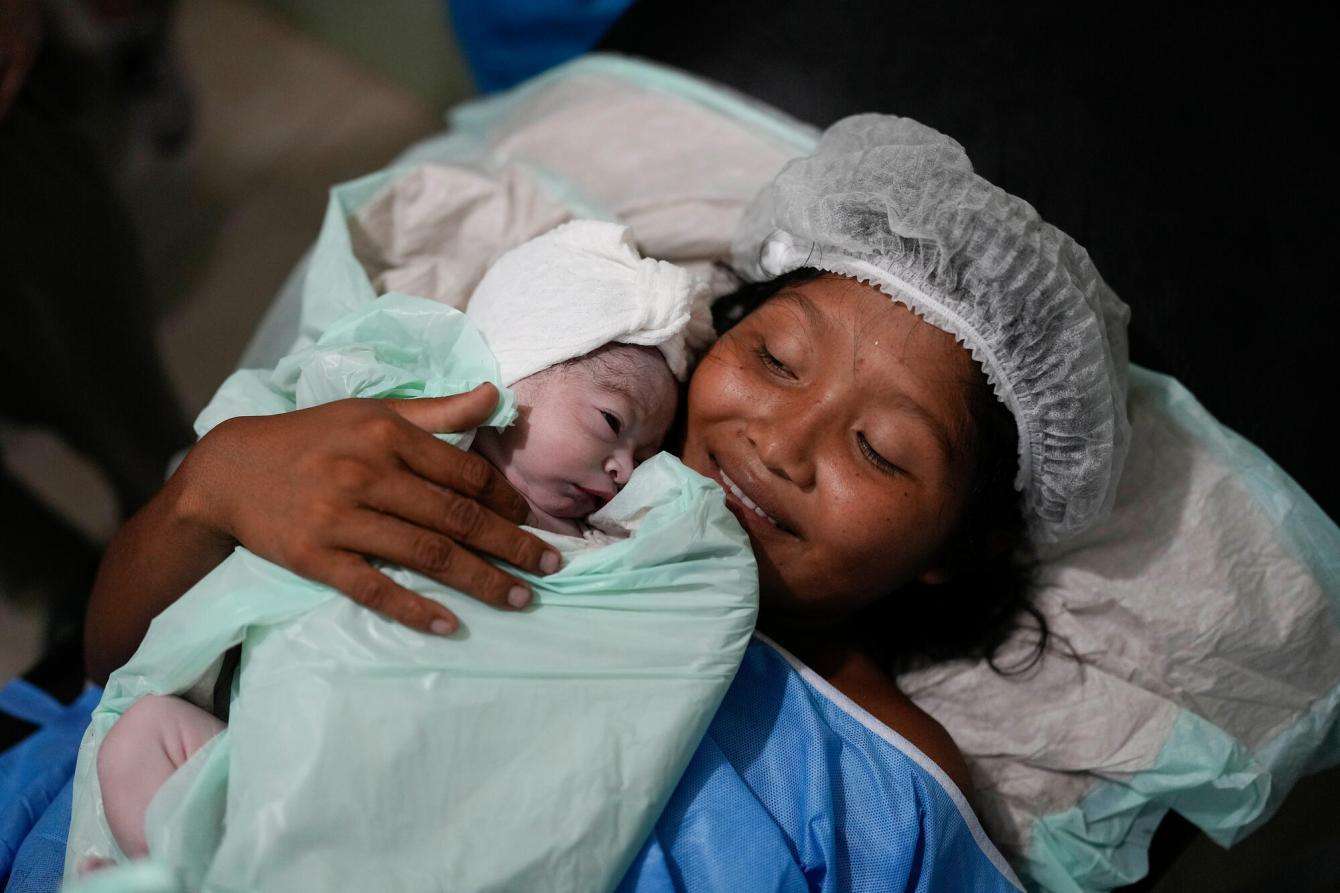
The heat and humidity were overwhelming when Adelia reached the delivery room at Nabasanuka clinic. Because of her young age and the lack of prenatal care during her pregnancy, the birth was viewed by health staff as high-risk. Despite the limitations of the health center, which had only basic facilities, at 9:30 in the morning, Adelia heard for the first time the cry of her son José Antonio, a strong and healthy baby measuring just over 20 inches.
Since July 2022, MSF teams have been working alongside local authorities to bring basic health care to isolated communities across Delta Amacuro state in Venezuela. Access is a challenge in itself: the state spans almost 25,000 square miles and is heavily forested. Most Indigenous communities live scattered along the banks of the Orinoco River, which is the region’s main highway. MSF teams must travel by motorboat for at least six hours from the state capital, Tucupita, to reach health clinics in order to provide care, while patients often have to paddle by canoe for hours or even days to see a doctor.
Barriers to accessing health care raise the risk of preventable diseases in Indigenous communities in Delta Amacuro
The Indigenous communities in this region suffer from a range of preventable diseases caused by the precarious conditions in which they live and the barriers they face accessing health care. These illnesses include waterborne diseases such as parasitosis and diarrhea; diseases spread by mosquitoes and other insects, such as malaria; respiratory infections; skin conditions; and malnutrition. The lack of access to pre- and postnatal care increases the risks for pregnant women and their babies.
Language barriers and cultural differences also create challenges to accessing health care, as well as shortages of drugs and medical supplies across the region. "Difficulties in staffing these remote locations and the lack of supplies and medicines also contribute to people’s challenges in obtaining adequate and quality medical care," said Carlos Dominguez, MSF project coordinator in Delta Amacuro.
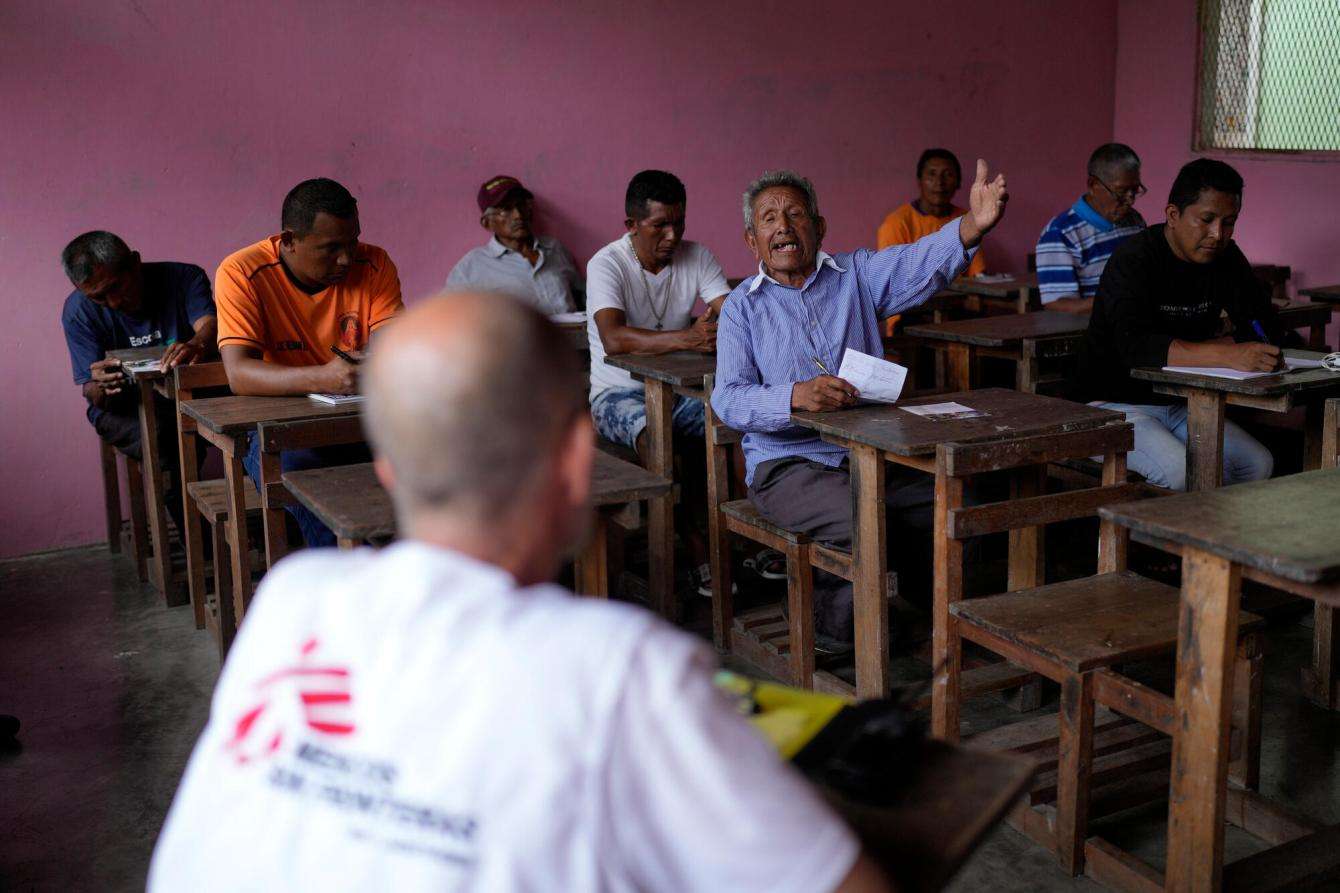
Working with local authorities, MSF works in two outpatient clinics in the communities of San Francisco de Guayo and Nabasanuka, both in the Antonio Díaz municipality in the east of Delta Amacuro state. For three weeks in every month, a multidisciplinary MSF team made up of doctors, nurses, pharmacists, water and sanitation specialists, logisticians, and health promoters provide general medical care to around 70 patients each day at the health post.
MSF’s proactive approach to health care
Health promotion is an important aspect of MSF's work in Delta Amacuro. "By providing people with information, it is possible to raise awareness about healthy practices, proper hygiene and disease prevention, without neglecting the community's own traditions," said Dominguez. “Not only does this have a direct impact on people's health, but it also fosters community empowerment and a proactive approach to health.”
MSF also arranges hospital transfers for patients who need specialist care. This morning, MSF’s medical team contacted health authorities to request an ambulance boat from Tucupita for three-year-old Jesus, who needs urgent treatment that is unavailable in Nabanasuka. Jesus’s parents paddled by canoe for four hours to bring him to the clinic in Nabanasuka. It would take them seven days to paddle onward to Tucupita, compared to a journey of six hours by ambulance.
Making health care accessible to all
MSF’s work in Delta Amacuro state is a testament to the importance of providing basic medical services to all communities, regardless of their geographic location or circumstances. Every person has a fundamental right to health care, even those living in the most remote and disadvantaged regions.
At Nabansuka clinic, Adelia talked with an MSF health promoter about the benefits of breastfeeding. "Yakera wito," she said, smiling. This means “hello” in the Warao language and is also a way of expressing gratitude.
"When a doctor is next to a village, the people feel calm and happy,” said a Warao community leader who observed the scene.
Adelia is now ready to make her way upriver and back home to introduce baby José Antonio to the rest of their community.
MSF is a humanitarian medical organization that works under the principles of neutrality, impartiality, and independence. MSF has been working in Venezuela since 2015. Currently, its teams work in the states of Amazonas, Anzoátegui, Bolívar, and Delta Amacuro alongside national authorities, with the aim of strengthening the public health system and providing medical care to vulnerable people.


Story Jul 23, 2024
MSF calls on Gilead to make groundbreaking HIV prevention drug afforda...
Read More