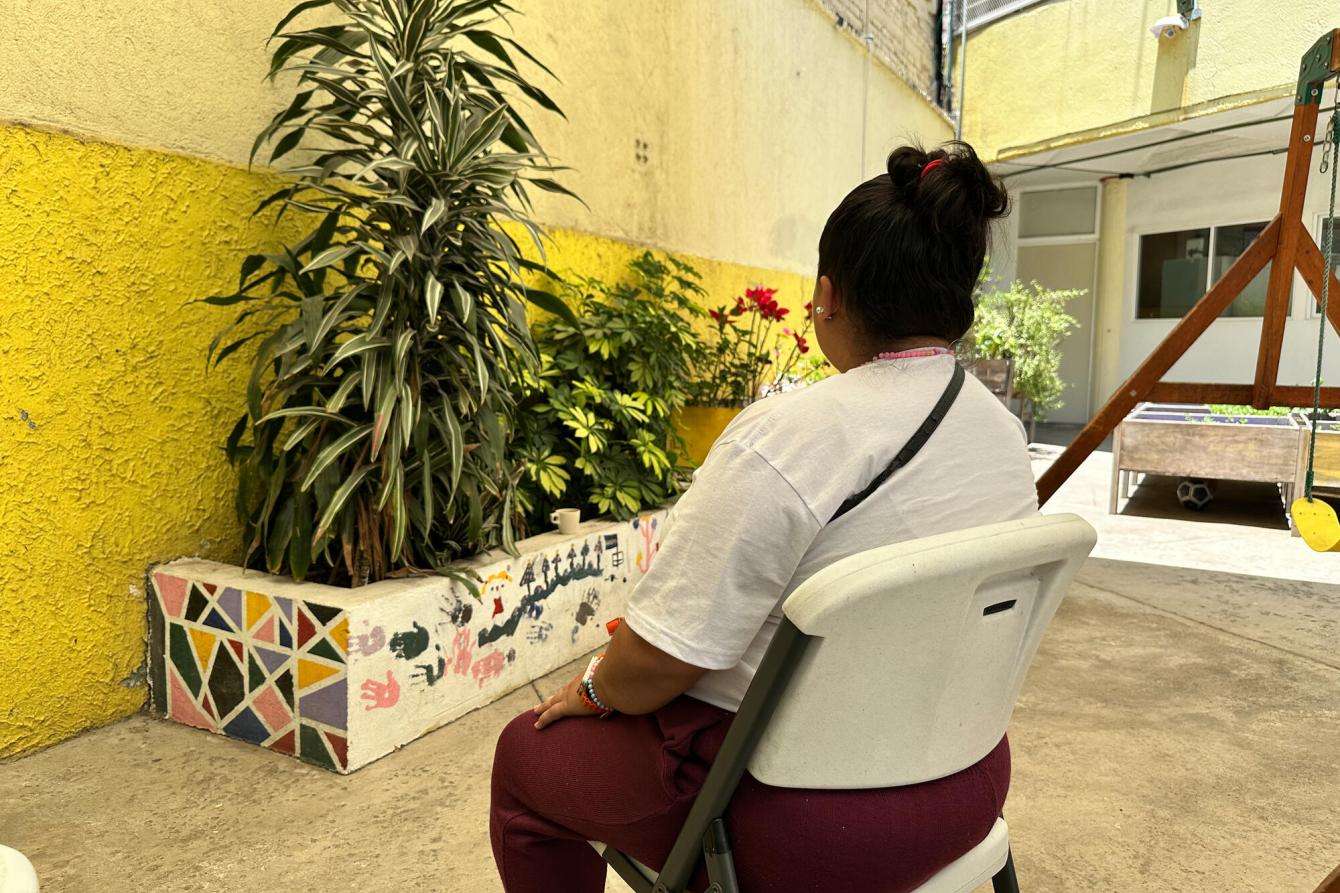
“I am a strong woman, a fighter,” says Tamara*, a Honduran woman in Mexico. It took a long journey for Tamara to reach this self-confidence. After fleeing gangs in Honduras, she was violently assaulted in Mexico — the place she thought she'd find safety. She survived, but the trauma stayed with her.
For many survivors of trauma, escaping the immediate danger is just the first step on a grueling road to recovery. Doctors Without Borders/Médecins Sans Frontières (MSF) teams meet people like Tamara every day at the Comprehensive Care Center (known as the “CAI” in Spanish) in Mexico City, which was established to fill glaring gaps in care for survivors of torture, extreme abuse, and complex trauma. With specialized care, they can learn how to cope and move forward.
The body remembers trauma
Trauma is often misunderstood as just a painful memory. In clinical terms, it is far more complex.
When Tamara was attacked, her survival instincts took over, and for 15 minutes she lay still, playing dead to stop the attack. Afterwards, isolation became her only defense. “I couldn’t talk to anyone,” she says. “I wouldn’t let a soul near me. I felt like a zombie.” Time went on, but Tamara’s mind remained in survival mode, trapped in the attack.
Like many survivors, she felt guilty and ashamed of breaking down emotionally, and was terrified that she was losing her mind. Helping patients understand that these reactions are a normal physiological response to an extreme experience is one of the most vital steps in therapy.
During an attack, the body taps into hardwired survival mechanisms to shut out feelings of terror and pain. Many dissociate from what is happening to them — an involuntary reaction that allows the body to endure the unendurable. but once the threat disappears, the body doesn't automatically realize it’s safe.
“The body can no longer tell when the danger is gone,” says Gladys Vásquez, MSF mental health manager. “The nervous system stays locked in high alert, mistaking harmless cues as an attack. A sudden noise, an unfamiliar voice, a certain smell, or an everyday interaction can spark debilitating panic.”
MSF teams in Mexico are seeing more survivors of extreme violence
Read more“The body keeps the memory,” says Dora Morales, MSF clinical psychologist. “Someone can tell you about something that happened 10 years ago, and physically they relive it right in front of you as if it were happening all over again.”
This can show up as chronic insomnia, night terrors, muscle tension, hypervigilance, and physical exhaustion. Symptoms can drag on for years after the actual violence stops, dismantling a person’s day-to-day functioning. Catching these signs early and providing specialized treatment is critical to stop the suffering survivors often face.
For many survivors, the deepest damage is the loss of trust. “What violence destroys first is your belief in other human beings,” Vásquez explains. “When harm is inflicted deliberately by someone else, feeling safe around other people again is an uphill battle.”
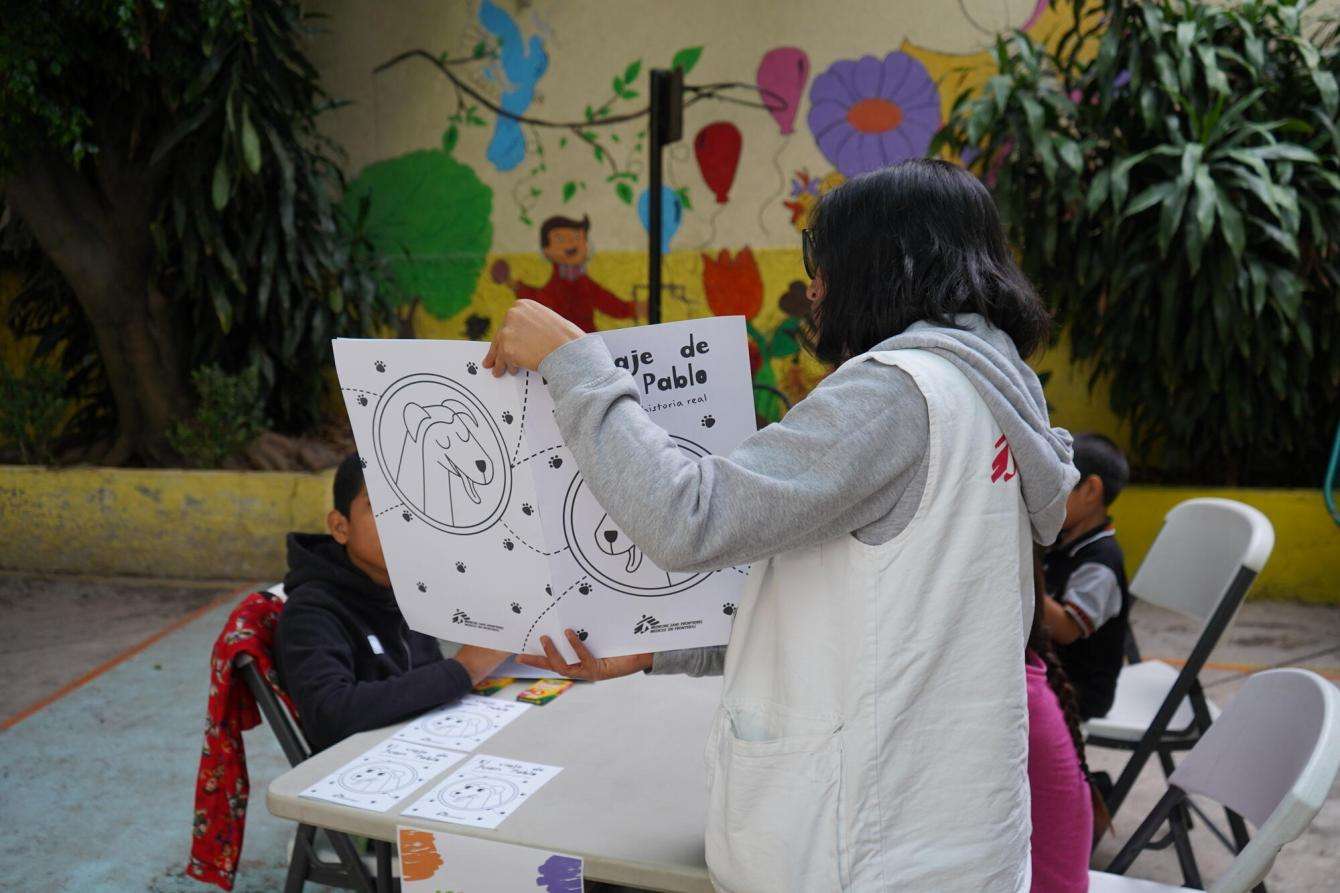
A safe space to rebuild and recover
With a team of doctors, psychologists, social workers, and occupational therapists, the CAI offers holistic care to help people heal their bodies and slowly piece their lives back together.
Since the CAI opened 10 years ago, MSF has provided more than 23,200 specialized consultations. The need for this care has only increased since then: Between January and July 2026 alone, the center received 71 new survivors of torture and ill-treatment and provided more than 2,000 sessions, reflecting the long-term nature of the recovery process. Between 2017 and 2026, MSF teams at the center have treated 156 patients who were tortured, 137 who were kidnapped, and 241 who survived sexual violence.
Unlike many of MSF’s programs that provide emergency care and support, teams at the CAI focus on long-term rehabilitation. Each person receives care tailored to their medical, psychological, and social needs over months of follow-up. Rather than merely putting a Band-Aid on patients’ symptoms, the goal is to restore their sense of autonomy and help them rebuild a future after surviving unimaginable cruelty.
Many believe that healing from trauma begins with talking. But clinical research has shown that forcing someone to relive a traumatic event while their nervous system is still in fight-or-flight mode can do more harm than good. Before unpacking painful memories, a person first needs to feel fundamentally safe. The CAI uses nervous system regulation techniques so the body can finally register that the attack is over. “Once a patient can anchor themselves in what they see, hear, and feel right now, they can finally realize they are safe today,” Morales explains.
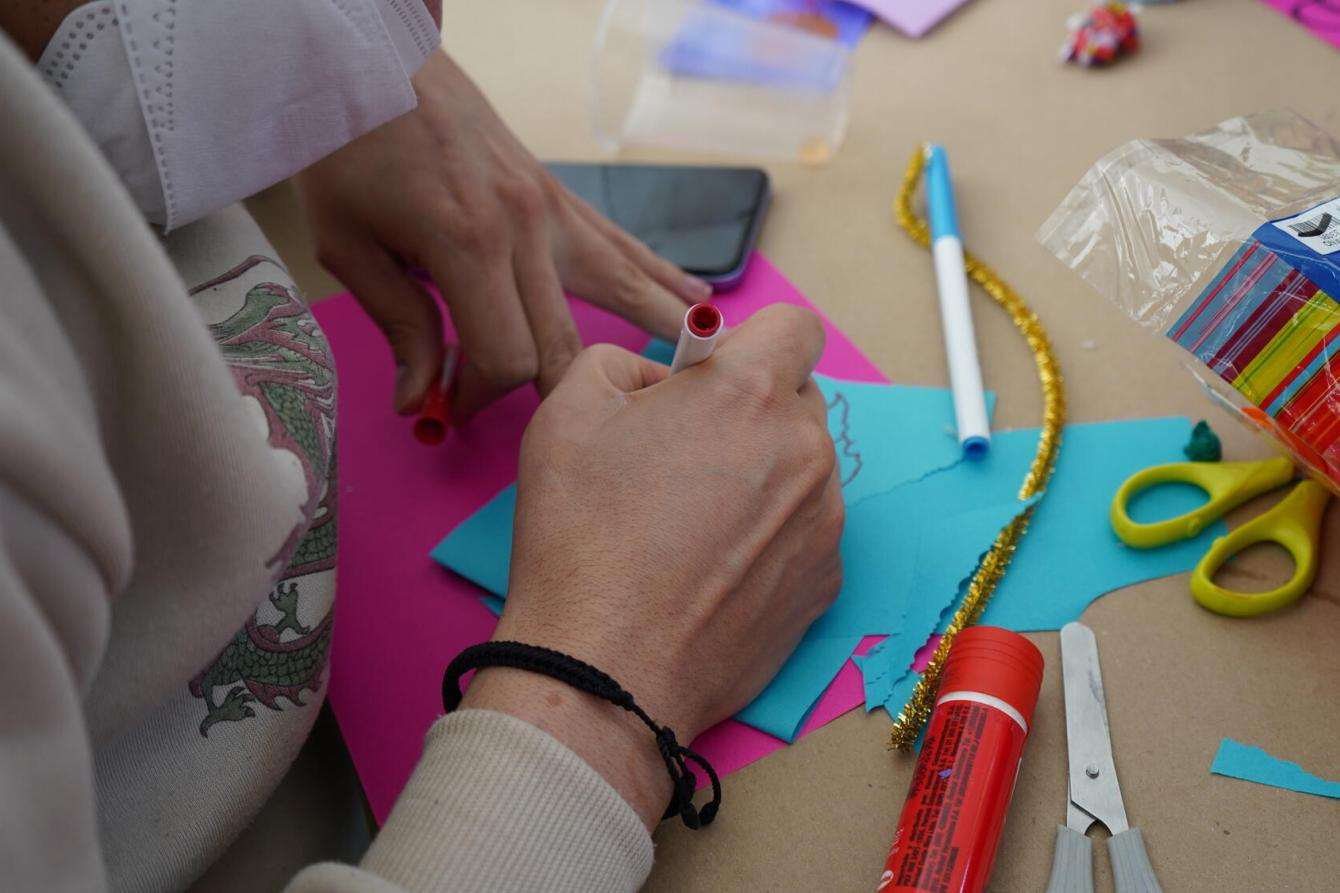
Imagining a future after trauma
Progress doesn’t just mean fewer nightmares or less anxiety; it’s when a person begins to imagine the future. “We see real recovery when functionality returns,” Morales says. “When someone can make plans again, hold down a job, and look ahead.”
Trauma does not have to define who someone is or dictate where they go. We can’t change what happened, but we can change how it affects us. The turning point for many survivors is going from “terrible things happened to me, and I can’t go on” to “terrible things happened to me, but I deserve a life with dignity and a future.” Trauma is not a life sentence; it can be overcome, and it never diminishes a person’s worth.
Tamara, who spent months terrified of being near another human being, speaks today with a quiet strength. She no longer views herself through the lens of what she survived, but through the courage she found to rebuild her life: “Nobody has been able to take my dignity away.”
*Name changed to protect patient confidentiality