
By Khaled Mattawa and Jérôme Tubiana
This story was first published in the New York Review of Books on February 6, 2023.
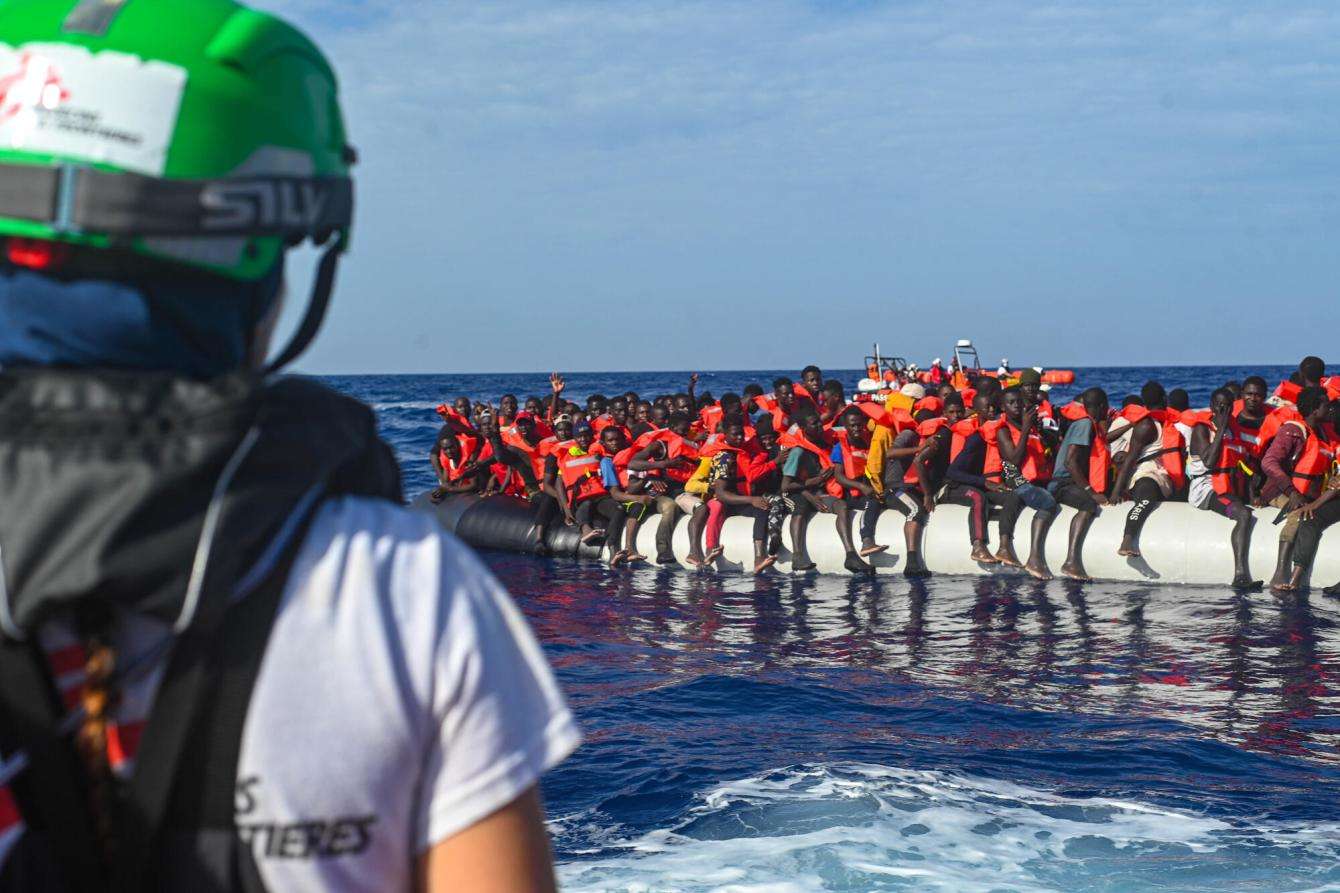
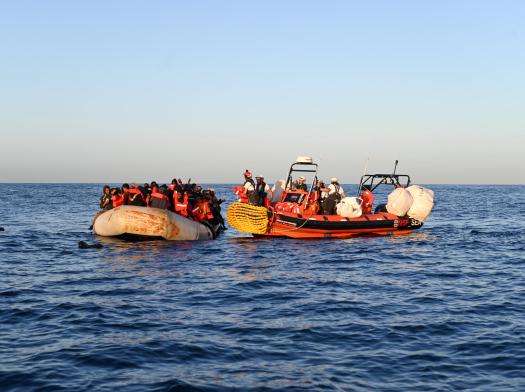
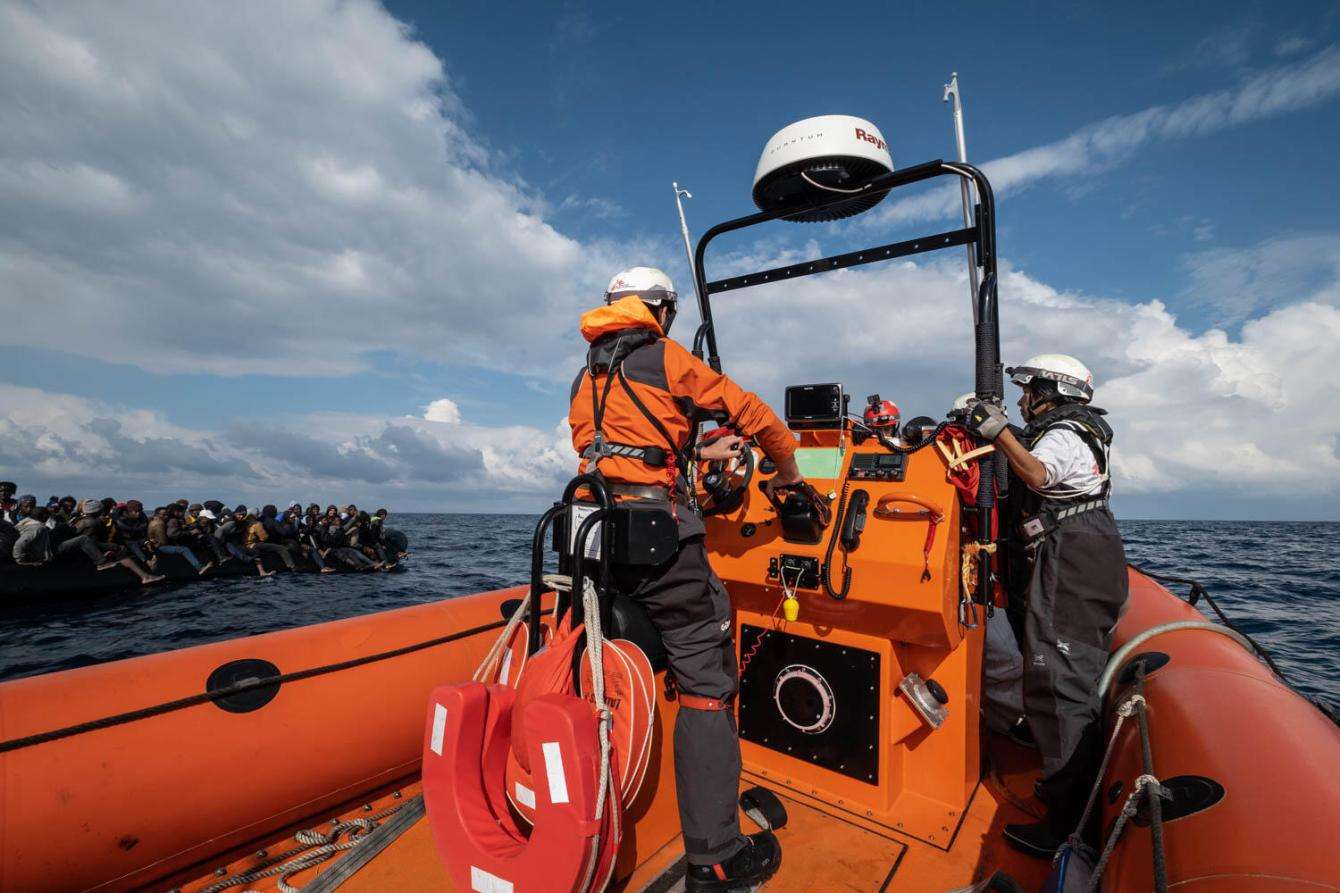
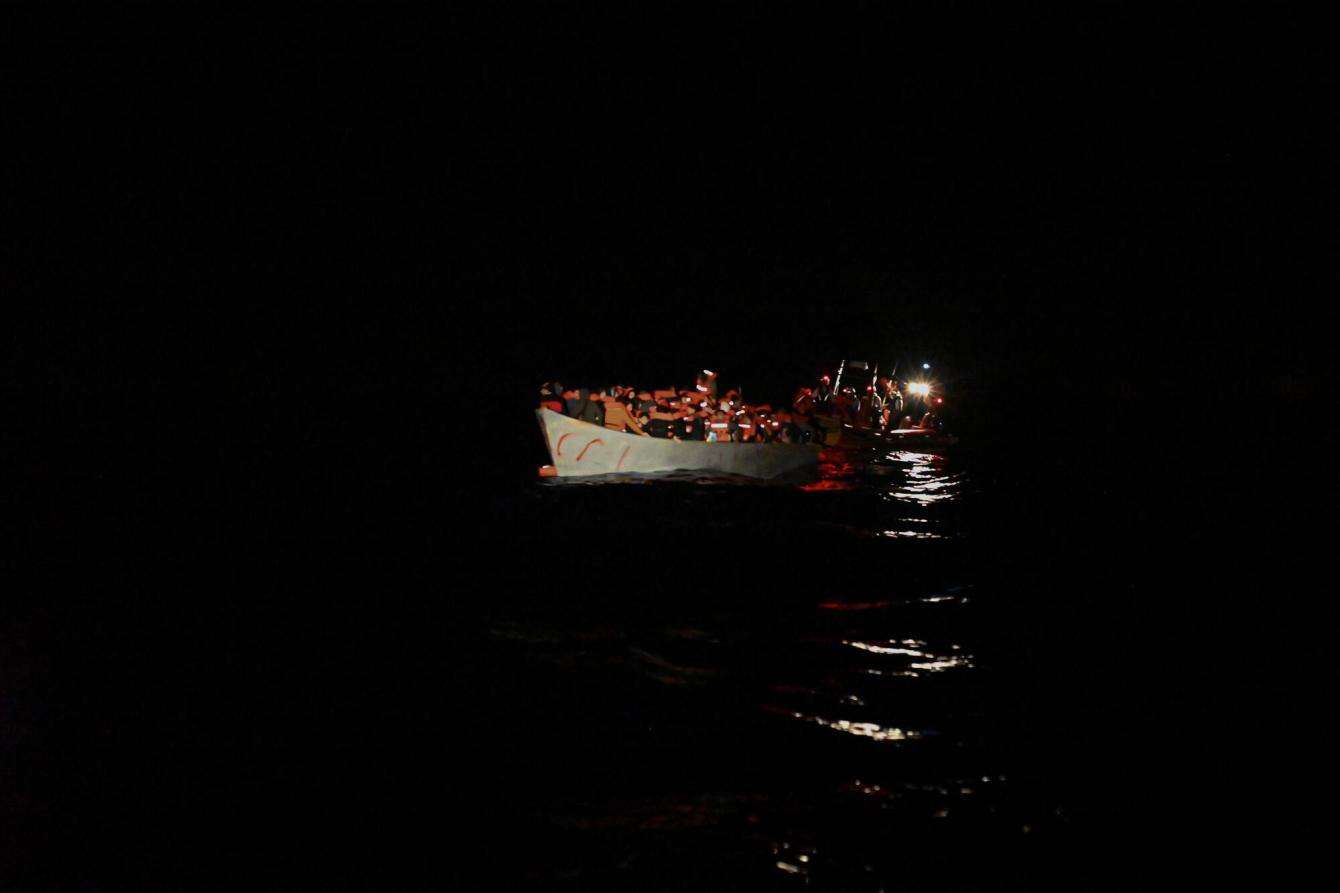
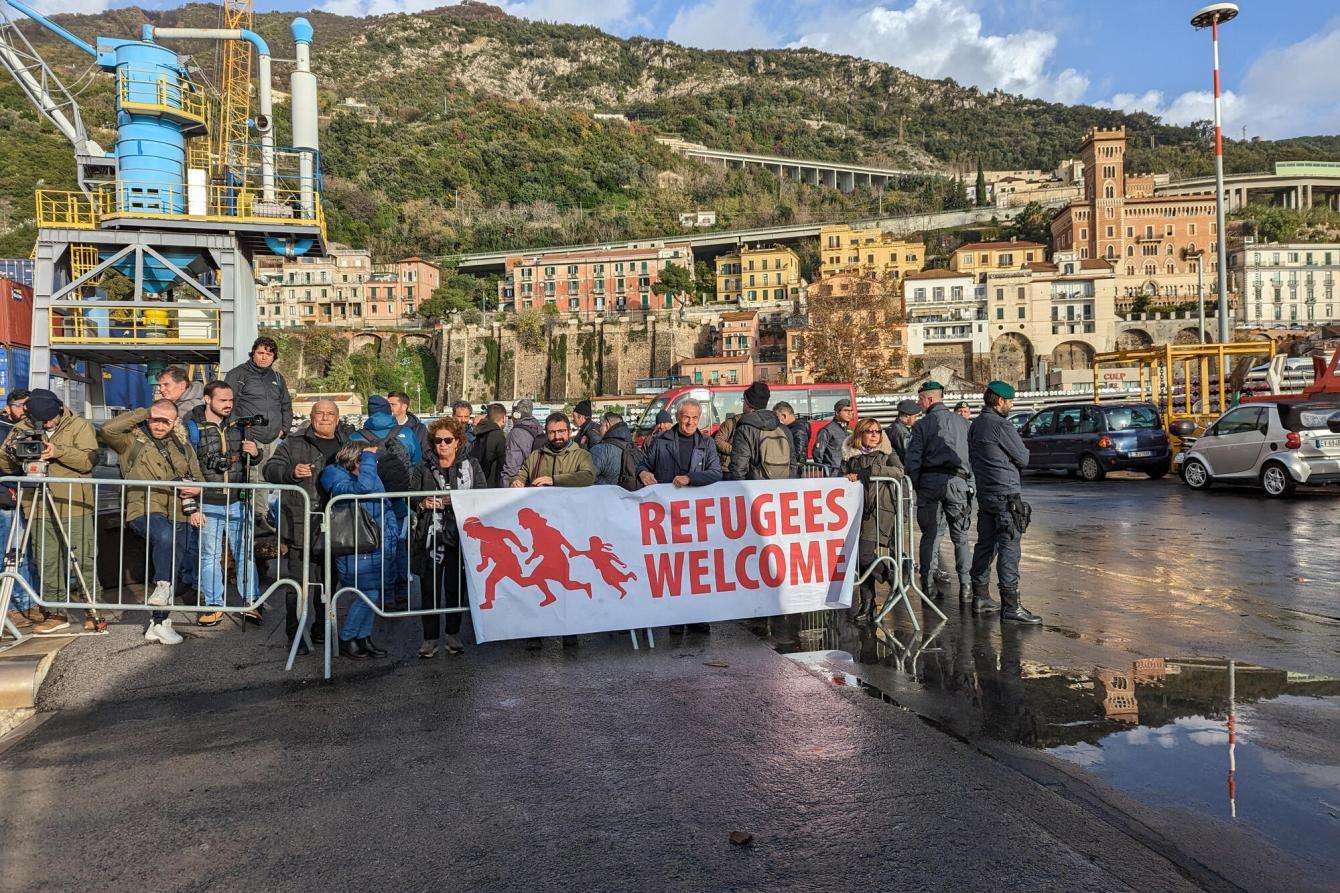
Since the election of a far-right government in Italy in September, Europe’s debate over migration has flared up again. Although it has no legal basis for doing so, the new administration in Rome has been trying to impose a naval blockade against NGO vessels rescuing migrants, who continue to board overcrowded boats for the sake of crossing the Mediterranean Sea between Libya and Italy.
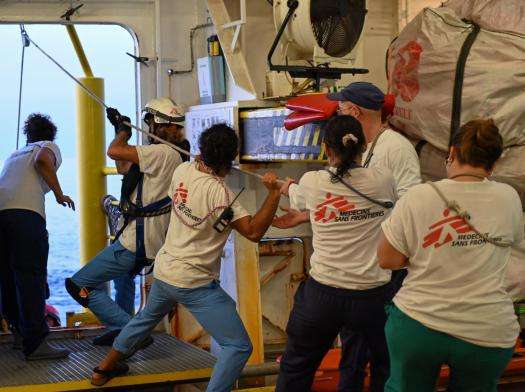
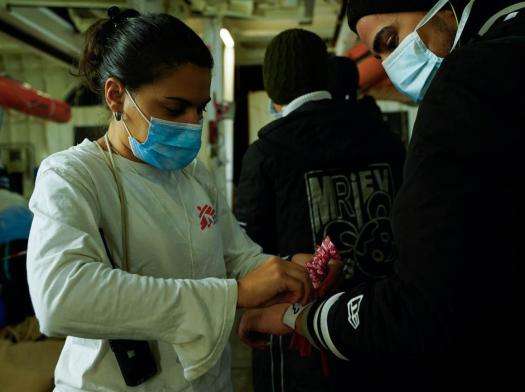
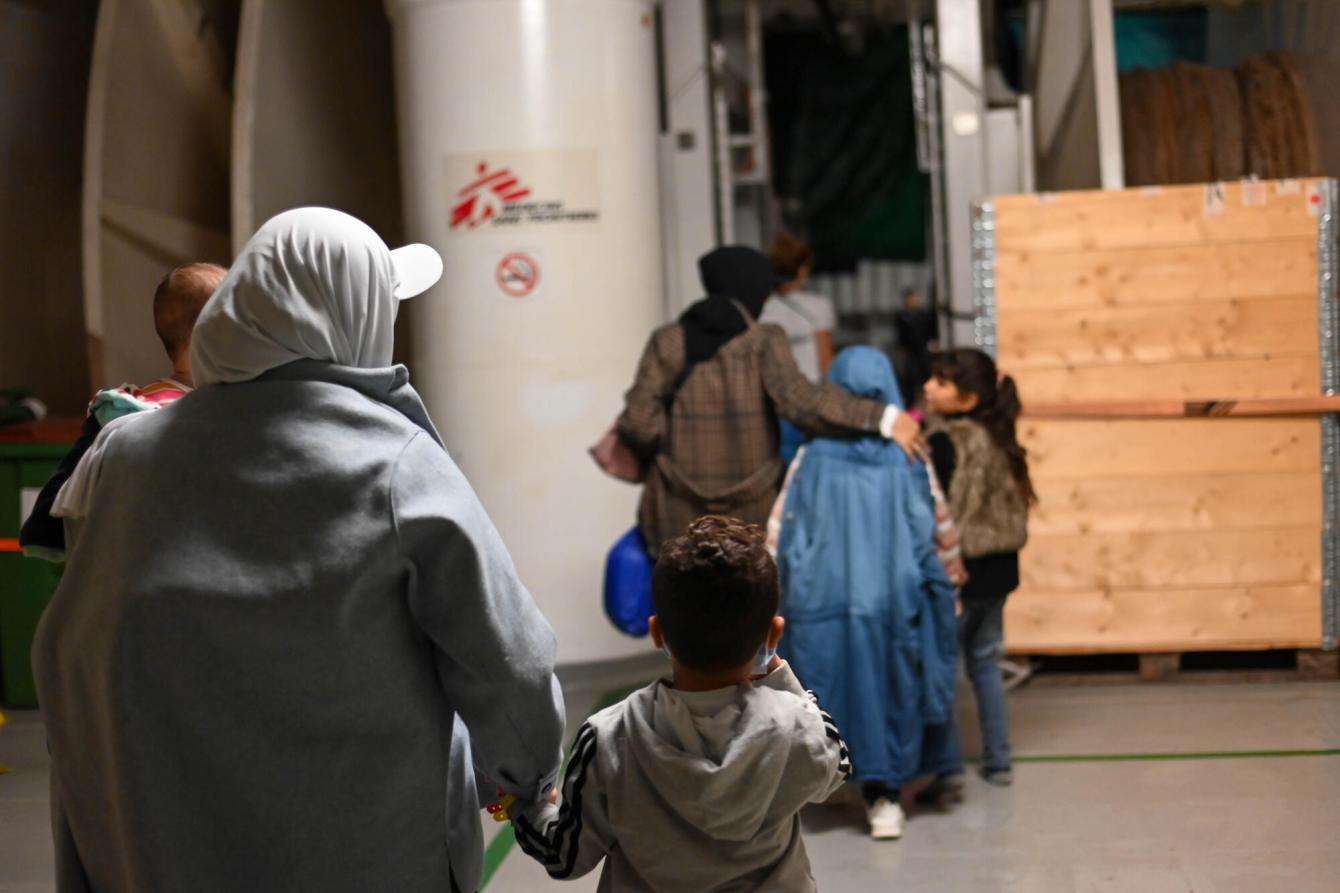
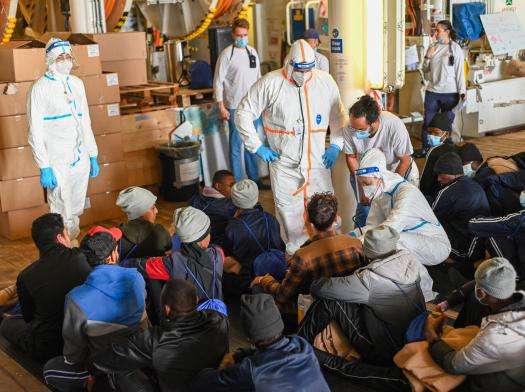
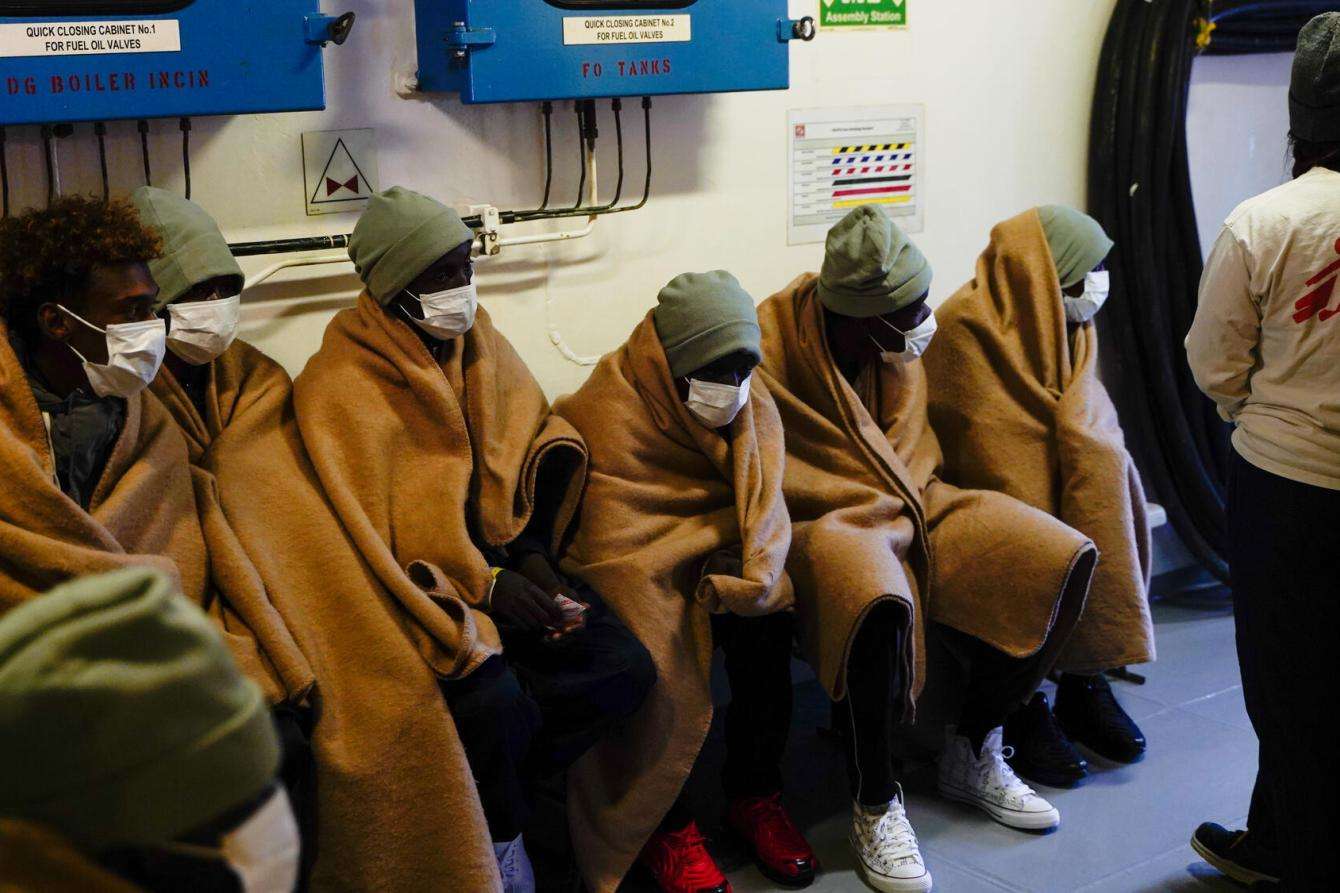
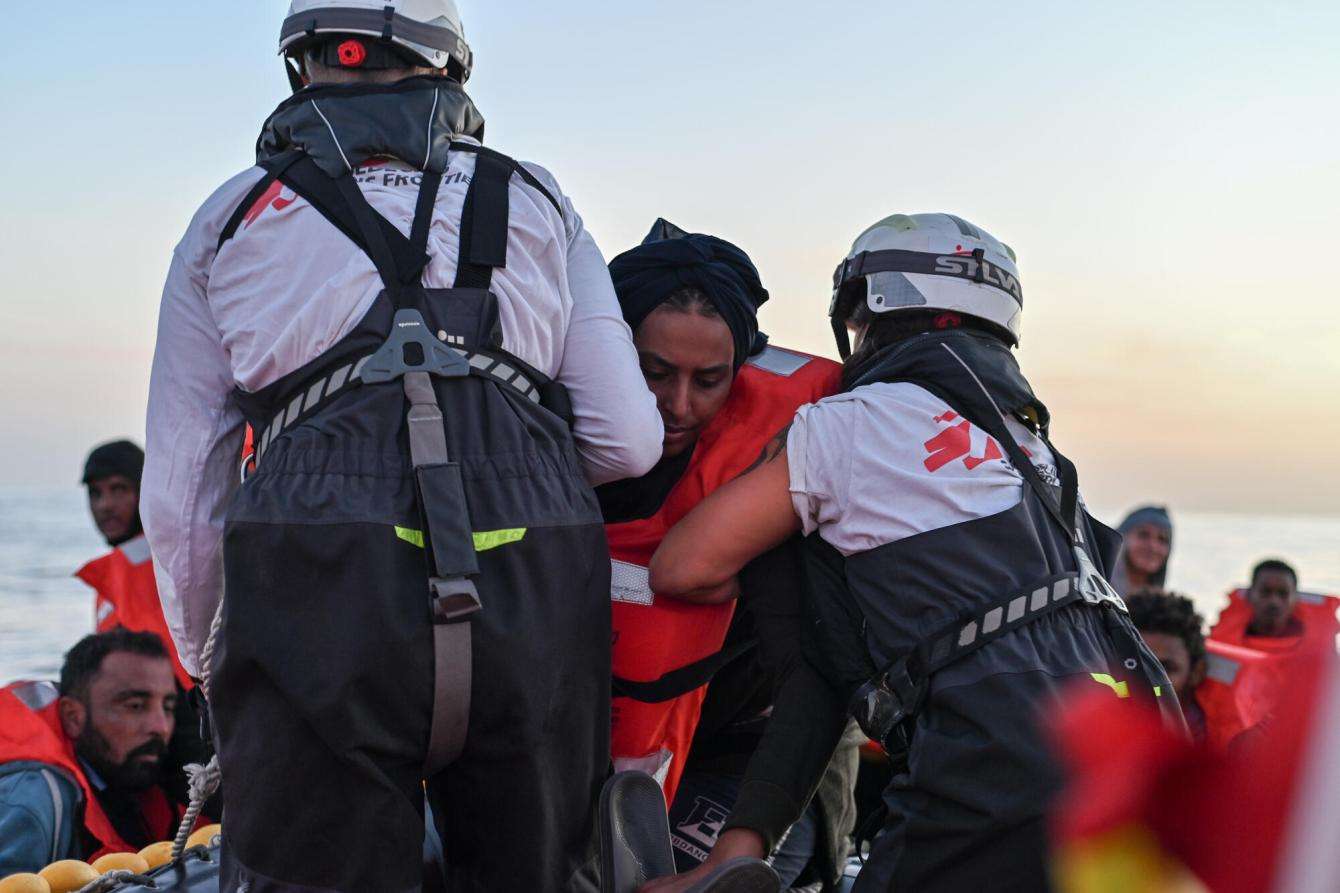
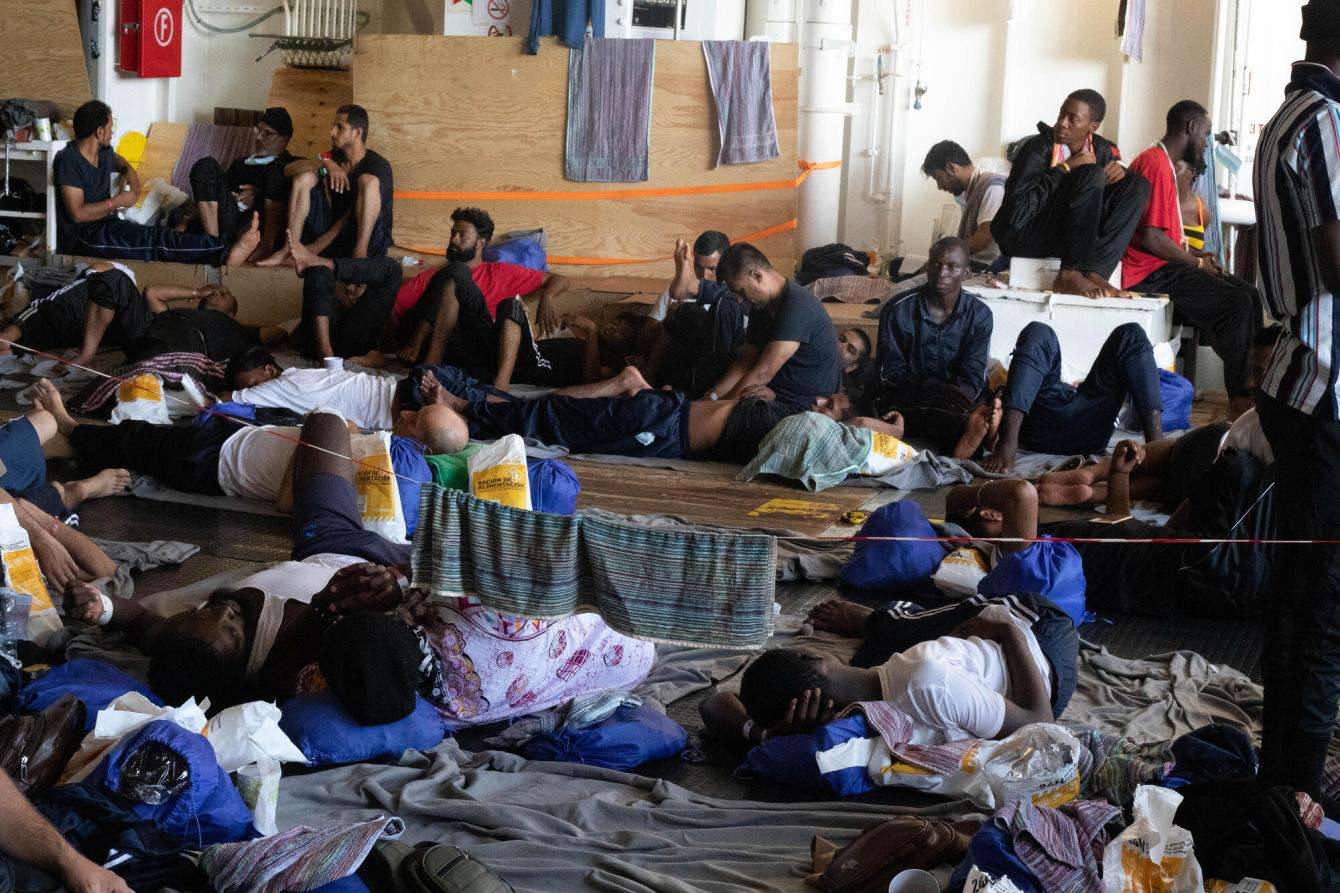
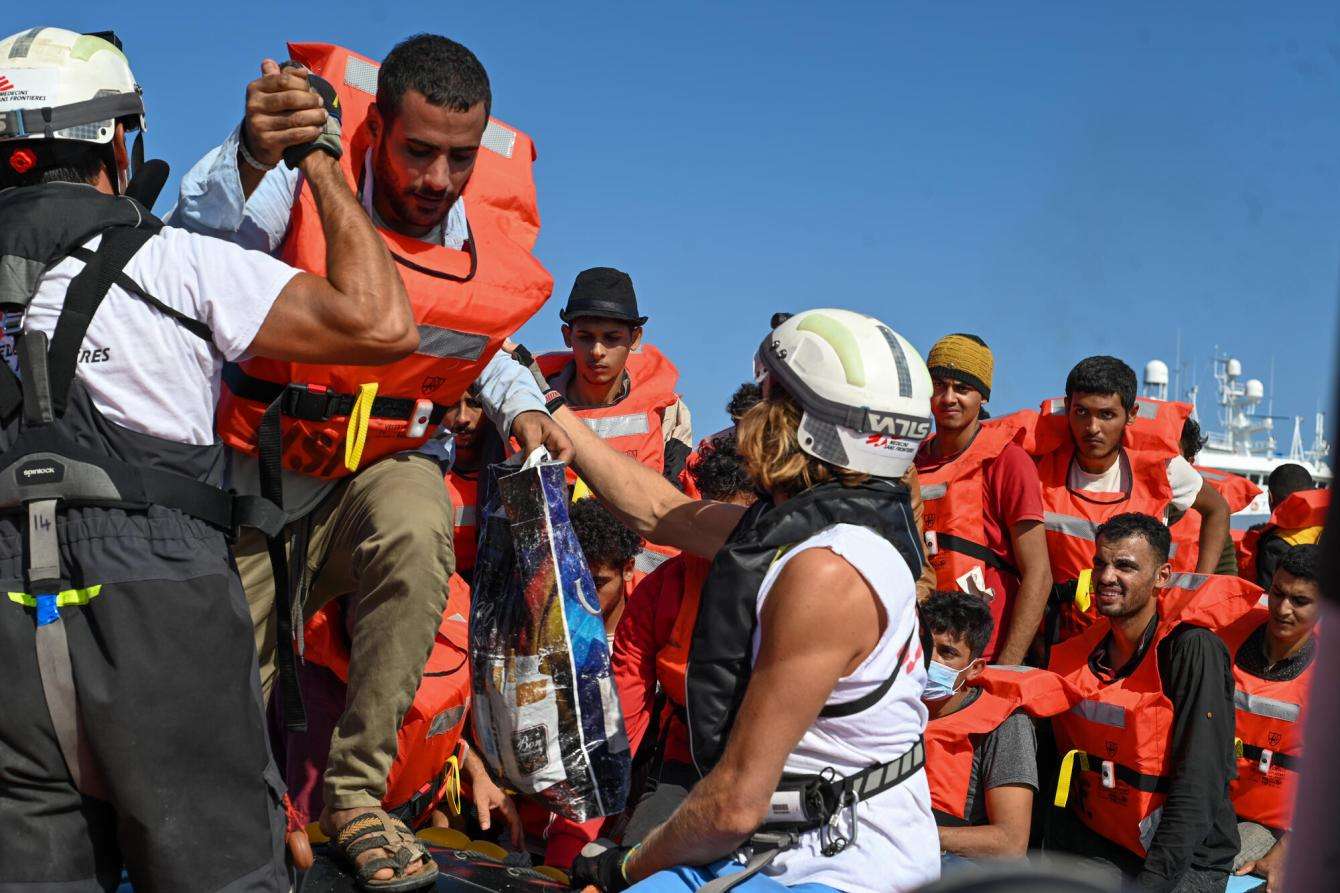
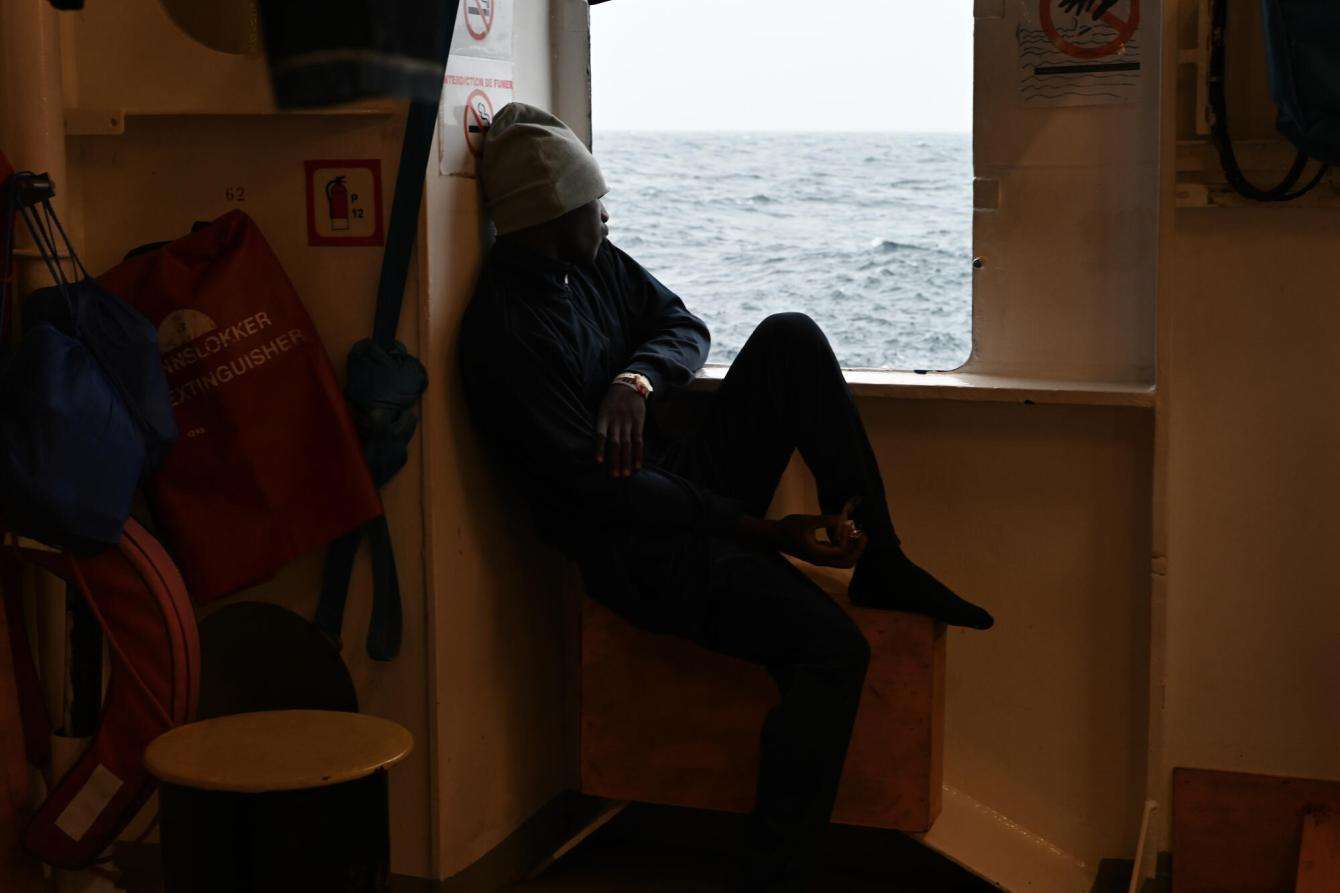
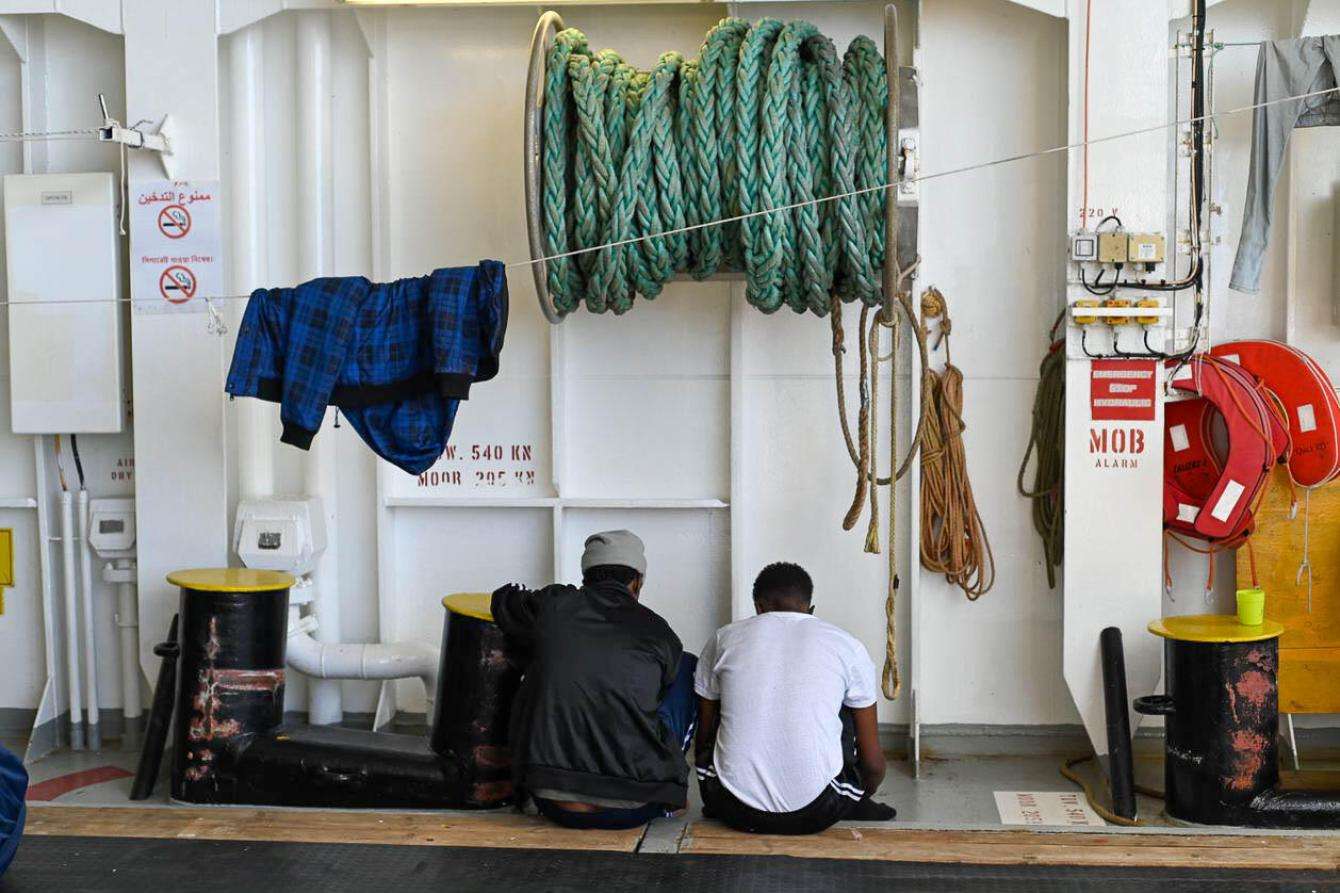
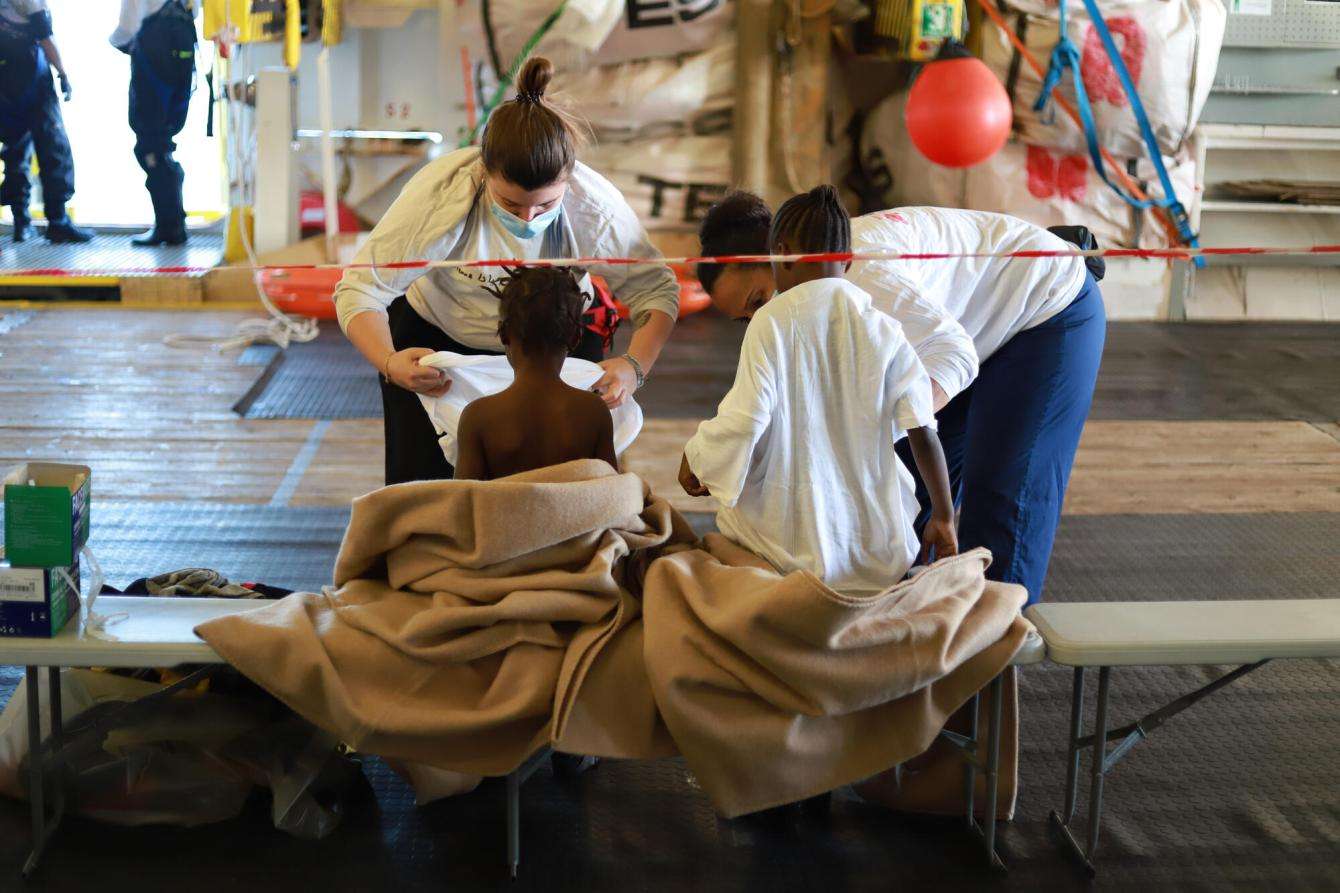
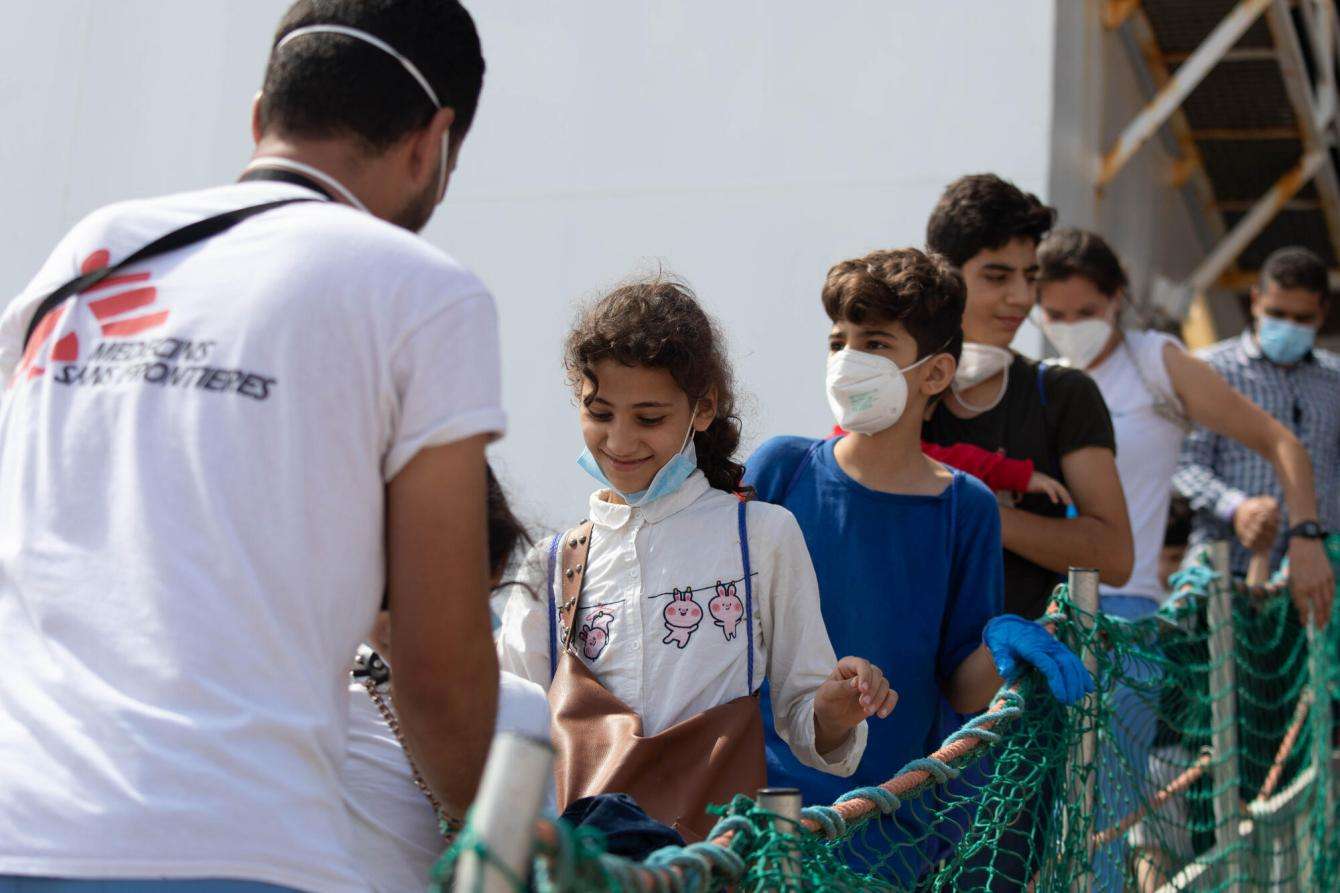
Summer, when the sea is calm, is the season of most of the crossings. Last August the two of us boarded the Geo Barents, a rescue vessel run by Doctors Without Borders/Médecins Sans Frontières (MSF) for a “rotation” of an unpredictable duration (most last two to four weeks). What follows are edited versions of our diary entries from those weeks, which were published in French by Libération across three installments between August 28 and September 12.
Jérôme, August 15:
The first thing we were asked, months before boarding the Geo Barents in Sicily, was not to communicate with anyone in Libya while on board. This was not going to be easy. In my humanitarian work, including for MSF, I have visited Libya several times since 2018 and made friends with both migrants stranded there and Libyans—religious and tribal elders, younger activists, medical doctors and aid workers—who try to help them by providing shelter or health care in a country where undocumented migrants face detention and violence.
Respecting the rule of no contact with Libya was going to be even more difficult for Khaled, who, although he left Libya and took refuge in the United States in 1979, has close family there. None of our contacts are migrant smugglers, but the caution was justified. In recent years European politicians have targeted migrants and their “helpers.” In Italy, France, and elsewhere, even ministers from the left have accused NGOs of human smuggling. Some rescuers have been arrested. Many suspect that their phones are tapped—as has happened before—and know that anything they say could be used against them.
Khaled, August 16:
At the port of Augusta, an industrial town in eastern Sicily, I submit my passport to immigration. The officer hands it back, tells me I have no Schengen entrance. I leaf through the passport and find several smudged stamps. On the ship the atmosphere is jovial and welcoming. But I’m paranoid, worried that Italian immigration will come back for me. I’m in classic refugee mode, expecting trouble with authorities, even though I’ve been an American citizen for twenty-five years. In all my travels, I’ve never been able to play the role of the detached Western observer. The fact that the people we’ll rescue, if we rescue any, will be fleeing the country of my birth after much abuse weighs heavily on my conscience. How’s my being on this ship helping anyone? Should I apologize to the survivors, simply be grateful to the rescuers?