In South Sudan, measles continues to threaten the lives of the youngest and most vulnerable people. Last year, health authorities declared two devastating outbreaks of this preventable disease. By December, measles had spread to all the states and administrative areas in the country. The outbreak continues into its second year, and South Sudan’s fragile health care infrastructure is struggling to keep up. Meanwhile, the shadow of malnutrition looms large, tightening its grip on the youngest who are most at risk.
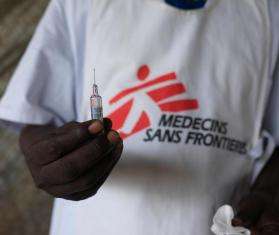
Teams from Doctors Without Borders/Médecins Sans Frontières (MSF) have been working tirelessly to treat patients suffering from measles in health facilities across the country, as well as running vaccination campaigns to immunize people against the disease. In 2022, we treated more than 1,782 patients with measles and vaccinated more than 170,000 children.
Limited access to measles care
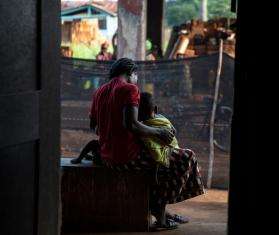
In Lankien, Jonglei state, where MSF manages an 85-bed hospital, 60-year-old Nyandut Nyoach is sitting next to her four-year-old grandson, Yien, in the isolation ward for patients with measles. She brought Yien to the hospital with typical measles symptoms: high fever, cough, and a rash. Yien’s fever was so high that he was having seizures.). Nyandut poured fresh water over his body to lower his temperature before beginning their walk to the hospital.