Doctors Without Borders/Médecins Sans Frontières (MSF) is responding to two compounding displacement crises in South Sudan: One caused by ongoing violence and the other due to unprecedented flooding. These emergencies are adding to already massive needs in the country, where 8.9 million people need humanitarian or protection assistance, according to the International Organization for Migration.
Massive floods have caused widespread displacement
2021 marked three consecutive years of record-breaking flooding in South Sudan, with the most recent crisis affecting more than 835,000 people. In Unity State, the most recent wave of floods damaged cultivated land and wiped out livestock, leaving people without livelihoods or access to food. Clean drinking water is also a dwindling resource, and many people have been left with no choice but to drink contaminated flood water. Tens of thousands who were forced to leave their homes have made their way to Bentiu camp, where MSF runs a hospital for internally displaced people (IDPs).
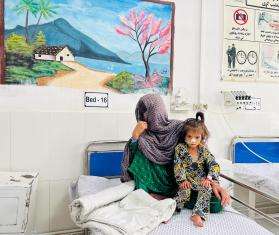
A majority of the patients MSF sees in Bentiu are children under the age of five suffering from malaria, respiratory tract infections, and malnutrition. Living in the camp, where conditions were substandard even before the latest influx of IDPs, poses its own health risks. Flooding has cut off the sewage treatment system so there are no latrines available in the camp, and waste comes up through open drains. At the same time, receding flood water creates a breeding ground for the mosquitos that carry malaria.
MSF has brought medical staff, water and sanitation advisors, and emergency coordinators to run mobile clinics in Bentiu town, as well as disease surveillance and sanitation support. We are also continuing our programs focused on sexual and reproductive health and sexual and gender-based violence.