On Monday, at around 8:00 p.m., a drone strike by the Sudanese Armed Forces hit a busy market in Nyala, the capital of South Darfur, Sudan, causing complete devastation among the people gathered there. A second strike also hit a civilian neighborhood.
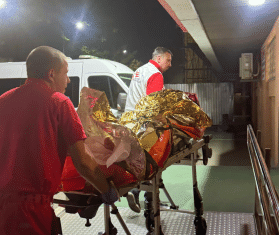
Nyala Teaching Hospital, which is supported by Doctors Without Borders/Médecins Sans Frontières (MSF) teams, has so far received the bodies of 36 people who were killed, 21 of whom were wearing civilian clothing. The hospital’s medical teams reported seeing over 150 wounded patients in the emergency room.
Dale Koninckx, MSF project coordinator in Nyala, describes the scene at Nyala Teaching Hospital:
“My colleagues saw patients arrive at the hospital with shrapnel injuries, blood on their faces, and severe burns. People were carried to the hospital on tuk-tuks and donkey carts from the market where the drone struck.
“Medical staff worked around the clock treating patients, including women and children. They’re all very shaken. The question everyone is asking is ‘Why are markets being targeted? The places where people need to access food, where a lot of civilians gather?’
“This is appalling. Markets, homes, and key civilian infrastructure are not targets. All parties to the conflict must protect civilians.
“This attack follows a similar incident on October 16, when a drone struck Al Mawashi market in Nyala. These incidents, among others, are exposing civilians to direct violence and hindering access to food and supplies at a time when malnutrition is a growing concern.
“Both sides in the ongoing conflict in Sudan are targeting civilian areas and infrastructure. In recent days, the Rapid Support Forces (RSF) reportedly carried out drone strikes targeting electricity infrastructure in Khartoum, Al Jazirah, Gedaref, Sennar, and White Nile states.”