

"I will stay here until she gets better," said Rebecca Achol Atak while sitting next to her granddaughter’s bed in Aweil State Hospital in Northern Bahr el Ghazal, South Sudan. Atong had suffered from severe fever and vomiting before traveling two days on foot with her grandmother to seek medical help. When she finally made it to the hospital, the medical staff did everything they could to help her. Unfortunately, it was too late. Atong’s condition kept deteriorating and she died less than 24 hours after admission. She was only eight years old. Cause of death: cerebral malaria.
Lack of access
In South Sudan, where malaria is the leading cause of death, stories like Atong’s are tragically common. According to data from the World Health Organization (WHO), 4,064,662 cases of the mosquito-borne disease were confirmed there in 2019. More than 4,800 people are known to have died from the disease during the same year, and children under five years old are the most at risk. Yet these numbers might in fact underestimate the true severity of the crisis. As Bowa Malou Wol, a Doctors Without Borders/Médecins Sans Frontières (MSF) nurse working in Aweil State Hospital, put it: "Most children are dying in their homes and villages. They never make it to hospitals that are far away. And we don’t actually know how many of these children there are."
This year, to help prevent the ongoing spread of malaria, MSF launched a pilot program in Aweil in collaboration with the Ministry of Health. It is called seasonal malaria chemoprevention (SMC) and its purpose is to prevent infection and serious illness among those most at risk—children from three months to five years of age—by providing them with preventive antimalarial medications once a month for five months during the rainy season. Health workers also conduct nutrition screening so children with malnutrition can be identified and treated promptly, as malaria can be particularly deadly among children suffering from malnutrition.
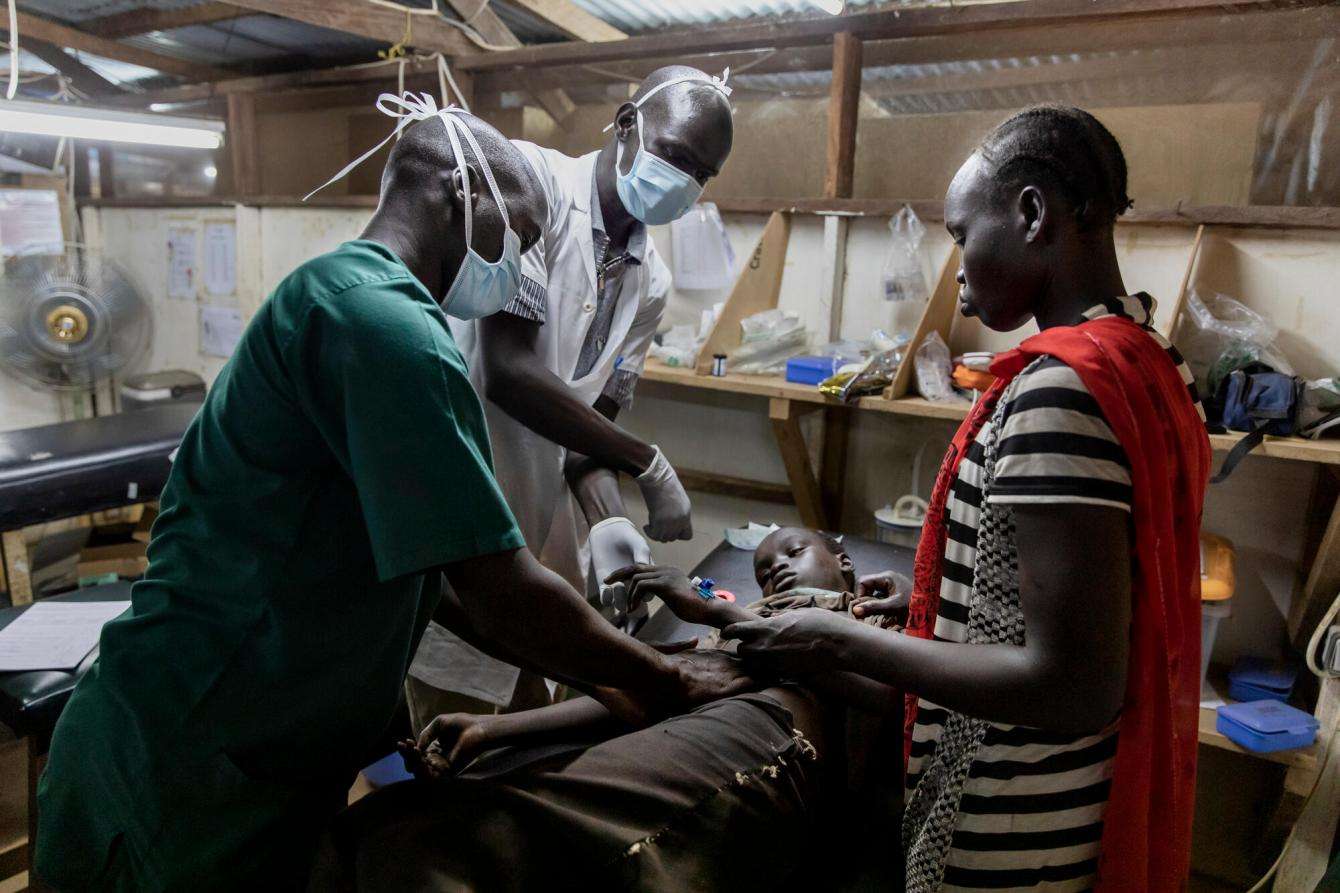
Malaria is transmitted throughout the year but case numbers peak during the rainy season from July to November. In these months, thousands of children suffer from the disease across the region and must be promptly tested and treated with antimalarial medications to reduce the risk of developing severe malaria, which can be fatal or cause serious complications.
Those who develop severe malaria require urgent hospital care, putting an enormous strain on Aweil State Hospital.
"We experienced massive spikes in the number of patients this rainy season," said Aminu Lawal, MSF medical activity manager in Aweil. "We had almost 300 people in our section of the hospital which normally has 150 beds. Most of them suffer from malaria. And honestly, we are running out of places to put them. Even though we have built new malaria tents to increase capacity, it is still not enough. Some have to sleep in hallways because there is just no room anywhere else. Our medical staff, especially nurses, are overstretched."
So far this year, the medical team at Aweil State Hospital has admitted more than 4,000 children with malaria and treated more than 25,000 children on an outpatient basis. These figures are higher than in 2020 or 2019, Lawal said, which may be due to gaps in medical care at the local level. The region's local health facilities rely on international support for antimalarial medications and tests, and these were in short supply during the peak malaria season. Some health facilities lost external support entirely and are no longer functioning.
In Aweil State Hospital, the situation has already resulted in critical shortages of blood for transfusions. Patients with severe malaria often develop anemia, and safe, adequately stocked blood banks are therefore a necessity. Teams at the hospital must administer hundreds of blood transfusions per month during the rainy season, but blood supplies are often difficult to come by in South Sudan. Blood is typically only donated by a patient's relatives.
"Blood for transfusions is critically missing," said Lawal. "One of the problems is that families rarely own phones and we can’t reach out to relatives when blood donation is needed. This is what truly leaves us incapable of treating many severe cases of malaria—sometimes with fatal consequences."
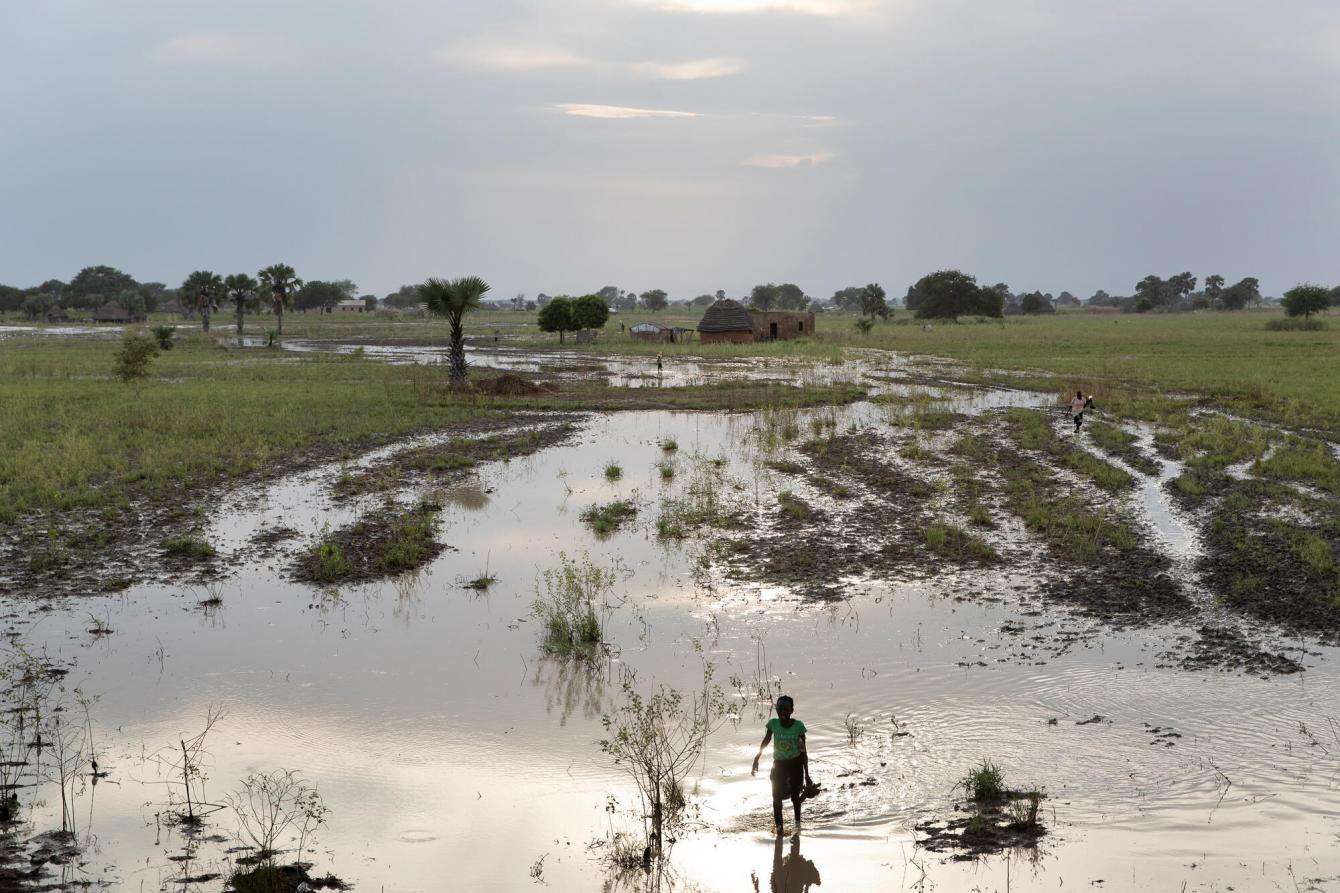
Widespread flooding exacerbated the malaria crisis this year, as large pools of stagnant water provided perfect breeding grounds for mosquitos, which then spread the disease. The floodwaters also made it more difficult for health workers to reach remote areas and for patients to reach health facilities.
Seasonal malaria chemoprevention: A way forward
So far, MSF teams working on the SMC project reached nearly 14,000 children under five and the overall response from the community has been very positive.
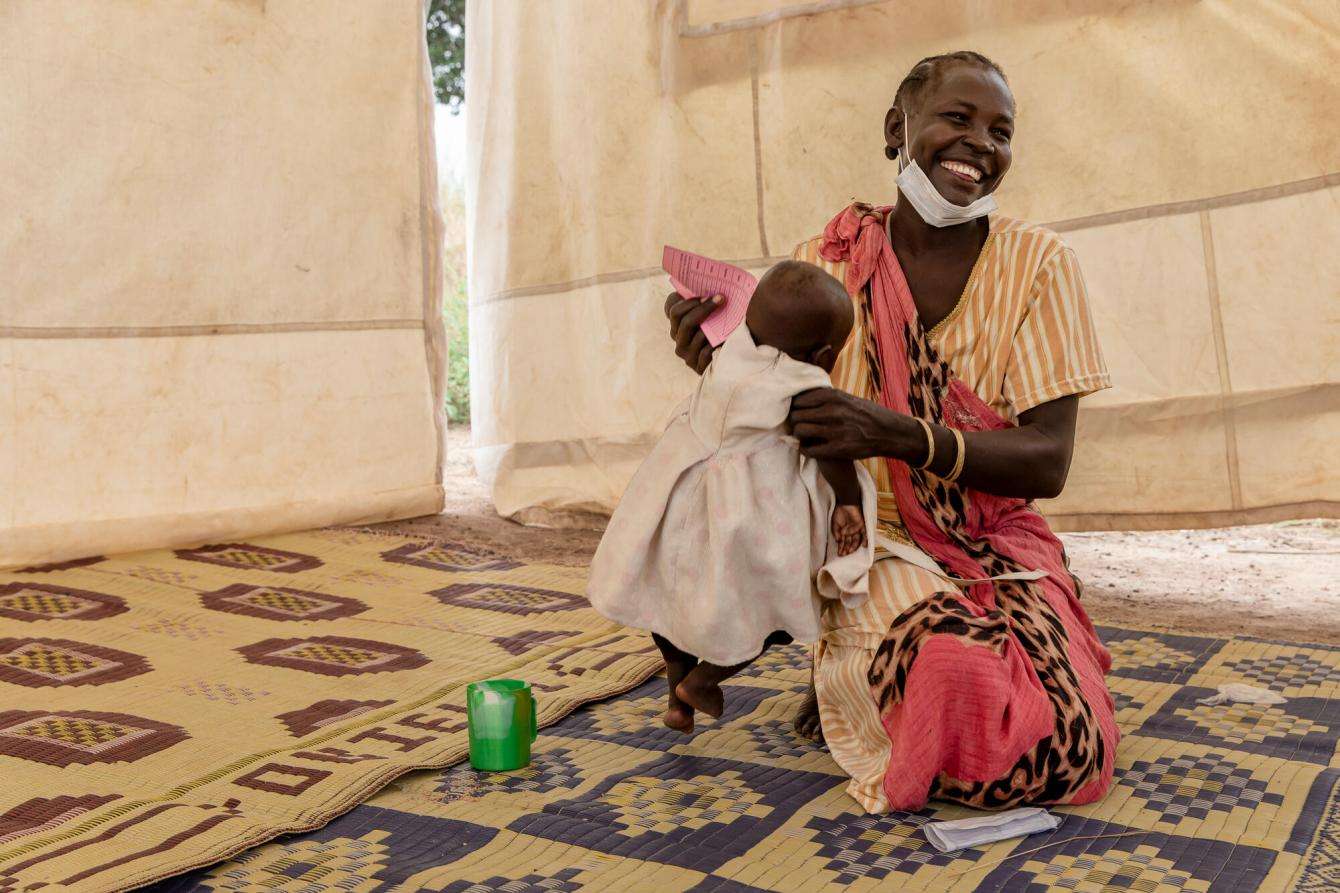
"I am happy the program is here," said Ateny Mayen Akoi after her eight-month-old daughter Agel received SMC medications at a distribution site in the village of Kuom. "Prevention is important. I have six children and two of them are younger than five. Now they can be protected. Malaria is bad every year and now is the first time drugs for its prevention are available to us," said Ateny Mayen Akoi after her eight-month-old daughter Agel received SMC medications at a distribution site in the village of Kuom.
Improving the prevention of malaria is an urgent task, and multiple interventions are needed in combination, according to MSF staff.
"Seasonal malaria chemoprevention is an important tool that has already been used successfully in countries of West and Central Africa that also have high transmission of malaria," explained Saschveen Singh, MSF tropical infectious diseases advisor. "It is essential to find the best combination of approaches to reduce malaria's devastating impact on young children, which is why we are carefully piloting this effort in South Sudan."
Lawal notes that preventing malaria is cheaper and often easier than treating it.
"SMC certainly is effective," Lawal said. "However, we also have to remember that SMC isn’t the only form of prevention. Distribution of mosquito nets, indoor residual spraying with insecticides or ensuring sanitation of stagnant water are all measures that have an important role to play. There is no one silver bullet."
MSF first began working in Aweil in 1987, assisting the local hospital. Today we offer pediatric and maternal health care throughout the year at Aweil State Hospital, which serves around 1.2 million people. Our services include an inpatient feeding center for malnourished children; a pediatric and neonatal ward; an intensive care unit; an emergency room; a maternity unit with treatment of basic and complicated obstetric care; and malaria treatment with rapid diagnostic tests, medication, and supervision at the hospital and in primary health care centers during malaria peak.