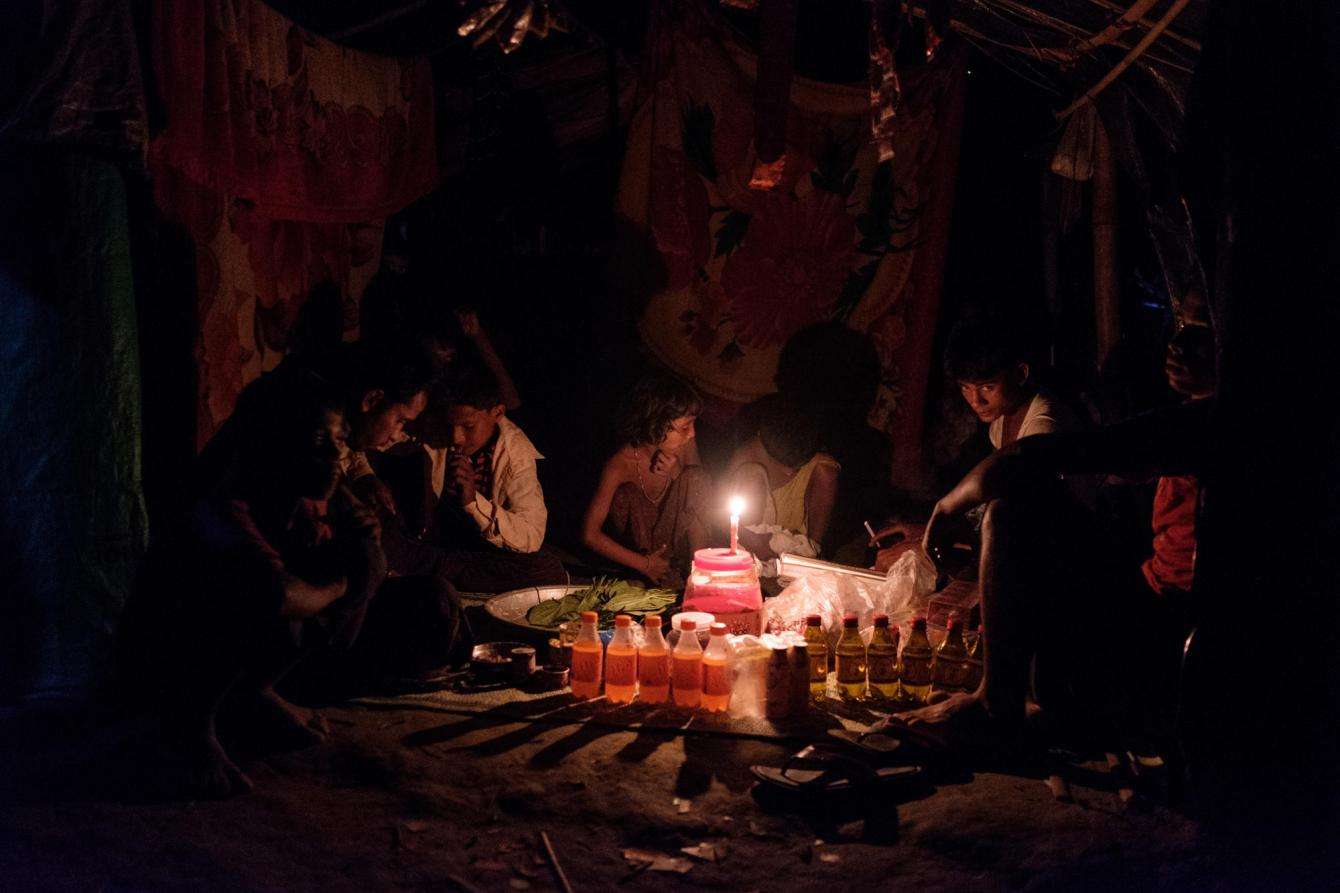
A timeline of the Rohingya crisis

Years after the mass exodus of Rohingya people from Myanmar, their future looks as uncertain as ever. Learn more about the history of the crisis.

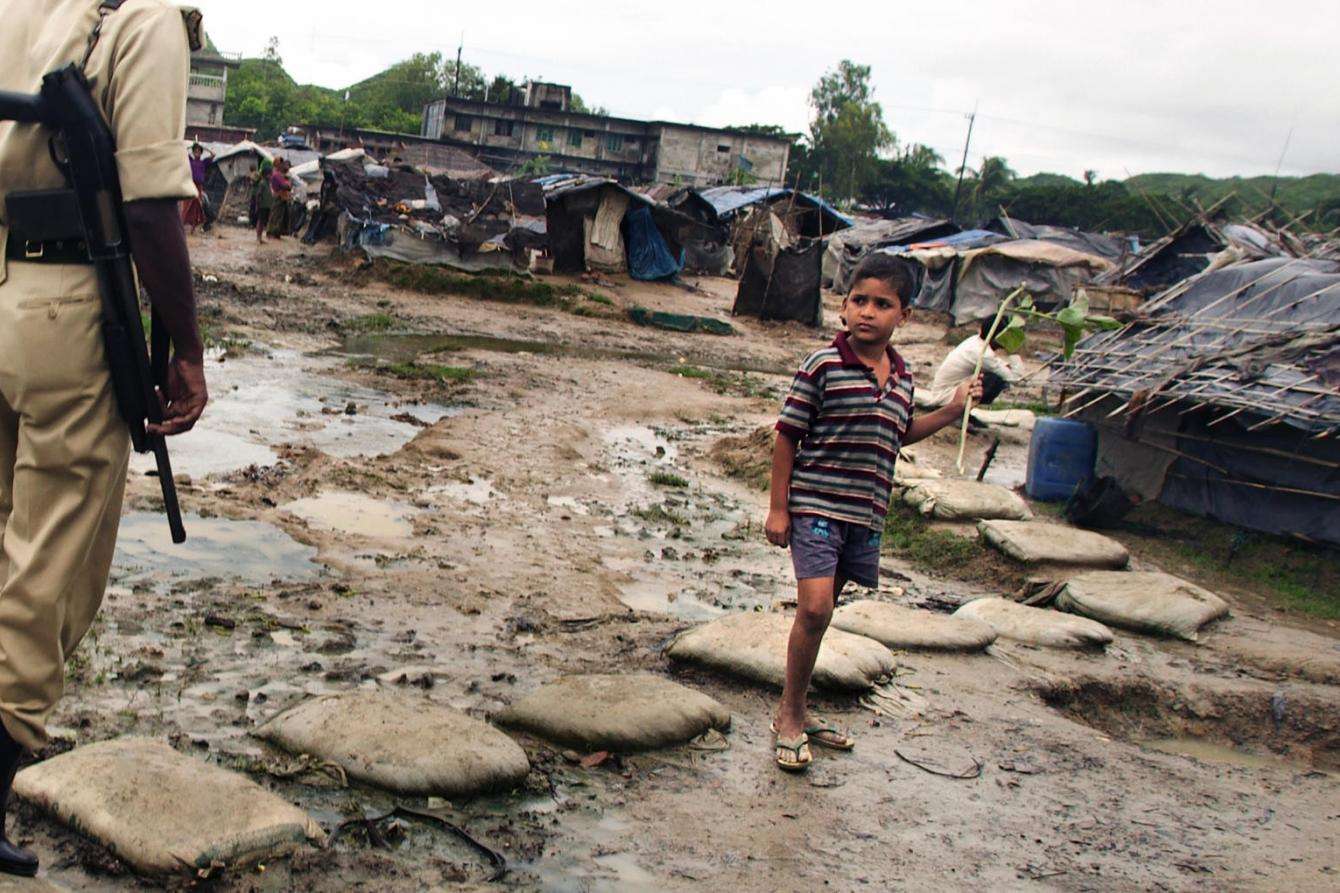
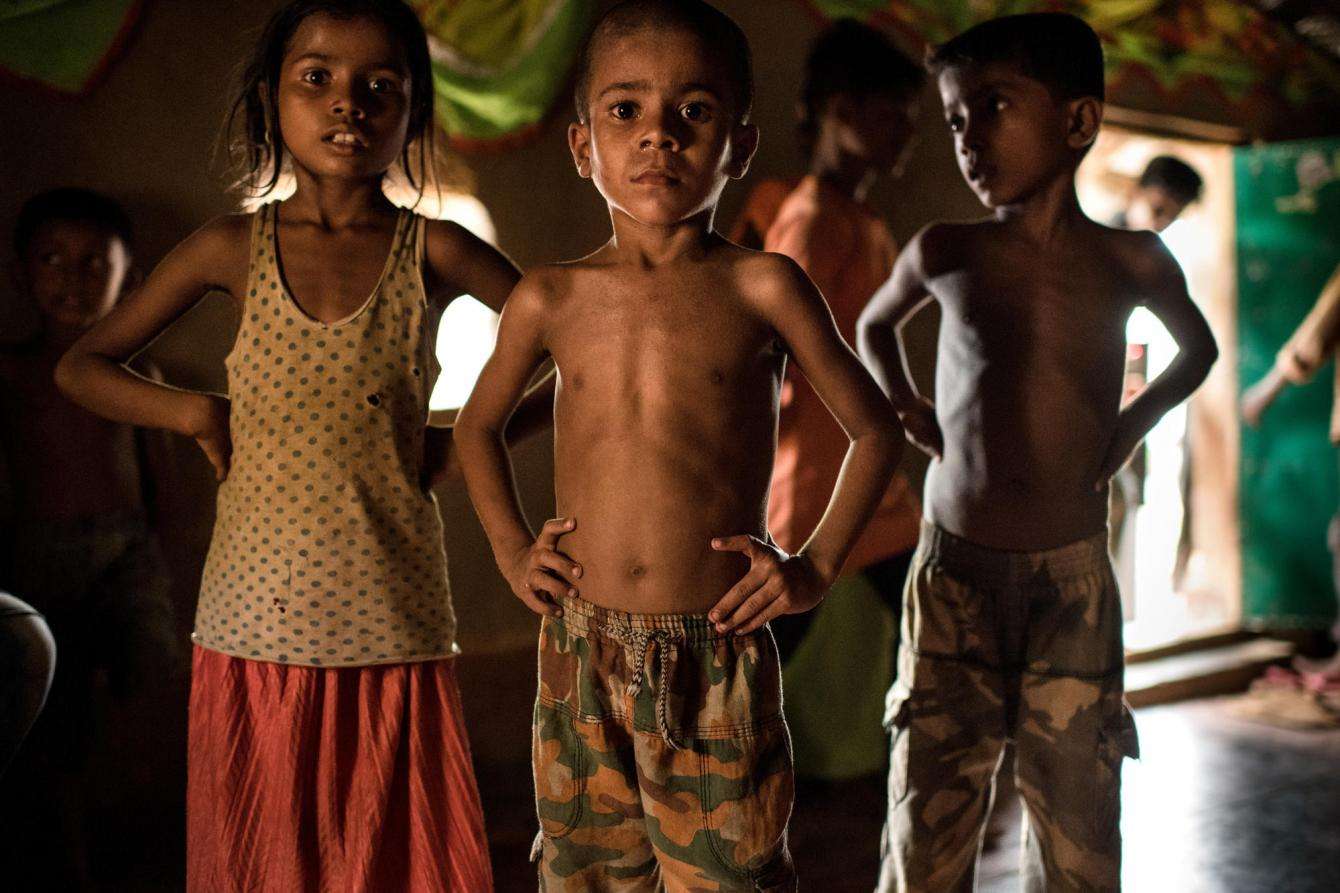
Waiting for monsoon season in Cox´s Bazar

Bangladesh 2018 © Pablo Tosco/Angular

Last updated on August 25, 2026

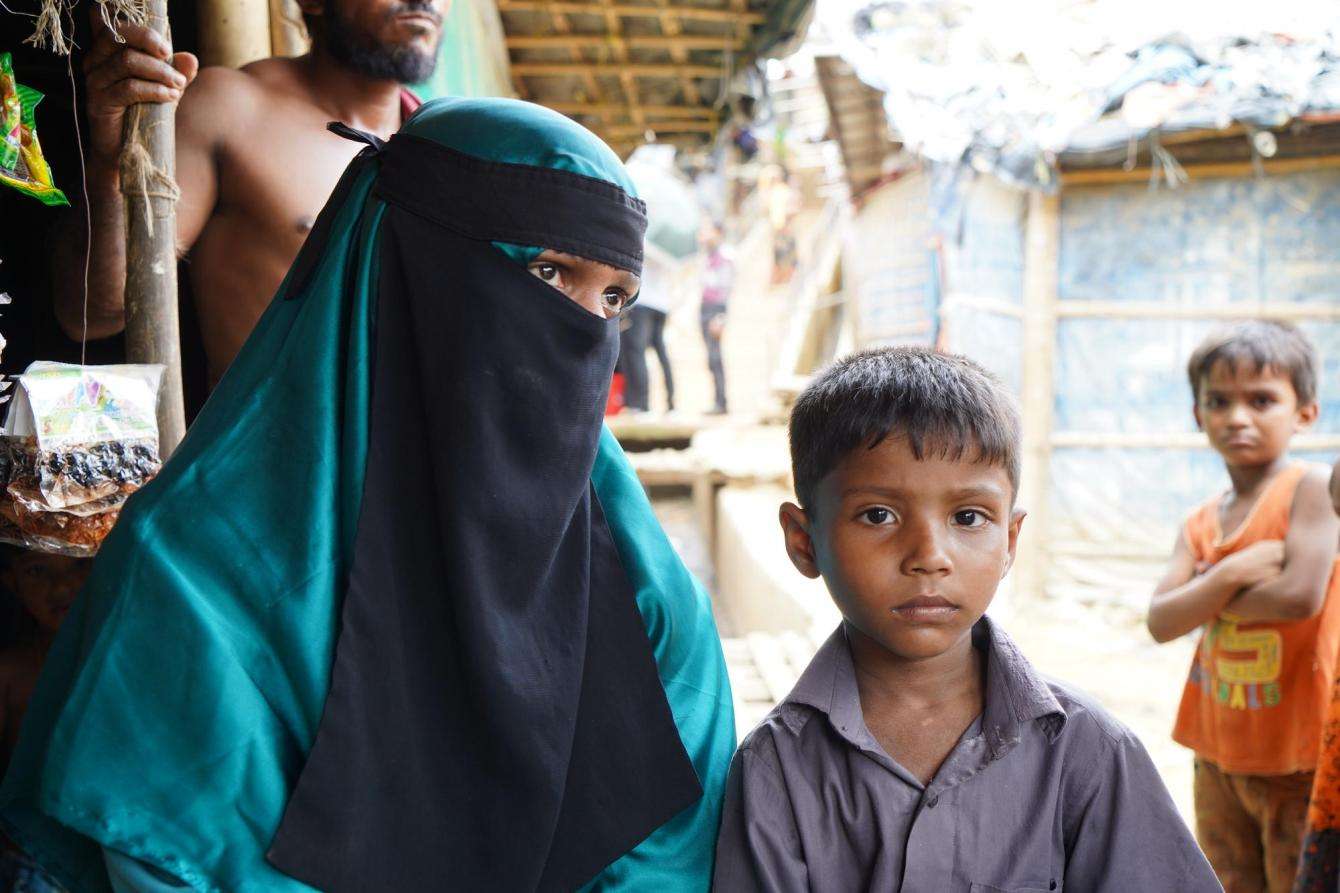
Nine years after the mass exodus of Rohingya people from Myanmar, their future looks as uncertain as ever. A campaign of targeted violence launched by the Myanmar military in August 2017 forced some 700,000 ethnic Rohingya refugees to seek safety just across the border in Bangladesh, joining thousands of others from the community who had fled earlier episodes of violence and abuse. Today there are more than 1 million Rohingya living in overcrowded camps in Cox’s Bazar, which is now the largest refugee settlement in the world. Their struggles over successive cycles of violence and persecution have long been an underreported crisis.

Doctors Without Borders/Médecins Sans Frontières (MSF) has provided medical aid to the Rohingya in Myanmar and Bangladesh for decades. 
Learn more about our work in Bangladesh >

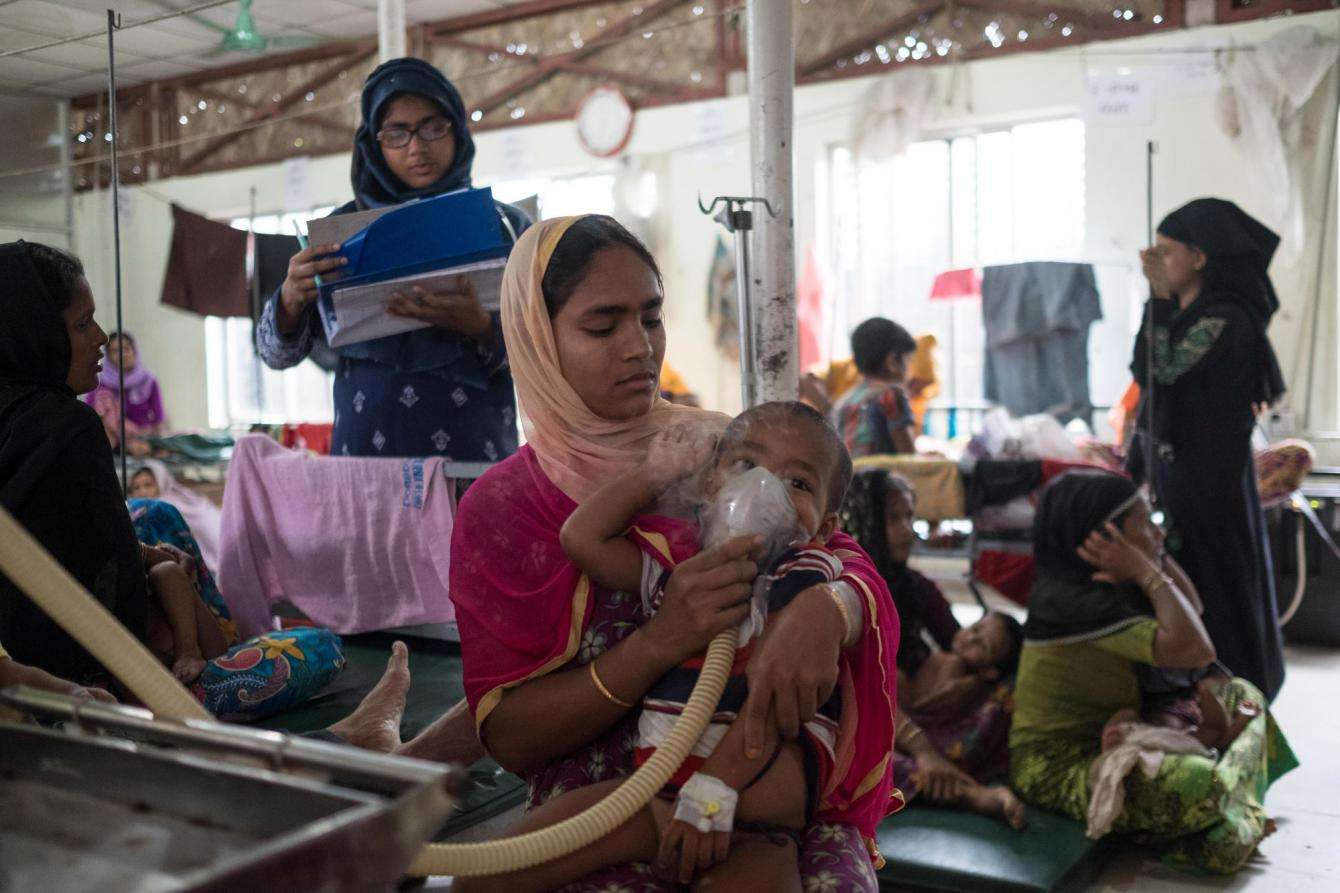
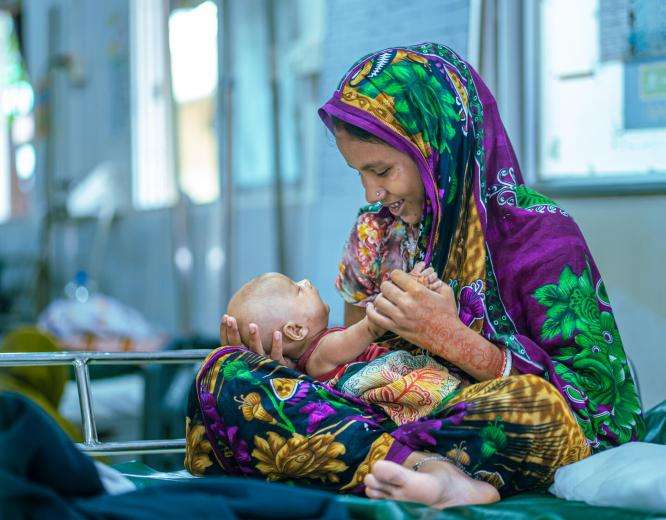
Mina Bala sits with her 2-month-old daughter, Misti Foti, at MSF’s Kutupalong Hospital in Bangladesh. Bangladesh 2026 © Nazmul Islam/MSF

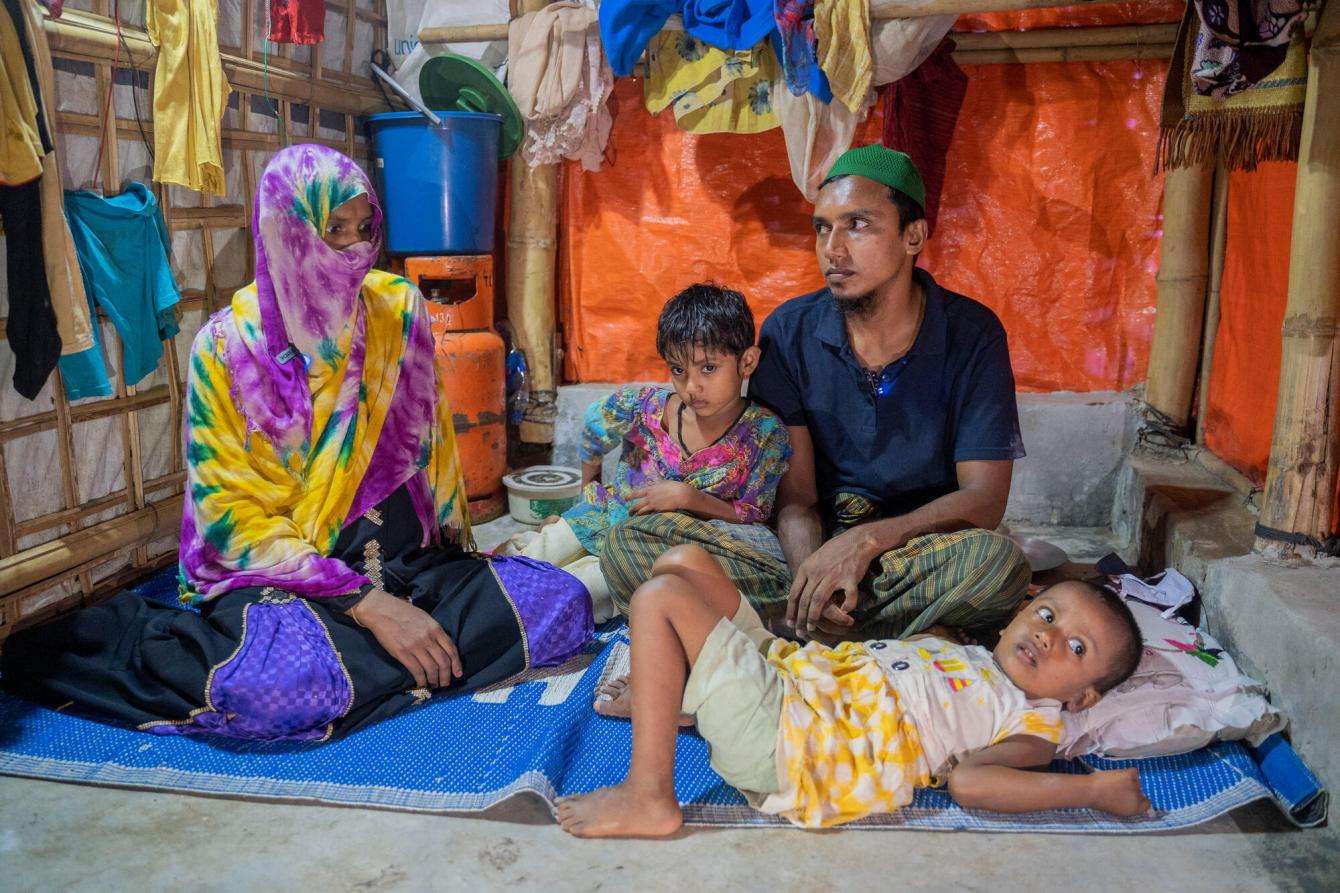
Rohingya children bear the consequences of a life in limbo

MSF teams are treating growing numbers of critically ill children as humanitarian funding cuts disrupt services for refugees.

Read more

1977

Myanmar, the country then known as Burma, launches Operation Dragon King (Naga Min) in Rakhine state. The Rohingya ethnic minority are considered "illegal" after being stripped of their citizenship, thus beginning a cycle of forced displacement. 

Rohingya camp in Bangladesh in 1978.
Bangladesh 1978 © MSF

1977-1978

Operation Dragon King includes mass arrests, persecution, and horrific violence, driving some 200,000 Rohingya across the border to Bangladesh. The neighboring country opens refugee camps, where MSF provides medical aid. The living conditions inside the camps are woefully inadequate. By 1979, most of the Rohingya are repatriated to Burma. Of those remaining in Bangladesh, some 10,000 people die, the majority children, after food rations are cut. 

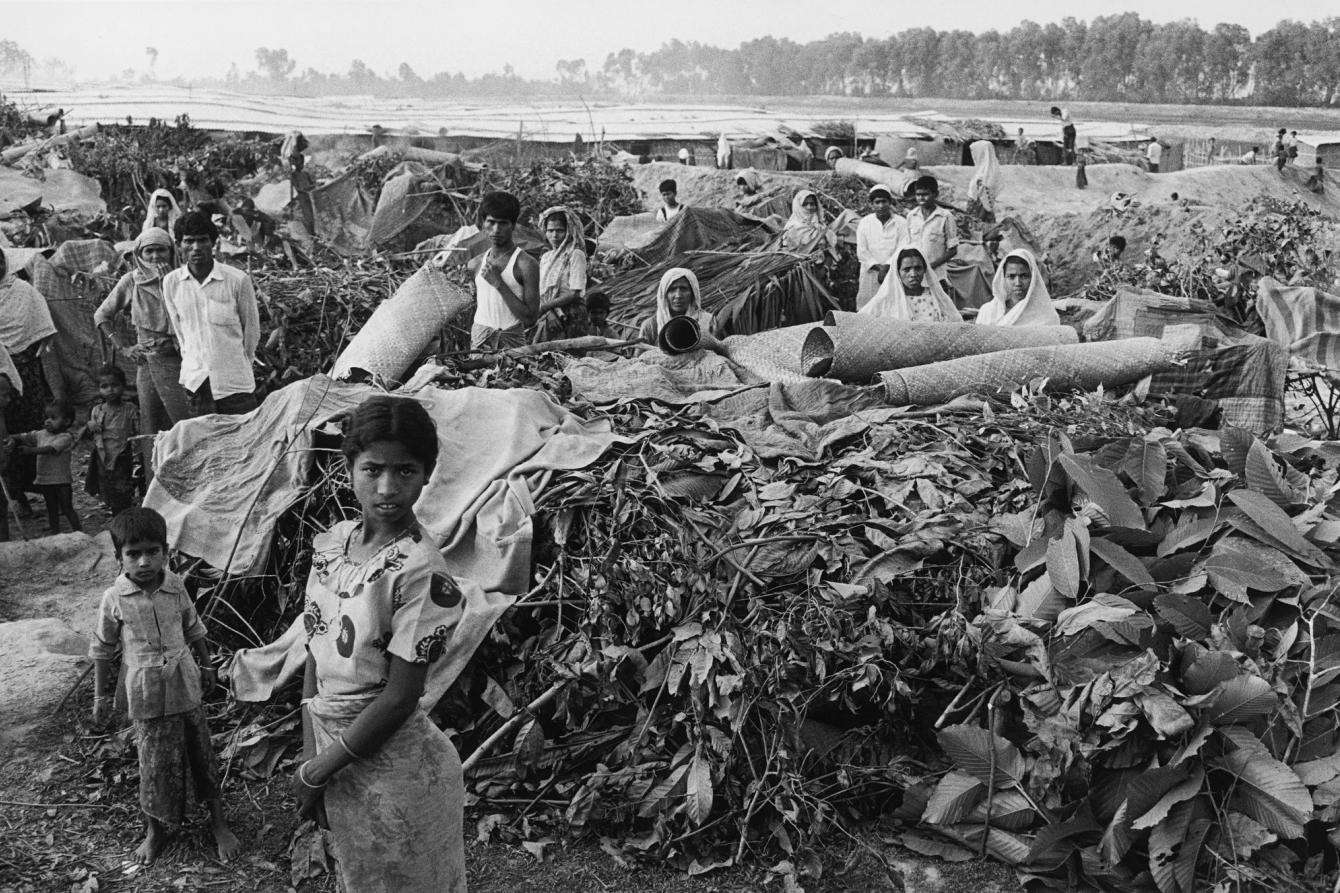
Rohingyas
Bangladesh 1992 © John Vink/MAPS

1989

After a military crackdown that follows the suppression of a popular uprising, Burma is renamed Myanmar. The ruling State Law and Order Restoration Council increases its military presence in northern Rakhine state, and the Rohingya are reportedly subject to compulsory labor, forced relocation, rape, summary executions, and torture. Some 250,000 Rohingya flee to Bangladesh. 

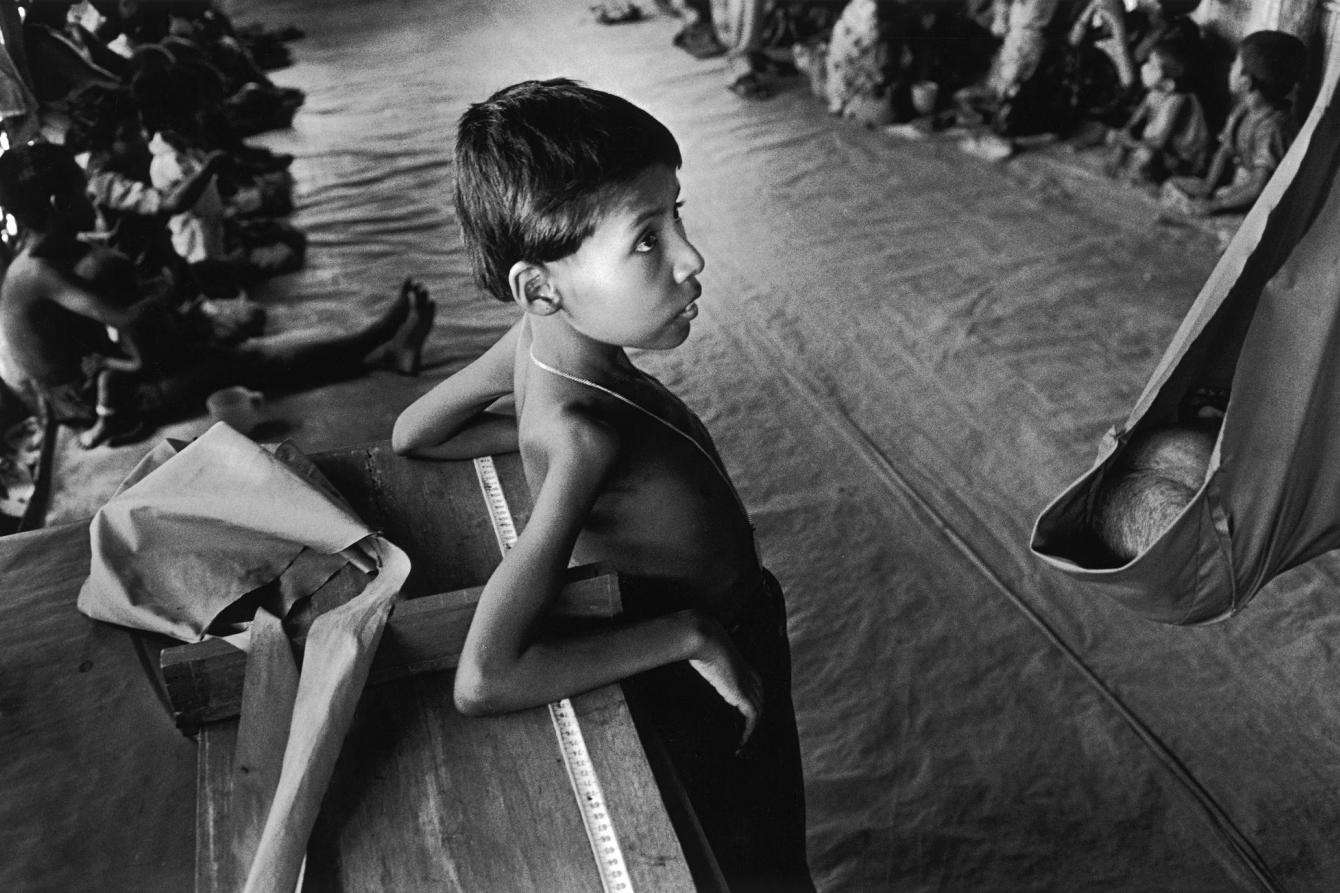
A Rohingya child.
Bangladesh 1992 © John Vink/MAPS

1991-1992

MSF provides medical services in nine of the 20 refugee camps established for the Rohingya in southwestern Bangladesh. Food, water, and sanitation in the camps are inadequate. 

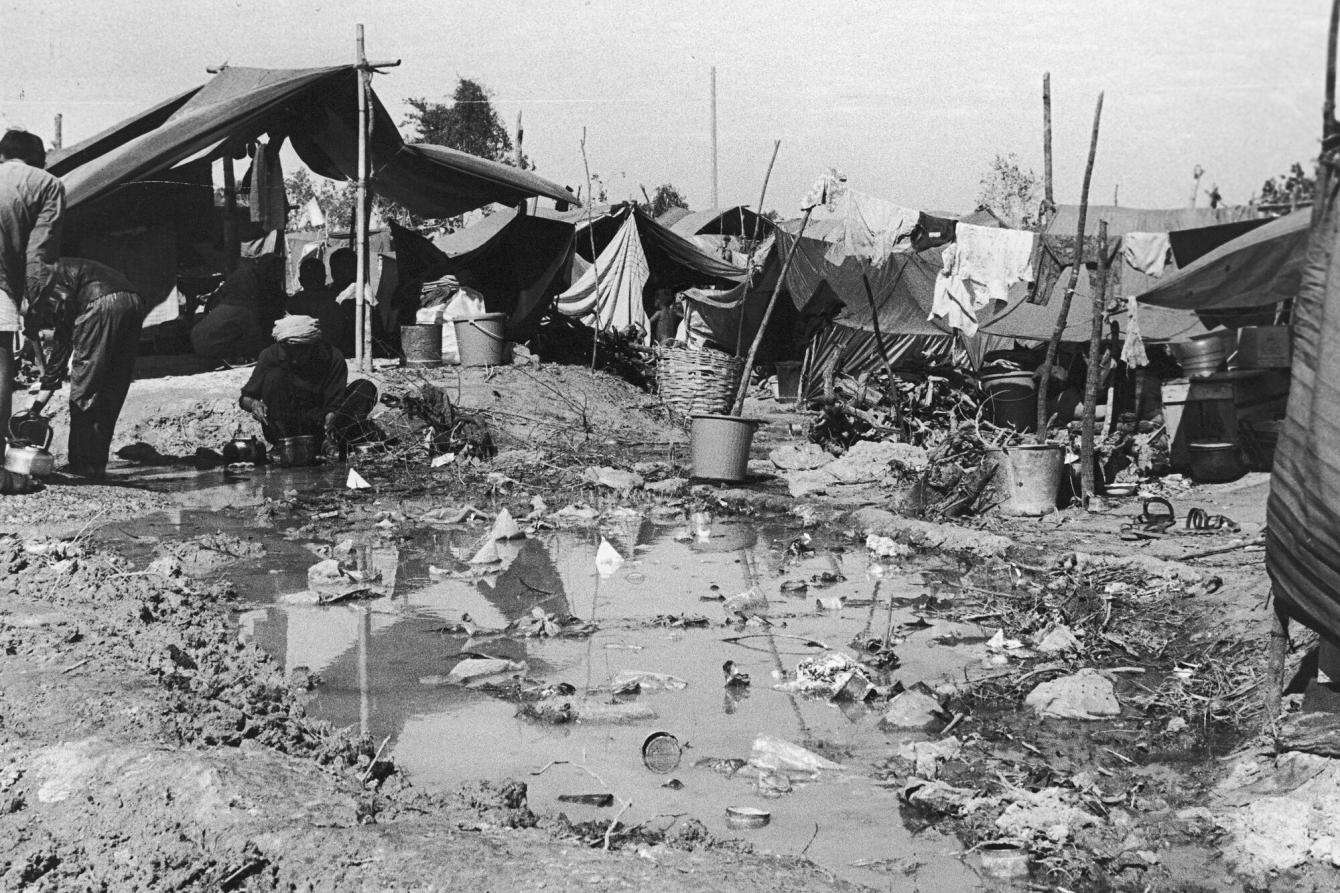
Poor conditions at a Rohingya refugee camp in Bangladesh.
The scene at Dumdumia camp (above), in Cox's Bazar, Bangladesh, shows the lack of adequate shelter. Bangladesh 1992 © Liba Taylor
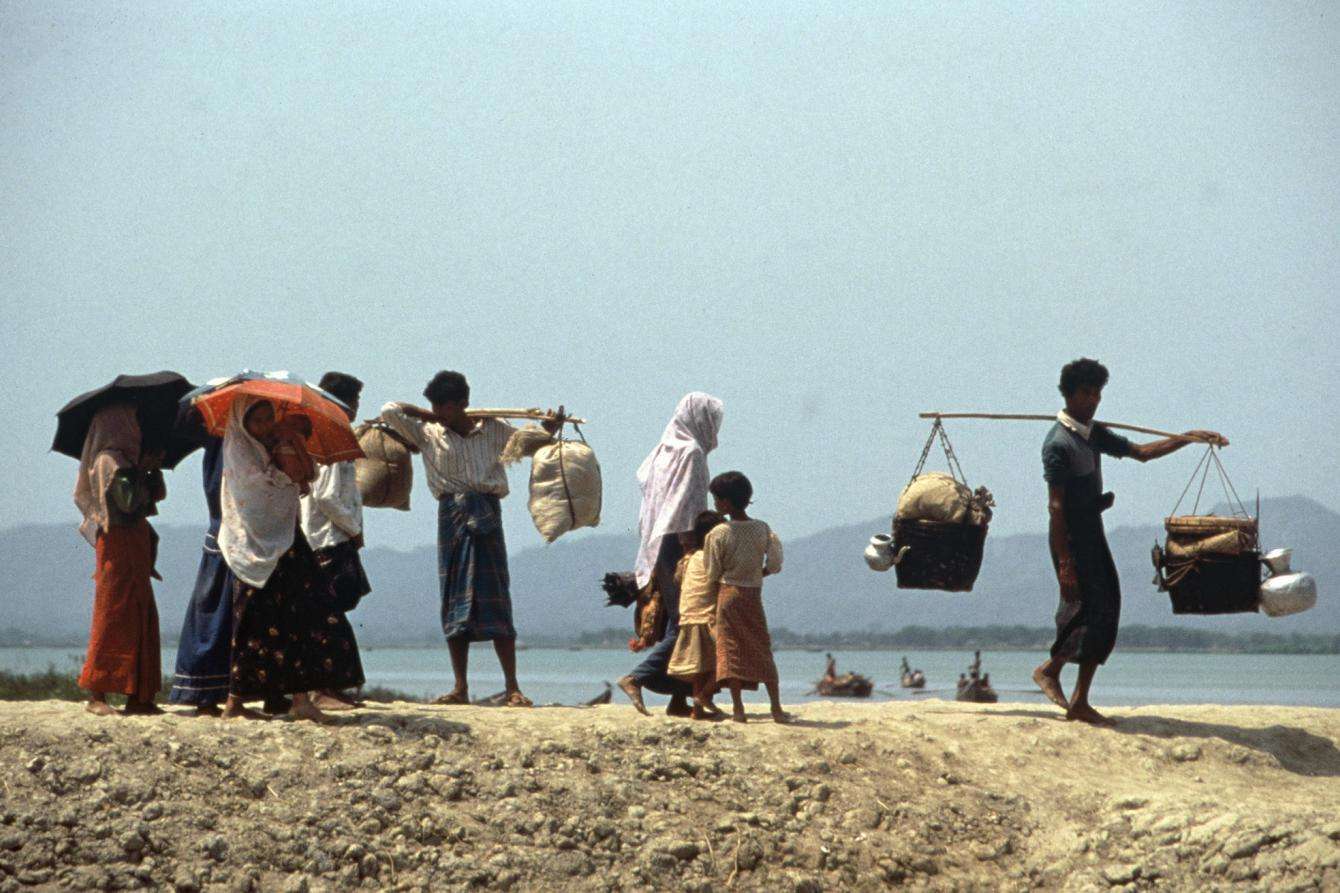
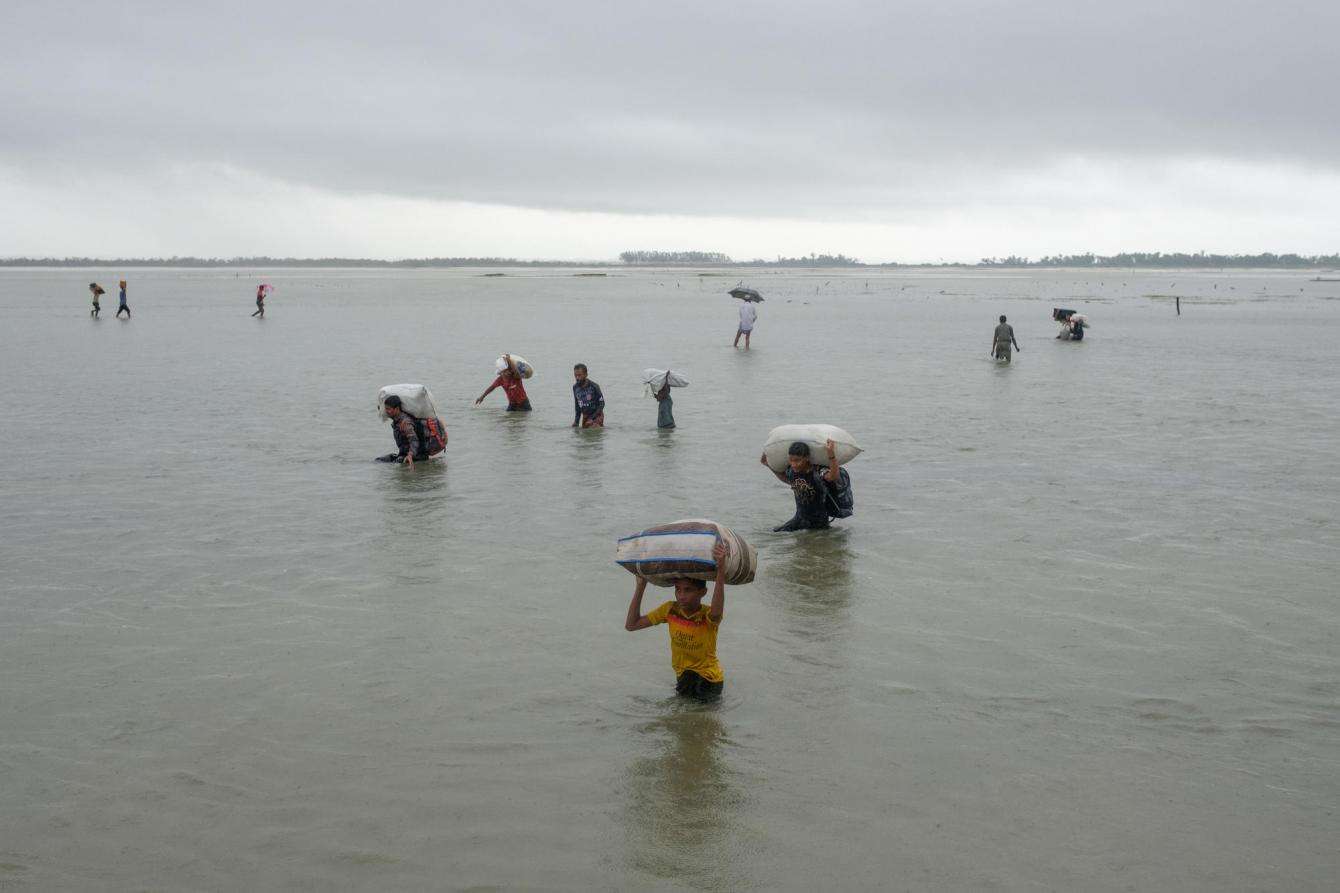
Rohingya refugees carry their belongings in Bangladesh.
Rohingya refugees arrive in Bangladesh, bringing only what they can carry. Bangladesh 1992 © Liba Taylor

1992

The governments of Bangladesh and Myanmar sign an agreement to repatriate refugees, and the camps are closed to new arrivals in the spring. By fall, forced repatriation begins, despite protests by the international community. Over the following years, hundreds of thousands of Rohingya are sent back to Myanmar, and new refugees attempting the journey are denied entry to Bangladesh. 

Teknaf makeshift camp
Bangladesh 2003© Johannes Abeling

2003

Of the 20 camps that were built in Bangladesh in the early '90s, two remain: Nayapara camp near Teknaf (above) and Kutupalong camp near Ukhia. Living conditions remain dire — a study finds that 58 percent of children and 53 percent of adults are chronically malnourished. 

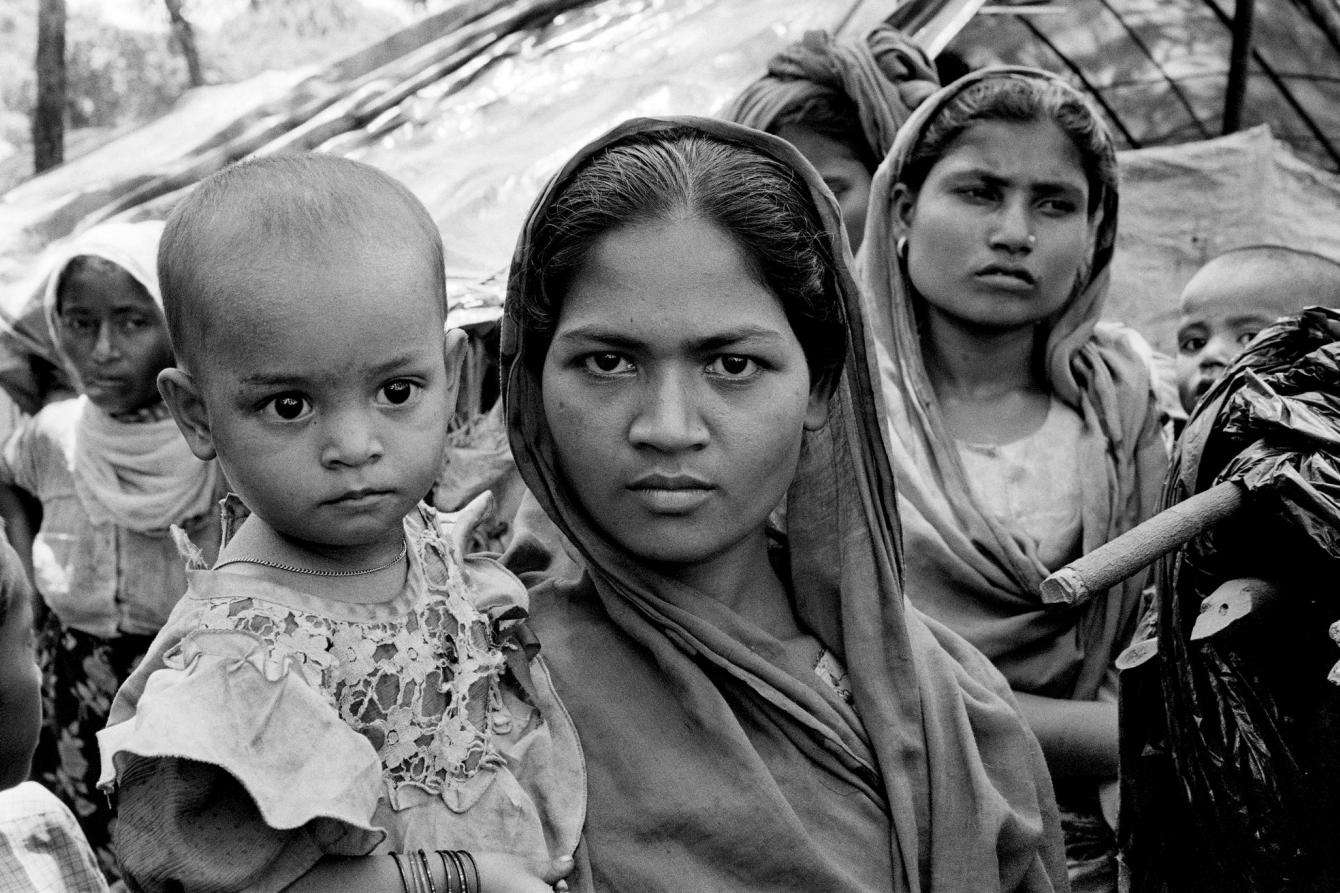
A Rohingya woman with her child.
Bangladesh 2006 © Greg Constantine

2006

Some 79 percent of the shelters in the two remaining camps in Bangladesh are flooded during the rainy season. The substandard conditions contribute to cases of diarrhea, respiratory infections, and malnutrition. At the MSF therapeutic feeding center serving the makeshift camp near Teknaf, staff take care of an average of 40 severely malnourished children each day. 

Bangladesh 2009 © Juan Carlos Tomasi

2009

MSF runs a medical facility in Kutupalong makeshift camp in Bangladesh. Only a small percentage of Rohingya seeking refuge in Bangladesh are officially recognized as refugees from the crisis. Unrecognized Rohingya refugees are vulnerable to harassment and exploitation. 

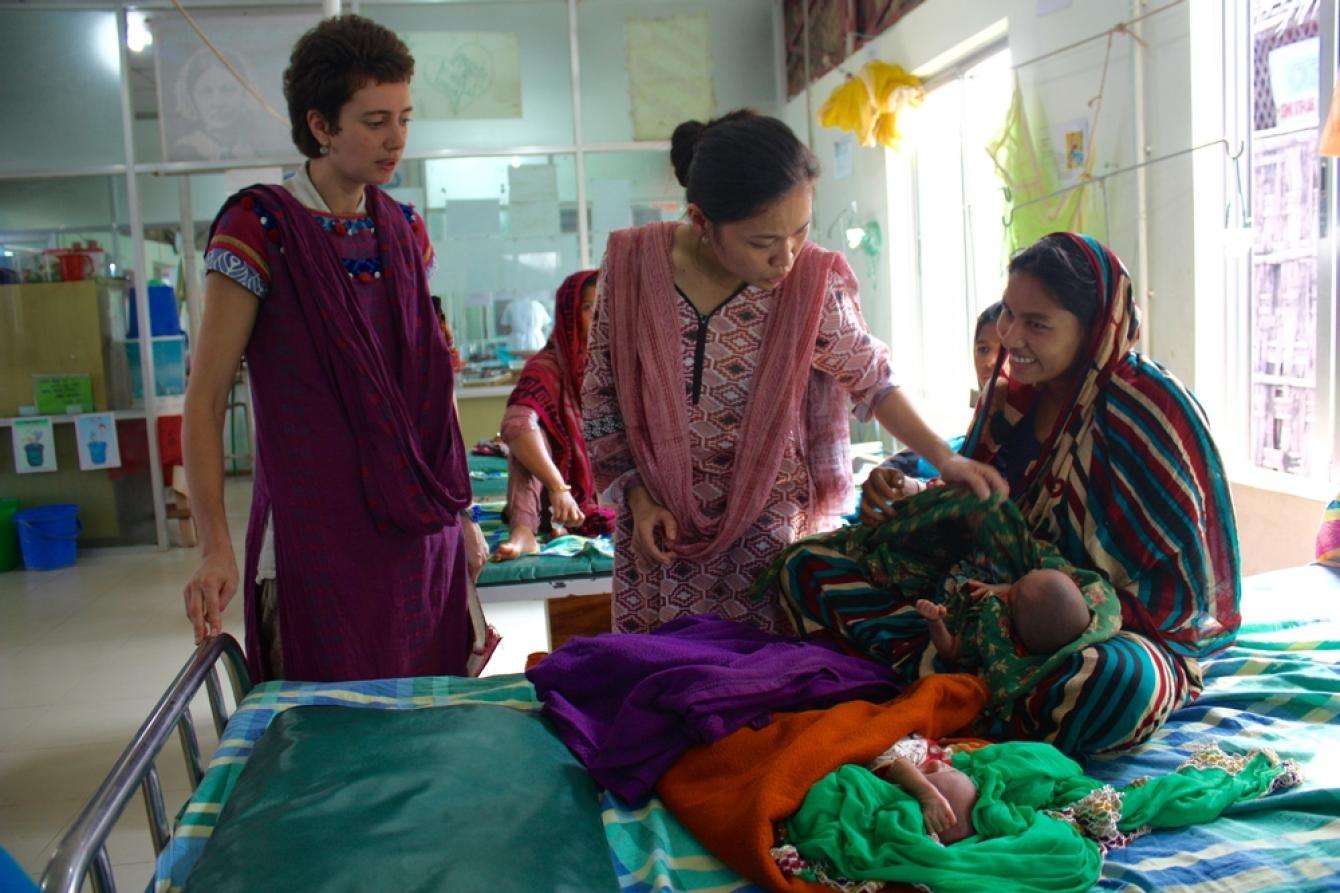
MSF neonatal ward in Kutupalong camp
Bangladesh 2016 © Alva Simpson White/MSF

2016

MSF’s clinic in Kutupalong makeshift camp provides comprehensive medical care to Rohingya refugees and the local community in Bangladesh. The October 9 Rohingya militant attacks on border police in Myanmar’s Rakhine state trigger reprisals against the Rohingya community, bringing a new wave of refugees across the border and an influx of patients to the MSF clinic in November and December.

A Rohingya family arrives at the Bangladesh border from Myanmar.
A Rohingya family arrives at the Bangladesh border from Myanmar. Bangladesh 2017 © Antonio Faccilongo

2017

Following Rohingya militia attacks on several police and army posts in Myanmar on August 25, state security forces launch a campaign of horrific violence and terror targeting the Rohingya community. More than 700,000 Rohingya are driven out of Myanmar within weeks. The cycle of mass displacement begins again, this time on an unprecedented scale. MSF documents more than 6,700 violent deaths among the Rohingya.

MSF Medical Action - Rohingya Crisis
Bangladesh 2017 © Antonio Faccilongo

2017

A newly arrived Rohingya family shelters in their tent (above) at Unchiparang settlement. Most of the recent arrivals have moved into makeshift settlements without adequate access to shelter, food, clean water, or latrines. 

MSF Medical Action - Rohingya Crisis
Bangladesh 2017 © Antonio Faccilongo

2017

Medical facilities in Bangladesh, including those run by MSF, are quickly overwhelmed. In September, MSF calls for an immediate scale-up of humanitarian aid to the Rohingya in Bangladesh to avoid a public health disaster. MSF also urges the government of Myanmar to allow independent humanitarian organizations unfettered access to northern Rakhine state. 

Megacamp
Bangladesh 2018 © Vincenzo Livieri

2018

An outbreak of diphtheria rages in the refugee camps in Cox's Bazar. Though diphtheria is covered by the most basic vaccine packages, the deadly childhood disease spreads quickly through the camps in Bangladesh, where most children have not been immunized. MSF treats 6,442 cases from August 2017 to June 2018.

Mental Health: Rohingya Trauma and Resilience - Zaida Story
Bangladesh 2018 © Robin Hammond/MSF

2018

Most of the Rohingya seeking shelter in Bangladesh from the crisis have suffered from or witnessed violence, lost family members or friends, or experienced persecution. Many say they’d like to go home, but not until their safety can be guaranteed. Since the beginning of this latest crisis, MSF has made mental health services a priority. From August 2017 to September 2018, MSF teams provided more than 16,000 individual mental health consultations and 18,000 group mental health sessions in Bangladesh.

Mental Health: Rohingya Trauma and Resilience - Sawmiraj and Mohib Story
Bangladesh 2018 © Robin Hammond

2019

Between August 2017 and February 2019, MSF teams provided more than one million medical consultations for Rohingya refugees in Cox's Bazar, Bangladesh. Our teams continue to treat tens of thousands of patients a month. The emergency has become a protracted crisis, with no end in sight.

"It's difficult to plan a future for our children"
Bangladesh 2019 © Dalila Mahdawi/MSF

2020

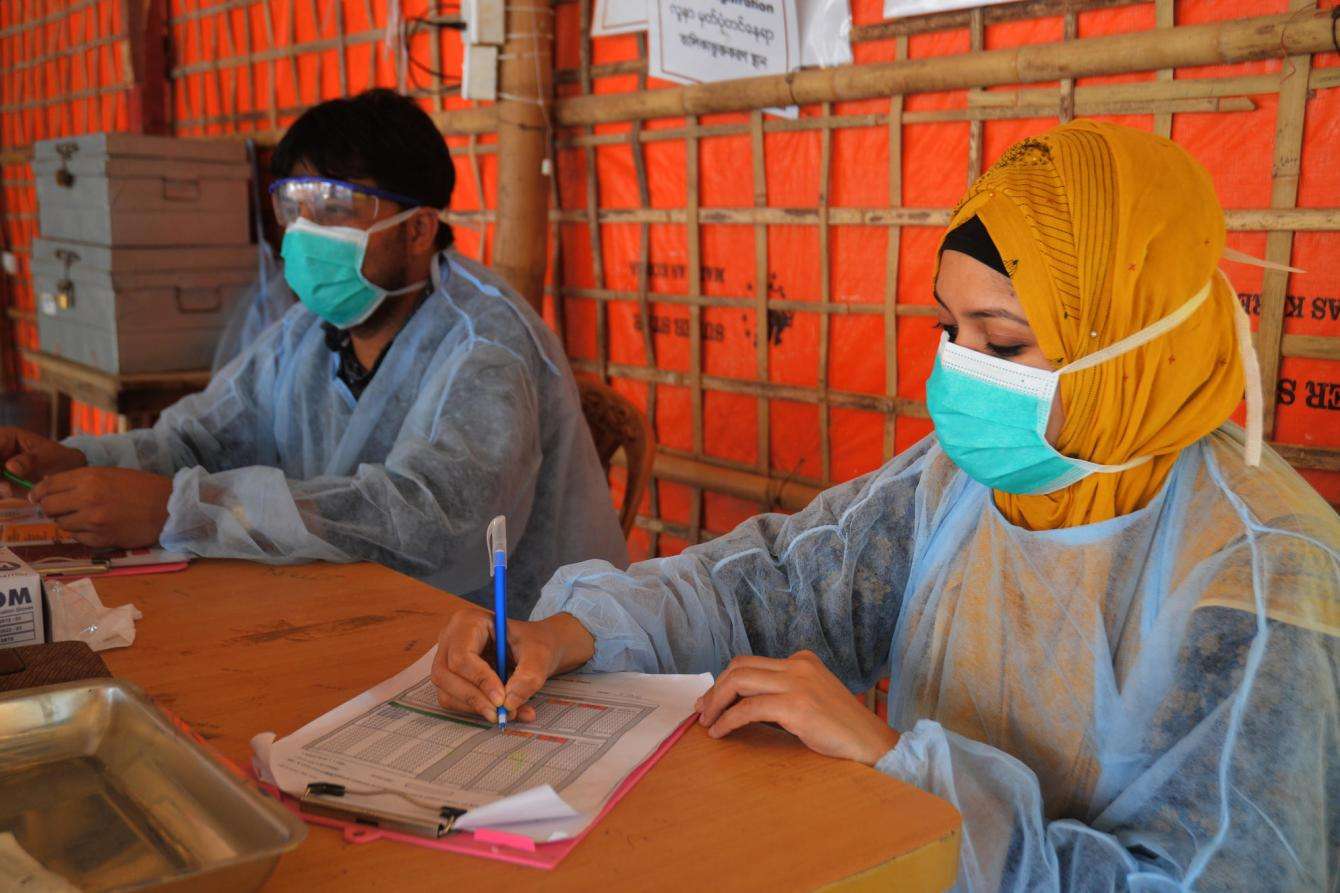
In the spring of 2020, MSF begins preparing for COVID-19 in the world's largest refugee camp, scaling up activities and setting up isolation beds in our projects in Cox’s Bazar district. COVID-19 training is provided for all staff, covering everything from basic infection prevention and control measures to protocols on managing patients with suspected cases. The UN refugee agency reports the first confirmed case of COVID-19 in the camps on May 14. MSF treats several patients with COVID-19 and monitors others with suspected cases of the disease. Health workers face a higher risk of contracting COVID-19, and also come under threat for doing their jobs. Starting in December, the Bangladeshi government begins relocating some refugees to Bhasan Char, a silt island in the Bay of Bengal that had remained uninhabited until now — due in part to its remote location and unstable environment.   

COVID-19: challenges in Bangladesh and the Rohingya refugee camps
Bangladesh 2020 © Daniella Ritzau-Reid/MSF

2021

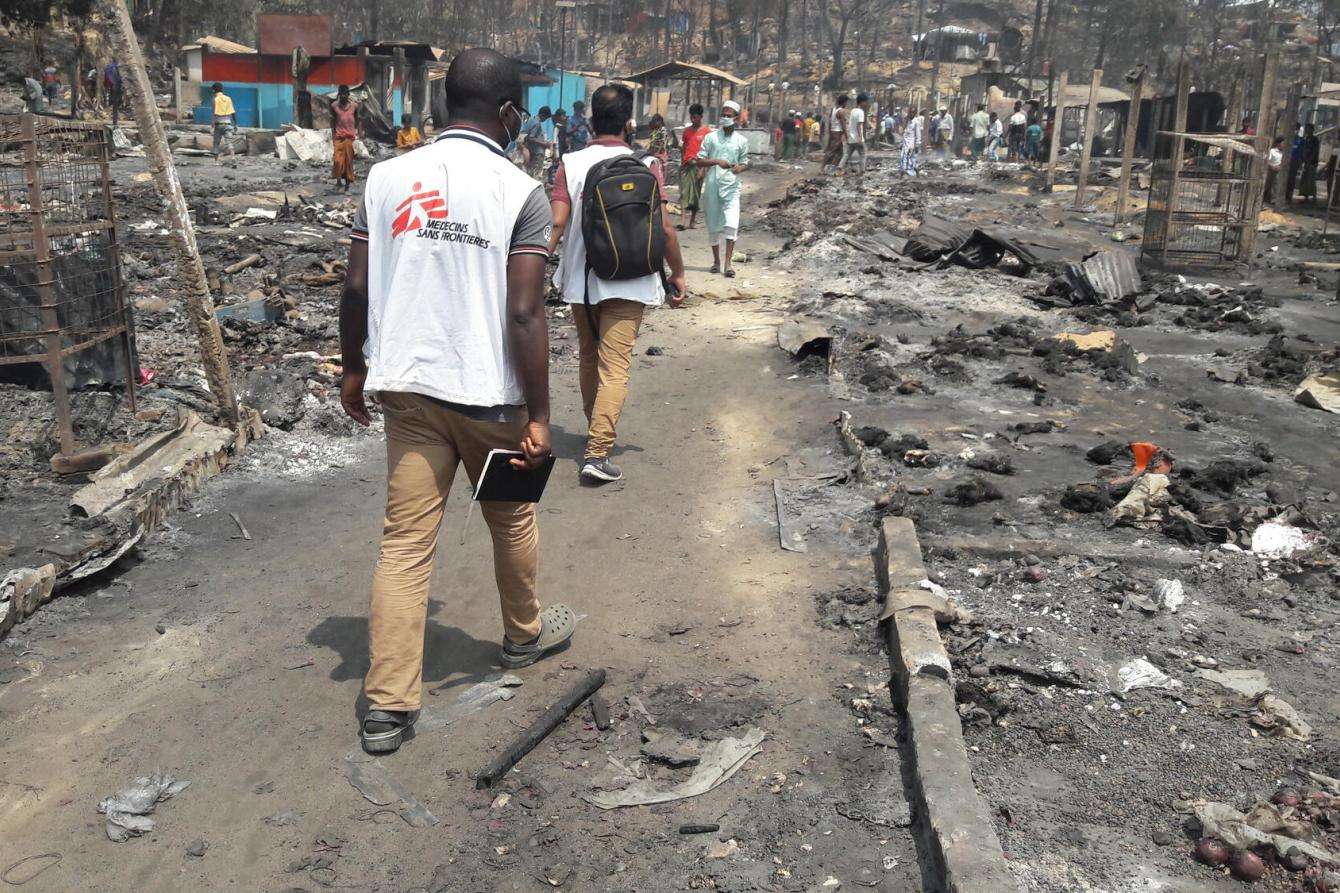
Bangladeshi authorities impose strict lockdown measures during the COVID-19 pandemic that further restrict freedom of movement and work opportunities for Rohingya people. Amid increasingly desperate conditions, armed groups gain strength through violence and extortion. As living conditions continue to deteriorate, fires break out in the camp, including one in the Balukhali area that injures 11 people and destroys an MSF clinic in March. The camp is then hit with heavy rains and floods starting in July.    

The ongoing crisis means many Rohingya have to make impossible choices about their future. Some make the dangerous journey on trafficking boats across the Bay of Bengal to join the more than 100,000 Rohingya living in Malaysia. Often these boats are caught by Malaysian authorities, but when they turn back to Bangladesh, they are blocked by Bangladeshi authorities and stranded at sea for weeks — sometimes months.

Miserable conditions in the camp and bleak prospects for the future fuel a mental health crisis among the Rohingya living here.
 

MSF staff in Cox's Bazaar, Bangladesh.
Bangladesh 2021 © Pau Miranda/MSF

2022

Five years after the largest campaign of targeted violence ever committed against the Rohingya in Myanmar, nearly one million people are living in the same bamboo and plastic shelters in Cox's Bazar, dependent on aid, with no better solutions in sight. 

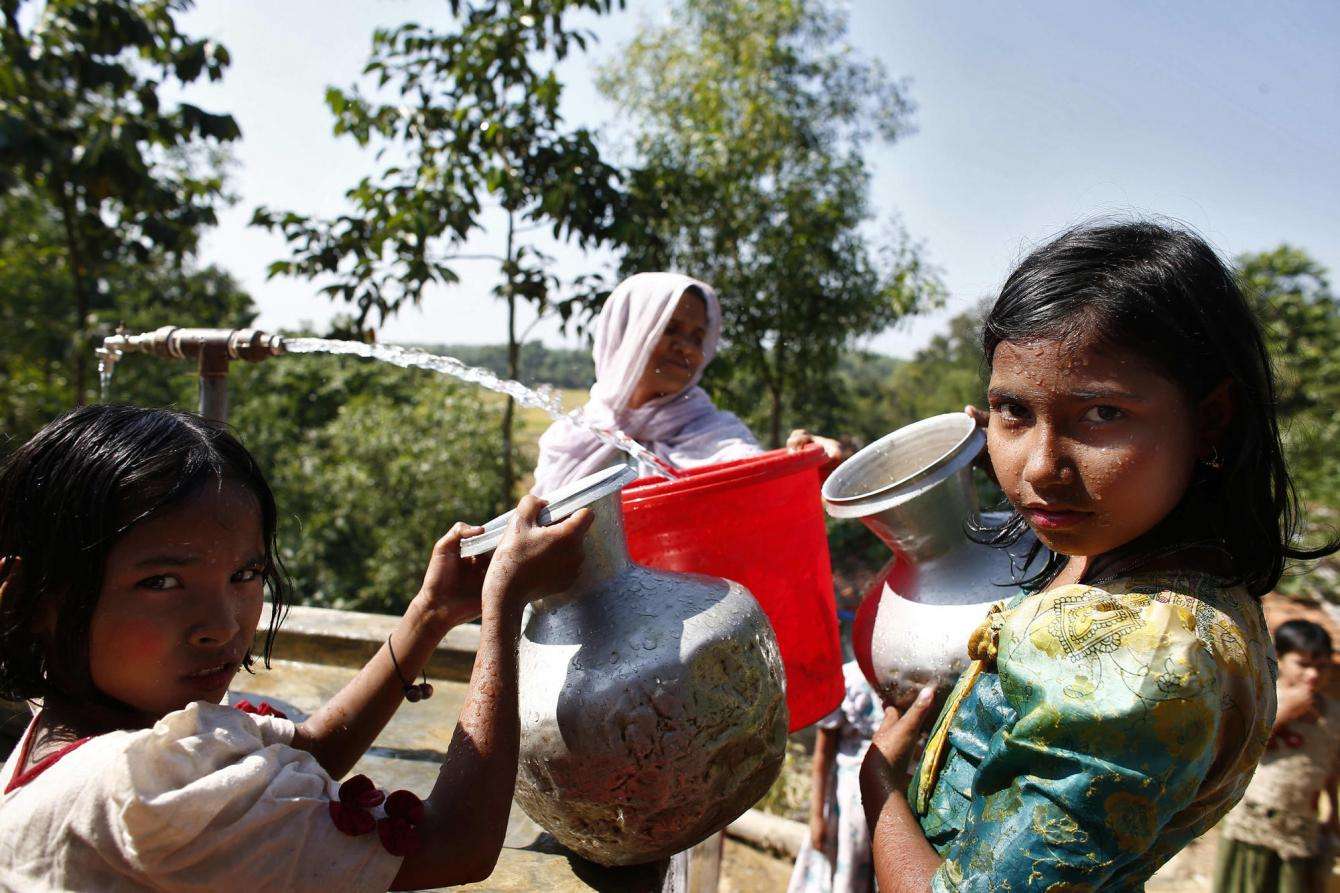
The Rohingya are especially vulnerable in this crisis as stateless people, long denied citizenship in Myanmar. With no official refugee status in Bangladesh, the Rohingya have little access to employment or education and remain dependent on humanitarian aid. Even the most basic needs for water and sanitation are unmet. MSF teams see the impact of these conditions on patients' health — an increase in skin infections, waterborne diseases, and chronic illnesses like diabetes and high blood pressure. As the largest provider of mental health care in the camp, MSF also sees an increase in needs for psychological and psychiatric care.

MSF will continue to provide care for the Rohingya and to advocate for greater international efforts to ensure that they have a chance for a better future. 
 

A Rohingya refugee family inside their shelter.
Bangladesh 2022 © Saikat Mojumder/MSF

2023

The safe return of Rohingya refugees to their home country of Myanmar remains a dream. They still need guarantees of their rights, including recognition of their citizenship and a return to homes on their land. Life in the camps of Cox’s Bazar remains fraught. Inhabitants are still surrounded by barbed wire fences installed during the outbreak of COVID-19. The Rohingya are not allowed to work or leave the camps; access to water, food, and health care for more than one million people depends on international humanitarian aid.

Yet aid is dwindling. For the last two years, the commitment of UN member states to the funding appeal for the Rohingya has dropped from around 70 percent in 2021, to around 30 percent in 2023. The World Food Program’s food rations were cut from the equivalent of $12 per person per month to $8.

Unsanitary living conditions have led to various issues. The number of patients with dengue fever increased tenfold in 2022 and continued to rise in 2023. MSF teams also saw a spike in cholera this year. Cyclone Mocha in May, along with other extreme weather events, destroyed shelters, caused landslides, and added to the overall vulnerability of the camps’ residents.

In Myanmar’s Rakhine state, where many Rohingya live, communities were devastated yet again in late 2023 by an intensifying conflict between the Myanmar Armed Forces and the Arakan Army. Fighting has led to MSF having to suspend medical activities in northern Rakhine, although teams have tried to provide telehealth consultations and months’ worth of medication to people with chronic diseases.

Scabies Outbreak in Cox's Bazar May-June 2023
A community health volunteer raises awareness about scabies, following an outbreak in the Cox’s Bazar camps. | Bangladesh 2023 © Olivier Malvoisin/MSF

2024

In August, MSF teams in the Cox’s Bazar camps in Bangladesh treated 116 Rohingya who reported fleeing an attack in Maungdaw, Rakhine state, and making their way across the Naf river. They suffered from violence-related wounds, including landmine injuries and gunshot wounds; most were children, women, and the elderly. Many recent arrivals are also suffering because medications for life-threatening diseases, including tuberculosis and HIV, are no longer available in Rakhine state.

People in the camps continue to face serious health issues — including mental health, from traumatic memories of the violence they experienced in Myanmar, but also from fighting between armed groups in the camps. These groups are increasingly carrying out attacks, kidnappings, and forced recruitment, adding to people’s anxiety and fear.

An MSF survey found that one in every five people tested for hepatitis C in the camps have an active infection. If left untreated, hepatitis C can attack the liver and lead to serious or even fatal complications. But people in the camps have very limited access to diagnostic and treatment options. MSF is calling for a joint humanitarian effort to combat hepatitis C among this stateless group of people who are already deprived of basic rights and are heavily dependent on aid for survival. 

An MSF nurse examines a man in Bangladesh.
A member of MSF’s medical team at Kutupalong Hospital, Ukhiya, Cox’s Bazar, examines a patient who was injured during an outbreak of violence in the border areas between Myanmar and Bangladesh. | Bangladesh 2024 © Jan Bohm/MSF

2025

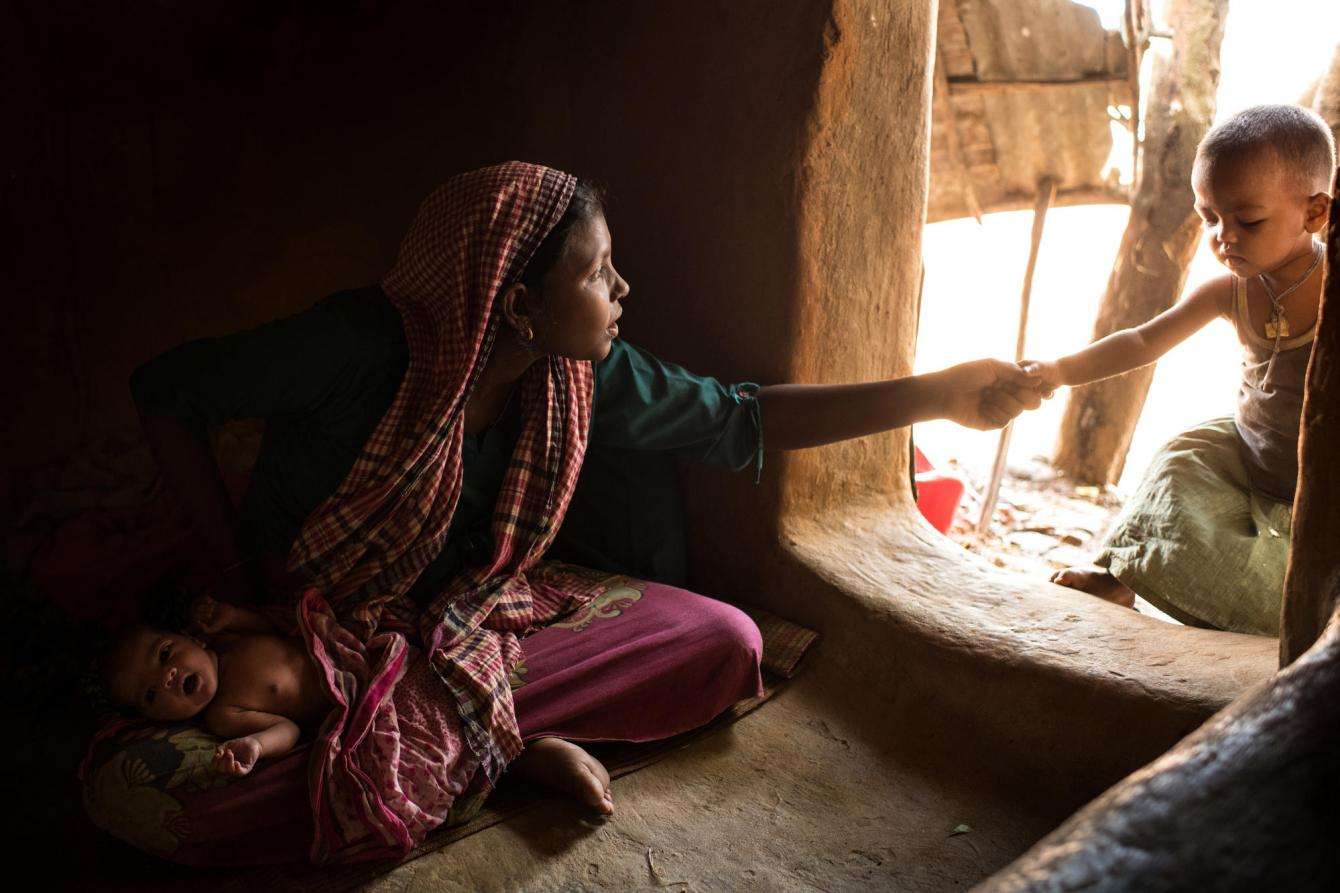
Cox’s Bazar now hosts over 1.3 million Rohingya refugees — some have lived there for decades, others just months. The camp has become a bamboo and tarpaulin slum where babies are born and people grow old, living lives in limbo.

As years pass, the needs are shifting. Gunshot wounds sustained in Myanmar become chronic medical conditions for people still living in refugee camps in Bangladesh. Aid cuts by the US and other donors mean further reduced services and a deepening crisis. Large epidemics of diphtheria, scabies, and hepatitis C menace the community. 

MSF expands its treatment campaign to respond to the hepatitis C emergency in Cox's Bazar, aiming to provide care to 30,000 people by the end of 2026. In August, MSF launches a collaborative advocacy project developed with Rohingya artists and children featuring the taro leaf as a symbol of existence and resistance.

An MSF report in September 2025 surveying Rohingya refugees, “The Illusion of Choice: Rohingya Voices Echo from the Camps,” found that most (84 percent) would not feel safe returning to Myanmar, more than half (58 percent) feel unsafe in the refugee camps in Cox’s Bazar, Bangladesh, and only a few (37 percent) were aware of an upcoming meeting at the UN headquarters in New York on the situation of Rohingya people in Myanmar. 

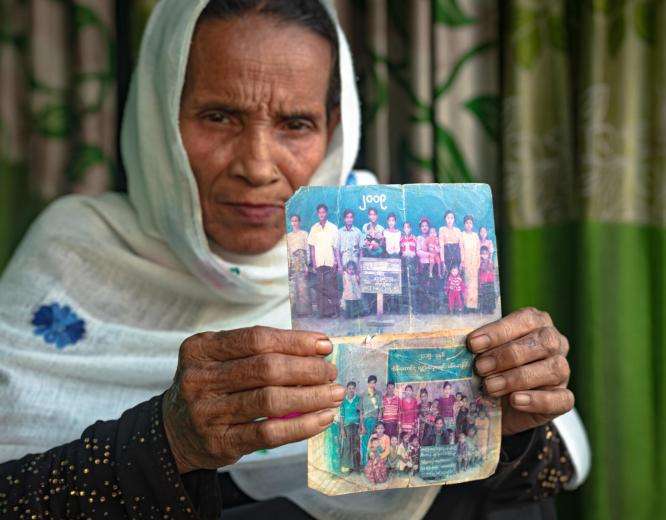
An older woman holds up two photographs of her family members. Bangladesh 2023 © Mohammad Hijazi/MSF

Former lives, in fragments

In the camps of Cox’s Bazar, Bangladesh, Rohingya refugees find remnants of home in the few possessions they carry with them.

Read more

2026

In March, MSF teams witnessed a sharp surge in measles cases in Cox’s Bazar, driven by overcrowded living conditions and significant gaps in routine vaccination coverage. In April, our teams treated 284 measles patients across MSF facilities in the camps — four times the number treated during the first three months of the year combined. 

Children are arriving at medical facilities later, sicker, and with complex, overlapping physical and psychological health needs. At MSF’s Kutupalong Hospital, our teams are treating growing numbers of critically ill pediatric and neonatal patients, increasingly absorbing unmet needs beyond the intended purpose of the secondary health care facility. To help meet the urgent needs, MSF has expanded pediatric and neonatal care capacity, but this is not a sustainable solution without strengthening the broader system and finding a safe political solution to this ongoing crisis.

"Within the camps, we have observed a significant reduction in funding, says Dr. Nadim Shahariyar, deputy director at Kutupalong Hospital. "As a result, families are struggling to meet their basic daily needs. When parents are forced to prioritize daily survival — like securing food or safety — they delay seeking hospital care for a sick child until it becomes a life-threatening emergency, leading to an influx of far more severe cases.”

Two boys hold taro leaves above their heads in Bangladesh.
Bangladesh 2025 © MSF