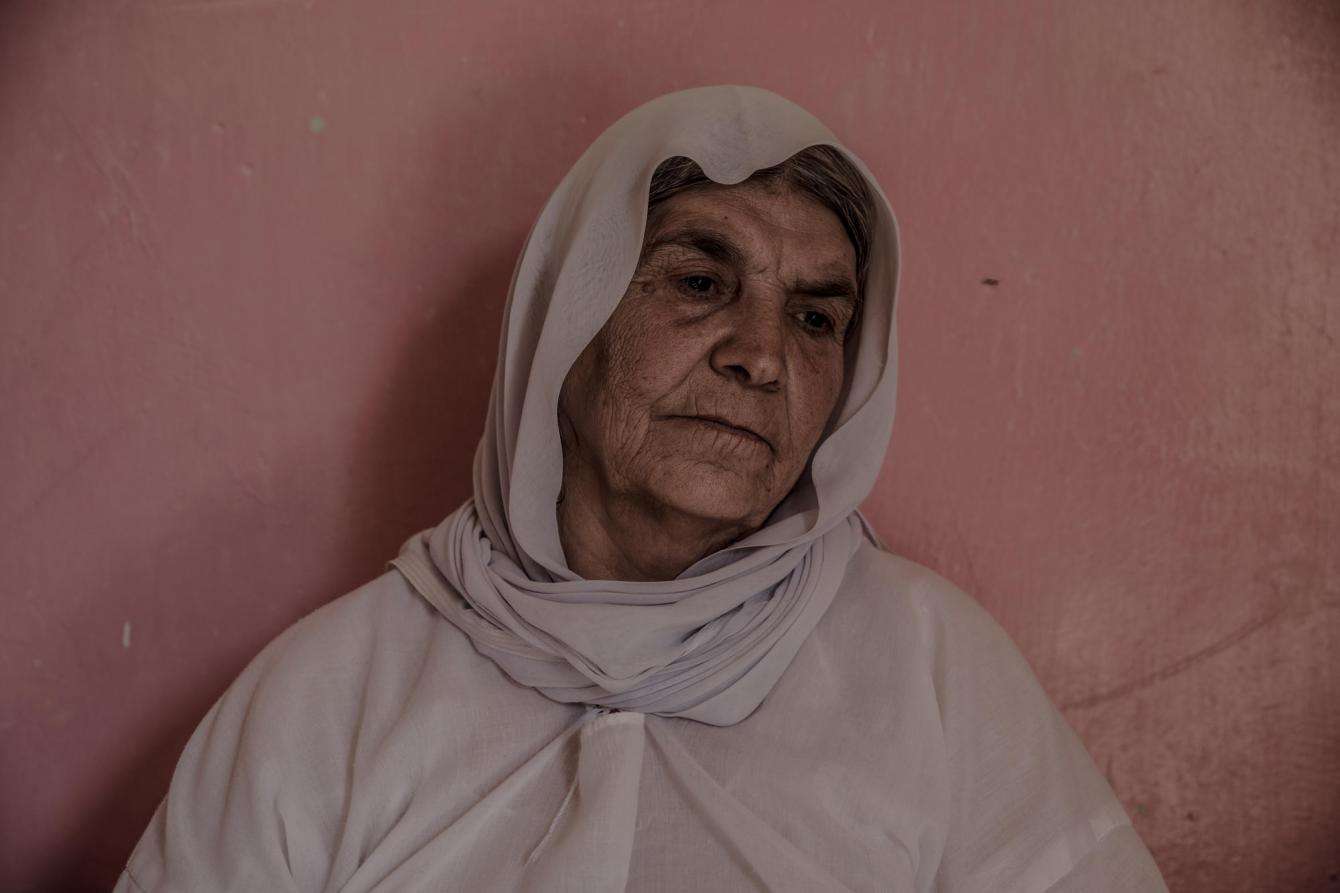
The massive violence suffered by the Yazidi religious minority in northwestern Iraq has led to a severe and debilitating mental health crisis, including many suicide attempts, the international medical humanitarian organization Doctors Without Borders/Médecins Sans Frontières (MSF) said today, highlighting the need for mental health services in Iraq's conflict-affected communities.
In August 2014, the Islamic State group attacked the Yazidi religious minority in Sinjar district, conducting a sustained campaign of killing, rape, abduction, and enslavement and causing a mass migration to camps in the adjacent Kurdish region. The United Nations has acknowledged this as a genocide. Although Sinjar was retaken in 2015, many Yazidi families have not returned—not only because of the destruction of their homes and villages, but because of the trauma they now associate with their ancestral homelands.
Those who remain in Sinjar district experience a high level of mental health needs. Between April and August 2019, 24 patients arrived in the emergency room of Sinuni General Hospital following suicide attempts—six of whom died. Eleven of the patients were under 18 years old.