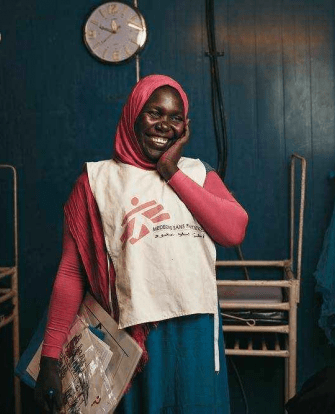
Nepal 2015 © Yann Geay/MSF
Nepal
With successful government-led response underway, MSF decides not to launch activities in Nepal
September 8, 2026 — After carrying out assessments in Nepal’s Rasuwa and Nuwakot districts — the areas worst affected by the floods — Doctors Without Borders/Médecins Sans Frontières (MSF) determined that the humanitarian response has been well-coordinated and is adequately addressing people’s immediate humanitarian needs. The government has led the response in coordination with local communities, United Nations agencies, and other humanitarian organizations.
People’s needs are now shifting toward recovery, rehabilitation, and reconstruction. As MSF specializes in responding to the most immediate and acute phases of emergencies, rather than longer-term recovery and reconstruction activities, MSF will not be launching emergency medical activities in Nepal at this stage. We acknowledge the hard work of local communities, the Nepali authorities, and all those responding tirelessly to support people affected by this disaster.
Our Work in Nepal
In Nepal, MSF teams have responded to a series of natural disasters, including floods and earthquakes.
How we're helping in Nepal
MSF teams responded on a large scale in Nepal following earthquakes in April and May 2015. We provided medical and mental health consultations, as well as shelter and food.
In 2020, we responded to COVID-19 by providing a 24/7 mental health hotline for people struggling with the pandemic.
How you can help
Not everyone can treat patients in emergencies. But everyone can do something.
Some humanitarian crises make the headlines—others don’t. Unrestricted support from our donors allows us to mobilize quickly and efficiently to provide lifesaving medical care to the people who need it most, whether those needs are in the spotlight or not. And your donation is 100 percent tax-deductible.