As world leaders gather at the UN General Assembly, they must maintain support for essential health services in wartime Sudan, where many medical facilities are closing for lack of funding, Doctors Without Borders/Médecins Sans Frontières (MSF) warned today.
“War is driving Sudan’s needs; funding cuts are shrinking the response,” said Muhammad Ibrahim, MSF head of mission in Sudan. “MSF’s work in Sudan is privately funded. But when funding disappears from other health services, clinics close, patients have fewer places to go, and pressure shifts to the facilities that remain, including ours.”
After the US government announced the closure of USAID in 2025, its funding to many organizations working in Sudan ended in June 2026. Although the US government continues to be the largest donor to Sudan — providing funding to United Nations Office for the Coordination of Humanitarian Affairs and other organizations — many of the existing health care providers have been unable to find alternative funding to continue providing services. Health facilities are closing as a result. Many European governments have also reduced their assistance.
This withdrawal of support from an already chronically underfunded crisis response is cutting off lifesaving care and pushing the few remaining hospitals to the breaking point. Governments and institutional donors must protect funding for essential health services in Sudan and provide flexible transitional financing where facilities are at risk of closure.
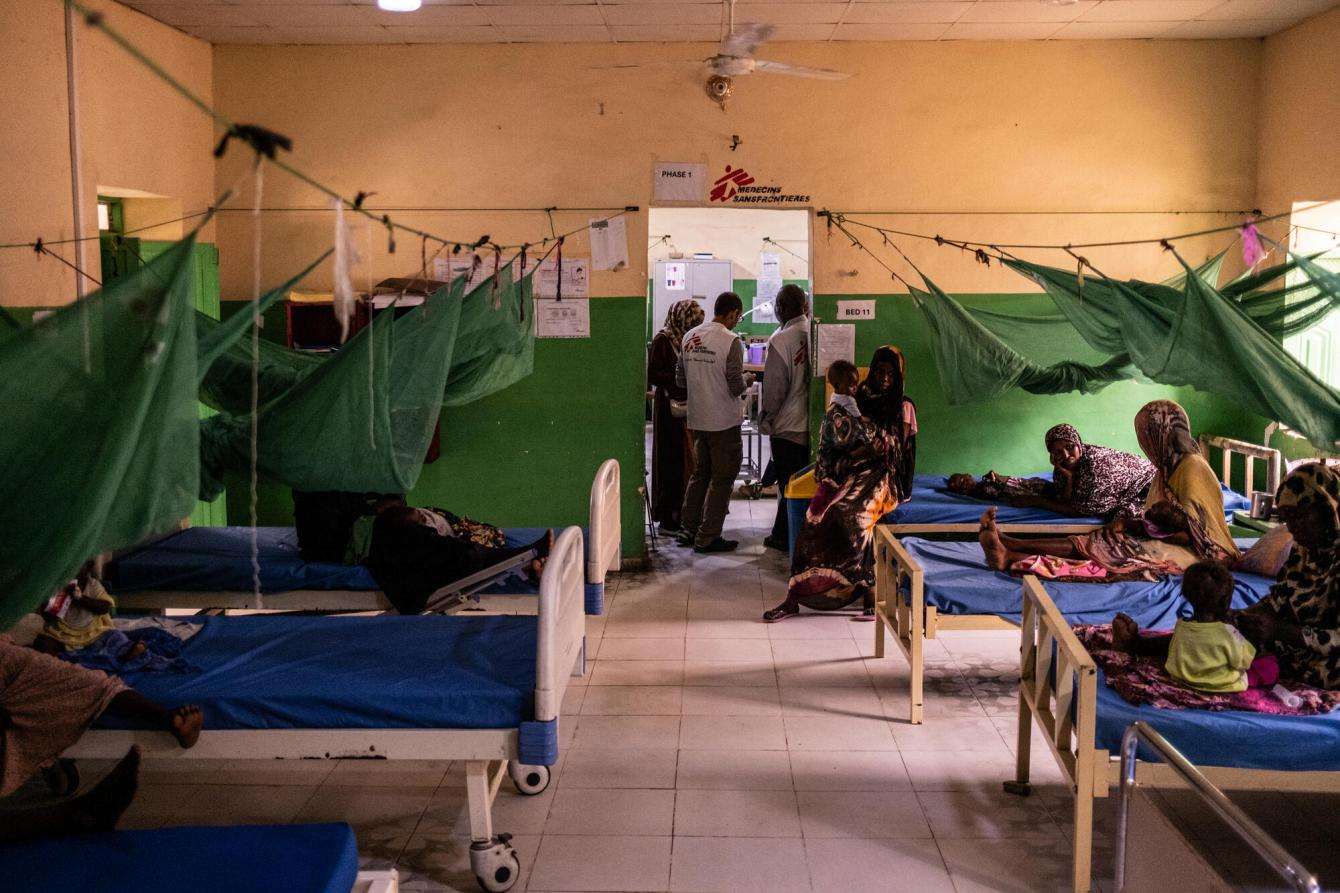
Remaining facilities are overwhelmed with patients
With aid organizations pulling out, local clinics are left without the funds or medicines they need to function. For patients, this means enduring long, dangerous journeys just to receive treatment wherever they can. The few hospitals that are still operational are absorbing the overflow: Between January and April 2026, admissions to MSF-supported facilities in Zalingei and Rokero in Central Darfur jumped by 22.5 percent compared to the same time last year. Forty-five general health care centers in Central Darfur stopped receiving support in May because the aid organization that was providing them resources lacked funding. Since then, the situation has continued to deteriorate.
In Gedaref state, cuts are reducing medical services for refugees and host communities. In Tanedba camp, which shelters 18,400 refugees, the sudden departure of a humanitarian organization in June resulted in the closure of the camp’s maternity and surgical wards. Pregnant women who need cesarean sections now face three-hour journeys to the nearest city. MSF has stepped in to run the emergency room there through the end of 2026.
In and around Um Rakuba camp, where about 17,000 refugees live, the number of aid organizations has decreased from 35 to fewer than 10 over the past five years.
“Our hospital in Um Rakuba is now the only lifeline left for both refugees and the local Sudanese community,” said Fabrizio Locuratolo, MSF humanitarian affairs manager. “But the cuts here go well beyond health care. Food rations are shrinking and protection programs are being dismantled, pulling away the last safety nets and leaving refugees completely exposed.”
Across Sudan, the UN reports that 825,000 children under 5 are expected to suffer from severe acute malnutrition and 19.5 million people faced crisis-level hunger earlier this year. This means that families either do not have enough food to eat or can only meet basic food needs by resorting to measures such as selling the assets they depend on to survive. Yet the UN’s $2.87 billion response plan is barely 41-percent funded, and the World Health Organization estimates that 37 percent of Sudan’s health facilities are completely out of service.
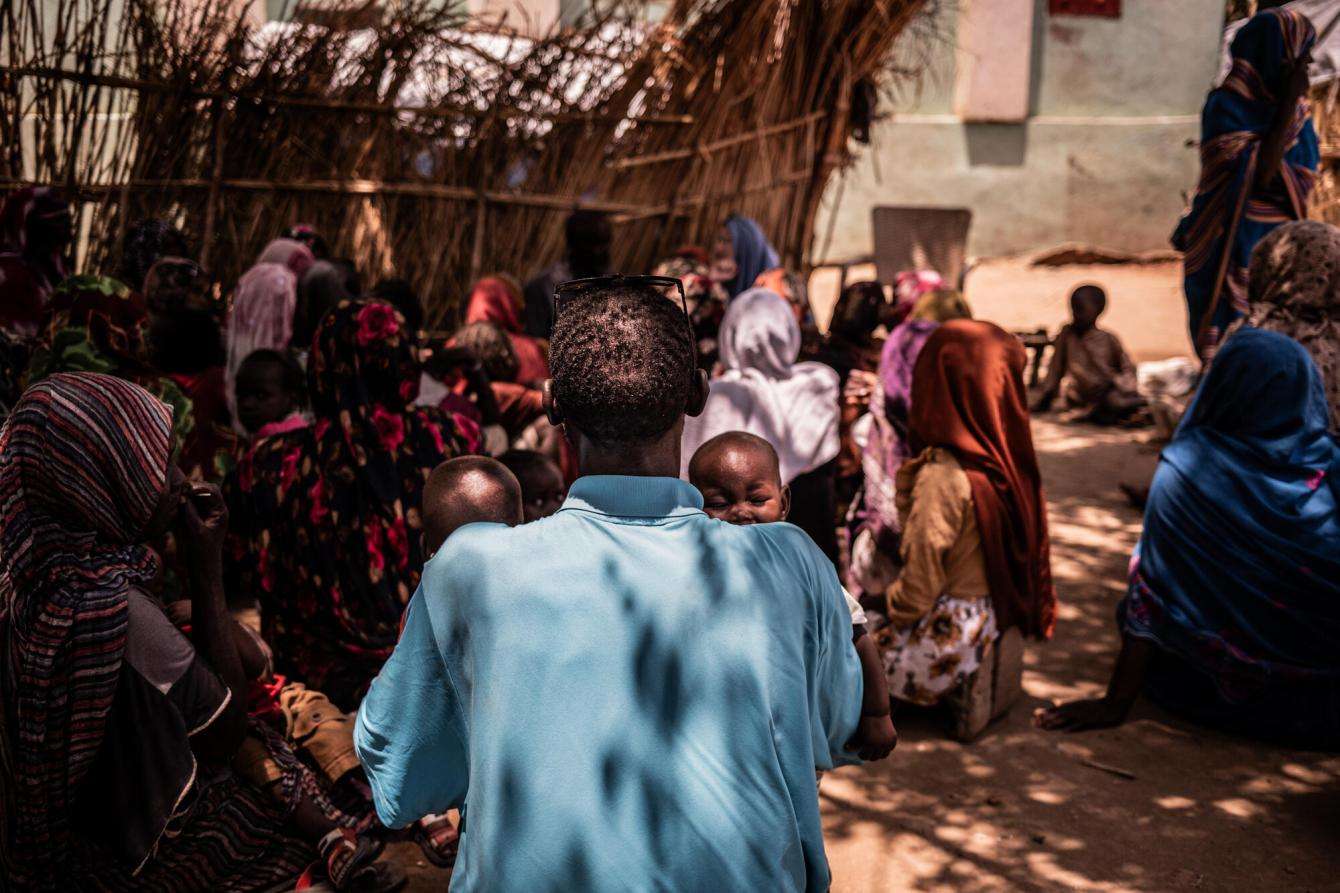
Despite the presence of around 50 NGOs in Tawila, North Darfur, critical gaps persist for hundreds of thousands of people who have fled mass violence. MSF runs the only 200-bed hospital in the area and is the only organization capable of mounting a large-scale epidemic response. Malaria and malnutrition cases were already rising ahead of the peak of the rainy season — and we expect numbers to increase. In August, our teams admitted 191 severely malnourished children under 5 to our inpatient feeding center, and nearly 22 percent also tested positive for malaria.
With critical needs across Sudan, global leaders must now ensure funding for health facilities that are at risk of immediate closure.
“Donors must protect essential health services and provide sustained, flexible funding to organizations that depend on it,” Ibrahim said.