Israel’s manufactured malnutrition crisis in Gaza had a devastating impact on pregnant and breastfeeding women, newborns, and infants under 6 months old during periods of intense hostilities and siege, according to an analysis of medical data released today by Doctors Without Borders/Médecins Sans Frontières (MSF).
Between late 2024 and early 2026, our teams at four health facilities MSF runs or supports recorded higher levels of miscarriage as well as prematurity and mortality among infants born to mothers affected by malnutrition during their pregnancy, and observed a sharp increase in disrupted treatment for malnourished children.
MSF links these outcomes to Israel’s blockade of essential goods and attacks on civilian infrastructure, including medical facilities. Insecurity, displacement, restrictions on aid, and limited access to food and medical care have had devastating consequences for maternal and newborn health.
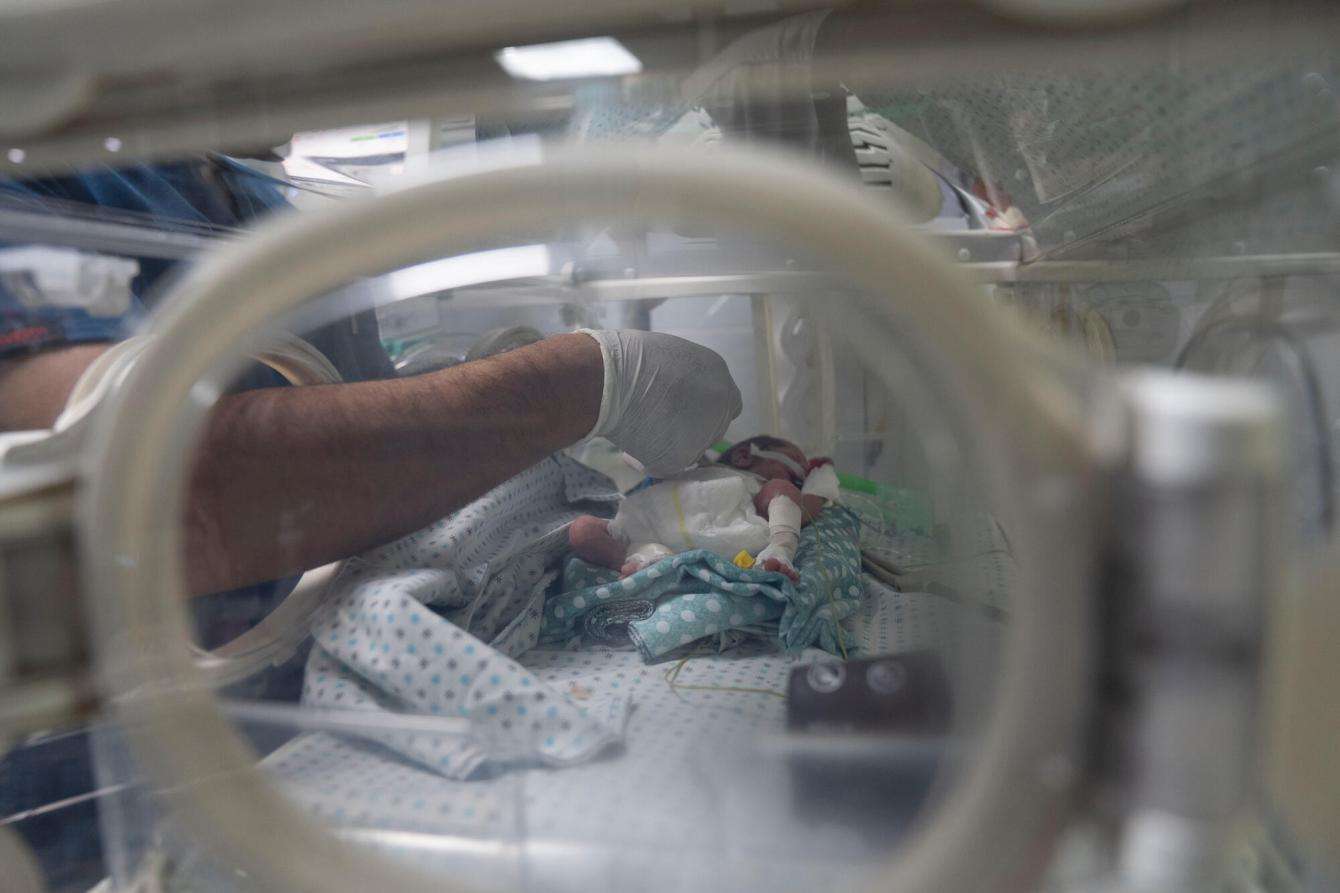
The impacts of malnutrition during pregnancy
“The malnutrition crisis is entirely manufactured,” says Mercè Rocaspana, MSF medical referent for emergencies. "Before the war, malnutrition in Gaza was almost non-existent."
"For two and a half years," Rocaspana adds, "the systematic blockade of humanitarian aid and commercial goods, on top of insecurity, have severely restricted access to food and clean water. Health care facilities have been forced out of service and living conditions have profoundly deteriorated. As a result, vulnerable groups of people are at heightened risk of malnutrition.”
Malnourished Infants under 6 months old, October 2024 – December 2025
MSF teams admitted 513 infants under 6 months old to outpatient therapeutic feeding programs at Al-Mawasi and Al-Attar primary health care facilities in Khan Younis between October 2024 and December 2025.
Of those admitted, 91 percent were at risk of poor growth and development. By December, 200 infants were no longer in the program — only 48 percent of them were cured, while 7 percent died, another 7 percent were referred to a program for older children, and a staggering 32 percent defaulted due in part to insecurity and displacement.
“Reduced admissions in late July and early August 2025 coincided with a period of intensified insecurity and disruptions to food distributions,” says Marina Pomares, MSF medical coordinator for Palestine. “Most mothers requested nutrition support even when children were not yet identified with malnutrition, reflecting widespread food insecurity from Israel’s imposed blockade, which effectively prevented food from entering Gaza for months."
Malnourished mothers and newborns, June 2025 – January 2026
MSF analyzed data collected from 201 mothers of newborns receiving treatment in the neonatal intensive care units (NICUs) at Nasser Hospital in Khan Younis and Al-Helou Hospital in Gaza City between June 2025 and January 2026. More than half of the women were affected by malnutrition at some point during their pregnancy, and 25 percent were still malnourished during delivery.
Of the babies born to mothers affected by malnutrition, 90 percent were premature and 84 percent had low birth weight — a much higher incidence than in babies born to mothers with no malnutrition at the time of giving birth. Neonatal mortality was twice as high among infants born to mothers affected by malnutrition compared to those born to mothers without malnutrition.
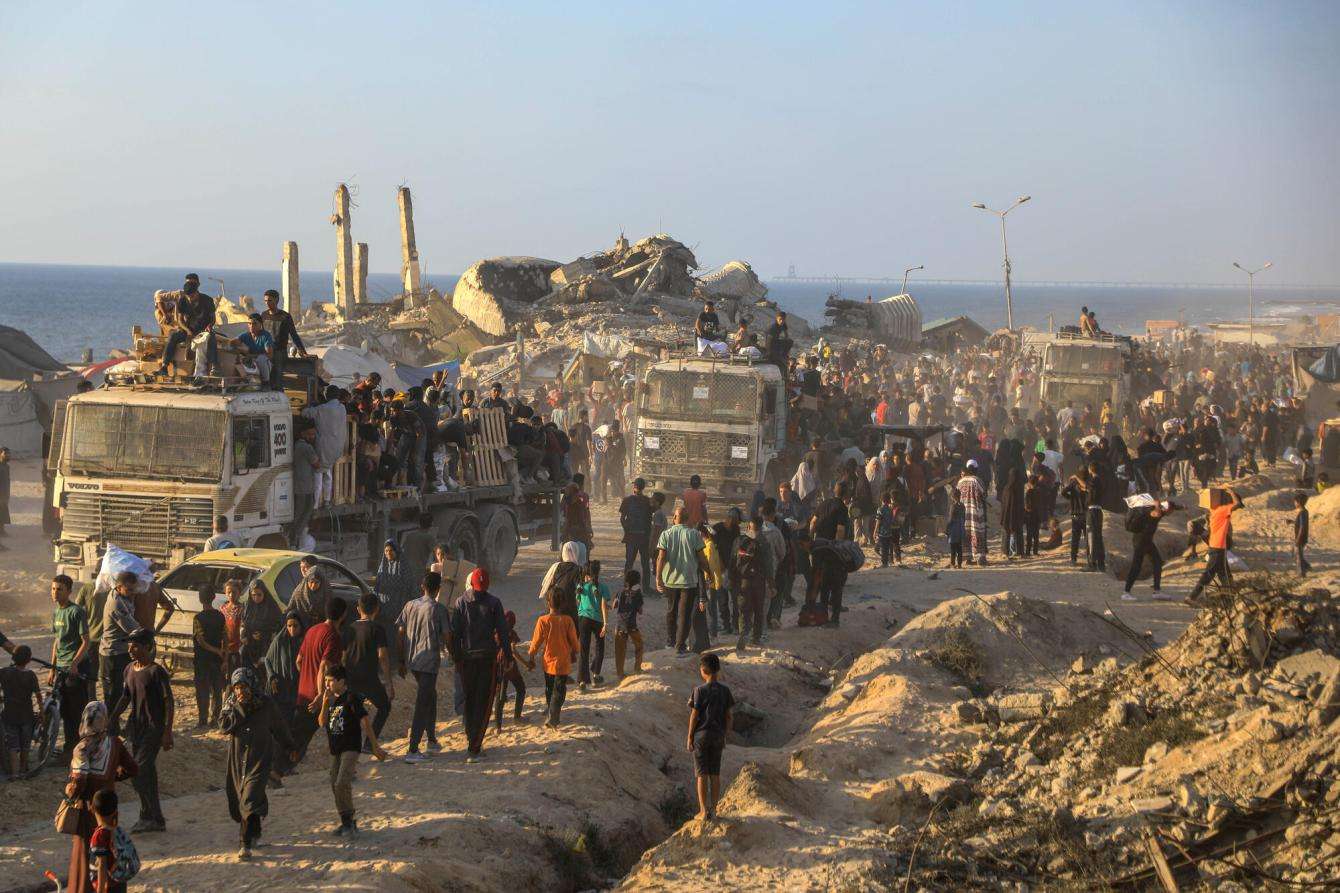
A manufactured malnutrition crisis
Prior to the war, there were no dedicated therapeutic feeding units in Gaza. MSF teams identified the first cases of child malnutrition in January 2024. Since then and March 2026, MSF has admitted 4,950 children under 15 years old — 98 percent under 5 — to outpatient and inpatient programs for acute malnutrition. During the same period 3,482 pregnant and breastfeeding women were enrolled in outpatient programs.
“My youngest son died at 5 months old due to severe malnutrition,” says Mona, an MSF patient. “I suffered malnutrition myself during pregnancy and dealt with diarrhea and weakness. I live in a partially destroyed house. My husband used to be a fisherman with a small boat, which the Israeli shelling destroyed. We have no steady income.”
The malnutrition situation in the Strip worsened soon after the January 2025 ceasefire ended in mid-March 2025. By late May 2025, the number of food distribution points decreased from around 400 to just four operated by the Gaza Humanitarian Foundation (GHF). On top of this, the blockade on commercial food trucks drastically limited access to food.
“The [food distribution] points were militarized and deadly, barely functioning or open at the same time, further restricting access to much-needed food assistance,” says José Mas, head of the MSF emergency unit.
In the months following, MSF-supported facilities saw a sharp increase in patients seeking care due to violence perpetrated at food distribution points, as well as patients with malnutrition linked to the deprivation of food. Many women also reported experiencing extreme stress and anxiety related to the significant risks faced by male family members attempting to secure food at GHF sites. MSF teams observed a high number of miscarriages during this period, with high stress identified as a contributing factor.
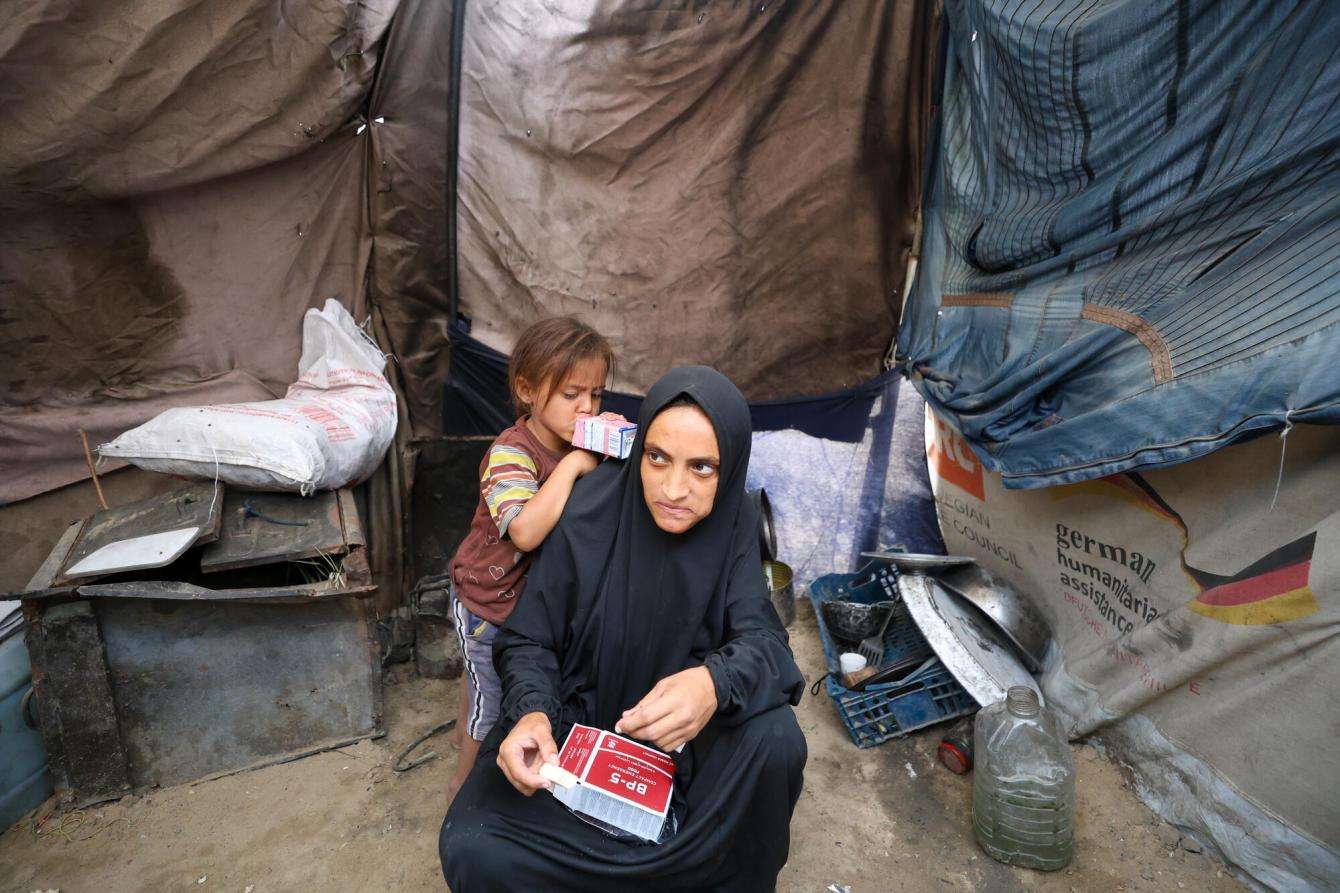
Unprecedented levels of malnutrition declared
Between October 16 and November 30, 2025, around three-quarters of the population in Gaza were estimated to be facing high levels of acute food insecurity, according to the Integrated Food Security Phase Classification (IPC), which had declared a famine that August — the first ever in the Middle East region.
“Israel’s tactical restrictions on the entry of food, the militarization of aid corridors and distribution sites, and the targeted attacks on Gaza’s essential infrastructure have created an environment in which hunger is deliberately used as a means of control over the population,” says Mas. “While the current so-called ceasefire has brought some stability to the situation, it is still extremely fragile. Our teams continue to admit new patients for malnutrition as the people of Gaza are forced to endure deliberately undignified living conditions, and lack access to assistance, income, and basic resources."
MSF calls on Israeli authorities, as an occupying power — and allied states including the US — to facilitate the adequate and sustained entry of vital assistance for people living in Gaza to restore health, nutrition, and dignity.
Patient stories
Sahar Nafez Salem, displaced mother in Khan Younis
"Sometimes we go without vegetables for months"
I used to live in Al-Sharqiya, but now I am displaced in Khan Younis. I live in a tent with my children. We have been displaced for about a year now. We have suffered a lot during the war. It's very tiring for a pregnant woman.
We rely on the charity kitchen. We eat lunch from it and save some for dinner. When I did the pregnancy tests, they also found out I had malnutrition. Living conditions in the tents are difficult in every way — fleas and insects have spread a lot, and there is sand everywhere.
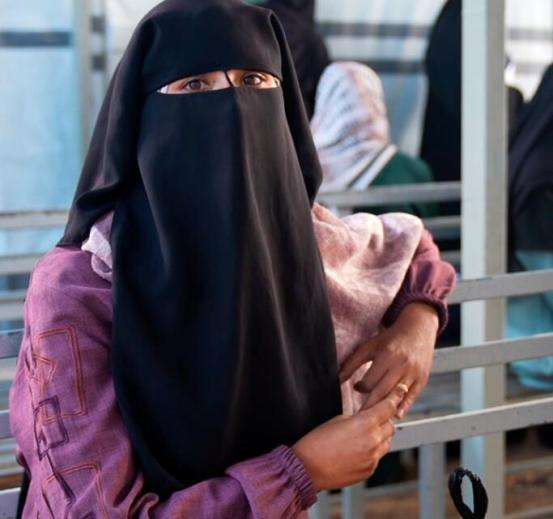
Mahmoud Hamza Badr Shabana, displaced father in Khan Younis
"I go out and get what I can for my family"
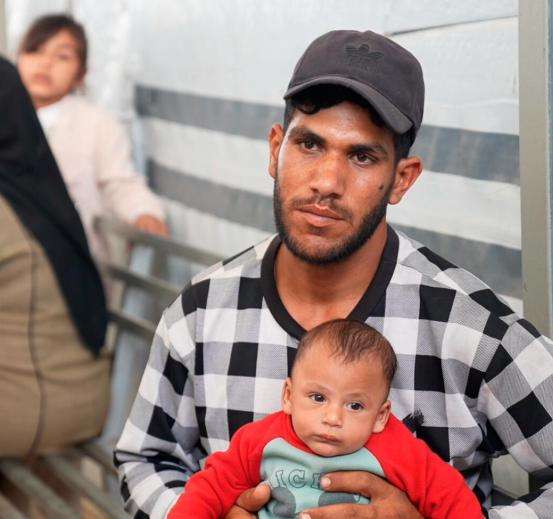
I am originally from Rafah. I have been displaced in Khan Younis for two years. We face difficulties with water, food, drink, diapers, and milk for the child. There is no work. We are displaced in a tent — me, my wife, and this child. We discovered that he has malnutrition when he was 2 months old. We lack frozen goods and warm meals.
When I need something, I go out and get what I can for my family. I borrow from my neighbors. Since the day we left Rafah, I have only received a carton of food and a sack of flour once. I cannot afford to buy food because it is so expensive. Today, a young man like me cannot bring anything home for his children — cannot bring food or drink.
Samar Abu Mustafa, mother in Gaza
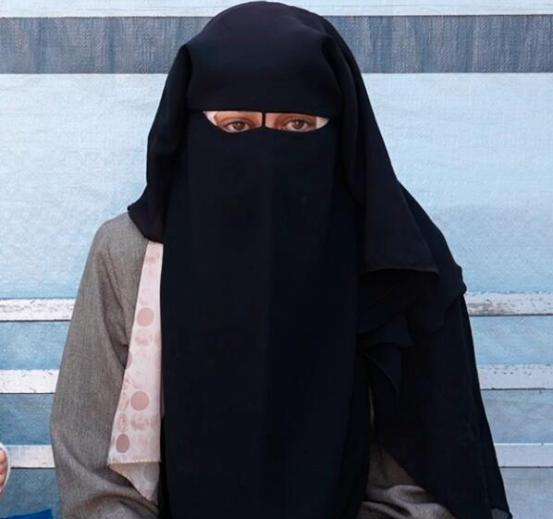
"I have just one remaining can of milk"
I am from Abasan al-Kabira, in the east. After we were displaced, our situation became very difficult. My financial situation is dire. The house and my daughters' clothes are gone. I am stressed, psychologically exhausted. The war has destroyed everyone.
In the early months of pregnancy, I was diagnosed with malnutrition. I started to follow up at an MSF clinic. The baby is now 3 months old, and I don't know how I will provide diapers and milk, nor how I will provide food for my other daughters. There is no income and no support. My eyesight is weak and I was injured the first day we were displaced with shrapnel in my lung. My husband was run over by a car by mistake and wounded.
We speak out. Get updates.
News Nov 05, 2026
Aid funding cuts raise health risks for displaced people in South Suda...
Read more