On the International Day for the Elimination of Violence Against Women, the number of victims and survivors of sexual violence seeking care at Doctors Without Borders/Médecins Sans Frontières (MSF) facilities in Port-au-Prince, Haiti, remains alarmingly high in 2026.
Most are among the more than 300,000 people in Port-au-Prince who have been forced to flee their homes by violence, reflecting how displaced people are particularly vulnerable. In the absence of sufficient protection services, MSF is calling on state authorities, humanitarian organizations, and civil society to urgently increase the capacity for safe shelter, strengthen referrals to health care, and provide sustainable support to local organizations providing services to survivors.
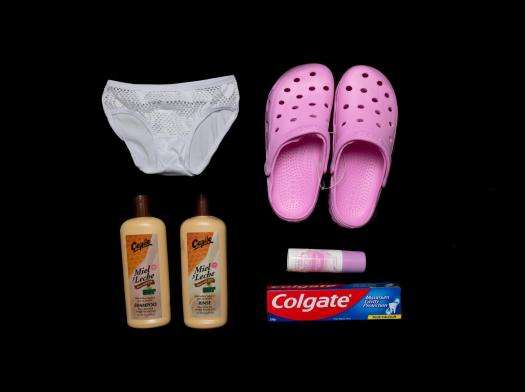

A hygiene kit provided to patients at MSF's Pran Men’m Clinic, which includes clean clothes, underwear, menstrual hygiene products, and other essential supplies (left); toys used during consultations with children to help create a supportive environment. Haiti 2026 © Jelle Krings
Many survivors don’t reach care in time
Despite repeated warnings from MSF and several organizations over the years about the scale and consequences of sexual violence in Port-au-Prince, the need to care for victims and survivors continues to increase in 2026. The abuse and assault of women and girls — the main victims of sexual violence — is taking place in a context of armed violence, displacement, and major difficulties accessing health care and protection, particularly shelter.
Between January and October 2026, 5,635 victims and survivors were treated at MSF facilities in Port-au-Prince, including 804 in July alone. These figures reflect the number of people who were able to access care, particularly at MSF’s Cité Soleil Hospital and Pran Men'm Clinic. However, these figures do not represent the true scale of the violence, as not all victims are able to access care or report a sexual assault.
“Many victims and survivors are unable to reach our facilities in time and safely,” said Marie-Camille Gauthier Lessard, project coordinator at Pran Men'm Clinic. “More than 70 percent of the victims and survivors cared for by MSF between January and July 2026 arrived after 120 hours — a critical window for certain emergency medical treatments.”
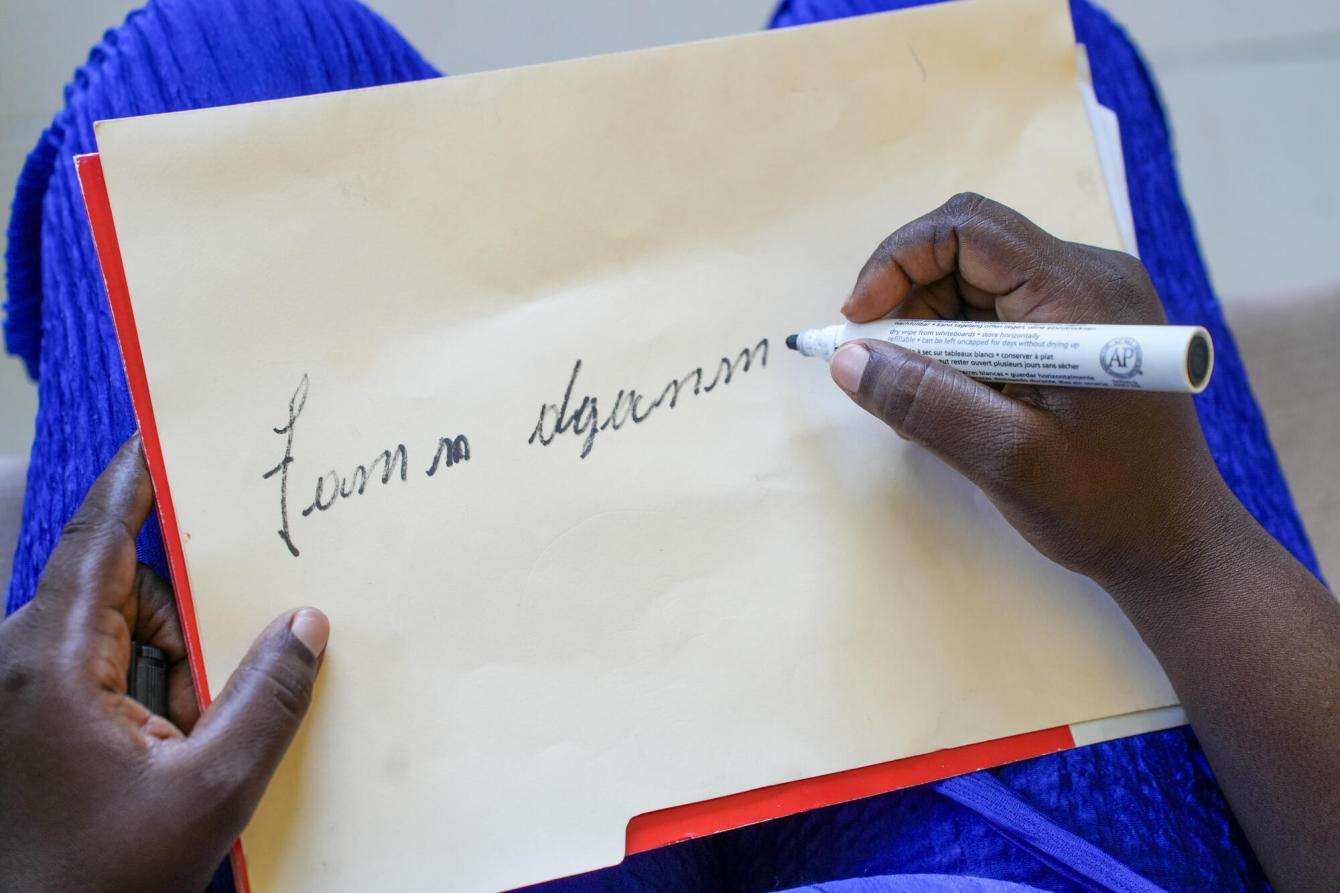
Families are being forced to flee their homes
Armed violence is upending living conditions in communities in Port-au-Prince, forcing many families to flee their homes and seek refuge elsewhere.
“I was living in a working class neighborhood with my two children,” said a survivor and MSF patient. “One day, two armed men burst into my home … they beat me and they both sexually assaulted me. Then they ordered me to leave the neighborhood, threatening to kill me and my children if I did not go.”
“The next day, I took refuge with a friend who lived in another working class neighborhood,” the survivor added. “One day, while she was away, armed men broke into her house and sexually assaulted me again. Since then, life has lost all meaning. I wanted to end my life, but someone stopped me and reminded me that I have two children to raise.”
“Today, my daughter is growing up and I realize that we are still living in this area,” she said. “I really do not feel safe.”
“Displaced people end up in makeshift shelters such as churches, schools, or stadiums, which are most of the time unsanitary and unsuitable,” said Dr. Claudia Lodesani, MSF medical coordinator in Port-au-Prince. “In these places, women and girls are particularly vulnerable. One of our patients told us that she had to lie on top of her own teenage daughters to allow them to sleep, as the only way to protect them from potential assaults.”
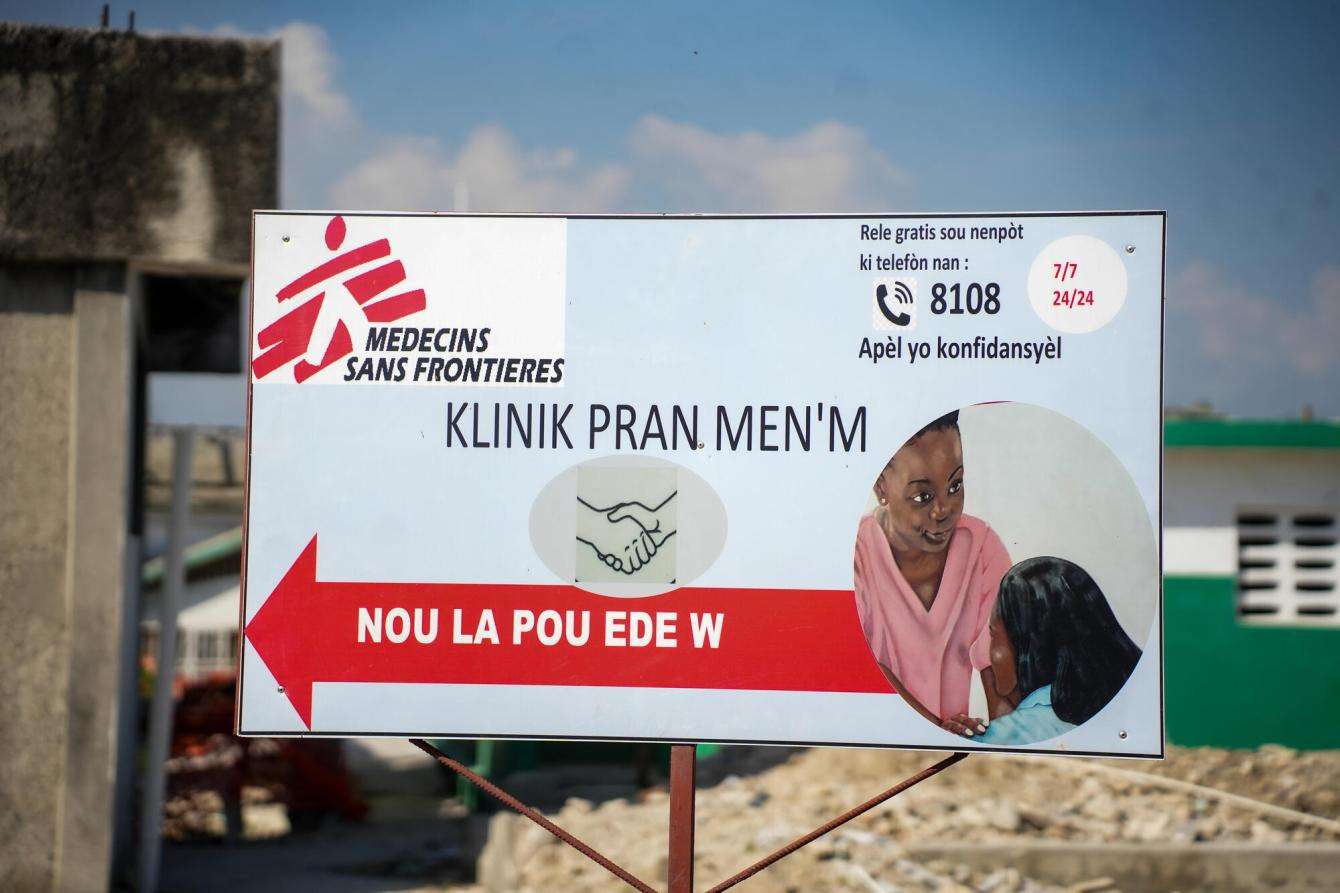
MSF continues to provide medical and psychological care for survivors of sexual violence in its facilities across Port-au-Prince. Our teams work at Cité Soleil Hospital, Pran Men'm Clinic, and Isaïe Jeanty Maternity Hospital.
Guerline*, survivor and MSF patient in Port-au-Prince
"I will never be able to erase [it] from my memory"
“Three years ago, one evening at around 8 p.m., two armed men broke into my home and both raped me. They ordered me to leave the neighborhood, threatening to kill me and my children if I did not.
The next day I went to a friend's house who lived in another working class neighborhood. I asked her to host me for three days without telling her what had happened to me.
One day, while my friend was away working the night shift, a group of armed men burst into her house, and I was raped again.
While I was staying at her place, I heard rumors of possible drone use in the neighborhood. My friend then decided to leave the area to protect herself, and told me she could no longer host me and that I had to find another place to go.
Magdala*, survivor and MSF patient in Port-au-Prince
"If I hadn't left my home, this would not have happened to me"
“It has been four years since I left my home because armed men invaded my neighborhood. At first, I lived in a displacement site with my two children, who lost their father. But living conditions were difficult there and I ultimately had to leave the site.
I sold soap and sponges to provide for my children. One day, while returning after selling my goods, armed men stopped me. They detained me, raped me, and took everything I had. I lost everything.
If I hadn't left my home, this would not have happened to me. Usually, I do not go to sell far away. I sell in my neighborhood.
That day, while I was returning home, someone called out to me. He did not seem like a bandit. I approached him, not knowing he had signaled another man. That man then covered my mouth. They took me to an old house, where they threatened me with a weapon, beat me, and then raped me. Afterwards, they fled. When I managed to escape, I found that they had also taken all my merchandise.