In Port-au-Prince, Haiti, every movement poses a risk. Ongoing armed violence is undermining an already fragile health system, and access to sexual and reproductive health care is increasingly limited.
Haiti has the highest maternal mortality rate in the Americas, yet for thousands of women, seeing a doctor, obtaining contraceptives, attending prenatal check-ups, and receiving care after sexual assault has become fraught with obstacles.
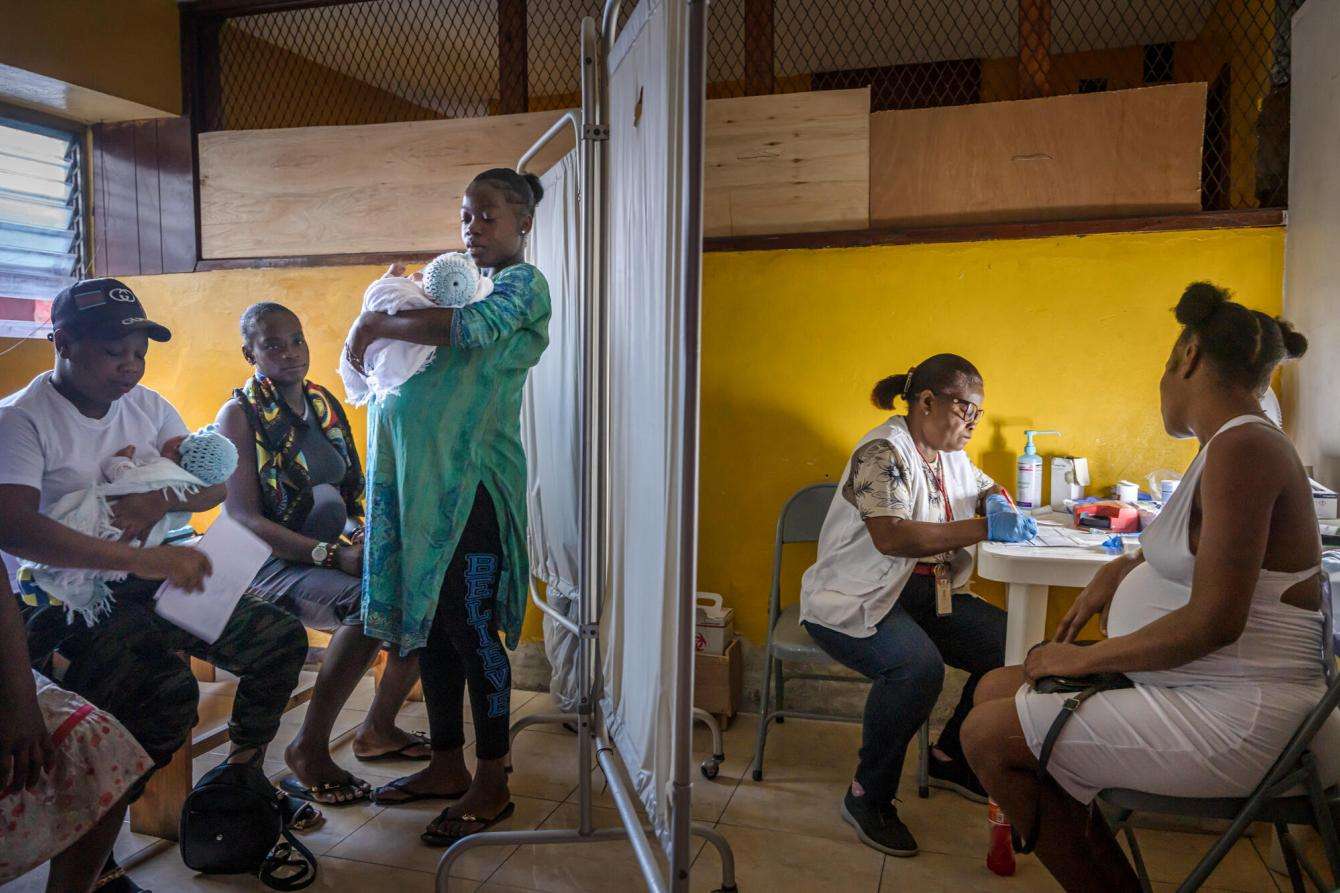
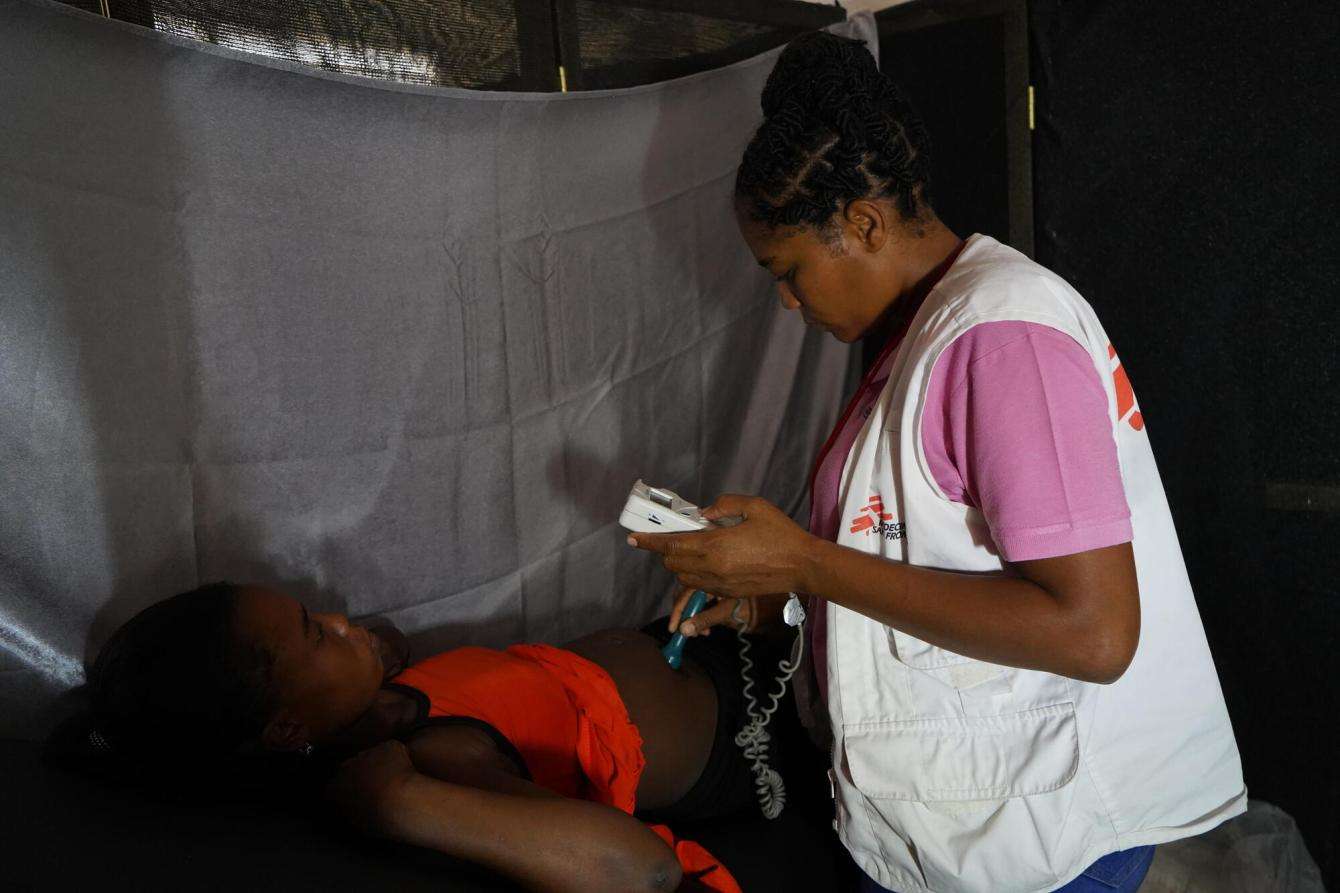
Doctors Without Borders/Médecins Sans Frontières (MSF) mobile clinics bring care closer to communities. MSF has also worked to rehabilitate Isaïe Jeanty maternity hospital in Cité Soleil. Alongside the Ministry of Health, our teams provide emergency obstetric care, including cesarean sections, as well as contraception and care for survivors of sexual violence.
Conflict and violence prevent mothers from reaching critical care
One recent morning, a barely conscious 29-year-old woman was admitted to Isaïe Jeanty maternity hospital. After giving birth at home a few hours earlier, she had developed postpartum eclampsia, a serious complication that can be fatal without prompt treatment.
"I was shaking when I arrived; I thought it was a lost cause," said her stepfather, who accompanied her on a motorcycle from Cité Soleil with her newborn baby in his arms. "This morning, she looked as if she were dead. But now she's almost smiling. It's as if she had been brought back to life.”
According to the World Health Organization, Haiti experienced 328 maternal deaths per 100,000 live births in 2023, compared to 197 globally and 58 in the Americas region.
Haiti’s health system has gradually collapsed due to the expansion of armed groups, institutional instability, and chronic underfunding of public services. In Port-au-Prince, many health facilities have closed their doors, thus severely reducing access to essential health care — especially for women and their sexual and reproductive health care.
Minise, MSF patient
“Where I live, I have neither electricity nor water”
I received prenatal care at Isaïe Jeanty maternity hospital, but I had to give birth at home because it was in the middle of the night and it was not possible to travel. Fortunately, a friend helped me.
This is the first time I have come to this MSF clinic. My daughter has lesions on her thighs, and my arms are itching.
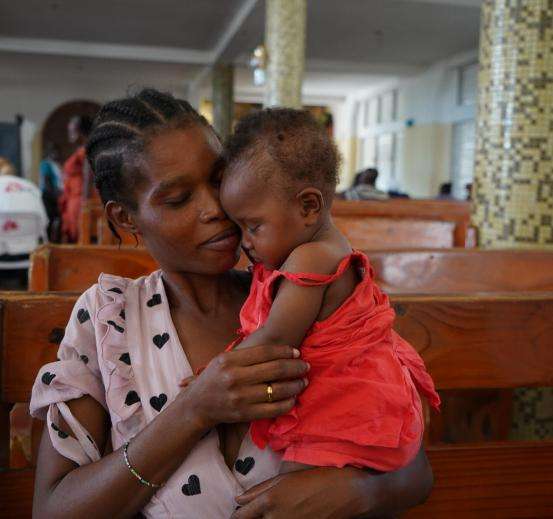
Many pregnancies are not monitored by trained professionals, and births take place at home without medical assistance. Without timely access to health care, complications such as eclampsia, hemorrhages, infections, or neonatal distress may be detected too late.
"We had to refer a woman at eight months of pregnancy to give birth to her baby who died in utero," said a midwife at an MSF mobile clinic. "She had never been able to receive prenatal check-ups. This should not be happening: these are preventable complications that become fatal without medical support."
For many women, just reaching a health facility is an ordeal. Armed clashes, shifting front lines, checkpoints, roads blocked by mountains of rubbish, transport costs, and forced displacement complicate every consultation.
"Patient transfers are extremely difficult,” said Naomi Lubin, an MSF supervising midwife. “Transport is limited, and functional maternity and neonatal units are scarce.”
Fear is another silent barrier to care
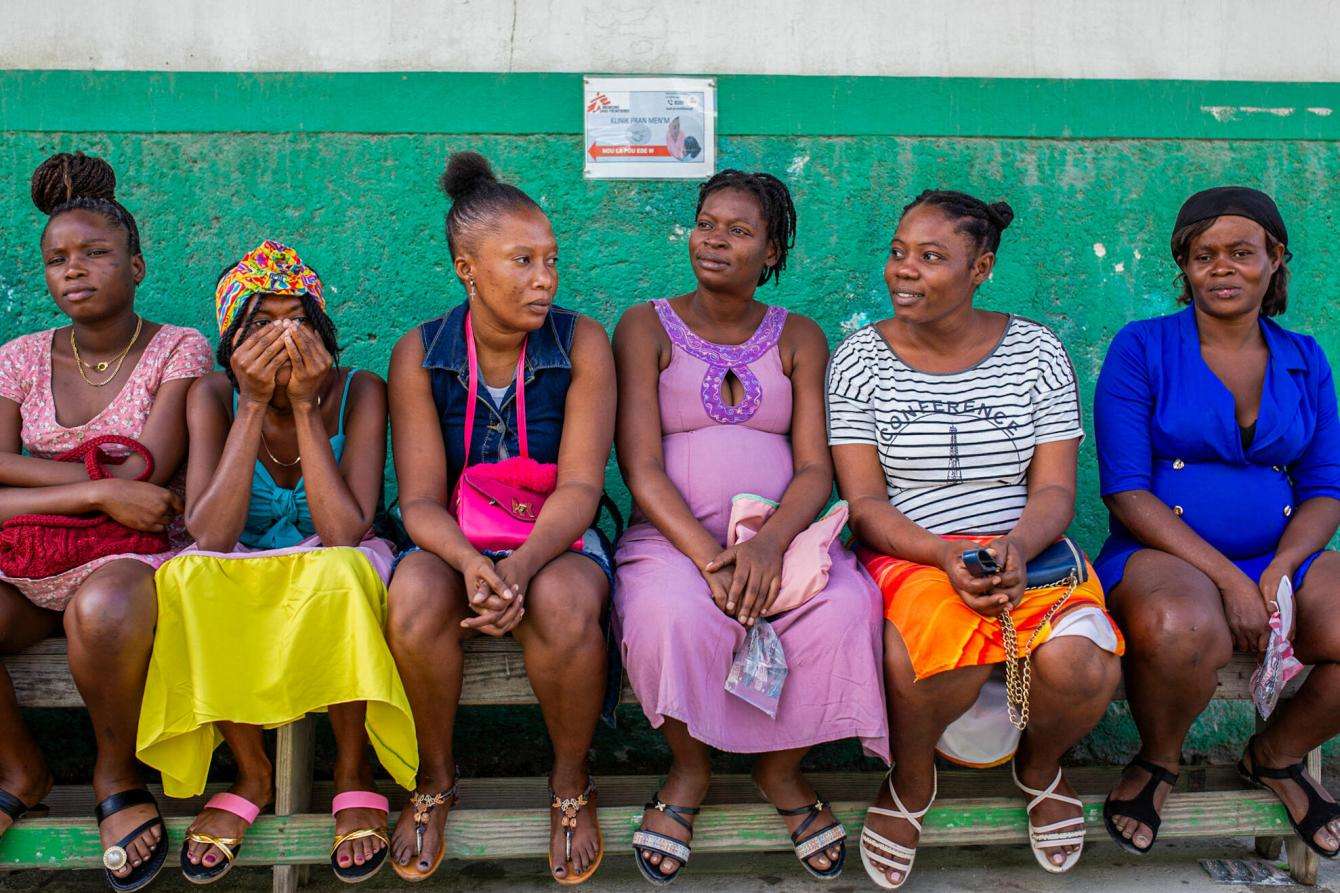
Many women are also reluctant to leave their neighborhood for fear of being identified and connected with their place of residence. In a city divided between neighborhoods controlled by armed groups and others by the authorities, an address can be enough to stigmatize a person or lead others to suspect them of having links to an armed group. The journey itself to the hospital can then become life-threatening.
"My 2-year-old child hasn't been vaccinated for a year and a half because I can't leave the area," said one of our patients. "I don't want to go out with my identity card [showing] my address. I'm scared. You could get killed."
Maintaining health care services despite the crisis
Every week, MSF medical teams provide primary health care in former schools or churches in multiple neighborhoods, offering consultations for several hours. In the first six months of the year, we provided 4,500 sexual and reproductive health consultations.
At Isaïe Jeanty in the first half of 2026, staff assisted with 929 deliveries, including 285 emergency cesarean sections, and 257 patients were also referred with their newborns to other health facilities for the management of serious complications.
Maniela, MSF patient
“I lost my baby girl in my previous pregnancy”
A friend advised me to come here. It is particularly important to me to see a midwife because I lost my baby girl in my previous pregnancy.
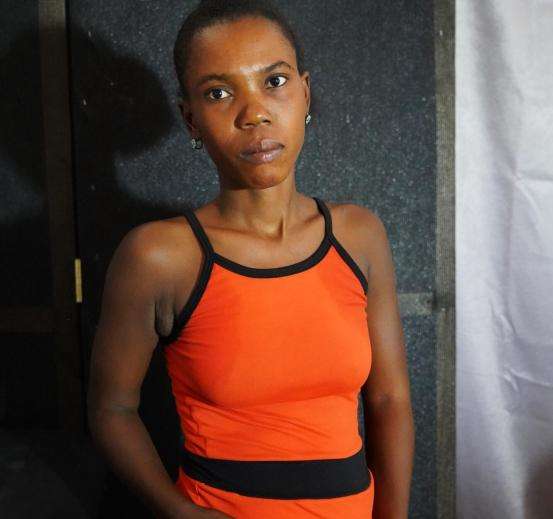
Last year, when I was 8 months pregnant, I started to feel unwell and went to the public hospital despite the violence. They told me I had eclampsia, and that the baby had died in my womb. They gave me medication to deliver the stillborn baby. It was horrible.
I used to go to health centers but not anymore. This time, I hope I can deliver at Isaïe Jeanty Maternity Hospital so my baby will be safe.
Despite our efforts, needs remain immense. Insecurity continues to limit the movement of patients and medical staff.
"When clashes affect our medical facilities, we have to suspend our activities and evacuate the premises," said Diana Manilla Arroyo, MSF head of mission in Haiti. "This has happened twice in the last two months. These suspensions drastically reduce referral options and complicate the management of obstetric emergencies, as well as many other sexual and reproductive health needs."