
Last updated on January 9, 2026
Denying medical assistance to civilians is unacceptable under any circumstance, and it is appalling to use humanitarian aid as a tool of policy or collective punishment. Now is the time for action: Israel is escalating its grave attack on the humanitarian response in Gaza and the West Bank, directly threatening medical care and humanitarian aid for civilians.
MSF unequivocally refutes the allegations made by the Israeli authorities in recent days. MSF would never knowingly employ anyone involved in military activities, which contradicts our core values and ethics. If the descriptions of what our teams see with their own eyes in Gaza—death, destruction, and the human consequences of genocidal violence—are unpalatable to some, the fault lies with those committing these atrocities, not with those who speak out about them.
MSF talks to CNN about Israel’s threat to ban aid organizations from Gaza
Christiane Amanpour speaks with Christopher Lockyear, MSF's Secretary General, on January 8 about Israel ordering 37 international nongovernmental organizations to halt work in Gaza.
Concerns raised by Israel’s registration requirement
MSF has legitimate concerns about the registration requirement to share personal information of our Palestinian staff with Israeli authorities. This is heightened by the fact that 15 MSF colleagues have been killed by Israeli forces since October 2023.
In any context—especially one where medical and humanitarian workers have been intimidated, arbitrarily detained, attacked, and killed in large numbers—demanding staff lists as a condition for access to territory is an outrageous overreach. It also undermines humanitarian independence and neutrality and is made all the more dangerous by the absence of any clarity about how such sensitive data will be used, stored, or shared. Yet, rather than engage with MSF to hear our concerns, the Ministry in charge of the registration process has ignored our repeated requests for a meeting and accused us in the media of knowingly harboring alleged terrorists.
Israeli forces have killed and wounded hundreds of thousands of civilians, deliberately destroying essential infrastructure and targeting medical staff, humanitarians, and journalists. It has taken control of more than half of the Gaza Strip, forced the population into ever-shrinking areas under inhumane conditions, and manufactured shortages of basic necessities by blocking and delaying the entry of essential goods, including medical supplies.

Palestinians need more services—not less
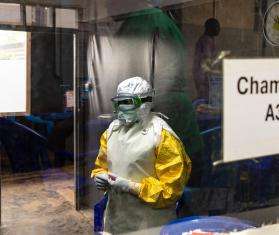
Currently, MSF supports 1 in 5 of Gaza’s hospital beds and assists 1 in 3 mothers during childbirth. The support we provide is nowhere near enough to meet the needs of Palestinians, yet removing it will have a terrible cost. For Israel to block MSF and dozens of other organizations from providing services to Palestinians after Israeli forces have obliterated Gaza’s health system, is an escalation of the attacks carried out against Palestinians during the last two years.
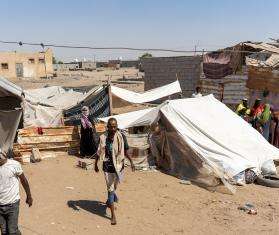
Services available for people in Gaza now are far less accessible than what is needed, precisely because of the blockades and restrictions imposed by Israel. For the third winter in a row, the Gaza Strip has been battered by dropping temperatures, torrential rain, and heavy winds. Weather conditions have destroyed and flooded the makeshift shelters people are living in, while Israel continues to block the entry of supplies like tents, tarpaulins, and temporary housing.

Now the Israeli government seeks to ban what little aid and services do exist. MSF continues to seek engagement with Israeli authorities so we can maintain our vital activities and support Gaza’s decimated health system. Allowing humanitarian aid in Gaza is not a favor: It is an obligation under international law. Today, more than ever, Palestinians need more services—not less.