

Reynosa, Mexico/New York, NY—The United States is deporting people to highly dangerous border cities in Mexico at night, a practice needlessly risking the safety of an already extremely vulnerable group of people, said the international medical humanitarian organization Doctors Without Borders/Medecins Sans Frontieres (MSF) today.
Newly deported people are a preferred target for kidnapping and violent extortion by criminal groups operating in Mexico. After release from immigration detention, deportees are processed by US Customs and Border Patrol at the McAllen-Hidalgo international bridge in Texas at the border with Mexico. Deportees are received by Mexican authorities and moved to a returnee processing center in Reynosa. Migration processing can take more than three hours, meaning newly deported people find themselves in a location late at night where they are highly vulnerable and visible to criminal groups.
“Dumping people in dangerous cities which they don’t know after dark and putting them at even higher risk for kidnapping and violence, makes the already traumatic process of deportation needlessly more damaging,” said Marcelo Fernandez, head of mission for Mexico and Central America.“ The practice of nighttime deportation by the United States puts people’s lives at risk and must end immediately.”
Over a six-week period in October and early December, MSF documented 1,267 people deported to Reynosa after dark by the US government. Of those, 588 were deported after 8:00 pm. According to official figures, homicide rates in Reynosa have increased exponentially in the past two years, with attacks commonly attributed to conflicts between organized criminal groups. The violence is widespread, affecting both the local population and people on the move.
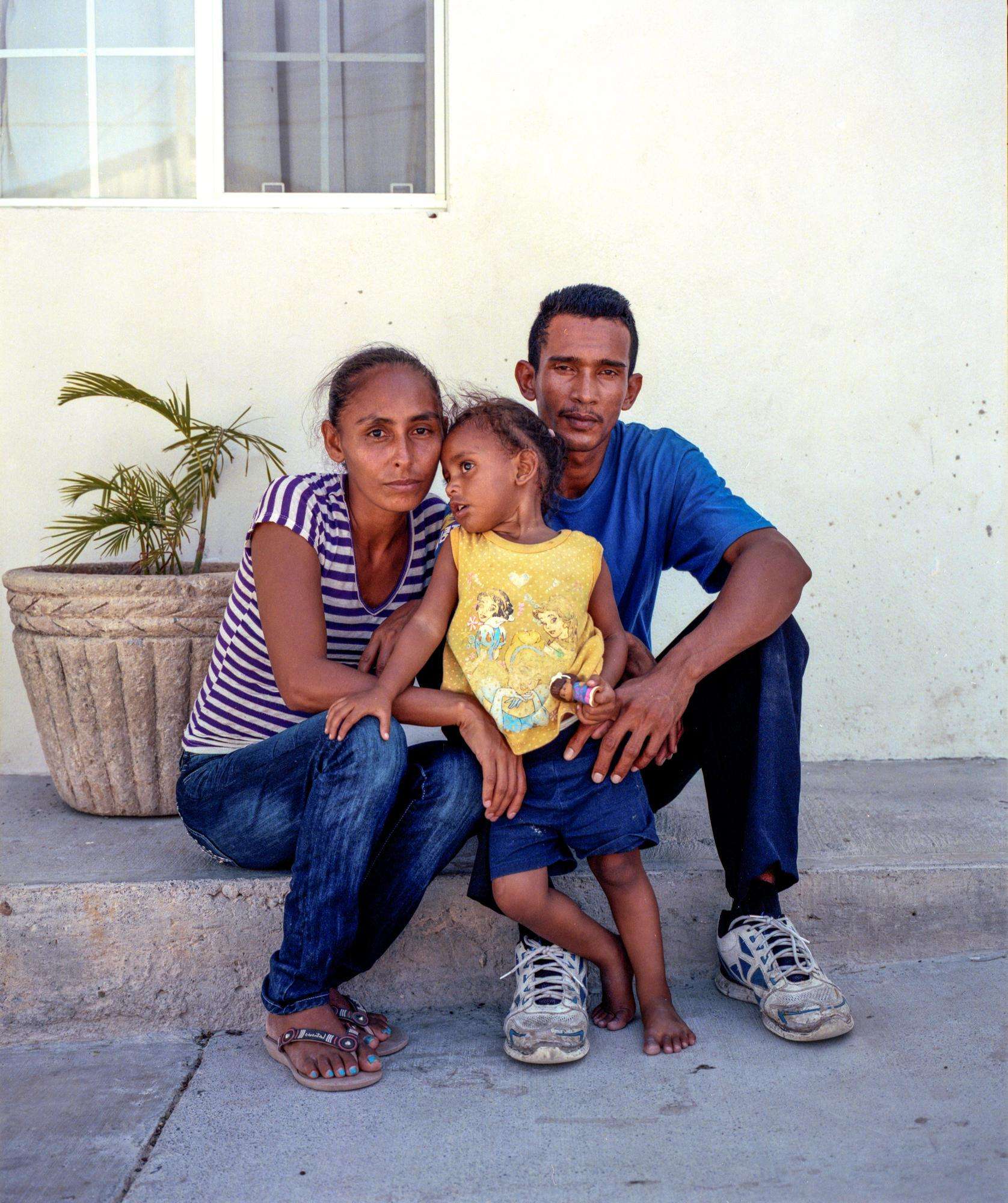
MSF has repeatedly brought the risks of nighttime deportations to the attention of the US government, but the situation has not changed.
Humanitarian service providers, including MSF staff members that travel to and provide medical and psychosocial services at the border, are also exposed to a largely preventable risk when moving after dark.
Many returnees processed in Reynosa are not from the local area and must be transported to other parts of the country. Onward travel requires armed escort from state police. However, due to a recent armed attack against police escorting a returnee bus and other safety risks of traveling at night, returnees who arrive after dark are not permitted to continue their travel and must be taken to a local shelter run by the Catholic Sisters of the Order of Guadalupe, until it is safe to continue their journey.
These night movements put returnees at risk, as well as the people who are transporting them and taking care of them in shelters and clinics. Forcing all returnees to spend the night in the shelter also strains the resources of service providers and furthers the stress and anxiety of those who have been deported.
MSF is only able to provide limited services to its patients who arrive late at night and are transferred immediately to a shelter. Since October, two MSF patients attempted suicide shortly following their deportation. Without time and a safe place to provide comprehensive psychosocial assessments and treatment, there is considerable risk that other returnees with significant mental health needs will not receive the medical care they require.
“The US has a responsibility to ensure that the movement and deportation of people is done safely and causes no additional harm to deportees,” said Fernandez.
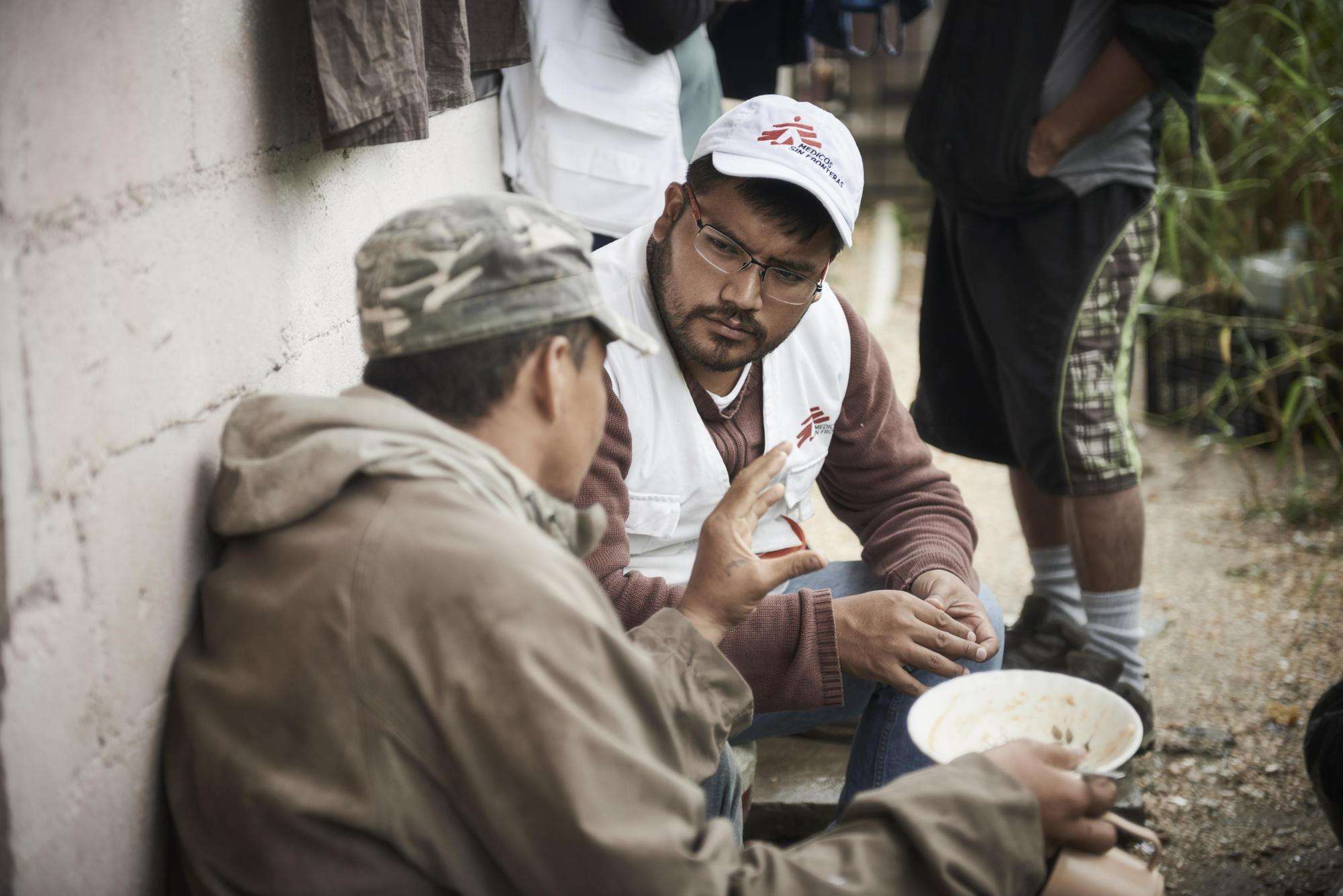
MSF has been working in Reynosa, Mexico since 2014, providing comprehensive health care (physical medical care, mental health care, health promotion, and social work) to victims of violence, and migrants, asylum seekers, refugees, IDPs, and returnees deported from the US. Since June 2018, MSF teams are present in the Instituto Tamaulipeco para los Migrantes (ITM) providing health promotion and psychological services to returnees who have been deported from the US at the moment of arrival.


News Jul 26, 2024
ViiV must urgently help get more people on lifesaving HIV prevention m...
Read More