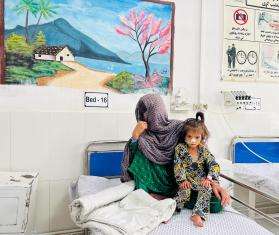
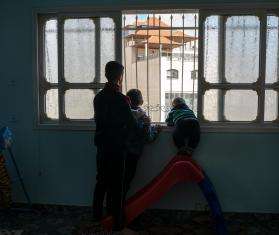
The residents of Plaine Savo are scared to leave. The roughly 76,000 people currently living in the displacement camp in Ituri province, eastern Democratic Republic of Congo (DRC), are forced to live in dire and undignified conditions, deprived of the most basic and essential services. Meanwhile, the threat of violence looms outside the camp.
Doctors Without Borders/Médecins Sans Frontières (MSF) is one of the few humanitarian organizations present in the camp, with teams providing primary, pediatric, maternal, and mental health care. Our teams also treat survivors of sexual violence and patients with acute malnutrition. We are also improving access to clean water through water trucking and by digging boreholes.
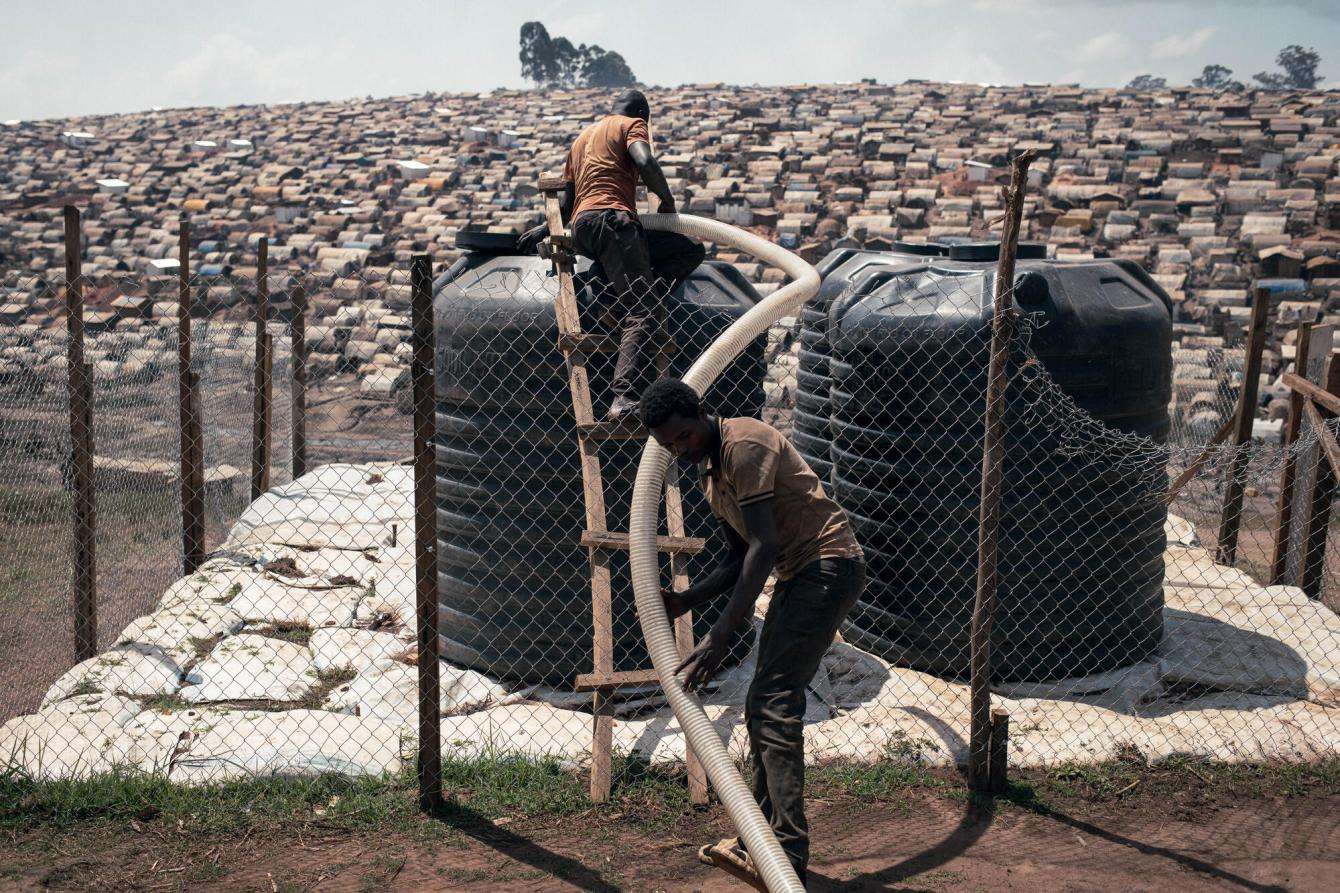
People face cycles of violence and displacement
“Our houses were set on fire,” said Antoinette, who has lived in a small makeshift shelter in Plaine Savo for 8 months. “The day we left, there were gunshots everywhere. People fled without taking anything with them. Some were killed, others raped or abducted. Until today, we do not know where those who have disappeared are, whether they are dead, imprisoned, or still alive.”
In December, Antoinette’s home village of Bule became the scene of violent clashes between the armed group Convention Pour Le Révolution Populaire (CRP) and the Congolese armed forces (FARDC). The whole town fled the fighting. This is the second time Antoinette has been forcibly displaced in recent years.
Most settled near a Ugandan army base — a cooperation with the Congolese government — hoping for protection. Before long, tens of thousands of displaced people sought shelter there.
“When we arrived here, we spent about two weeks with no shelter, nor plastic sheeting, exposed to the rain,” said Antoinette. “We finally built small huts with pieces of wood, plastic, and straw.”
Too dangerous to leave
Insecurity and access restrictions to the camp severely limit the presence of humanitarian organizations. “This is the worst humanitarian situation I have seen in years,” said Trish Newport, MSF’s emergency coordinator in Ituri.
The camp is encircled by armed men. Until recently, people were prevented from leaving to reach their fields, markets, and water sources. But most residents are still afraid to risk leaving and can’t access income, food, or other necessities.
In the last six months, MSF treated an average of 60 survivors of sexual violence every month, and seven people wounded by gunshots or bladed weapons every week. Most patients were assaulted or injured while attempting to leave the camp.
Since December, only two food distributions have taken place.
“The supplies are finished and we are still waiting for the next [delivery],” said Antoinette. “We have almost nothing to eat and the children are suffering. Life here is very hard."
"Getting the right nutrition is difficult because people cannot go to the fields and cultivate,” says Alphonsine, an MSF nurse supervisor who also fled her home in Bule. “If safety was better, people could farm and we would not face hunger.”
Providing essential health care
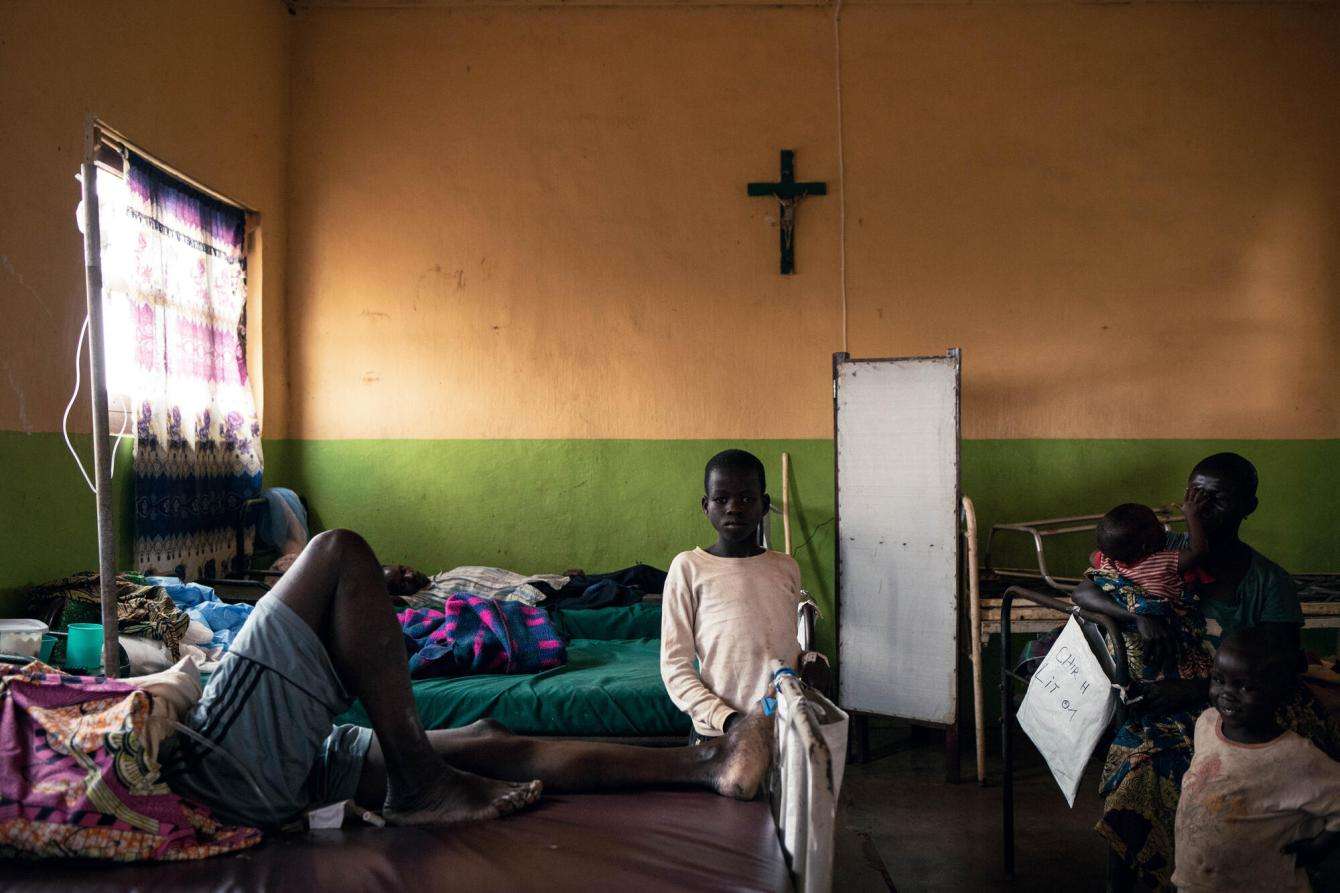
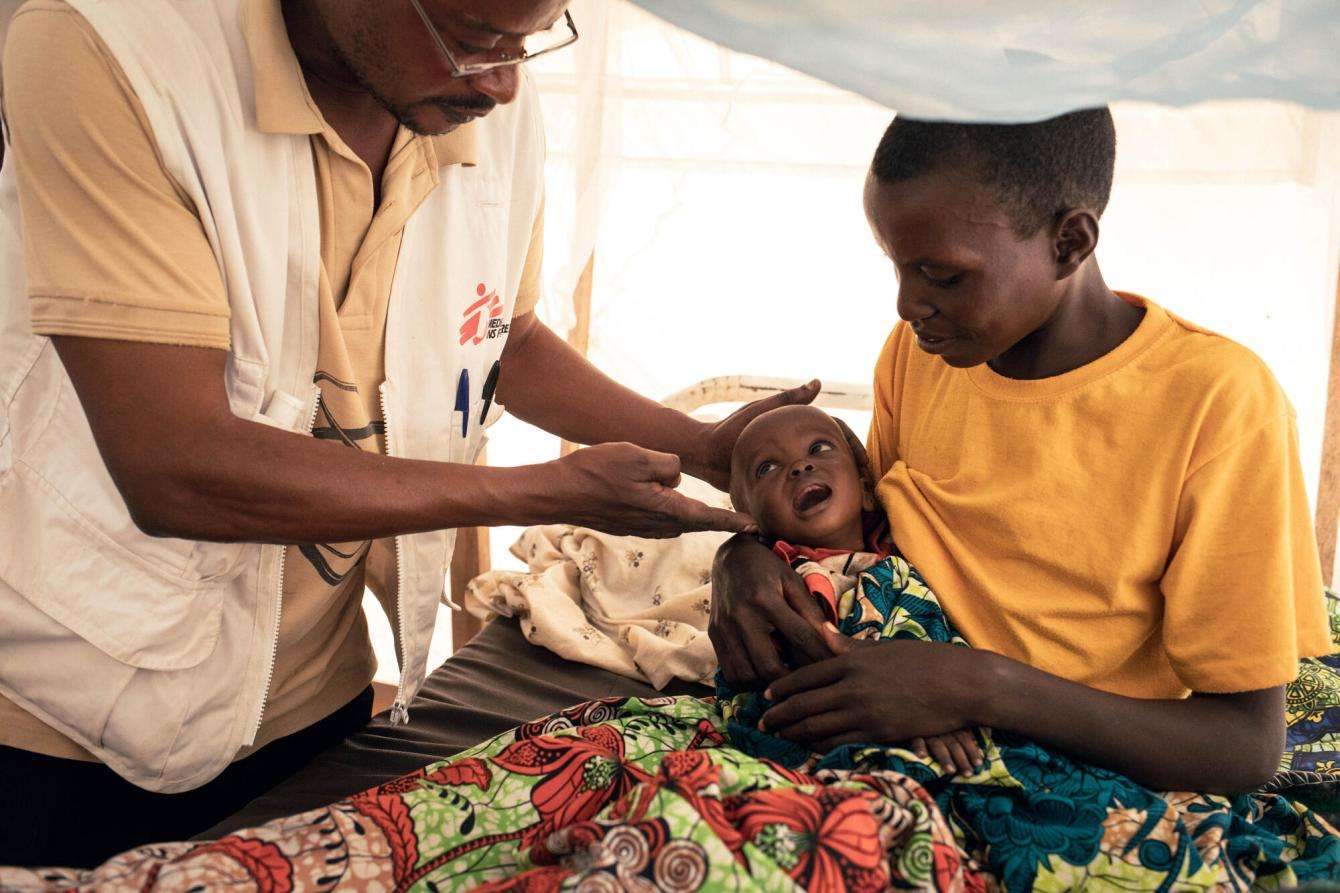
In February, MSF set up a health post to provide essential health care to people in the camp. At the time, MSF was one of the few humanitarian organizations present at the site.
"There were illnesses and deaths,” said Alphonsine. When she first arrived in Plaine Savo, diarrhea, scabies, typhoid fever, and parasitic infections spread rapidly, largely due to the lack of clean water. “Since MSF has been here, the number of deaths has really decreased,” she said.
Today, the health post provides primary, pediatric, maternal, and mental health care, provides care to people who have experienced sexual violence and those with acute malnutrition.
For severe cases requiring surgery, MSF has obtained authorization to transfer patients by ambulance from Plaine Savo to the MSF-supported Fataki General Referral Hospital, approximately 9 miles away. This is lifesaving for patients with gunshot wounds and for pregnant women.
“There used to be a lot of maternal deaths in the camp because we could not evacuate the mothers to the hospital,” Alphonsine says. “But we have not recorded any [maternal deaths] since the MSF vehicle can take them to Fataki at any time.”
The looming threat of Ebola disease
The Ebola disease outbreak, declared by national authorities in May, has dramatically worsened the health situation in Ituri. So far, 36 people with confirmed cases of Ebola disease have been transferred and admitted to the 24-bed Ebola treatment unit that MSF set up at Fataki General Hospital. The unit will soon be extended to 32 beds. The transmission risk for staff forced MSF to stop providing surgical support to the hospital — a difficult decision that will have a real impact.
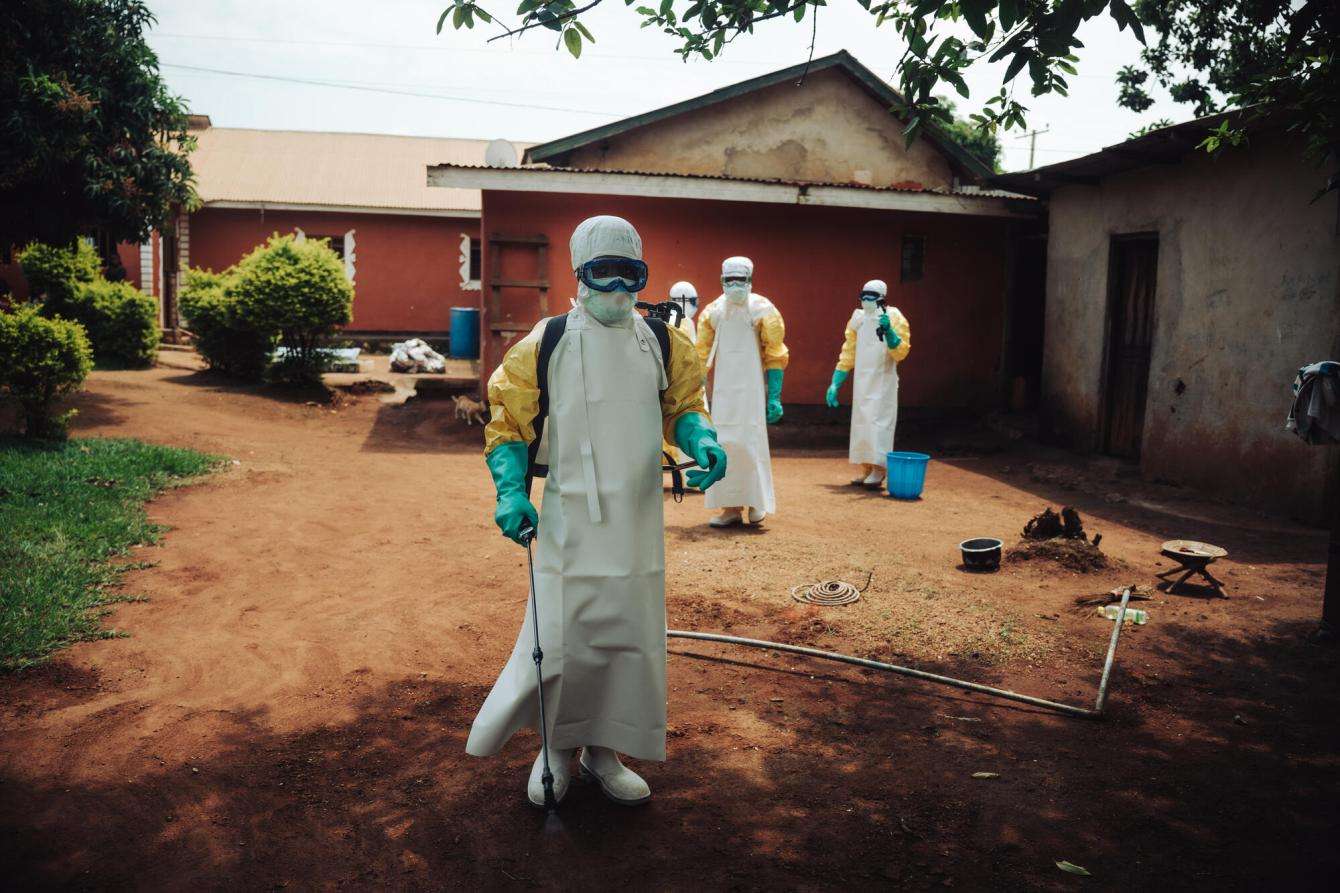
Everybody is aware of the disastrous consequences if the virus were to spread more broadly in the camp. So far, three people with confirmed cases of Ebola disease have been detected in Plaine Savo. Thanks to the swift mobilization of the community, and with MSF support, all of them were referred to Fataki hospital early for diagnosis and treatment.
“We are very afraid,” says Alphonsine. “Some of us have family members who have died in Mongbwalu and Bunia [from Ebola disease]. Shelters in Plaine Savo are crowded and often not even separated by half a meter from each other. If the disease arrives here, people could die en masse. That is why we are raising awareness among the population.”
Ebola disease is transmitted through direct contact with sweat, excrement, or other bodily fluids. To help prevent Ebola disease from spreading easily, access to clean water, sanitation, and hygiene is key. Since February, MSF teams have built 311 latrines, provide clean water through water trucking, and have dug nine new boreholes.
But more work needs to be done, as both the number of latrines and the daily amount of drinkable water available per person in the camp remain critically low. Non-food items and food distributions are needed in addition to efforts to protect the most vulnerable from abuse.
“To preserve the lives, dignity, and safety of displaced people in Plaine Savo, as well as to help better protect them against Ebola disease, the response must be urgently scaled up,” said Newport. “This means more actors on the ground with a greater capacity to intervene.”
Get breaking news from DR Congo and around the world.
News Nov 20, 2026
Drug-resistant infections are an increasing threat to people in confli...
Read more