Doctors without Borders/Médecins Sans Frontières (MSF) urges the government of Pakistan to ensure refugees are not forcibly returned to Afghanistan under the Illegal Foreigners Repatriation Plan (IFRP) and to establish formal exemptions for people with international protection needs.
MSF is deeply concerned about the IFRP’s impact on refugees’ access to health care. Refugees have told MSF teams they are delaying or foregoing medical care out of fear of arrest and to avoid documentation checks at health facilities. This has led to preventable health issues, including cases of malnutrition and pregnancy complications.
MSF spoke with Najib*, an Afghan refugee arrested during a police raid on his home, despite showing his proof of registration card. “My wife was three months pregnant when the police took me,” he says. “When I was released and came home the next day ... she told me that she had started bleeding very heavily because of stress and deep sadness. My mind was filled with so many images: the picture of the arrest, the trauma, the mental anguish from the previous night — everything was racing through my brain. But, just to save my wife’s life, I acted despite the fear. I finally decided I had to go to the hospital, but I was terrified that they would arrest me again. I rushed her to the doctor, but we were too late. My wife had already had a miscarriage.”

Returns of refugees to Afghanistan must not be forced
“Pakistan has hosted Afghan refugees for over 45 years despite limited international support,” says Marko den Hartogh, MSF’s head of mission in Pakistan. “Yet Afghan refugees live under constant fear of arrest, detention, eviction, loss of livelihood, and deportation. This makes it unlikely that many of the returns to Afghanistan are truly voluntary.”
Over 2.5 million Afghans have returned to Afghanistan under the IFRP so far, many involuntarily, according to the UN Refugee Agency. The UN recently identified over 70,000 Afghan refugees at imminent risk if returned. “It is critical that individuals with protection needs are not deported and that returns are voluntary, safe, and dignified,” says den Hartogh.
Between 2023 and 2026, roughly 6 million Afghans returned from Iran and Pakistan, straining Afghanistan’s fragile health care system. The systematic erasure of women and girls from public life, sweeping US aid cuts and wider funding declines, an overstretched health system, and a deepening economic crisis compound the challenges returnees face to reintegrate.
Fear of arrest prevents people from seeking care
The IFRP policy has undermined people’s ability to provide for their families, as people lose work and income amid fears of arrest and deportation. In early 2026, MSF ran mobile clinics for communities with no access to health care in Quetta, Balochistan, and identified a high burden of acute malnutrition among children seeking care, with 33.3 percent meeting the criteria for global acute malnutrition. Among those screened, 7.6 percent had severe acute malnutrition and 25.7 percent had moderate acute malnutrition. Nearly 90 percent of malnourished patients were Afghan refugees, most of them women and children.
The government of Pakistan began implementing the IFRP in November 2023, initially targeting undocumented Afghan nationals and later extending it to documented refugees holding Afghan citizen cards or proof of registration — many of whom had lived in the country since 1979. In a July 10, 2026, directive, Pakistani authorities ordered the immediate arrest and accelerated deportation of all Afghan nationals without a valid visa.
Soaring humanitarian needs in returnee settlements
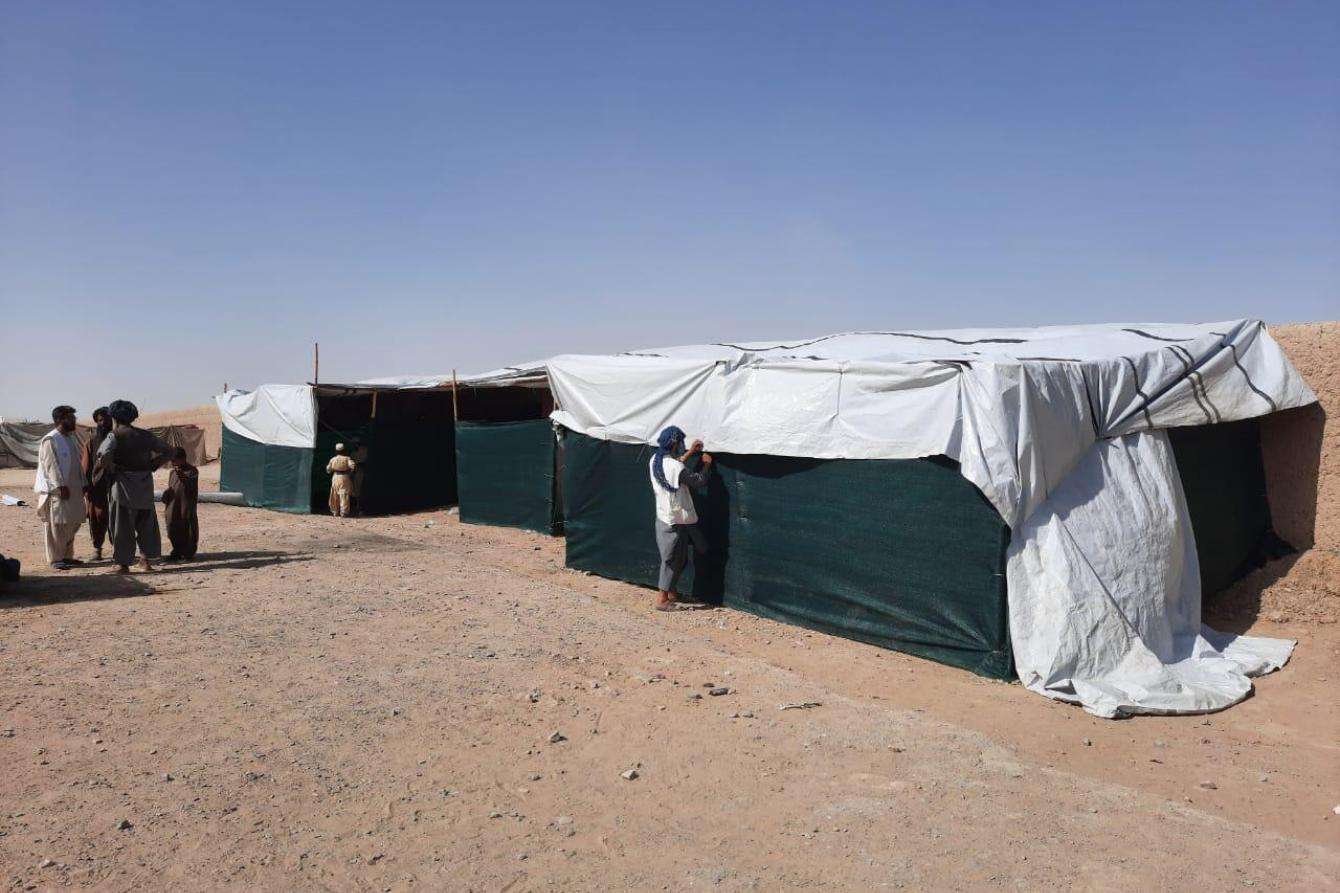
MSF assessments of informal returnee settlements in Afghanistan’s Kandahar province in October 2025 and April 2026 found a lack of basic health care, inadequate shelter, undernutrition, and poor sanitation — increasing the risk of outbreaks.
MSF urges countries hosting Afghan refugees to halt all involuntary returns to Afghanistan and ensure return processes do not undermine the protection and safety of refugees.
“We urge the government of Pakistan to renew its long-standing solidarity with refugees and formally adopt mechanisms to identify and protect those at risk of harm upon return,” says den Hartogh. “This must include women and girls, children, the elderly, people with disabilities, those needing urgent or long-term medical care, refugees awaiting resettlement, and others at heightened risk of marginalization, discrimination, or persecution.”
*Name changed to protect confidentiality and privacy
Get breaking news from Pakistan and around the world.

News Oct 28, 2026
Civilians and medical facilities must be spared amid surging violence ...
Read more