
MSF created the northeast border project in 2017 in response to the severe physical and mental health needs and living conditions of people who became stranded in northern Mexico in their search for a better life.
Over the past two years, however, deterrent and increasingly restrictive migration policies in the United States and Mexico have caused the flow of migrants to sharply decrease. As MSF closes its Reynosa and Matamoros projects, we hope to relocate our operations to other areas where great needs remain. Here, we take a look back at MSF’s work in this critical border area over the years.

The United States implemented the Migrant Protection Protocols (MPP) in 2019, which required asylum seekers looking for safety in the US to remain in Mexico while awaiting their hearings. In the first year of this policy, approximately 60,000 people were returned to Mexico. MSF provided medical and mental health care to many of those who were left to wait in limbo in makeshift tent camps along the Rio Grande, and in dangerous border cities where they were vulnerable to kidnapping, extortion, and other forms of violence.
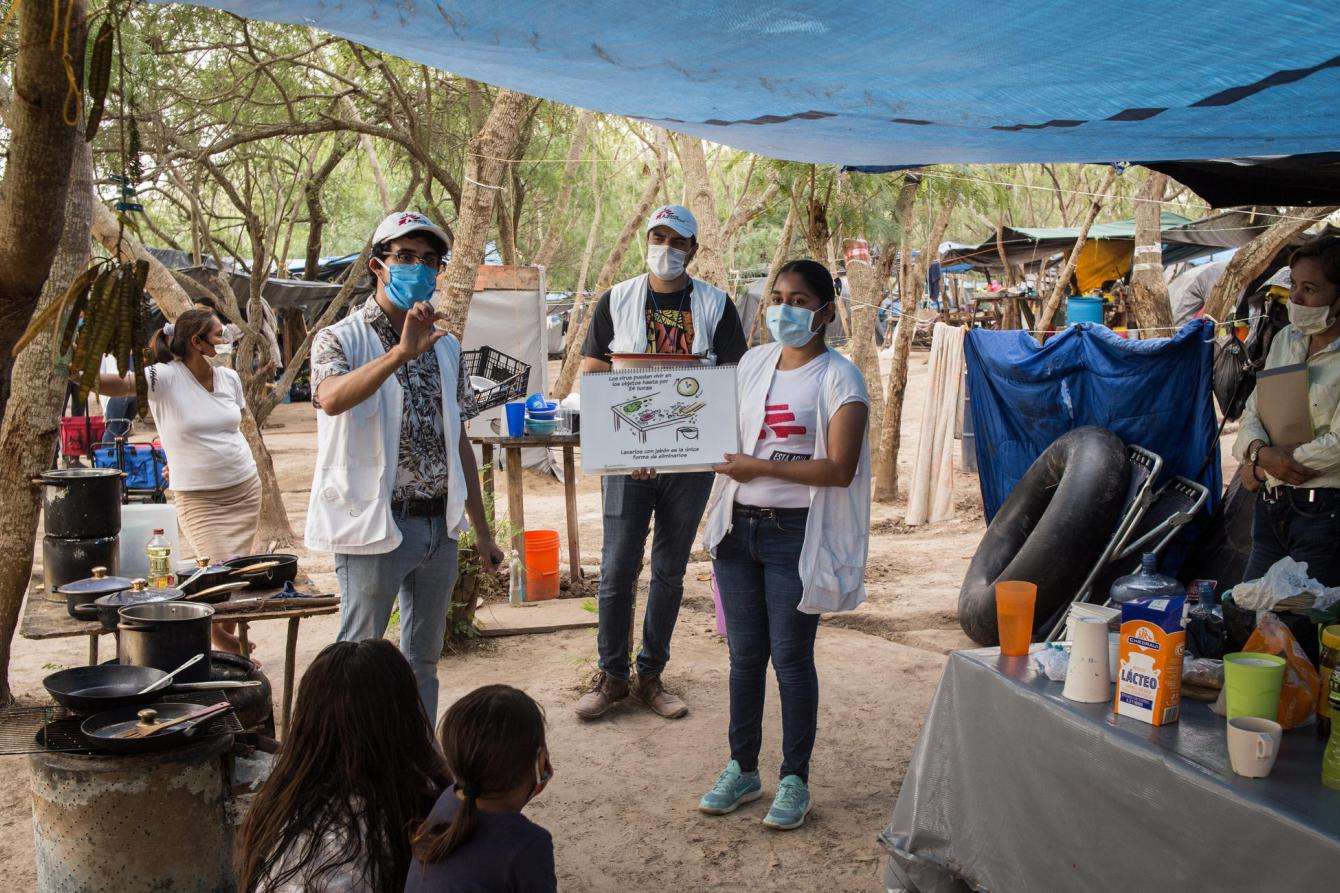
Amid the COVID-19 pandemic, the US government shut down asylum at its southern border in March 2020 by misusing Title 42, part of a 1944 act designed to give authorities power to prevent the spread of disease. Thousands of people seeking asylum wound up stranded in a camp in Matamoros, in crowded conditions with little access to water or health care.


Mexico 2020 © Arlette Blanco/MSF
MSF operated COVID-19 treatment centers in Reynosa and Matamoros to care for patients with both mild and more severe symptoms requiring concentrated oxygen, with isolation areas for patients unable to isolate at home. We also distributed cleaning supplies to migrant camps so people could disinfect common areas and reduce the spread of the virus.
In 2020, MSF provided 2,126 medical consultations and 2,547 mental health consultations in Reynosa and Matamoros camps, including for survivors of sexual violence, 85 percent of whom were women.

Asylum seeker Piedad* explained her story: “I fled Honduras with my children after a member of my family was murdered. I tried to request asylum in the United States, but instead I was detained and sent to Mexico to wait for my application to process, putting my life and my family’s at risk. I am waiting for an answer in Reynosa.”

In 2021, more than 2,000 people from the Northern Triangle of Central America—a region encompassing Honduras, Guatemala, and El Salvador—took shelter in tents in Reynosa’s Plaza de la República after being expelled from the United States.
In addition to direct assistance, MSF carried out advocacy work, documenting and denouncing the conditions of violence, abuse, and neglect at the border, particularly the impact of deterrent measures such as MPP and Title 42.
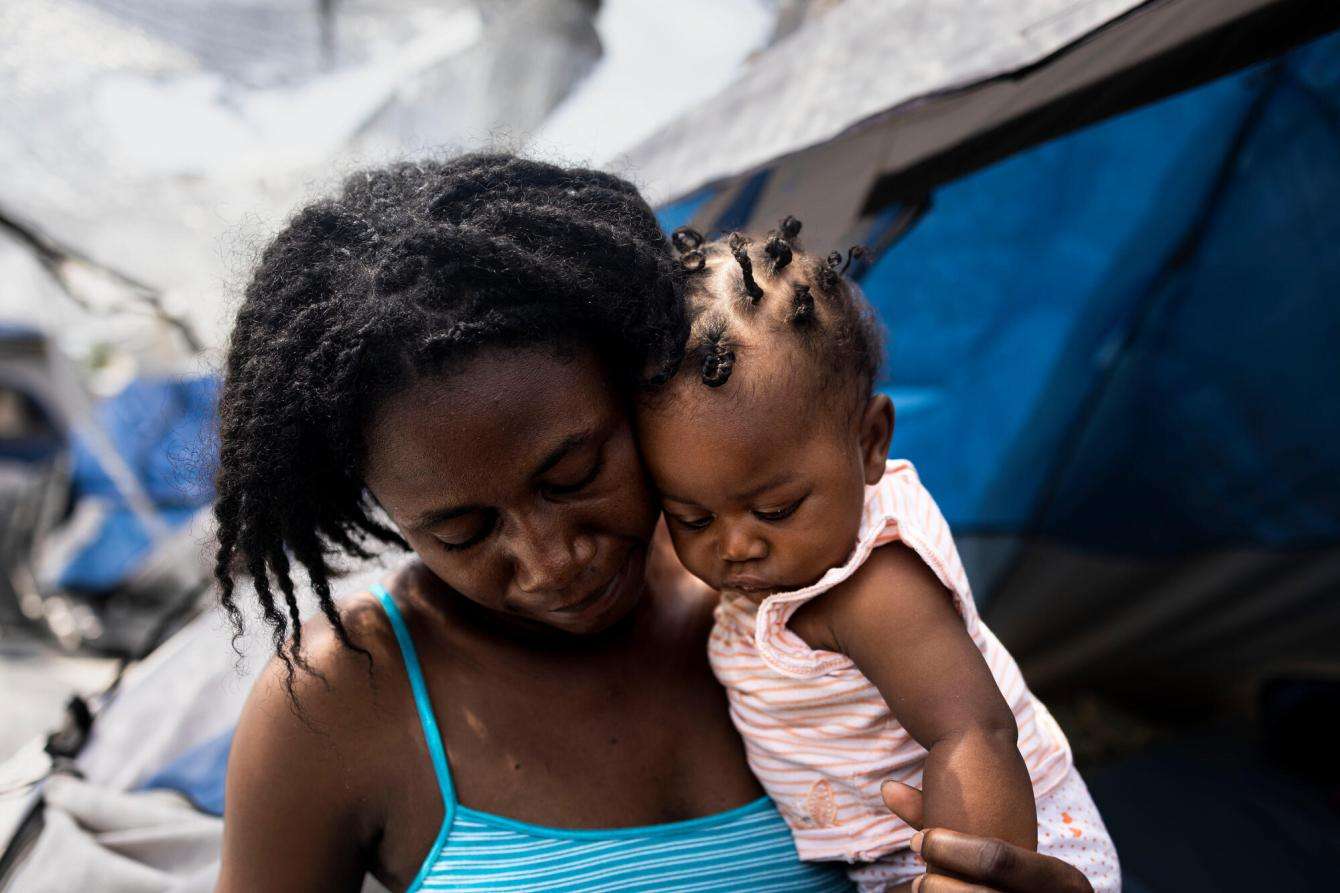
Dalila and her 6-month-old daughter, Blandina, sit at a migrant shelter in Reynosa in May 2022. Dalila left Haiti in 2017 and spent over four years in Chile until she and her husband decided to seek safety in the United States. Dalila was pregnant as they traveled through several countries, and gave birth after crossing into Mexico.
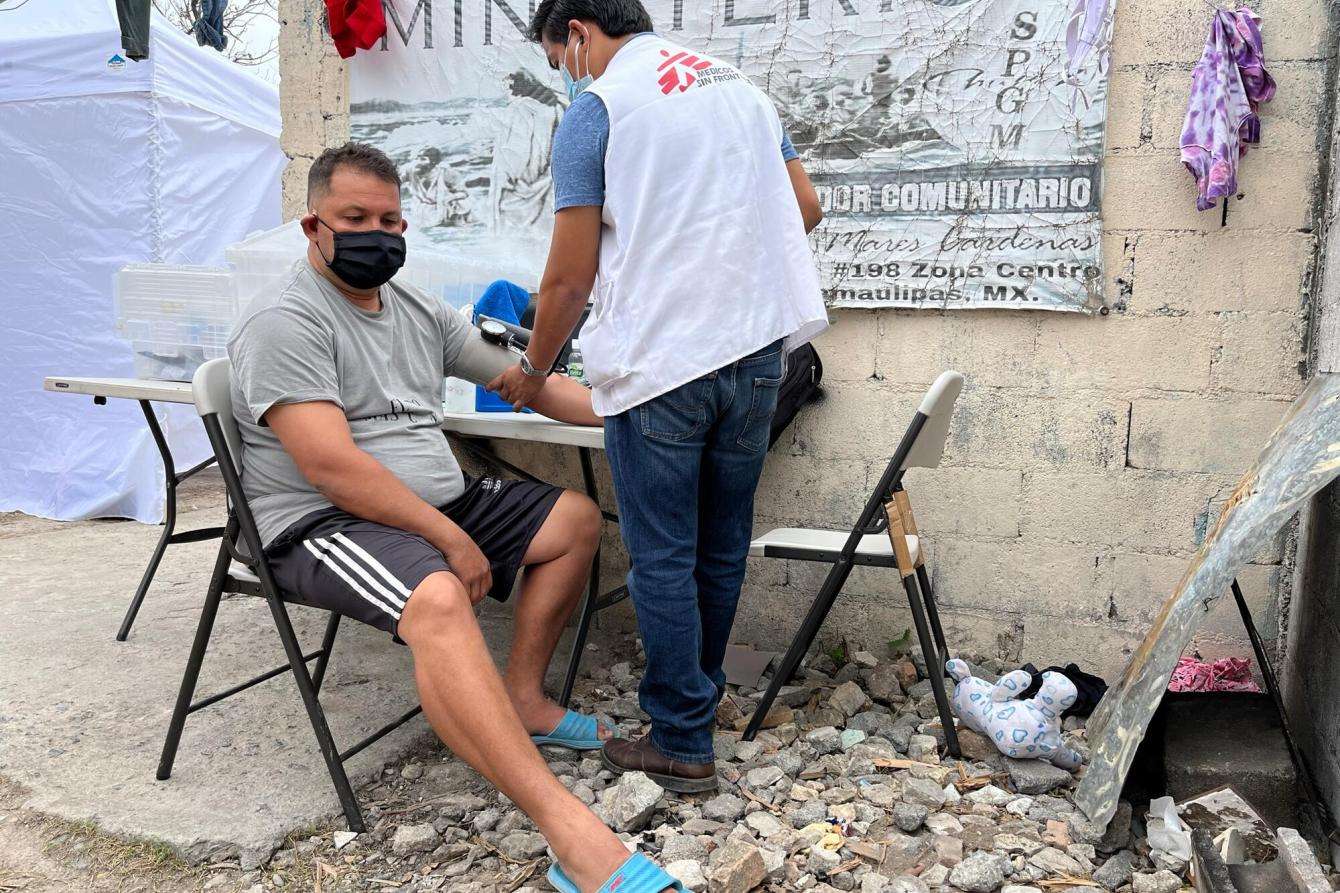
Although Title 42 expired in May 2022, the Biden administration announced sweeping new restrictions that created more barriers to asylum, including requiring asylum seekers to secure an appointment with US border officials using CBP One, a mobile app that was difficult for people with literacy or language barriers to use and required access to a smartphone. Like Title 42, these policy changes were designed to deter asylum seekers, but they only further endangered the lives of people seeking safety.

“Over these years we have cared for thousands of people exposed to extreme risks such as kidnapping, torture, sexual violence, and dispossession, and we have accompanied their resilience in a deeply hostile environment,” said Cristina Romero, MSF medical activities coordinator in Reynosa. “At the same time, we strengthened the local response by working hand in hand with Mexican health institutions, shelters, and community organizations that have been a fundamental pillar in providing protection and care to this population.”

Despite the closure the Reynosa and Matamoros project, it’s not the end of our work in Mexico. MSF will continue to respond to medical and humanitarian emergencies in other parts of the country, using the learnings and methodologies developed at the border.
As we close this chapter of our work near the border, MSF is deeply grateful to the patients, communities, local health authorities, shelters, journalists, and partner organizations that helped guarantee access to health and dignity for people regardless of their origin, status, or life experience.