Climate change, however, is threatening access to this most basic and essential resource for life. Rising sea levels and saltwater intrusion are making the groundwater people draw from shallow wells too salty to drink, while intense rainfall brings floods that overwhelm sanitation systems. Seasonal droughts are also causing water wells to run dry. This has raised the risk of waterborne diseases, skin infections, and other climate-linked health concerns, with children, the elderly, and pregnant women especially vulnerable.
Doctors Without Borders/Médecins Sans Frontières (MSF) runs a climate-sensitive health care project in Kiribati in partnership with the Ministry of Health and Medical Services. We work closely with the I-Kiribati community to improve care and referral systems, as well as support infrastructure for water and sanitation, waste management, and rainwater storage.
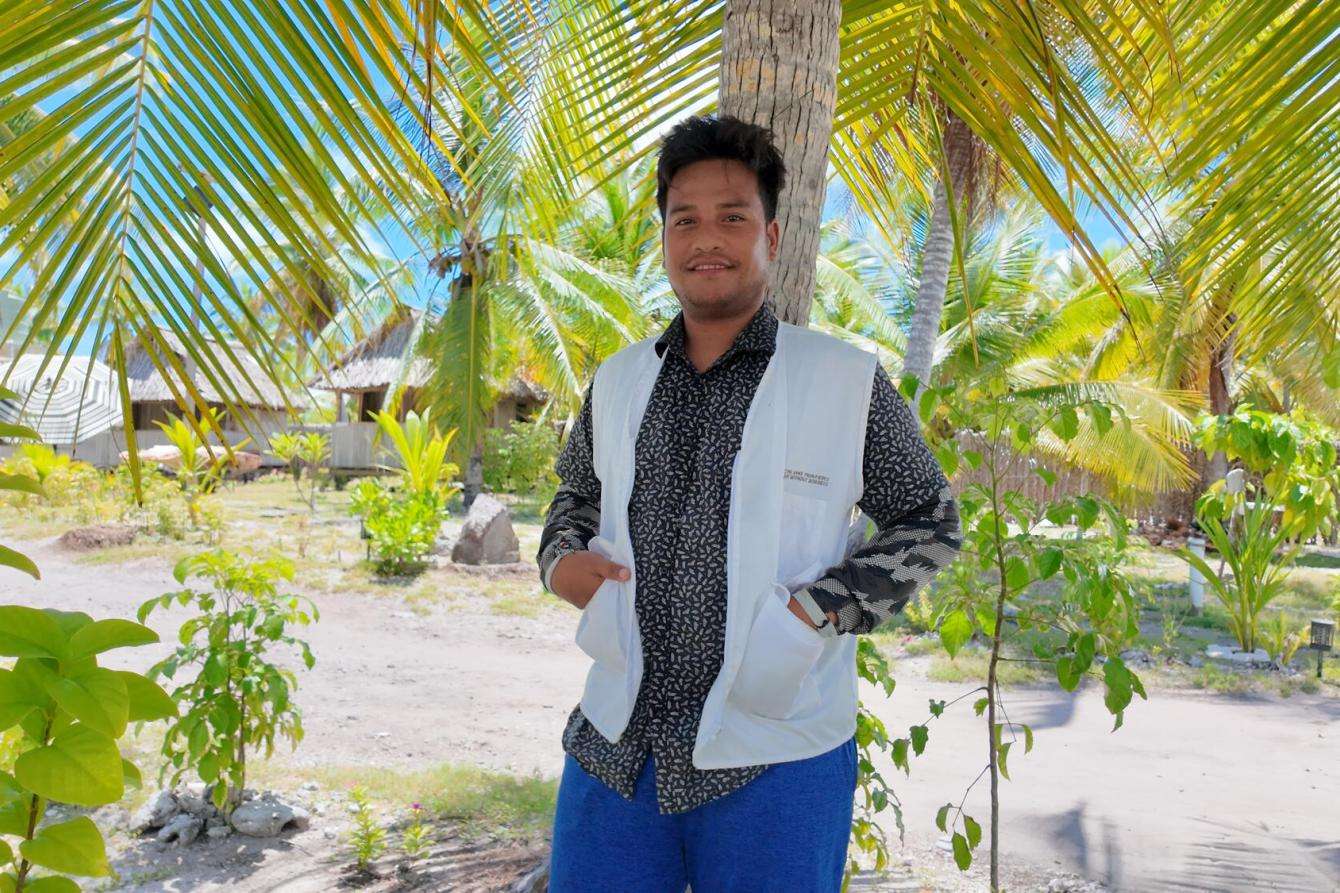
Mila Tirikai is an I-Kiribati water, sanitation, and hygiene (WASH) supervisor who plays a critical role in this work. Born in Tarawa, the capital, he knows firsthand how the climate impacts life in these remote island communities. Here, he shares his experience growing up on the front lines of climate change in Kiribati, and how MSF is working to strengthen climate-resilient health systems and address key health challenges in the community.
Mauri! This is a common greeting in Kiribati, usually translated as “hello,” but its meaning represents life, health, and well-being. Our national motto is Te Mauri, Te Raoi ao Te Tabomoa, which means “health, peace, and prosperity.” Here, Te Mauri comes first because life and well-being are the foundation of everything else. In I‑Kiribati culture, before peace and prosperity, there must be good health and strength.
Life here is simple and centered around family, church, fishing, and helping one another. Because resources are limited, people learn from a young age to value and save water. Collecting and storing rainwater is a normal and important part of daily life.
As a child, I did not understand climate change. Droughts, flooding during [high] tides, and coastal erosion felt like normal parts of island life. Sometimes our rainwater tanks would run dry, and water became very limited. We also saw the sea slowly affecting the land near our homes. At that time, we simply adapted without thinking of it as part of a global problem.
Now, working as a WASH supervisor, I understand that the challenges we face are not just local issues, but part of a larger global climate crisis that affects small island nations like Kiribati the most. The impacts are happening more often and are more serious. Saltwater is entering groundwater, making wells too salty to drink from. Droughts last longer, weather patterns are less predictable, and flooding during high tides happens more frequently. Fresh water, which was already limited, is now under even more pressure.
Water is life
When I say, “water is life,” I mean it in the most literal sense: It is survival itself. Before joining MSF, I saw water simply as something we needed for our daily routine. I believed water was easily accessible in my country, since underground sources like wells were common.
As a WASH supervisor with MSF, I have witnessed firsthand how water scarcity and limited access affect entire communities, and Kiribati is a striking example of this. We are surrounded by ocean, yet safe drinking water remains dangerously scarce. Most communities depend on shallow groundwater lenses only a meter or two below the surface, which are highly vulnerable to saltwater intrusion from rising sea levels, contamination, and prolonged droughts driven by climate change.
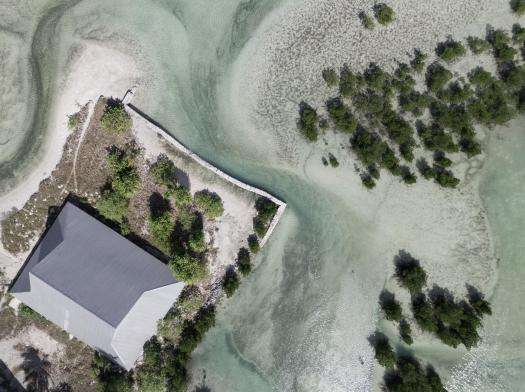
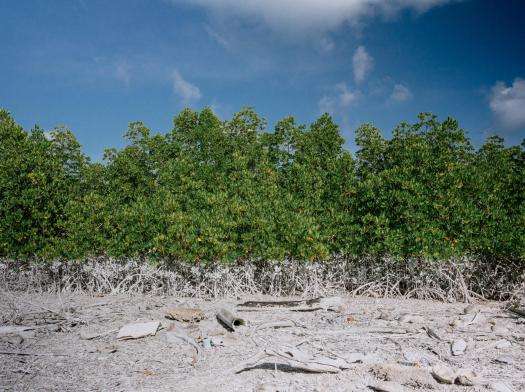
From left: Aerial view of Tebunginako, a village that was abandoned due to erosion from saltwater intrusion and the loss of freshwater sources; salt residue on the village's shoreline. Kiribati 2024 © Victor Caringal/MSF
With such fragile freshwater supplies, families are often forced to choose between drinking water they know may be unsafe or facing severe shortages altogether. Through my experience in Kiribati and beyond, I have seen how growing numbers of people around the world suffer from the lack of safe, reliable water — facing not only thirst, but disease, displacement, and threats to their basic dignity and survival. This has transformed my understanding of water from a simple daily necessity into a matter of life, health, and human rights.
Rehabilitating wells and rainwater harvesting systems is a key part of my work. Because freshwater is scarce and groundwater is vulnerable, every water source is important for daily life. We begin with field assessments to check the condition of wells and rainwater systems, identify structural damage, and assess water quality risks such as contamination or salinity. We prioritize communities facing water shortages, health facilities without reliable water supply, and areas affected by drought, flooding, or saltwater intrusion.
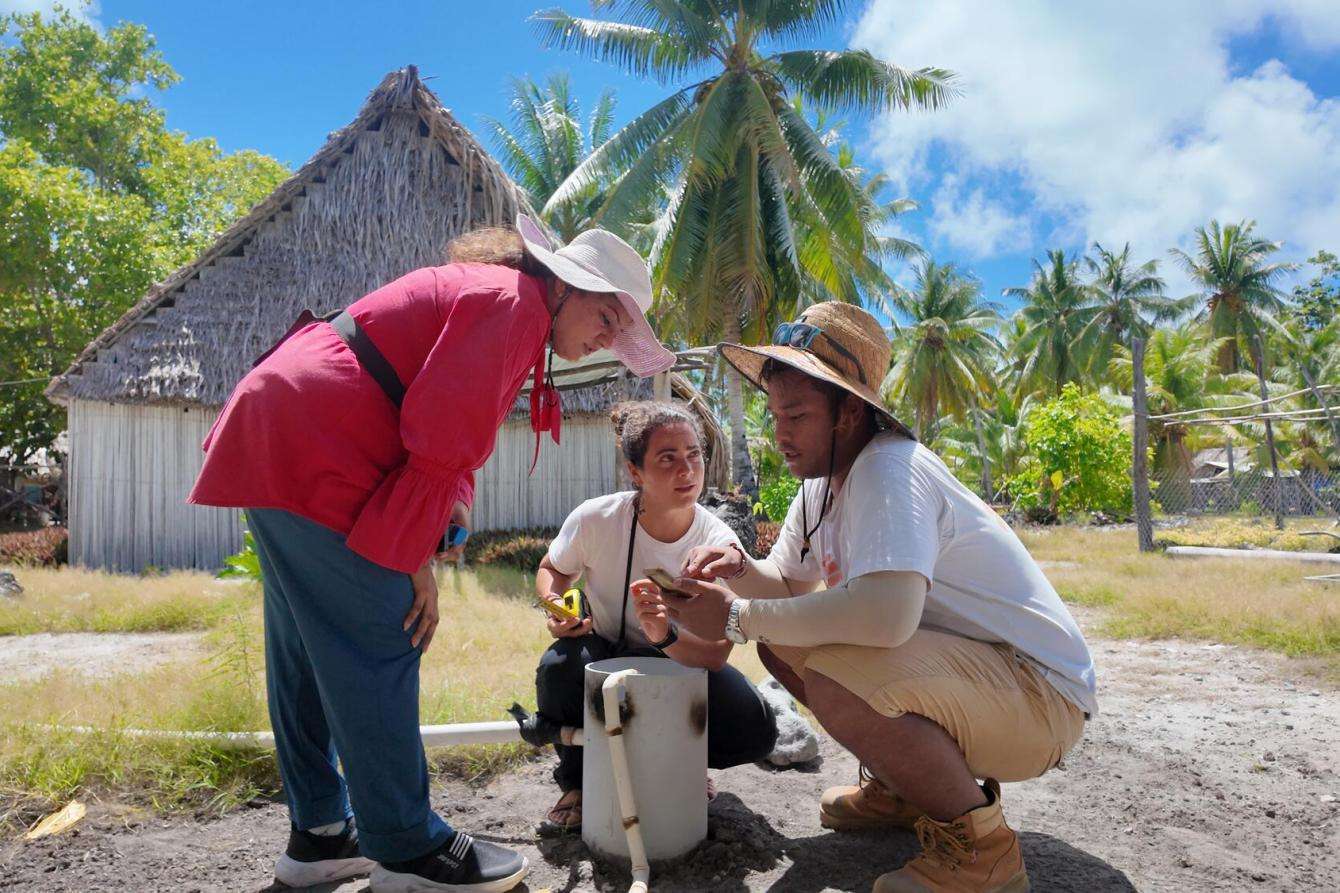
Water security in a changing climate
In the language of Kiribati, there are several everyday words and expressions that communities use to describe climate‑related threats. Te maraia is often associated with drought‑like conditions; it is an expression that reflects concern about prolonged dry periods and changes in the rainy season. Te buaka refers to strong winds combined with large waves, which can erode coastlines and contaminate wells by allowing seawater to enter freshwater sources. People also speak of times when the land feels lifeless and stressed — te rongo.
These changes do not happen one at a time; they build on each other, and that is what makes life harder for our communities. When the rain does not come for a long stretch, our crops suffer and families start to worry about having enough food to eat. Then when the rain finally does come, it often comes too hard and too fast, flooding the very water sources we depend on and turning them turbid and unsafe to drink.
Te buaka brings its own hardship. Strong winds and waves push the sea into powerful surges that eat away at our coastlines, flooding homes and damaging the wells we rely on for fresh water. Our islands are very narrow, so there is nowhere for the land to retreat to. When we lose a well, a home, or a stretch of land to the sea, it is not something we can easily get back.
These environmental changes directly affect people’s health. When rainwater tanks or community water points run dry, families may be forced to use unprotected wells or other contaminated sources. This increases the risk of diarrhea and other waterborne diseases. In some parts of Kiribati, where there are no alternative sources, people may depend on salty groundwater for drinking when rainwater is completely unavailable, which can create additional health concerns, particularly for vulnerable people.
Water shortages also affect hygiene practices. To conserve water, families may reduce handwashing, bathing, laundry, and washing dishes and cooking utensils. This makes it easier for skin and eye infections and other communicable diseases to spread.
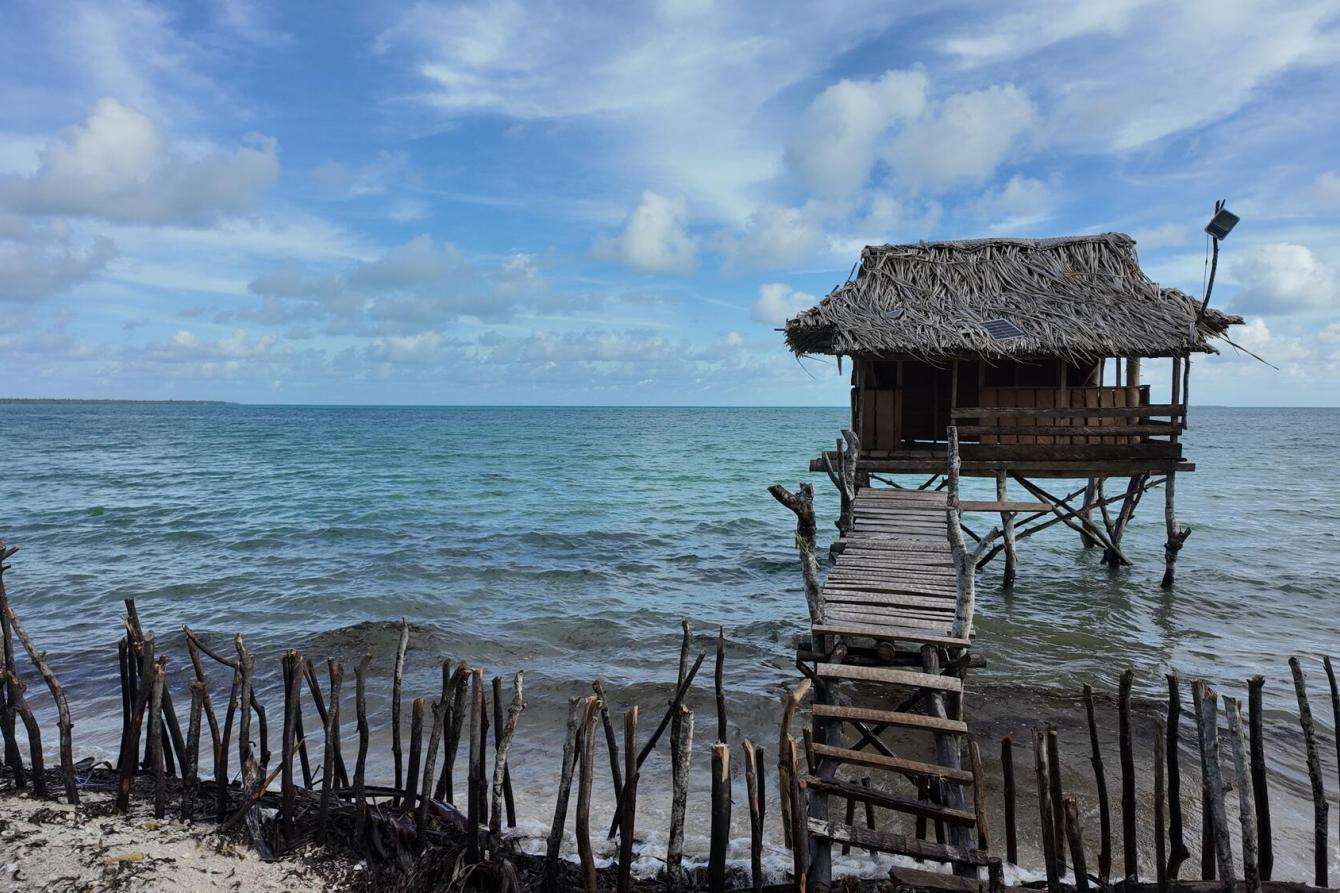
Local knowledge and hydrogeology are critical
As part of MSF’s sustainability efforts, we are working in partnership with communities across Abaiang and Tarawa to address ongoing challenges in water availability and quality. This includes the rehabilitation of existing community water points and primarily wells, in line with MSF’s well protection standards. We install proper well covers, protective fencing, and concrete slabs to prevent stagnant surface water and contamination around the source.
In parallel, we strengthen rainwater harvesting systems at health facilities by installing first‑flush diverters and mesh screening over gutters to reduce debris and contamination, and by providing standardized storage tanks for both community and patient use.
While these interventions are simple, they are some of the most impactful and sustainable actions taken so far. Central to their success is the active participation of community members, who are engaged in the construction process itself. This builds local capacity and ownership alongside the physical infrastructure, and helps ensure that improvements last beyond the project’s active phase.
Tools like hydrogeological mapping have also become important in our work. For me, hydrogeological mapping and local knowledge are complementary; each fills gaps the other cannot cover on its own.
Hydrogeological assessments give us a technical understanding of groundwater availability. This data forms the scientific basis for identifying which existing water points can be rehabilitated and which require closer monitoring or alternative solutions. Local knowledge then directs our efforts toward wells and water sources that communities already recognize as unreliable, contaminated, or prone to seasonal failure.
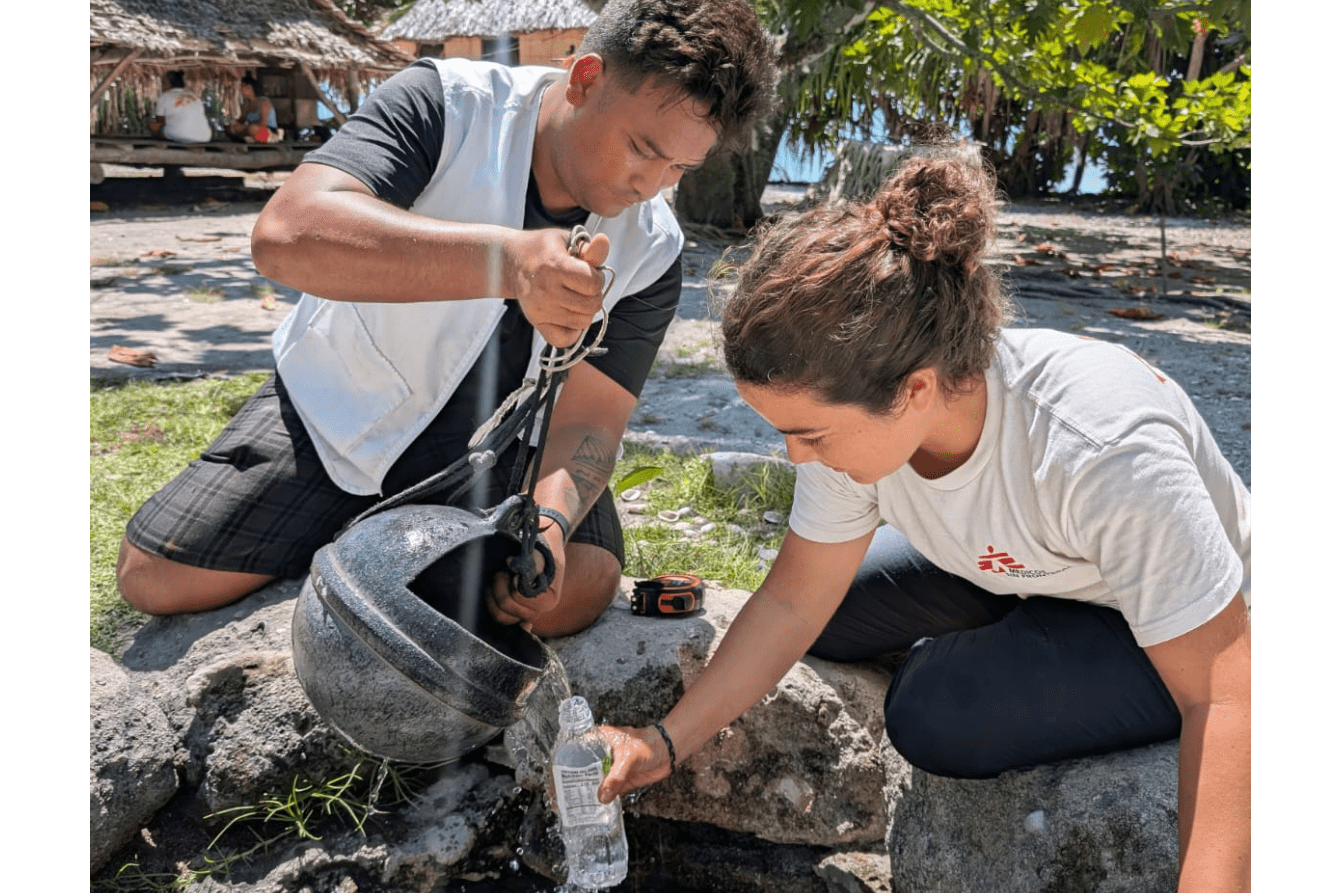
Climate action is more urgent than ever
As the world looks toward COP31, I want global leaders to understand that in Kiribati, climate change, water, and health are directly connected.
The impacts are especially serious for children, pregnant women, older people, people with existing illnesses, and communities living far from reliable services. Health facilities are also affected because they need sufficient safe water for handwashing, cleaning, childbirth, infection prevention, and health care waste management.
Global leaders must move beyond discussion and provide practical, long‑term support for resilient water systems. Protecting water in Kiribati means protecting health, dignity, and the future of our communities.
Climate change brings extraordinary health challenges to Kiribati
Read moreWhat gives me hope is seeing that practical improvements are possible when communities, health workers, local authorities, and organizations work together. Through MSF’s activities, we have seen damaged rainwater harvesting systems repaired, community wells improved, water quality tested, and health facilities supported with safer water and better waste management practices. I am encouraged by the willingness of communities to participate, identify problems, and help protect their water sources. When local focal points are trained and responsibilities are clearly handed over, there is a better chance that these systems will continue to function.
The challenges are serious, but progress can still be made through regular monitoring, maintenance, local technical skills, and strong coordination. My hope comes from seeing that even small, practical actions can reduce health risks and improve people’s daily lives.
Ko rabwa (thank you) and tiabo: This means our conversation is ending for now, but we will meet again soon.
We speak out. Get updates.
News Nov 02, 2026
Gaza: MSF surgeon must be released after two years of arbitrary detent...
Read more
Story Nov 02, 2026
Harmful policies obstruct care for sexual violence survivors in DR Con...
Read more
News Oct 29, 2026
Gilead rakes in huge profits while millions go without HIV prevention ...
Read more