Democratic Republic of Congo (DRC) is currently facing the largest and deadliest Ebola disease outbreak in its history.
The outbreak is unfolding in the east of the country, which was already experiencing a decades-long humanitarian crisis marked by conflict, violence, displacement, food insecurity, and multiple overlapping health emergencies. These conditions make it much harder to stop the Ebola disease outbreak, which continues to spread at an alarming rate. More than 8,000 people have been confirmed to have contracted Ebola, while at least 3,900 have died from the disease.
Stopping the spread of Ebola disease requires multiple coordinated actions to be carried out at the same time: locating people suspected to have the disease, safely isolating them and transferring them for care, tracing contacts who may have been exposed, preventing infection in health facilities and communities, and working closely with affected communities to build trust, share information about the disease, and encourage people to seek care early. Focusing on just one area is not enough. No matter how difficult they may be to implement, all of these actions are essential and rely on each other to end the outbreak.
Surveillance
Epidemiological surveillance means gathering and analyzing key information to understand how an outbreak is evolving and where it’s spreading. By tracking this information over time, health teams can spot warning signs that the outbreak may be spreading to new areas, respond faster, and adapt the response as the situation changes. This includes tracking test results, suspected and confirmed cases, and people who may have been exposed to the disease through contact with an infected person.
Affected communities themselves play a key role in disease surveillance. Community members are often the first to notice possible cases or unusual deaths and can provide essential information to help health teams track the outbreak and identify new chains of transmission early. For this reason, communities must be fully involved in surveillance efforts through community-based surveillance.
What surveillance helps track
One of the key indicators monitored through surveillance is community deaths. These are deaths that happen at home or outside health facilities of people who had symptoms that match those of Ebola disease. Tracking information about these deaths is important as it helps find new clusters of infection.
Community deaths can also reveal gaps in the response. People may not recognize the symptoms of Ebola disease or not know what to do if symptoms appear; some might have waited too long to seek care or are not able to reach a health facility. During the current outbreak, more than 68 percent of Ebola-related deaths in DRC are estimated to be community deaths, peaking at 75 percent during the first week of September.
Tracking community deaths is also important because anyone who came into contact with the deceased person while they were symptomatic, or with their body after death, may have been exposed to the disease and will need follow-up.
Contact tracing means identifying everyone who had close contact with a person with Ebola disease — whether living or dead — after the onset of symptoms. MSF teams and other response partners can then contact them, explain the risk that they may have been infected, and tell them what symptoms to watch for and what to do if they become sick. By identifying contacts early and monitoring them for 21 days — the time it can take for Ebola symptoms to appear — health teams can detect new cases faster, isolate and treat patients earlier, and help reduce the spread. This is known as “cutting the chain of transmission.”
Health teams also look at how many confirmed Ebola patients had already been identified as contacts before becoming sick. This helps show how well the outbreak is being tracked and whether there are gaps in the response.
Contact tracing has been difficult during the current outbreak. Some patients may be reluctant to share the names of people they were in contact with, while some contacts might not be properly registered, reachable, or consistently followed up on. These challenges make it harder for health teams to bring the outbreak under control because they cannot fully understand how the disease is spreading.
To understand how the outbreak is spreading and respond quickly and effectively, suspected cases — including deaths from suspected Ebola — must be confirmed as soon as possible.
To do this, samples must be collected, transported quickly, and analyzed without delay in properly equipped laboratories. This requires access to trained staff, supplies, protection equipment, and laboratories, including those located close enough to affected areas to reduce delays in transporting samples and receiving test results.
Strong and decentralized laboratory capacity also improves patient care. It allows patients who test positive to be admitted and treated more quickly, and those who test negative to be discharged sooner. This also helps free up beds in Ebola treatment centers when they are urgently needed.
Infection prevention and control
Infection prevention and control (IPC) refers to measures taken to stop Ebola disease from spreading, especially within health care facilities. Because Ebola disease is spread through contact with infected body fluids, preventing exposure is critical. IPC also includes routine safety measures such as safe blood collection, secure needle disposal, cleaning and disinfecting beds and equipment, and careful handling of contaminated waste.
In treatment centers and hospitals, infection prevention and control begins as soon as a person arrives: Anyone suspected of having Ebola disease is identified quickly, separated from others, and isolated while awaiting their test results. Patients with confirmed Ebola disease are then cared for in dedicated areas to reduce the risk of transmission.
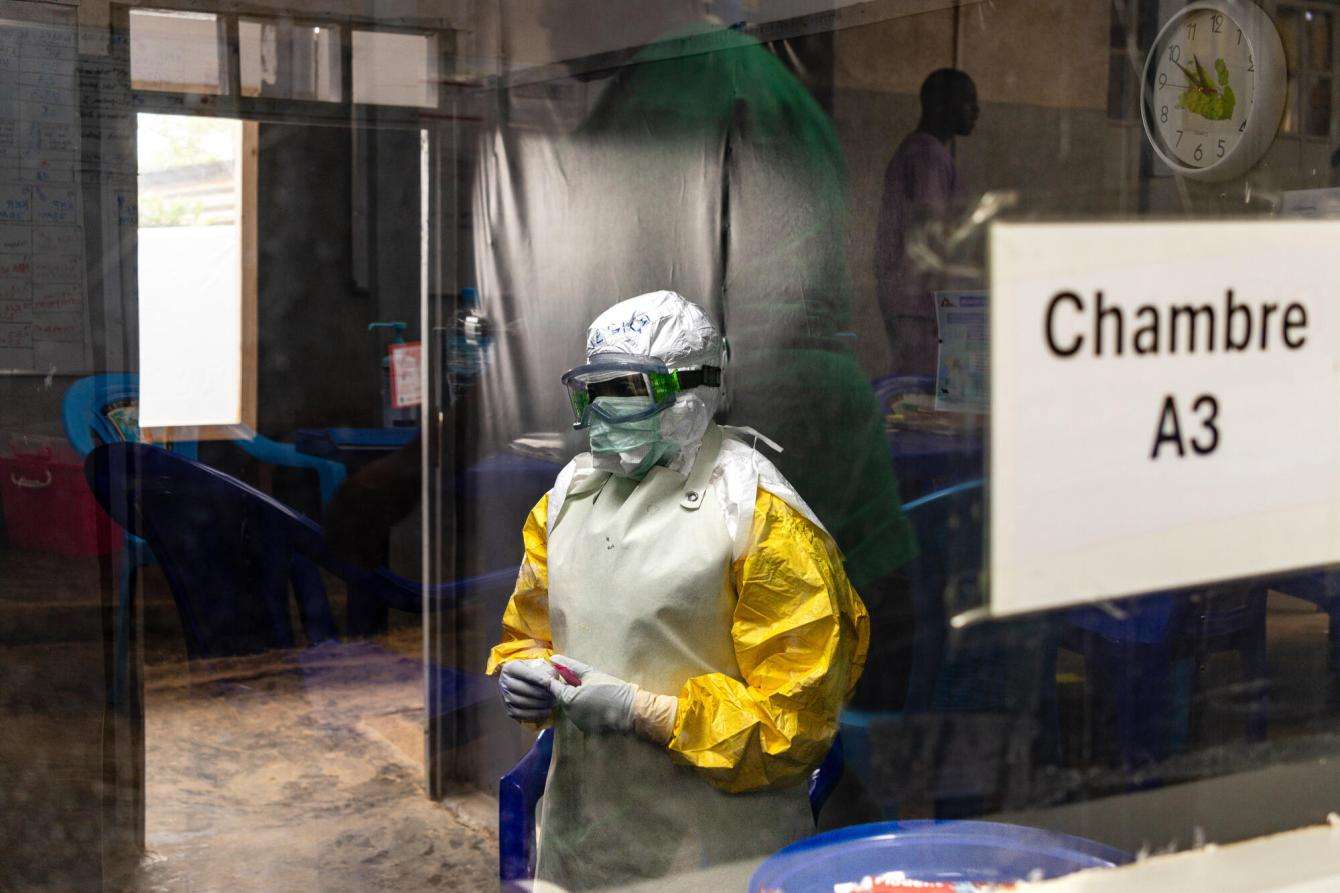
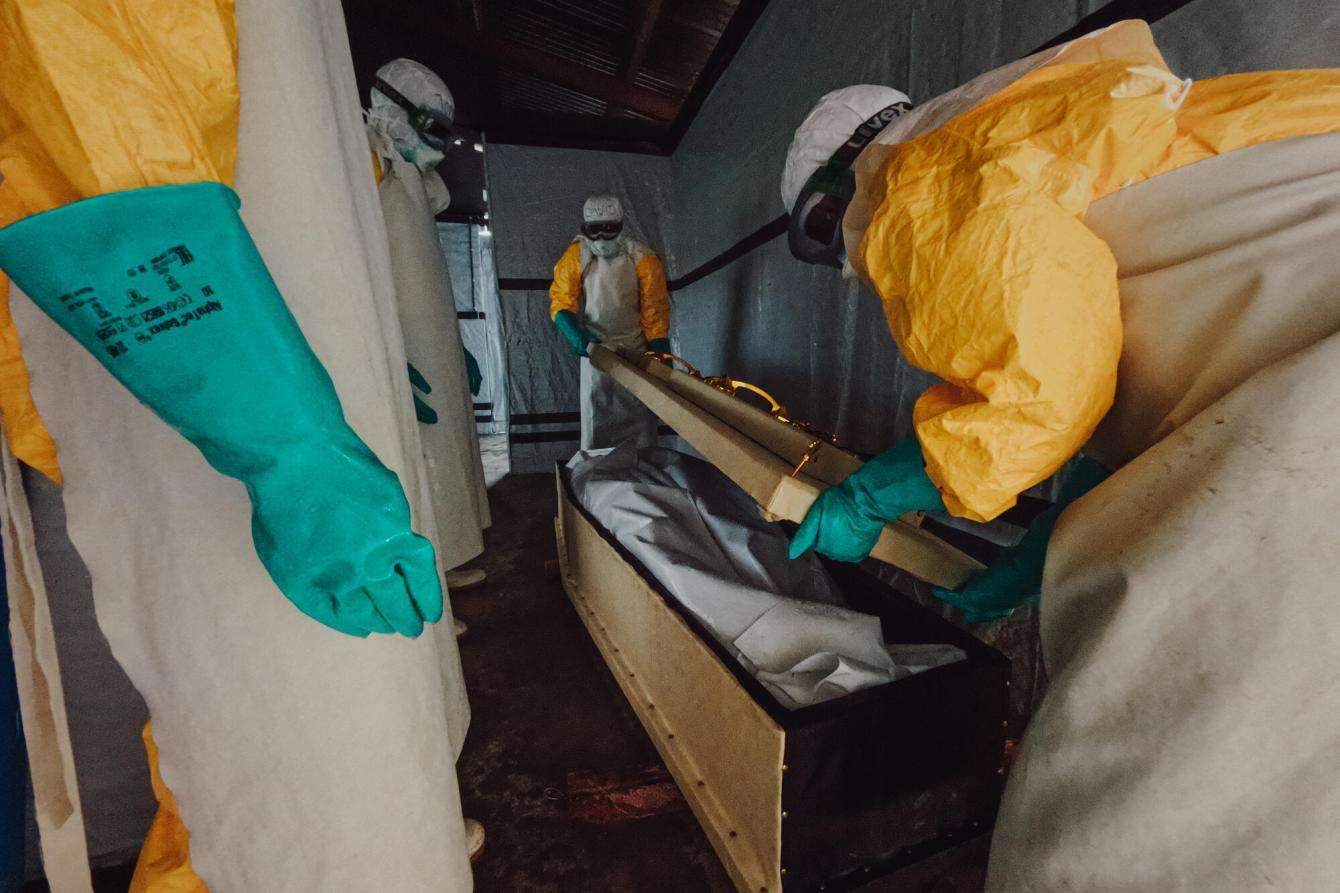
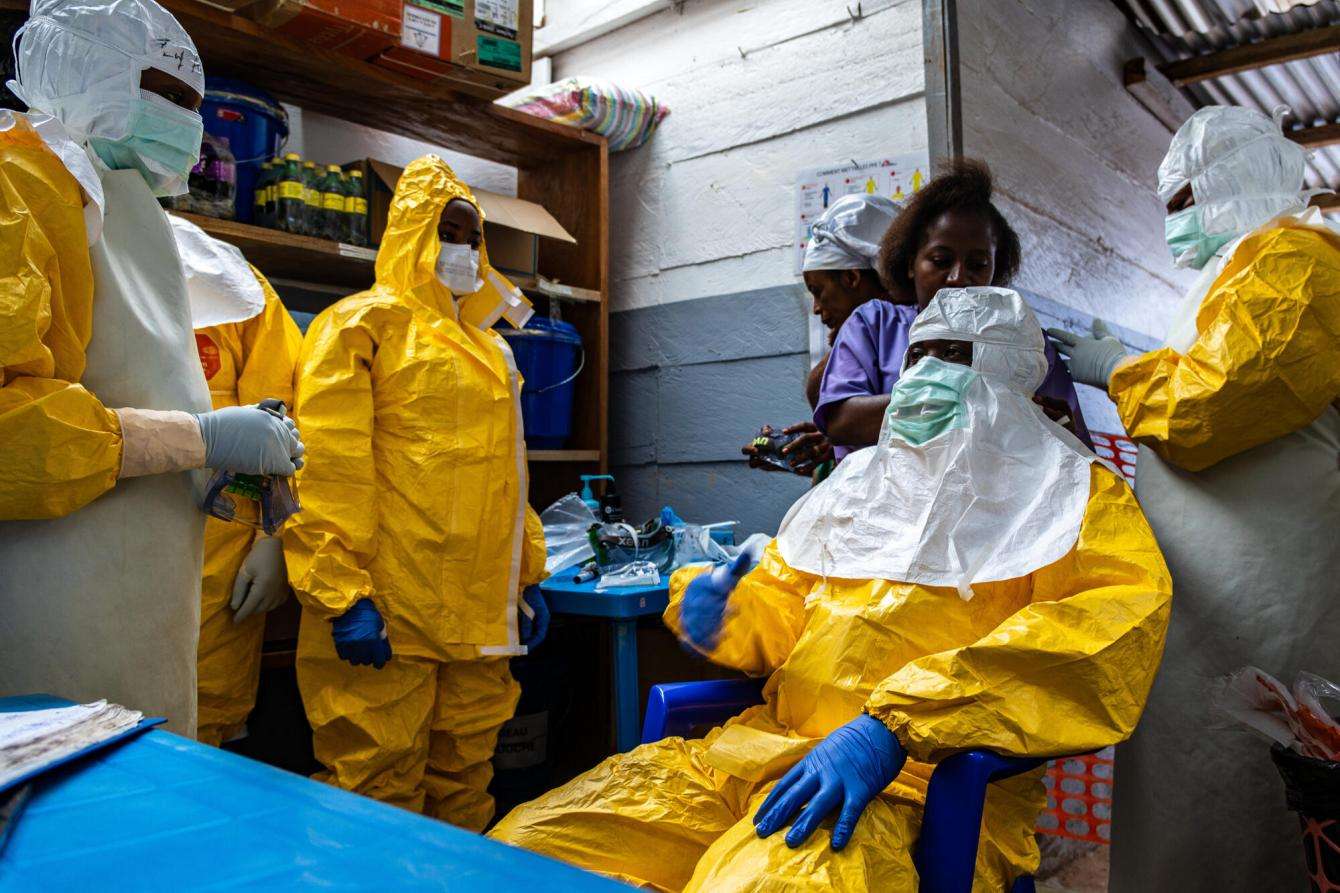
Protecting health workers is essential. Staff wear full personal protective equipment (PPE), which covers the skin and protects the eyes, nose, and mouth from infected fluids. PPE only works if used correctly, so staff work in pairs to check each other for mistakes. Because PPE is extremely hot and uncomfortable to wear, time spent inside high-risk areas is kept short — around one hour in DRC, and sometimes as little as 20 minutes in hotter climates. This helps reduce mistakes caused by heat, fatigue, or loss of concentration.
Water, sanitation, and hygiene
Water, sanitation, and hygiene (sometimes abbreviated to WASH) are an important part of wider IPC efforts, helping to prevent the spread of Ebola disease.
Cleaning and decontamination
Inside Ebola treatment centers, WASH teams keep surfaces and shared spaces clean and safe. This cleaning process follows strict steps using soap and water, as well as chlorine solutions. Dozens of hygienists may be working at the same time, constantly cleaning rooms, floors, beds, toilets, buckets, and other items. This work is vital because Ebola patients often vomit or have bloody diarrhea — fluids that carry large amounts of the virus.
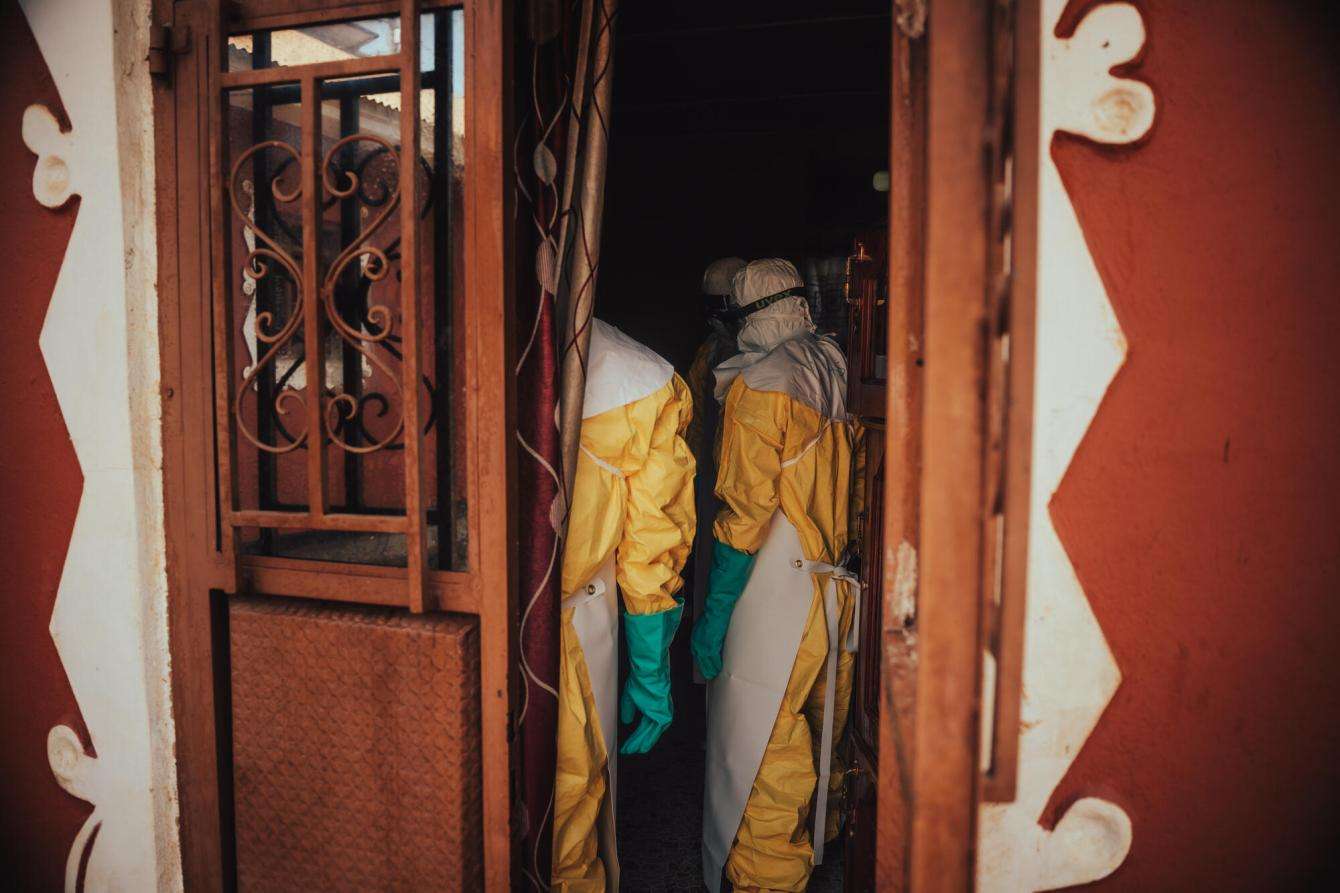
WASH teams also clean ambulances and the homes of infected patients. Specialist teams clean and disinfect ambulances after transporting a patient with suspected or confirmed Ebola disease, as well as the homes of people who are infected. These activities are key to protecting family members from contracting the disease, and to building trust with affected communities.
Water supply
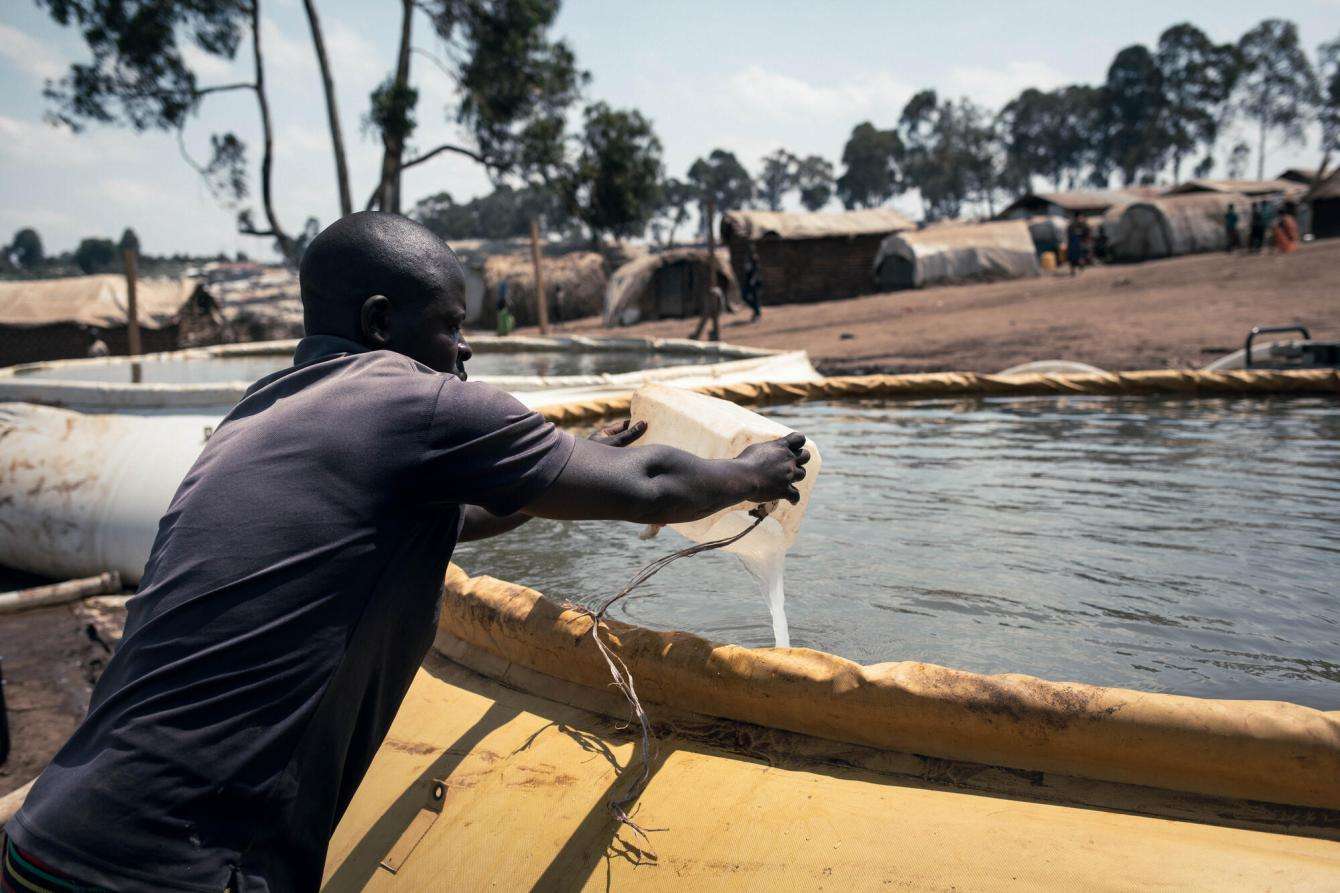
Ensuring a reliable water supply is central to WASH activities. Ebola treatment centers typically use around 80 gallons of water per patient each day, mostly for laundry, cleaning, and disinfection. Handwashing stations are placed at key points in the center, laundry is managed safely, and wastewater is managed in ways that prevent contamination. When patients recover and are ready to leave, they wash thoroughly, change into clean clothes, and have their shoes and belongings disinfected before discharge.
Safe burials
The WASH team also supports safe burials. A person who has died from Ebola disease remains highly infectious, so their bodies must be handled carefully, washed, and prepared by trained teams, then sealed in waterproof body bags and buried in a way that prevents contact with fluids and protects mourners and the wider community.
Community engagement
Ebola is a serious disease that has impacted families and entire communities in a place already facing conflict, displacement, food insecurity, and very limited access to health care. Fear, frustration, and uncertainty can sometimes lead communities to distrust humanitarian and health organizations. That’s why community engagement is critical to the response.
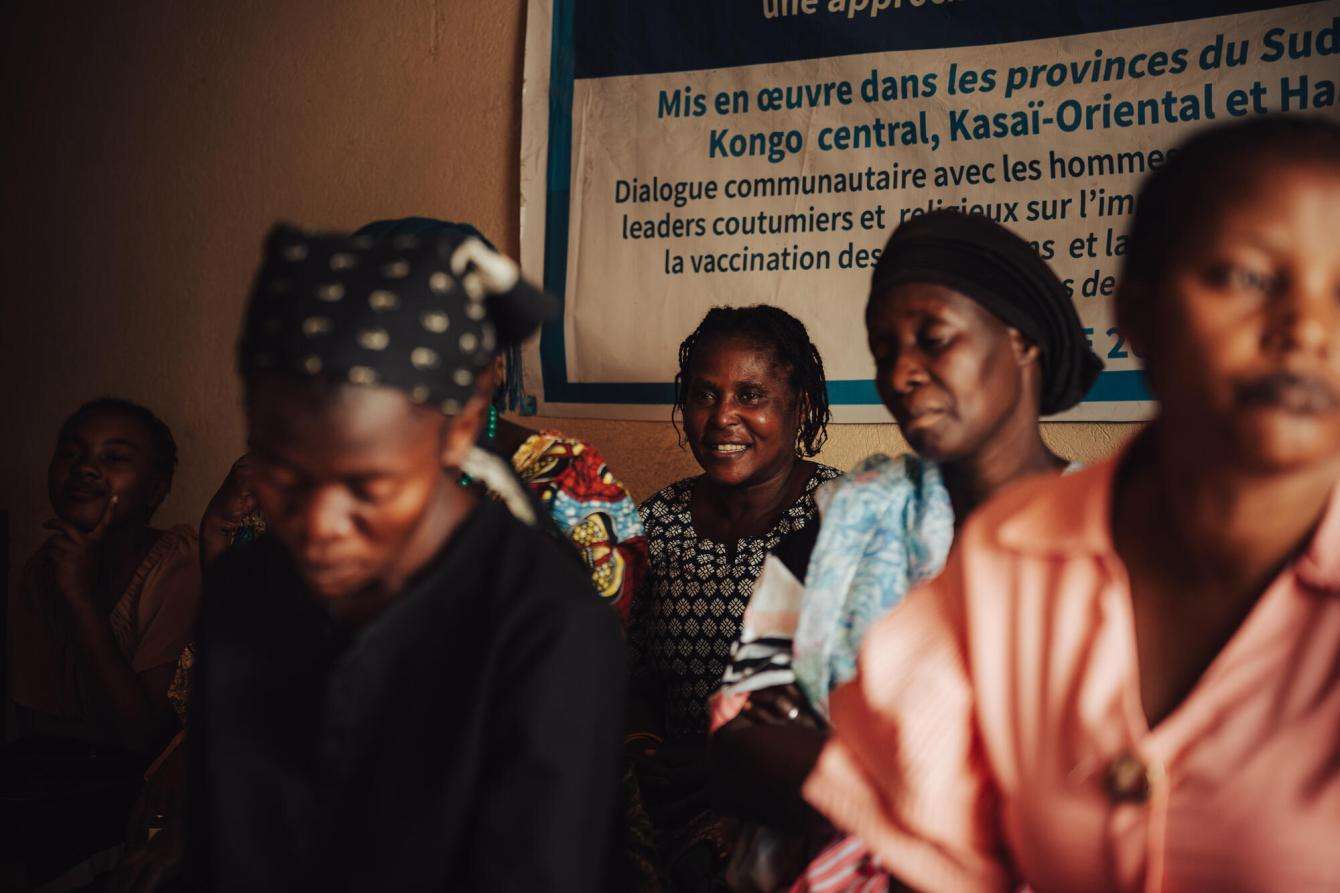
Community engagement is a participatory process that prioritizes listening to people’s concerns and feedback, two-way communication, and collaboration. Listening to community members, including patients, and responding to their feedback and concerns is essential to building trust and making the response more effective.
To support this, MSF teams work closely with local leaders, including women’s groups, traditional leaders, and youth groups. In Ituri and North Kivu provinces, MSF health promotion teams have also worked with motorcycle taxi drivers, who are the main source of transportation and can play an important role in sharing accurate information and helping keep themselves and their passengers safe.
To respond to this outbreak effectively, it is essential that people in affected areas understand the disease and are actively involved in the response. Working in partnership with local leaders helps to ensure that correct information about the disease is shared within affected communities. It also helps people adapt their behavior to keep themselves and their families safe and seek care when needed.
Early identification of cases
Community-based surveillance and contact tracing are also essential to quickly identify people who may have been infected. In community-based surveillance, community members help identify and report possible Ebola disease cases or other health risks within their communities. By alerting health authorities early, they help health teams detect new cases more quickly and respond faster.
Addressing other health needs
It’s understandable that some community members may question the sudden surge of resources and international attention directed toward Ebola disease when many of their basic needs have gone unmet for decades. Women are still giving birth, children still need vaccination, and diseases like malaria and cholera are still at risk of spreading. Ebola disease care must be integrated into the broader health response in DRC — both to help build community acceptance and to ensure that other urgent health needs continue to be addressed.
Patient care
Patient care is one of the most important parts of an Ebola disease response. It means looking after people who are sick in a safe, supportive, and respectful manner. This gives patients the best chance of recovery while helping to prevent the disease from spreading to others.
Although there is currently no specific cure or vaccine for Bundibugyo virus — the virus driving the current outbreak — early supportive care can still save lives. When people with Ebola disease are identified early and taken to a facility where they can be treated safely, they can receive care for symptoms such as pain, fever, weakness, vomiting, and diarrhea. They can be given water, food, rest, and treatment for other illnesses such as malaria. Even without a specific treatment, this type of care can help the body stay strong enough to fight the virus.
Bringing care closer to communities
Bringing Ebola disease care closer to affected communities is essential to improving trust and acceptance. MSF works with communities to integrate Ebola disease isolation centers into existing health care facilities, while also strengthening general health care services in the affected areas. This brings Ebola disease care closer to home, where families can visit, people can be tested, and supportive treatment can begin quickly, even before a patient is transferred to an Ebola treatment center. It also helps address other important health needs in the community beyond Ebola care.
Good patient care also helps to build trust. When people believe that treatment centers provide safe and dignified care, they are more likely to seek help early. This makes it easier to identify cases quickly, begin treatment sooner, reduce transmission, and lower fear in the community.
Patient care shows people that the response is there to support them.