
For young children, recovery involves more than treating physical illness — emotional well-being, healthy development, and supportive relationships are also essential to a child's health. In Kule refugee camp, Ethiopia, Doctors Without Borders/Médecins Sans Frontières (MSF) integrates play therapy into routine care for young children who are hospitalized.
Most pediatric patients in Kule are treated in the inpatient therapeutic feeding center, where children with different levels of malnutrition receive specialized nutritional care. Complementing this care with play-based psychosocial support helps ensure that children receive not only lifesaving treatment, but also the emotional and developmental support they need to recover and grow.
“Play provides a safe space for children to explore their feelings, develop coping skills, and build resilience,” explains Kemho Kangbo, MSF play therapy specialist. “It also helps strengthen their social and cognitive abilities, and it helps to create a stronger bond with their caregiver, which is fundamental to a child’s development.”
Regaining strength — and appetite
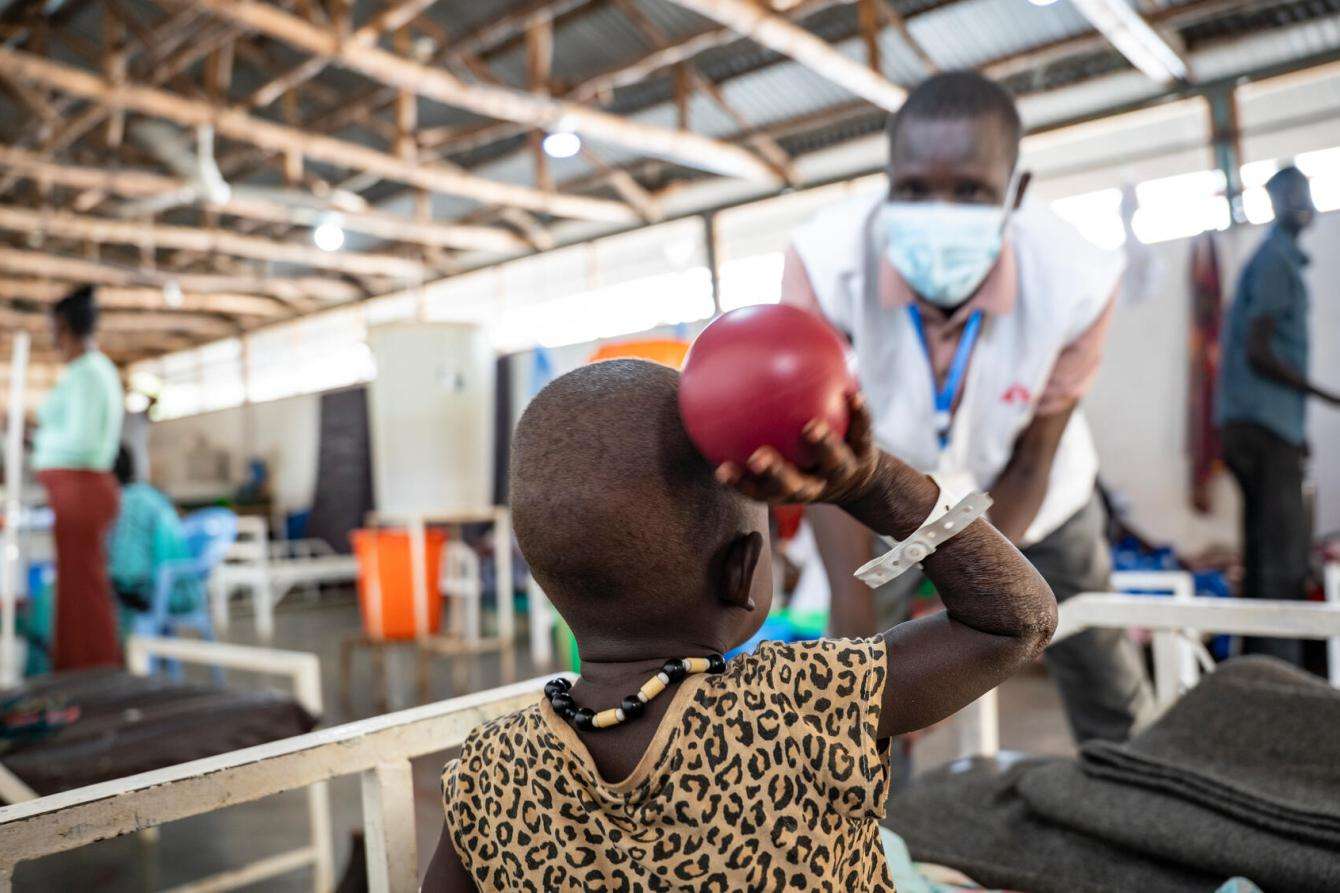
“One of the biggest challenges with children with severe malnutrition is that they lose their appetite, and become withdrawn or lethargic,” explains Liya Jemal, MSF mental health activity manager. “Play-based activities create a stimulating and supportive environment where children can gradually re-engage with caregivers, health workers, and other children.”
As children become more active and emotionally comfortable, they often show greater interest in feeding and daily activities, supporting their overall recovery. “We have seen how regular play helps children become more responsive and engaged during their stay in the ITFC [inpatient therapeutic feeding center], and their appetite increases significantly,” says Jemal. “Creating opportunities for children to play can make a meaningful difference for their well-being and recovery.”
Caregivers play a key role
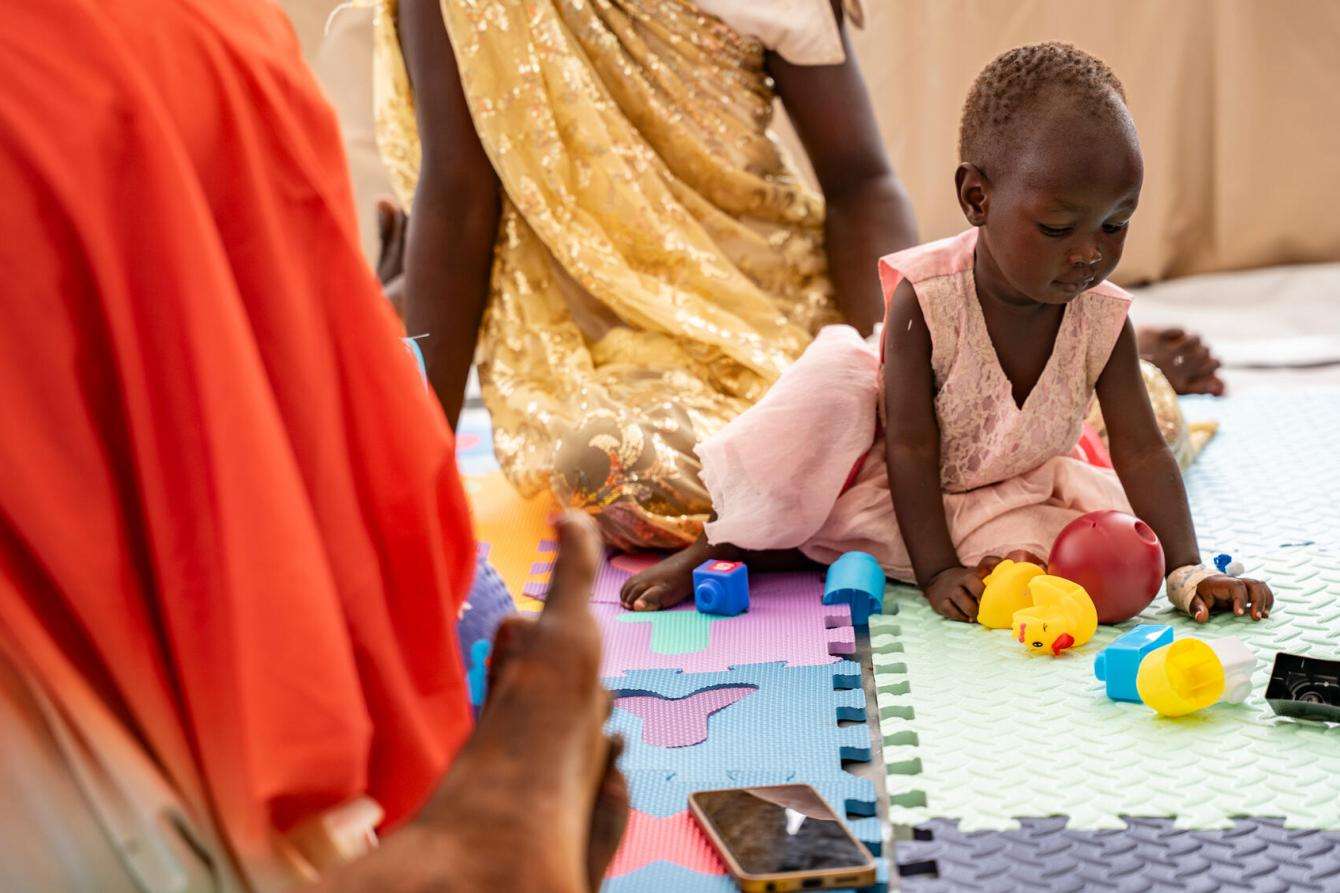
Play therapy actively involves caregivers as integral elements of a child's recovery, development, and emotional well-being. Through play therapy, caregivers are encouraged to participate in activities with their children, which creates opportunities for positive interaction, communication, and connection. These shared moments help strengthen emotional bonds, build trust, and support children's social, emotional, and cognitive development.
“I see how my granddaughter becomes more engaged every day,” explains Nyakong Adok, the grandmother of Nyagua, a 3-year-old patient in Kule. “At the beginning she would barely catch the ball. Now she wants to continue playing all the time.” Nyagua has been receiving treatment at the inpatient therapeutic feeding center for more than five days, and participating in play therapy activities with her grandmother.
By involving caregivers in care, play therapy helps children feel safer during illness and recovery, while also supporting caregivers in responding to their children’s needs with confidence. Play therapy contributes not only to children's recovery and development but also to stronger, more supportive relationships that promote long-term well-being.
In May, two MSF play therapy specialists conducted a two-week training program in Kule refugee camp for counselors, nurses, and other health care staff working with young children. While the inpatient therapeutic feeding center was already using play therapy, the training strengthened staff capacity to integrate psychosocial support into everyday health care. Kule is the first MSF project to receive this specialized training, which MSF aims to replicate in other contexts.