
After more than a decade of conflict and economic decline, children across Yemen continue to face alarming levels of malnutrition. At the same time, sweeping humanitarian funding cuts — including cuts to US-funded assistance and reductions from other donors — have forced organizations providing health and malnutrition services to scale back or halt activities, particularly in northern Yemen.
As families are pushed to travel longer distances to seek care, Doctors Without Borders/Médecins Sans Frontières (MSF) teams are seeing more malnourished children arriving at our health facilities with serious medical complications such as measles. MSF calls on donors and humanitarian actors to sustain support for essential malnutrition and child health services and to ensure treatment remains accessible close to communities.
Cuts to US-funded food assistance have worsened the crisis
Yemen's humanitarian response has faced chronic underfunding in recent years, further worsened by major reductions in international aid since 2025.
Under the second Trump administration, the US has excluded Yemen from humanitarian funding and food aid. Humanitarian organizations have scaled back services at many primary health care centers since early 2025, especially in northern Yemen, resulting in an increase in demand at MSF-supported facilities.
In parts of Hajjah and Al Hudaydah governorates, where MSF teams work, some providers have halted activities or reduced services, leaving health facilities understaffed or without adequate supplies and thus limiting access to timely treatment for malnourished children.
Yemen: Children's urgent needs
MSF continues to treat malnourished children and their mothers, but emergency medical organizations cannot replace a functioning health and nutrition system.
Common illnesses are increasingly becoming life-threatening
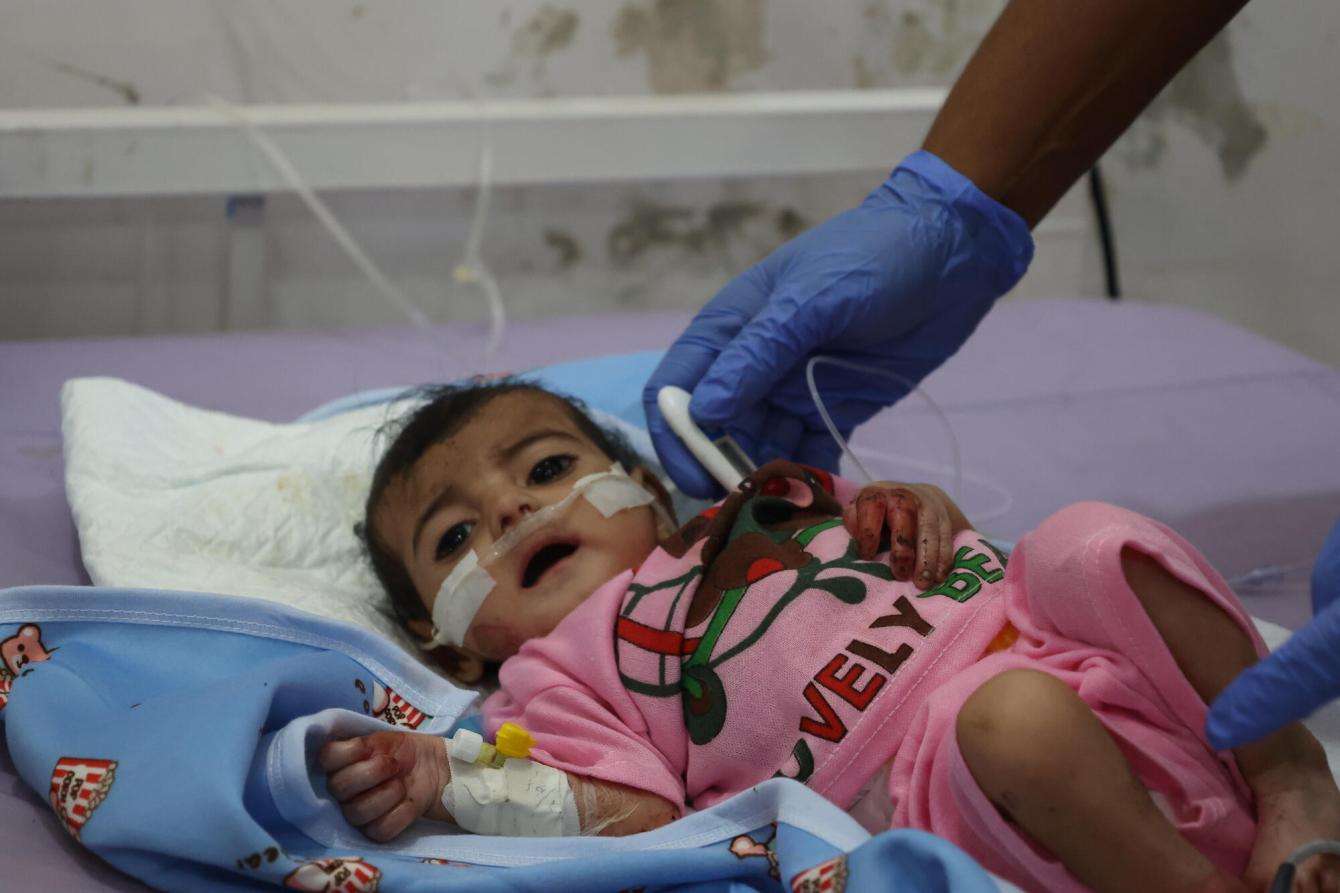
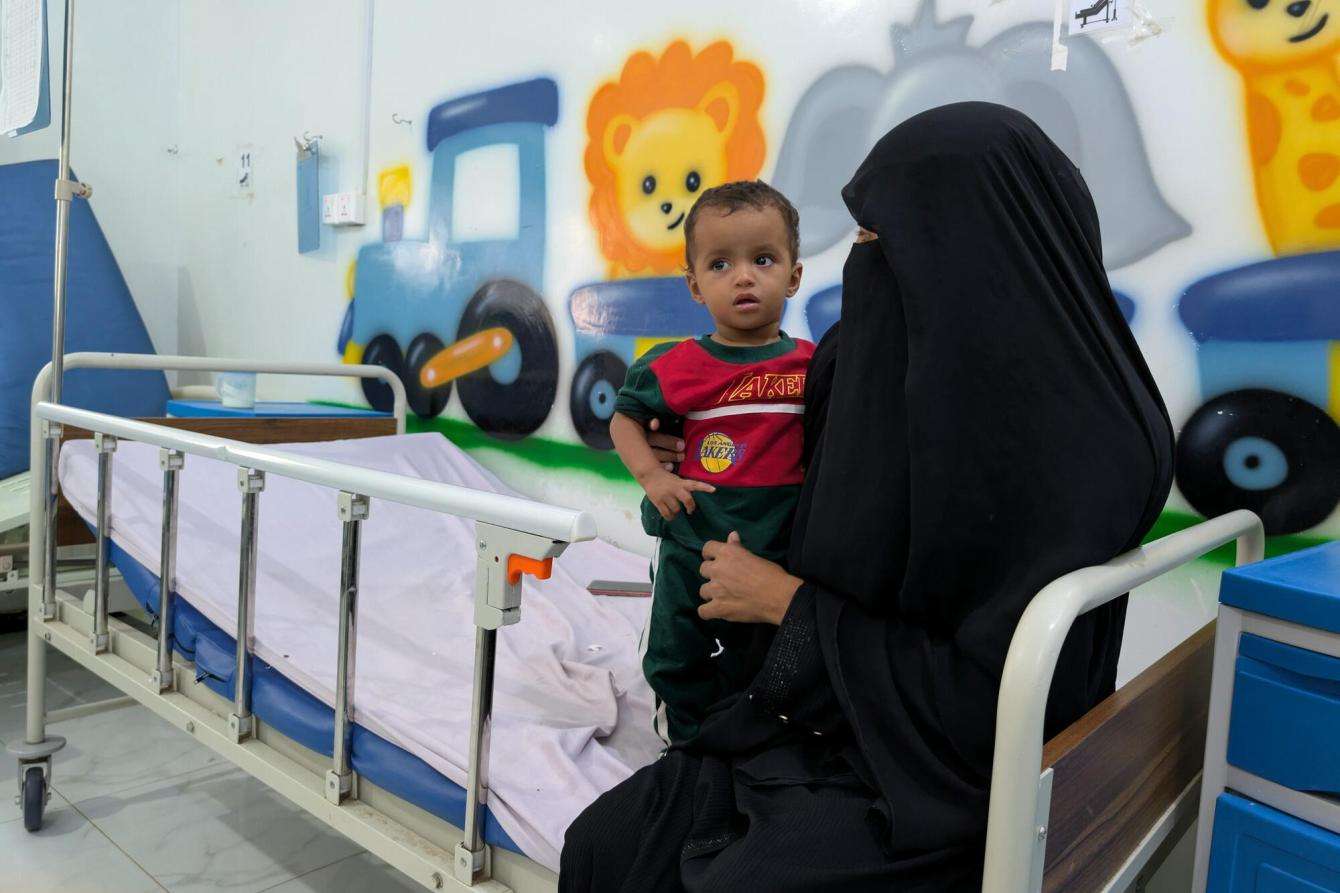
“Since birth, Yara has suffered from recurrent infections and fever,” says the 1-year-old’s mother, who lives in Aslam District, Hajjah governorate. “We initially treated her with traditional remedies, including cauterization.”
When Yara’s condition worsened, her mother brought her to Abs General Hospital, where MSF supports medical services. It was not their first visit. “I brought her to the hospital once during Ramadan, once in March, and twice in April,” says Yara’s mother. “This is her sixth visit to the hospital.”
For Yara, recurrent lung infections are accompanied by fever, vomiting, and difficulty breathing and eating or breastfeeding.
“Every time I bring Yara to Abs Hospital, she receives the care she requires and recovers,” says Yara’s mother. “We always return home with her condition greatly improved.”
But reaching appropriate care is becoming increasingly difficult for many Yemeni families.
Fewer services, longer journeys, and worse outcomes
Even before funding cuts, families in rural areas already faced significant barriers to reaching health care. Long distances, poor roads, and transportation costs make it difficult to reach health facilities. But as health and malnutrition programs close or reduce activities due to funding shortages, health care has become even less accessible and the challenges of reaching it have grown even greater.
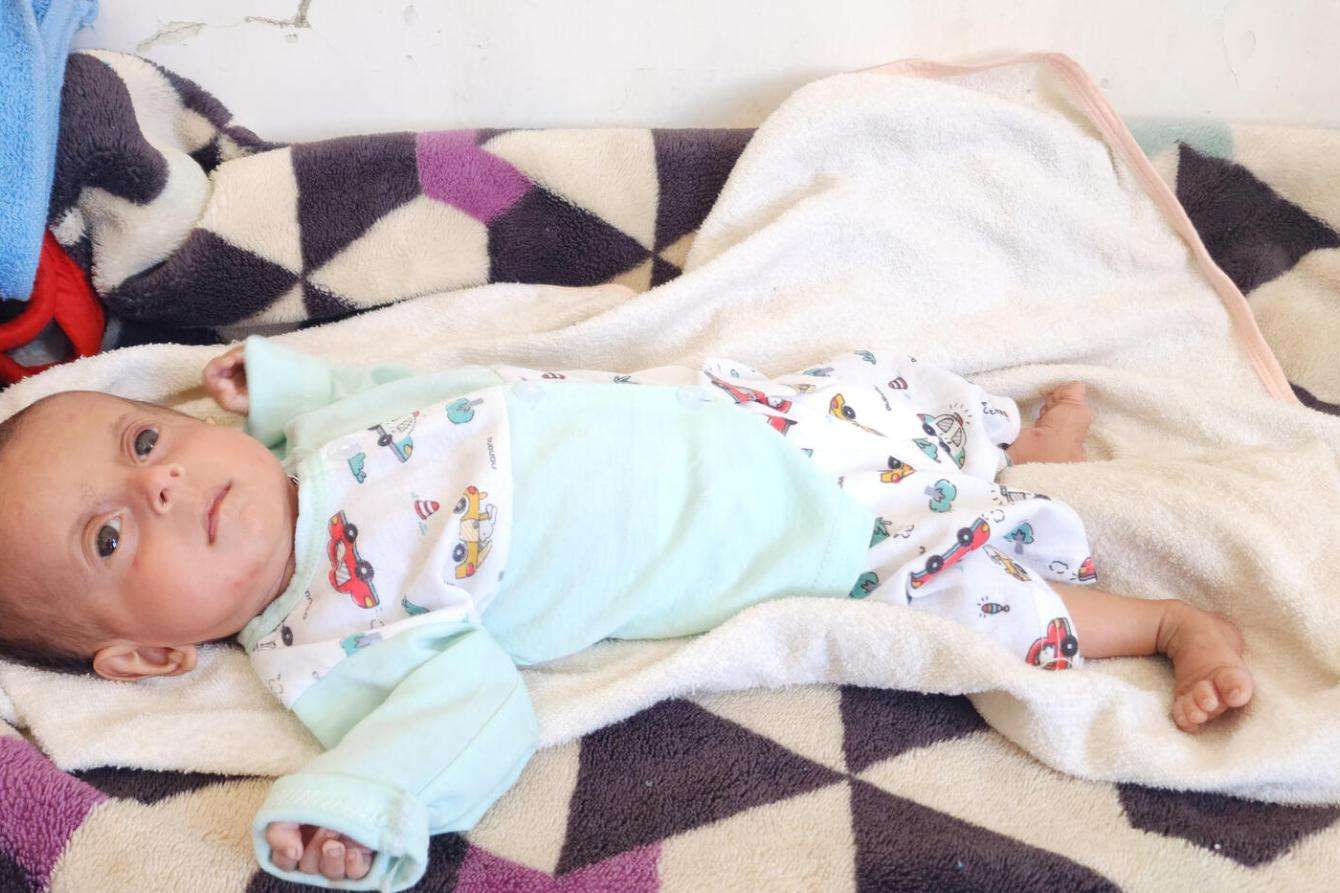
At the MSF-supported Al-Salam Hospital in Khamer, one mother said she traveled for eight hours with her 3-month-old baby after being unable to access the treatment the child needed in Al Jawf, which is closer to their home.
“My baby had diarrhea and vomited for four days and was about to pass away,” she says. “A doctor in Al Jawf advised me to come to Al-Salam Hospital because they provide free medical services. My husband works far away from home, and there was no one to take us here. We traveled from Al Jawf to Sana’a and then to Khamer, and it took us eight hours to reach the hospital.”
By the time some children reach medical care, they have developed serious medical complications. Delays in accessing treatment can turn manageable conditions into medical emergencies. MSF is witnessing this more frequently in the facilities we support.
“I feared I would lose my daughter,” she says. “Watching her condition worsen while help was so far away was heartbreaking. Every hour felt like a race against time.”
More children are arriving in critical condition
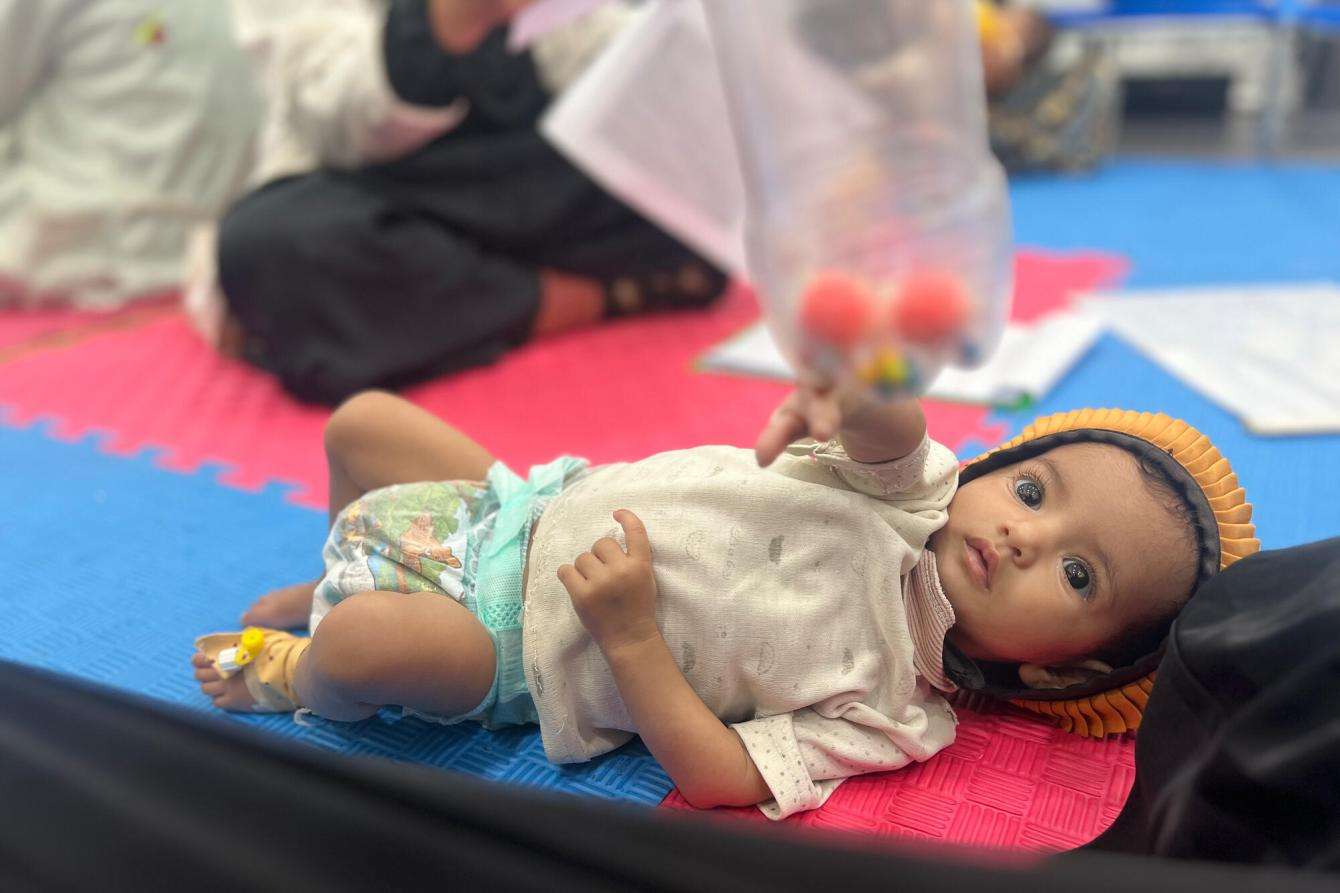
Between January and June 2026, MSF teams at Al-Salam Hospital admitted 1,296 children with severe acute malnutrition and medical complications, compared with 798 admitted during the same period in 2025 — an increase of 62 percent.
During this same period, the hospital’s outpatient therapeutic feeding centers treated 1,775 children with malnutrition, including 1,251 with severe acute malnutrition and 524 with moderate acute malnutrition.
Malnutrition admissions usually rise in April before Yemen’s agricultural lean season. But the sharper increase observed this year suggests that seasonal pressures are being compounded by deteriorating living conditions and reduced access to health care.
MSF teams are seeing similar warning signs elsewhere.
At Abs General Hospital in Hajjah governorate, MSF teams treated 1,245 malnourished children between January and June 2026. Many arrived with medical complications.
Admissions related to maternal malnutrition increased from 689 cases in 2025 to more than 1,260 cases in the first six months of 2026. This sharp increase highlights a growing burden of maternal malnutrition, placing both mothers and newborns at greater risk of adverse outcomes, including preterm birth.
At MSF-supported facilities in Mocha, Taiz governorate (Mocha Hospital and Al-Mafraq primary health care center), and in Hudaydah governorate (Al-Khawkhah primary health care center), 4,909 children were diagnosed with acute malnutrition between January and June 2026, including 1,637 with severe acute malnutrition and 3,236 with moderate acute malnutrition.
In Al Hudaydah governorate on the western coast of Yemen, MSF teams witnessed a sharp rise in admissions for complicated severe acute malnutrition. In just six months, MSF teams have already treated more than 50 percent of the total severe acute malnutrition cases we saw in all of 2025.
The emergency response in Al Bayda has highlighted the scale of the crisis across Yemen and may reflect conditions in areas where MSF is not present. In light of this, health authorities have renewed their call for MSF to expand and intervene in other regions to help address the growing needs.
MSF cannot fill the gaps alone
MSF continues to provide treatment for malnutrition and other medical complications, but emergency medical organizations cannot replace a broader health and nutrition system.
“Our teams are treating children today, but we are only seeing the tip of the iceberg,” says Ainur Absemetova, MSF head of mission in Yemen. “Yemen’s malnutrition crisis requires sustained funding, flexible donor support, and stronger partnerships to meet the scale of the need.”
For thousands of families across Yemen, that hope increasingly depends on whether care remains available when and where their children need it.
Without adequate community and primary health care services, more families may be forced to undertake long journeys for care, and more children may reach hospitals only after their conditions have become severe.
Our work in Yemen
MSF provides and supports care for children with acute malnutrition and associated medical complications in several locations in Yemen, including Abs General Hospital in Hajjah governorate; Al-Salam Hospital in Khamer, Amran governorate; and MSF-supported facilities in Mocha, Taiz governorate. MSF activities include inpatient treatment for children with severe acute malnutrition and medical complications, as well as outpatient therapeutic feeding services in locations where these are available.
The figures cited in this article reflect patients treated or identified at specific MSF-supported facilities and should not be interpreted as representative of the overall prevalence of malnutrition in Yemen.