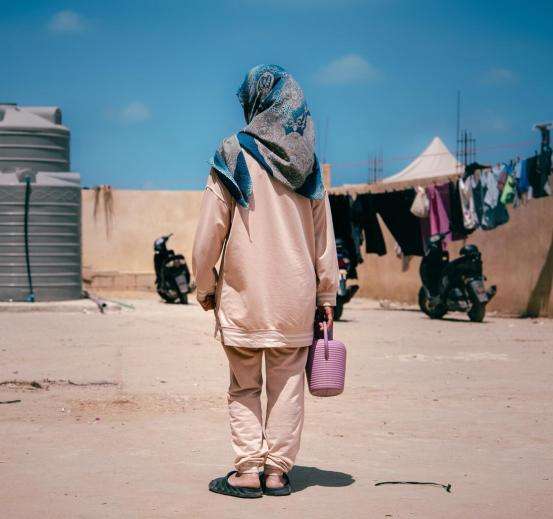
For communities in southern Lebanon, the announcement of yet another so-called ceasefire in April has done little to quell their fear: Daily Israeli attacks continue to endanger people and weigh heavily on their mental health. Those who remain in areas affected by Israeli bombardment often have little space to process what they are experiencing emotionally, while the threat itself continues.
Doctors Without Borders/Médecins Sans Frontières (MSF) provides a free and confidential mental health helpline providing remote psychological support to people experiencing distress caused by the war in Lebanon. The helpline complements MSF’s broader emergency response in the country, which includes mobile medical and mental health teams, as well as face-to-face provision of care.
Finding space for self-care
With the March 2 escalation, Israeli bombardment raged across Lebanon. The ensuing displacement, insecurity, damaged infrastructure, financial hardship, and unsafe roads all made accessing health care a daily challenge. People often prioritized the immediate needs of their families over their own mental health.
“For people who have been displaced or remain in areas affected by attacks, there is often no real opportunity to feel safe, settle down, and process what they have experienced,” said Yara Kassar, MSF mental health supervisor in southern Lebanon. “This has a profound impact on their mental health.”
“I wasn’t sure if I was affected by the war until people around me started to notice my anger and irritability and suggested that I should get help,” said Lara*, a mother from Saida. “How do I keep working on myself while taking care of my children?”
Ali*, who comes from Arzay in the Tyre/Sour district, stayed in his village because his family had nowhere else to go. During a psychological support session with MSF, he said he was tired of hearing the bombing and that the sound of a low-flying Israeli aircraft interrupted his train of thought.
“There are warcrafts — I have to hang up,” he said before ending the call. “I’m packing my bag."
Amin*, who was displaced from Beirut, described his resignation to an MSF psychologist over the phone during a remote psychological support session: “I keep telling myself everything will be okay, but I don’t believe my own words anymore. Every night I wait for the next sound that will make us run again. I wish I could shut down my negative thinking.”
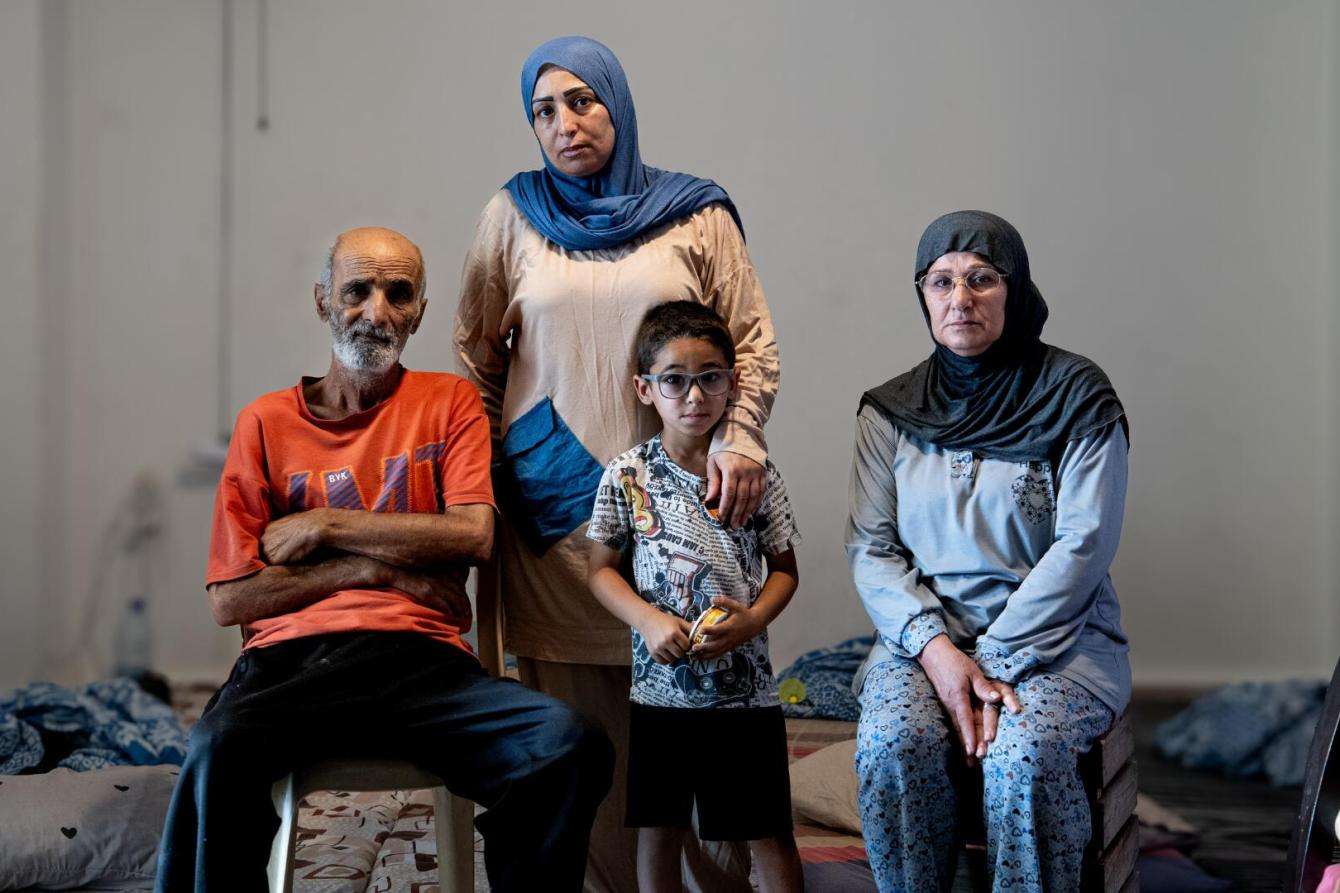
Mental health is part of the wider humanitarian crisis in Lebanon
For those living through continued Israeli attacks and demolitions, mental health is not separate from the wider humanitarian crisis. It is a fundamental part of it. Mental health support in times of war is not optional. It is lifesaving emergency health care.
“Through the helpline, we are able to provide compassionate listening and support, whether for mental health concerns, social needs, or referral to specialized services,” said Kassar. “But a phone call cannot restore a destroyed home, end displacement, or make an unsafe area secure. What it can do is provide a point of contact for people trying to cope with what they are experiencing.”
Between March 2 and August 31, the helpline received 580 calls and provided psychological support to 421 people, alongside social support and referrals for specialized care.
As needs evolve on the ground, MSF continues to adapt its response, remaining physically present through mobile clinics and hospital interventions while also reaching people remotely through the mental health helpline. Because when the effects of war extend beyond what can be seen, care must reach people wherever they are.
*Name changed to protect identity
Mira Badr, MSF mental health helpline operator
Why I do this work
Throughout my life, I have been passionate about volunteering through helplines and outreach work. But I never fully understood the "why" — the purpose behind this commitment — until recently.
I began working to help MSF establish the mental health helpline amid the fear so many of us felt leaving our homes, never certain whether we would return, as Israeli bombardment continued.
One day, after a long stretch of calls, I was drained of energy. Then I received the call that gave meaning to everything I had done until that moment: Every choice, every sleepless night, every day I pushed myself to attend university after a shift on the helpline.