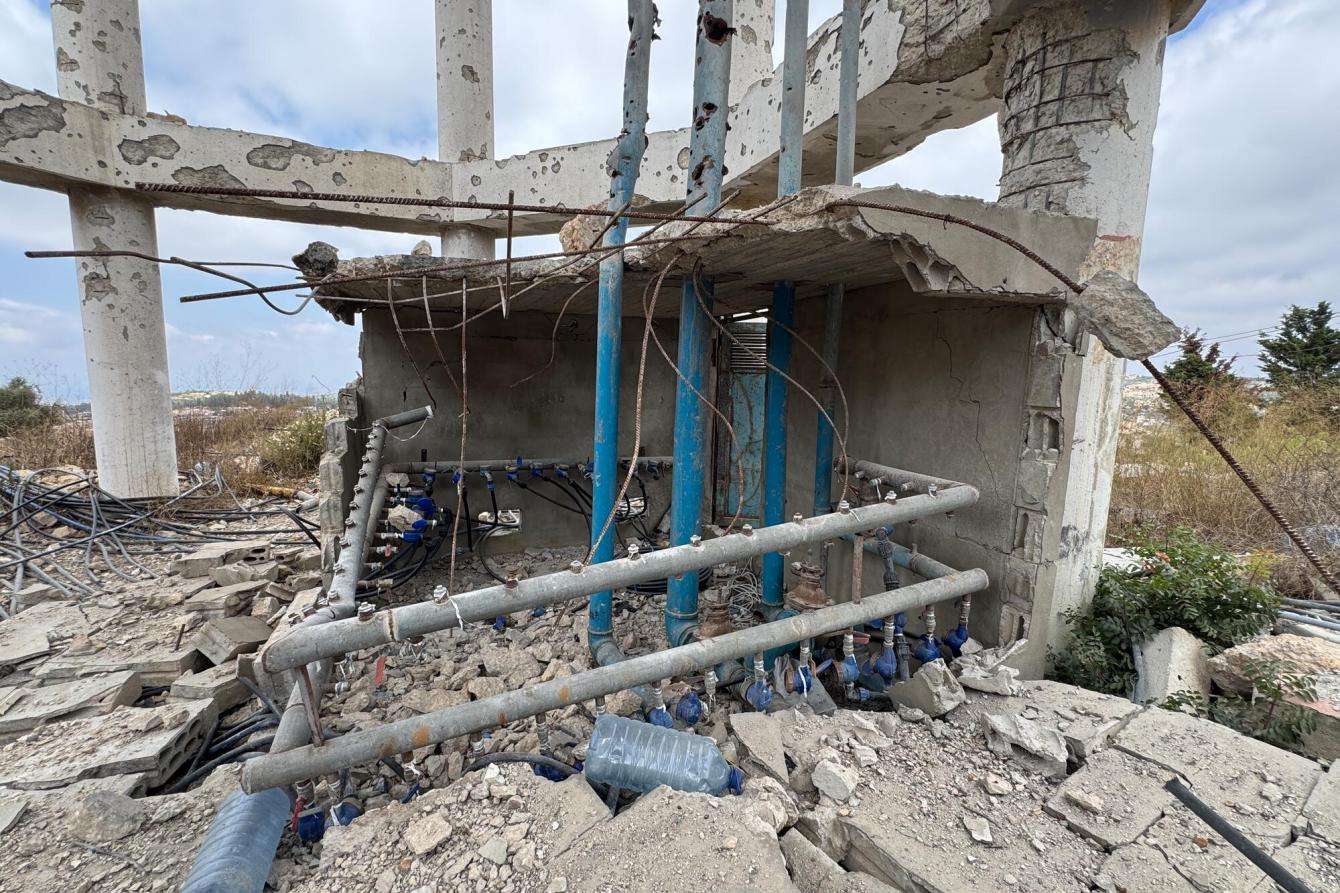
Israeli forces have damaged or destroyed water networks, pumping stations, filtration systems, and other critical infrastructure, preventing people returning to their hometowns from rebuilding their lives after displacement.
After assessing the damage across 20 villages, Doctors Without Borders/Médecins Sans Frontières (MSF) teams have been working to restore access to this most basic need. We are repairing water filtration systems and borehole networks, providing water tanks, rehabilitating distribution networks, and carrying out other critical activities to support communities devastated by the conflict. Many of these communities were already facing challenges after the previous escalation in 2024.
Despite the ceasefire, attacks continue
Although a ceasefire has been in place since mid-April, attacks have continued in southern Lebanon. With the Israeli military occupying some areas, several villages along the southern border have become inaccessible and deserted. In adjacent villages, some families have managed to return despite the devastation and the immense challenges they face, like accessing water.
"When we travel through the villages of southern Lebanon, one issue comes up everywhere we go: Before people ask about health care, education, or housing, they ask about water," says Charlene Silvin, MSF project coordinator in Lebanon.
MSF teams have visited many of these communities and have witnessed the destruction firsthand. Direct and indirect attacks by Israeli forces have damaged not only infrastructure, but historic buildings, places of worship, health care facilities, and homes. Water and electricity systems have been particularly affected. In every location MSF visited, solar panels powering water infrastructure had been struck or damaged, disrupting the systems that communities rely on every day.
This alarming pattern reveals recurring attempts to damage and destroy the infrastructure that communities depend on to access water — a basic need.
The damage affects the entire water ecosystem, including wells, pumps, filtration units, storage tanks, generators, pipelines, and solar-powered systems. When one component is destroyed, the entire system stops functioning, leaving people without reliable access to an indispensable resource that is essential to recovery and survival.
Far-reaching consequences of infrastructural damage
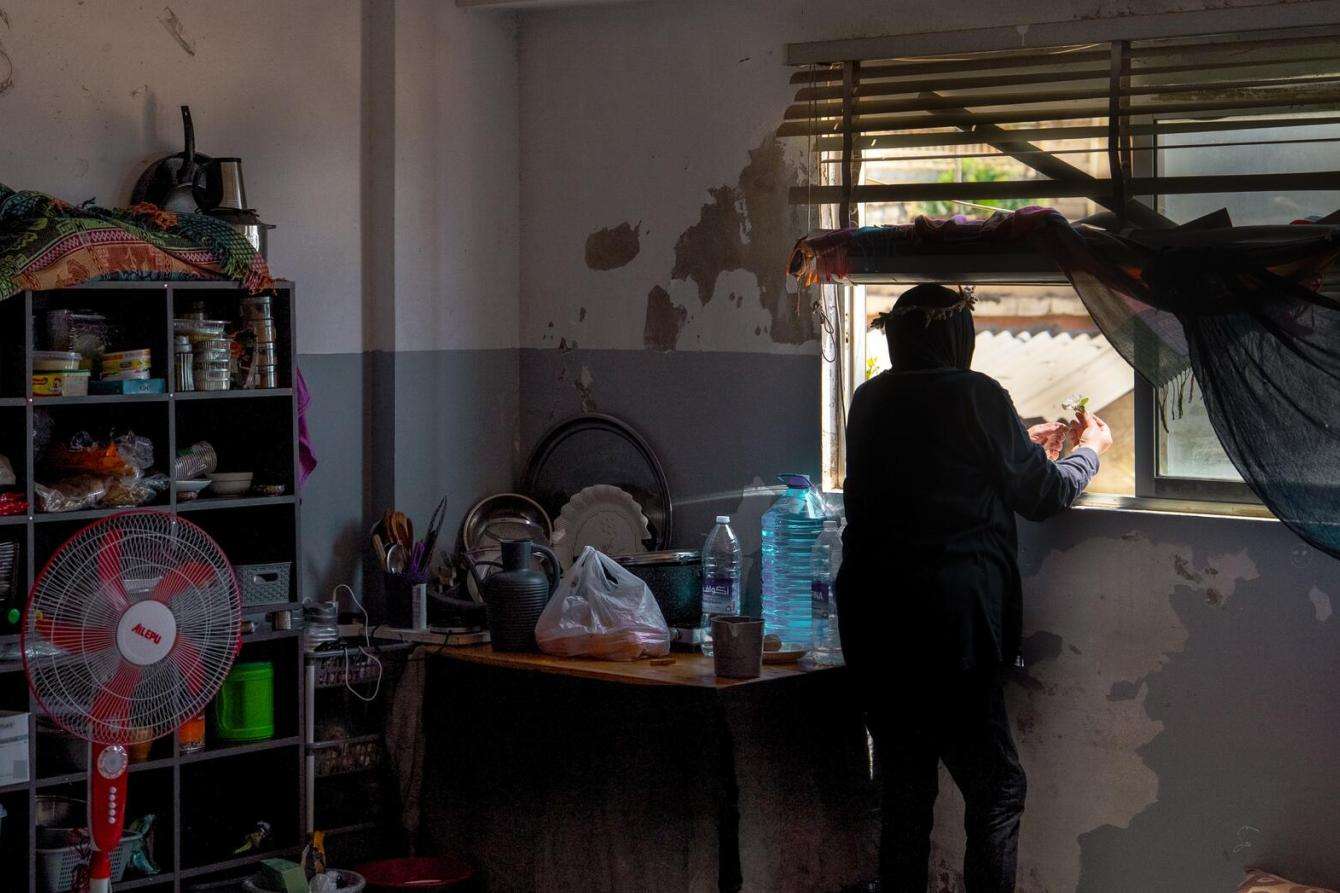
Lack of water infrastructure impacts people's daily lives, as well as their health, dignity, and ability to remain in or return to their communities. Water is not only needed for drinking; it is essential for cooking, washing, sanitation, and every aspect of daily life. Water is also critical for agriculture, which is the primary livelihood for many families in southern Lebanon. When water systems fail, both households and local economies suffer.
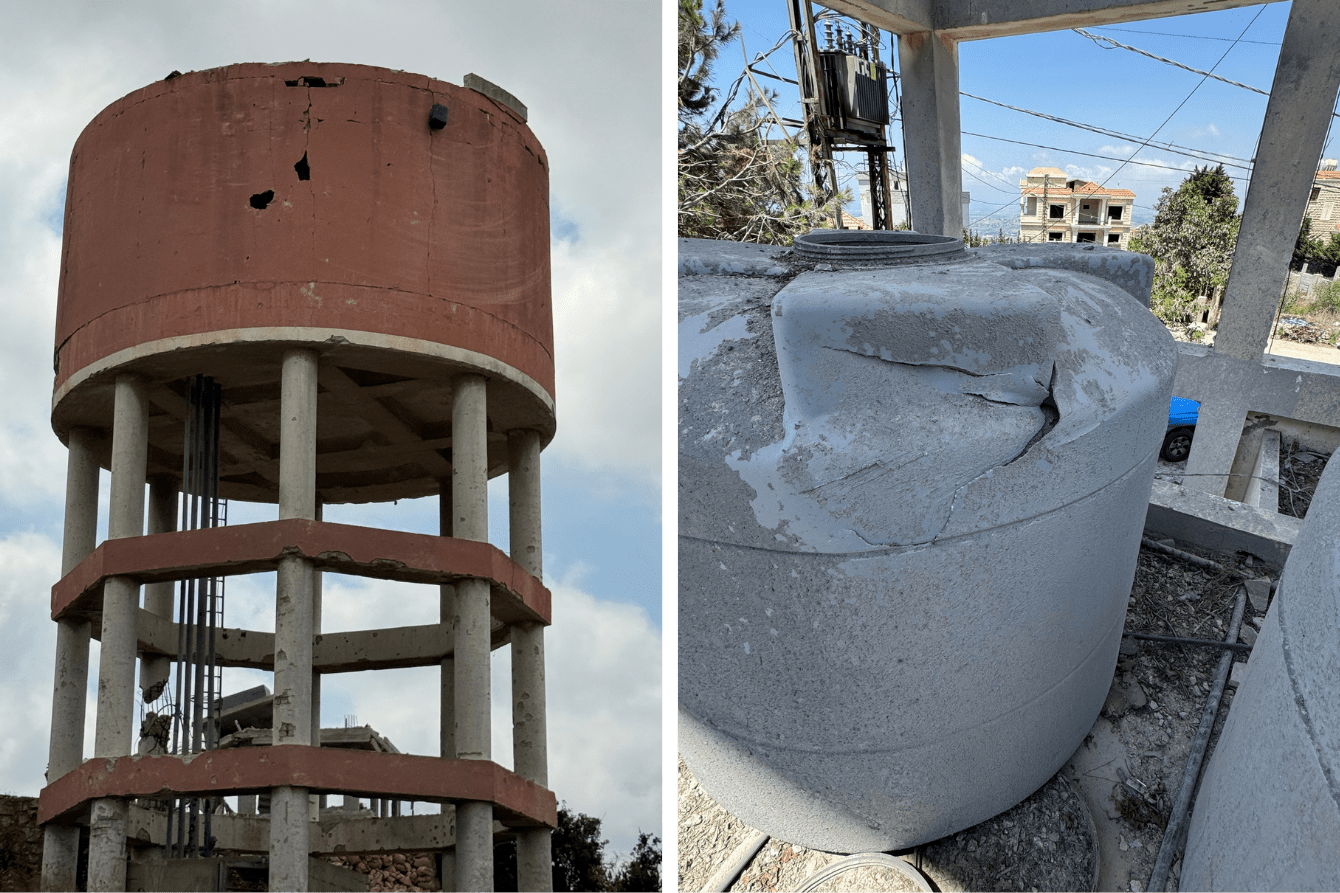
In Yater, for example, the community water tank was directly hit and damaged beyond repair. To ensure people could still access water, MSF teams provided temporary plastic storage tanks while a longer-term solution develops. In Froun, where the water tank was also rendered inoperable due to damage, our teams repaired the water filtration unit and connected it directly to the water source, bypassing the damaged infrastructure.
"As I speak with returning residents, I cannot ignore a difficult question they raise,” says Silvin. “‘Why is this happening? It must be intentional.'”
MSF is responding, but the needs far exceed capacity
MSF is supporting local authorities in restoring essential water services, but needs remain substantial. Humanitarian organizations cannot be expected to repeatedly repair essential systems that may be attacked and destroyed all over again.
One thing is certain: Restoring water systems is a basic necessity. But in areas close to the so-called security zone, the presence of organizations supporting people is very limited.
People across southern Lebanon continue to deliver a clear message: Without water, there can be no return to normal life. Water is dignity; it is people’s livelihoods and their recovery. Above all, water is a basic right that Israel must respect. These repeated attacks must stop. People must be allowed to return to their homes and rebuild their lives, livelihoods, and dignity.
How MSF is supporting water infrastructure
- Repaired two reverse osmosis water treatment units and a shell-damaged water tank in Baraachit.
- Supplied four water tanks and a generator to the Chaqra municipality.
- Procured a solar PV system for a water filtration facility in Tebnine.
- Restored the borehole water system and rehabilitated drinking water filtration and the distribution network in Ayta Jabal.
- Repaired two water filtration systems in Sfira that had been damaged by nearby explosions.
- Repaired a generator in Bayad, Sour/Tyre, as well as the solar power system for water supply in a Palestinian refugee camp directly hit by an airstrike.
Get the latest news from Lebanon and around the world
News Oct 28, 2026
Civilians and medical facilities must be spared amid surging violence ...
Read more