Developing story
MSF responds to conflict in the Middle East
Civilians, hospitals, and other essential infrastructure must be protected at all times.

Developing story
Civilians, hospitals, and other essential infrastructure must be protected at all times.
October 14, 2026 — In September 2026, Ansar Allah forces launched a rapid military operation on the western coast of Yemen, seizing strategic areas like the city of Mokha and the Bab al-Mandab Strait. This escalation has led to a significant influx of displaced people fleeing the captured areas across the West Coast. It also further increases the needs of people who are already grappling with years of conflict, humanitarian crisis, and extremely high levels of acute malnutrition, cholera, acute watery diarrhea, measles, and other communicable diseases.
Since February, the dramatic escalation in conflict in the Middle East has upended the lives of people across the region, with dire health and humanitarian consequences.
While recent ceasefire announcements in Iran and Lebanon have brought some fragile relief, the situation remains uncertain, with urgent medical and humanitarian needs.
Doctors Without Borders/Médecins Sans Frontières (MSF) is responding to the direct and indirect consequences of the conflict throughout the region. Our teams have launched emergency responses in Iran and Lebanon, where we provide critical medical care in hospitals and humanitarian aid for people displaced by the violence. We are also working in countries across the region facing the ripple effects, including Palestine, Iraq, Syria, and Yemen.
The escalation has created an increasingly volatile and difficult environment for MSF to carry out medical operations across the region. Airspace closures and heightened security risks are restricting staff movement, delaying medical evacuations, and disrupting activities. At the same time, instability around the Strait of Hormuz has placed additional strain on logistics and supply routes.
These developments have affected supply chains, increasing the risk of shortages of critical medical supplies, driving up fuel prices, and complicating both air and sea transport. We already see the impact on activities across the wider region: medication delays in Syria, continued shortages in Gaza due to the blockade of MSF supplies by Israeli authorities, and the rising cost of engine oil linked to global price increases. Essential items, like mosquito nets and medical gloves, are already becoming more expensive.

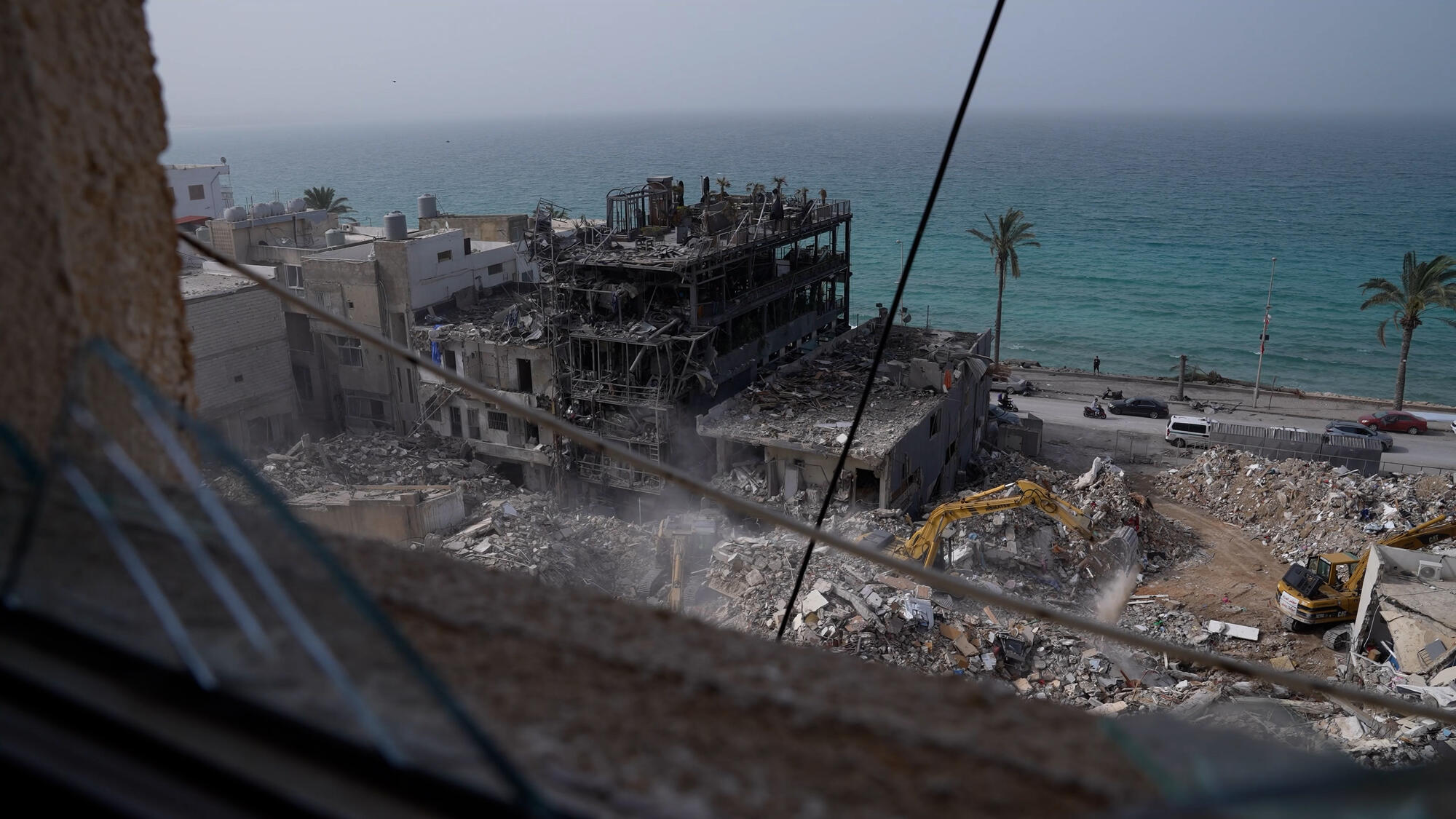
Despite what is described as a ceasefire, MSF teams are witnessing a continued military escalation in Lebanon, resulting in civilian casualties, mass forced displacement, and restricted access to health care. Between March 2 and June 22, more than 4,100 people were reportedly killed and over 12,000 people injured by Israeli attacks, according to the Lebanese Ministry of Public Health.
The Israeli army continues to strike densely populated areas in southern Lebanon, the Bekaa Valley, and the southern suburbs of Beirut. Attacks on bridges and other critical civilian infrastructure have impeded movement and access to health care for residents, displaced people, and humanitarian organizations.
The Israeli army issues sudden, repeated, and indefinite forced displacement orders, which to date have forced more than 1 million people from their homes. MSF teams are adapting activities to respond to the emerging needs of those who’ve been displaced, while ensuring continuity of care across our existing projects in the country.
MSF has launched a nationwide emergency response in Lebanon. In the first days of the escalation, MSF teams distributed essential relief items like blankets, mattresses, hygiene kits, and drinking water to affected people and to shelters.
Since the announcement of the so-called ceasefire in April, we have scaled up our presence across the hard-hit south — where humanitarian needs remain immense and many people are still unable to return home — reaching areas that teams were previously unable to access. MSF activities include:
The escalation in Lebanon came after 15 months of a so-called ceasefire between Israel and the armed group Hezbollah that never translated into real safety for civilians, as Israeli attacks and incursions continued throughout this period. About 64,000 people were already displaced by the previous escalation of conflict, adding to the more than 1 million displaced since March 2. Many families have had to flee multiple times.
Displaced people need safe shelter, water, essential relief items, and access to health care, including emergency care and psychosocial support. Shelters have been overwhelmed and are ill-equipped to host displaced communities, while people living in public squares or abandoned buildings have been left without the support they need.
MSF teams have been supporting displaced people across Lebanon through donations of essential items like blankets, water, and hygiene kits, as well as the provision of health care through mobile clinics.
While the escalation has affected people throughout Lebanon, some groups are particularly vulnerable.
Migrant communities in Lebanon already faced significant economic, legal, and social barriers to accessing basic services and humanitarian assistance. Many are now sheltering in overcrowded accommodations arranged by community leaders or sleeping on the streets. Some report being explicitly turned away, discriminated against, or deprioritized from formal collective shelters in favor of Lebanese nationals.
The elderly and people with disabilities and chronic illnesses also face difficulties accessing the care they need. For many, displacement has disrupted access to regular treatment, medication, and specialized care.
Throughout 2024 and into 2025, MSF worked across seven locations nationwide, with nearly 400 staff delivering free medical care including treatment for chronic conditions, reproductive and pediatric health care, and mental health services.
Our work included support for primary health care centers, mobile medical units to reach underserved and affected areas, and distributions of essential relief items to displaced and returning families. We have operated standalone clinics in Bourj Hammoud, Arsal, and Hermel; supported primary health care in Tripoli and Arsal; and ran mobile medical units in South, Nabatiyeh, and Akkar governorates. Construction for a pediatric ward and pediatric intensive care unit at Baalbek Governmental Hospital continues, as well as for a psychiatric ward at Nabatiyeh Governmental Hospital.
MSF calls for the immediate protection of civilians, health care workers, and medical facilities in Lebanon, as well as respect for international humanitarian law. We continue to call for an urgent scale-up of humanitarian aid and unhindered access to people in need across the country.
By the numbers

While the situation in Iran has slowly improved under the ceasefire, the wider impact of the war remains severe. With significant damage to civilian infrastructure — some of which has been destroyed outright — many people still struggle to access basic services, including health care. Around 3.2 million people are internally displaced, according to the Iranian government, with many living in temporary accommodations such as schools, guesthouses, and sports halls.
In response to growing needs, MSF has donated medicines and medical supplies to the Iranian Red Crescent Society for distribution and use. These include pediatric care kits for 6,000 patients, surgical kits for 2,500 patients, burn kits for 40 patients, ER kits for 1,500 patients, and outpatient care kits for 10,000 patients. MSF has also donated essential relief items, including 13,000 blankets and hygiene kits for 5,000 people.
The war’s impact continues to be felt across the health system and supply chains. Hospitals, clinics, ambulances, and pharmaceutical manufacturing facilities have been hit or damaged, while operating under severe pressure. The World Health Organization has verified 26 attacks on health care as of May 4.
Because Iran relies heavily on locally manufactured medicines, damage to pharmaceutical production has directly affected access to essential medicines. The war also heavily disrupted primary health care services, as the Ministry of Health and other actors shifted their focus to trauma care.
MSF’s primary health care teams in Iran are providing sexual and reproductive health care, treatment for infectious diseases, chronic disease management, referrals to specialized care, and mental health support.
MSF has recently opened a second clinic in South Tehran to further expand access to primary health care. The clinic welcomed its first patients on May 2 and currently sees around 100 patients each day.
At the height of the violence, intense bombing forced MSF to temporarily suspend activities at our other clinic in South Tehran. The clinic has since reopened, and MSF has received authorization to run it as an advanced medical post able to receive wounded patients and stabilize those in critical condition. Since the ceasefire, consultations at the clinic have doubled; now, teams at the clinic treat around 250 patients each day.
MSF’s primary health care activities in Kerman and Mashhad continue. These services are particularly important for Afghan refugees, many of whom face serious barriers to accessing health care. MSF teams in both cities see around 150 patients each day.
In case of re-escalation, MSF remains ready to adapt to evolving medical needs, and to scale up activities in collaboration with the authorities.
Prior to the escalation, our teams in south Tehran, Mashhad, and Kerman province focused on primary health care for marginalized communities, particularly Afghan refugees, who face barriers to accessing health services. Our regular activities in Iran also include medical and midwife consultations, screening and treatment for infectious diseases such as hepatitis C, mental health support, and management of chronic illnesses.

The escalation has exacerbated humanitarian conditions in Palestine, particularly in the West Bank, where movement restrictions, checkpoints, and security redeployments linked to the war have led to increased raids, arson attacks, violence, and violent deaths.
Our teams in Gaza and the West Bank continue to address the significant medical and mental health needs on the ground. We support hospitals and primary health care facilities with services including surgical care, wound management, maternal and pediatric care, and mental health support. We also provide water and sanitation support including the distribution of clean drinking water.
In Gaza, all borders were closed during the early phase of the regional escalation, including for humanitarian supplies and medical evacuations at the Rafah crossing. Gaza also saw a cost increase in food and other basic items.
Despite a decline in overall violence since the October 2025 ceasefire, Palestinians in Gaza continue to be killed, injured, and forcibly displaced by Israeli forces daily. Since the ceasefire went into effect, 981 Palestinians have been killed and 3,104 injured, according to the Ministry of Health. May was the deadliest month this year, with 119 killed, 30 percent of them children, women, and the elderly. Further, Israeli forces continue to issue sudden displacement orders, forcing Palestinians to flee with almost no warning, while the ever-expanding "yellow line" places nearly 60 percent of the Strip under Israeli control.
Access to essential services, including health care, remains severely constrained in Gaza. Amid severe restrictions on essential supplies and a lack of access to basic services, Palestinians are dying from preventable diseases and untreated health conditions, and communicable diseases are spreading. The lack of access to water and hygiene, coupled with dire, overcrowded conditions in tents and makeshift shelters, has also led to respiratory infections, skin diseases, and diarrheal diseases.
We call on Israeli forces to halt their indiscriminate attacks and forced displacement, and we call on all parties to the conflict to ensure civilians are protected.
Since January, Israeli authorities have blocked MSF from entering supplies into Palestine, as well as international staff, because of Israel’s deregistration of MSF and other international NGOs. Stocks of medication, medical equipment, and engine oil — essential for generators keeping babies in incubators alive — are critically depleted. One-third of our requests to bring in critical water and sanitation supplies have been rejected or left unanswered. The engineered scarcity has made it impossible to meet basic needs, and has interrupted critical care.
Under these difficult conditions, MSF teams continue to treat patients suffering from blast injuries, fragment wounds, and blunt trauma caused by explosions and gunfire, including people shot by Israeli forces near the shifting “yellow line” dividing the Strip. Our teams are providing surgical support, wound care, physiotherapy, maternal and pediatric care, general health care, vaccination, and mental health services as well as distributing and producing water.
MSF calls on Israel to immediately and unconditionally lift the blockade, allowing full, unimpeded entry of aid. We also call on Israeli authorities to allow medical evacuations for all Palestinians, while ensuring a safe, voluntary, and dignified return to Gaza for patients and caregivers who have been evacuated.
Between the October 10, 2025 — when the ceasefire went into effect — through April 2026, MSF provided:
MSF also supports medical evacuations for patients in need of specialized care unavailable in the Strip. We have medically evacuated a total of 147 patients, mainly to Jordan, where we provide reconstructive surgery.
Humanitarian conditions across the West Bank continue to deteriorate amid expanding settlements, escalating Israeli military and settler violence, widespread displacement, and increasing movement restrictions. Palestinian communities are facing growing insecurity and lack of access to health care, particularly in areas affected by military operations, settler attacks, demolitions, and repeated forced displacement. The cumulative impact of violence, uncertainty, and restrictions is also taking a significant toll on people’s mental health.
Palestinians in the West Bank continue to face increasing barriers to accessing health care. Many fear traveling to seek care due to the increase in checkpoints and violence, as well as movement restrictions enforced by both the Israeli military and armed settlers.
According to OCHA, over 1,100 Palestinians, including at least 239 children, have been killed in the occupied West Bank since October 7, 2023, including in East Jerusalem. At least 47 have been killed in 2026 alone.
In Nablus and Hebron, MSF teams are providing psychosocial support; care for sexual and gender-based violence; and psychological, emergency, and first response training. In Hebron, we run mobile clinics providing general health care, sexual and reproductive health care, and mental health support.
Between January and April this year, MSF teams in Nablus provided an average of about 250 mental health consultations per month. In Hebron, we provided about 200 mental health consultations in May alone.
Although the escalation has not significantly affected access to health care in Iraq, it could have a broader impact on people’s safety, economic conditions, and mental well-being, which may indirectly increase health needs.
MSF teams in Iraq operate in Mosul, Baghdad, and the Kurdistan region, delivering services including maternity care, pediatrics, neonatology, outpatient consultations, mental health support, and tuberculosis and women’s health care.
Since the ceasefire, there have been no missiles or attacks on Jordan, and airports have been functioning normally — a clear improvement compared to the earlier phase of the regional conflict.
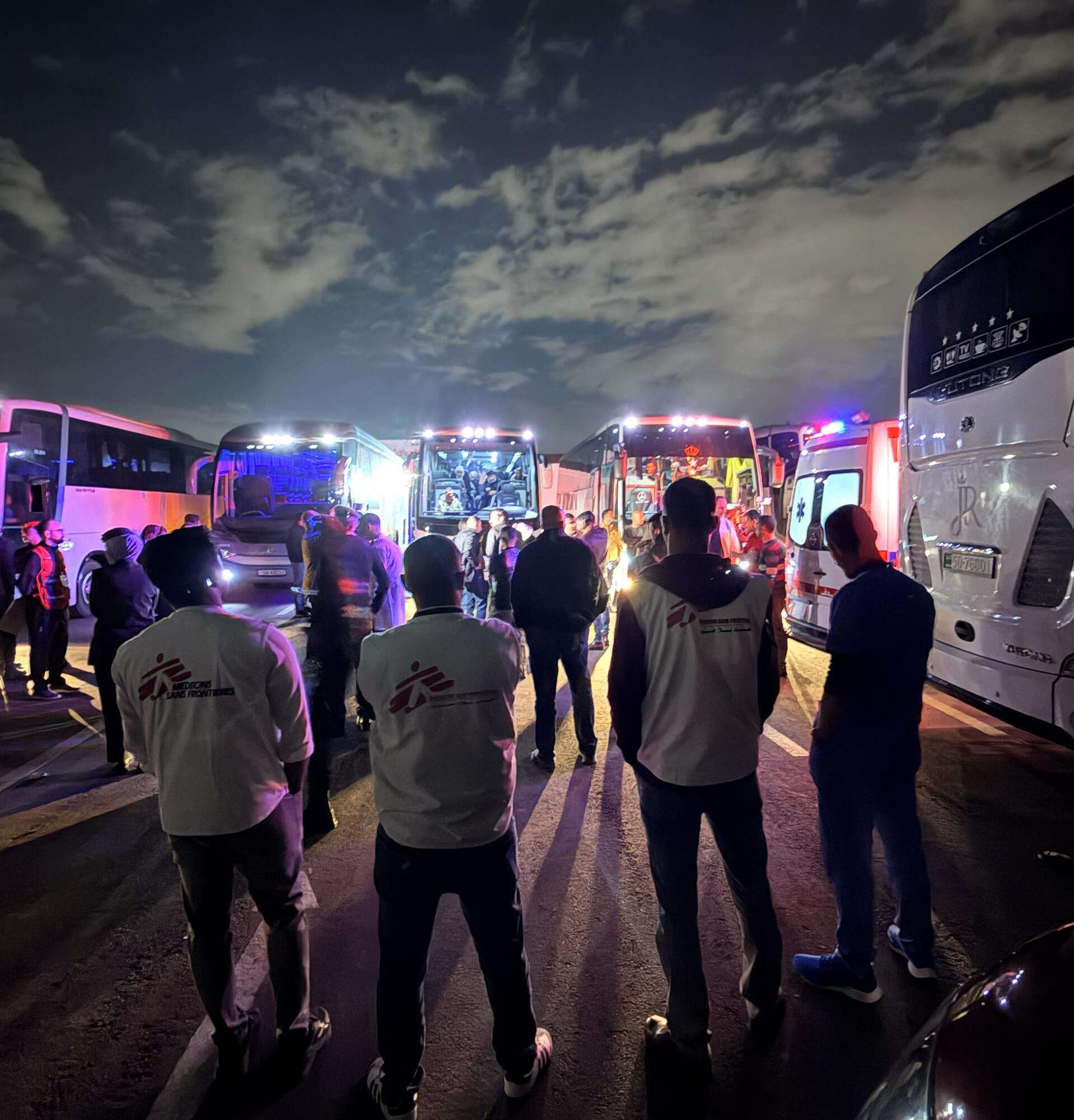
MSF treats medical evacuees from Gaza and across the region at our reconstructive surgery hospital in Amman, providing complex surgical care, rehabilitation, and mental health support for war-wounded patients from across the region. However, due to Israel’s closure of Gaza’s border, medical evacuations from Gaza have been severely restricted. On April 27, eight wounded children from Gaza and their caretakers arrived at the hospital — the first arrivals in three months. For patients requiring specialized surgical care, these delays risk worsening their condition.
MSF has not yet activated an emergency response in Jordan, but we continue to closely monitor the situation.
The ceasefire in Lebanon has had a notable but partial impact on security conditions and displacement patterns in Syria. The situation remains fluid, with security conditions still described as volatile and unpredictable. Pockets of volatility remain, particularly in Al-Hasakeh, Sweida, and rural Damascus, where protection risks, psychosocial distress, and limited access to essential services persist.
MSF teams in Syria report a direct impact on logistics and supplies. During the escalation, air cargo completely stopped when Syrian airspace was closed, road cargo through Türkiye or Iraq was not possible, and sea cargo could be received only with difficulties. We are already seeing delays in receiving medications, with a direct potential impact on patients, while higher costs risk disrupting construction or rehabilitation plans.
During the intensified Israeli airstrikes in Lebanon, tens of thousands of displaced Syrians crossed the border back into Syria. The needs among those arriving remain dire, however. Returnees continue to face gaps in shelter, food, medical support, transportation, and protection. Many are living in damaged homes, overcrowded shelters, or unsuitable temporary arrangements. Psychological distress is also widespread, while lack of access to services, absence of legal documentation, child protection risks, and insufficient livelihoods remain major vulnerabilities.
Syria represents one of MSF’s largest operational footprints in the region, with activities across 11 of the country’s 14 governorates. MSF teams across Syria operate or support 10 hospitals and 20 clinics, run mobile clinics, and have partnered with the Ministry of Health for additional support. Services include emergency and primary health care, maternal and newborn care, treatment for chronic diseases, nutrition programs, mental health services, and water and sanitation activities. MSF’s work in Syria also includes the rehabilitation of health facilities, capacity-building for medical staff, and humanitarian relief distributions for displaced communities.
Health needs are rising in Yemen, especially for chronic disease care and mental health support, while financial constraints and access barriers are making it harder for people to seek care.
Movement has been affected by airspace closures, flight disruptions, and sea route constraints. Fuel prices are under pressure and shortages are already increasing air route costs and affecting the cost-efficiency of the humanitarian response. In North Yemen, shortages of medications and medical equipment have contributed to higher prices and reduced availability.
MSF operates across several of Yemen’s governorates, running and supporting hospitals and primary health care centers while carrying out emergency response activities in several locations. We provide essential medical services such as primary health care, emergency care, surgical care, maternal and child health care, malnutrition treatment, and mental health care.
Some humanitarian crises make the headlines—others don’t. Unrestricted support from our donors allows us to mobilize quickly and efficiently to provide lifesaving medical care to the people who need it most, whether those needs are in the spotlight or not. And your donation is 100 percent tax-deductible.