From a shelter in Jiyeh, Lebanon, Warde* speaks of the home she fled as if recounting a dream: "There is a loquat tree with big, delicious fruit that we were always climbing. It was a small, cozy home, and I was so happy with it."
Warde is among more than 1 million people in Lebanon who have been displaced by the escalation of war with Israel on March 2. Since then, repeated ceasefire announcements have failed to restore stability, especially in the south of the country, where ongoing military operations — including drone strikes, shelling, and demolitions — are preventing people from returning home and rebuilding their lives. Many of those displaced are living in overcrowded shelters with limited access to water, sanitation, and health care.
To meet the urgent needs of displaced people, Doctors Without Borders/Médecins Sans Frontières (MSF) provides medical care and humanitarian support to people in shelters. Since launching our nationwide emergency response in March, our teams have conducted more than 60,000 medical consultations, delivered more than 45,000 hygiene kits, and distributed more than 250,000 gallons of water, among other activities.
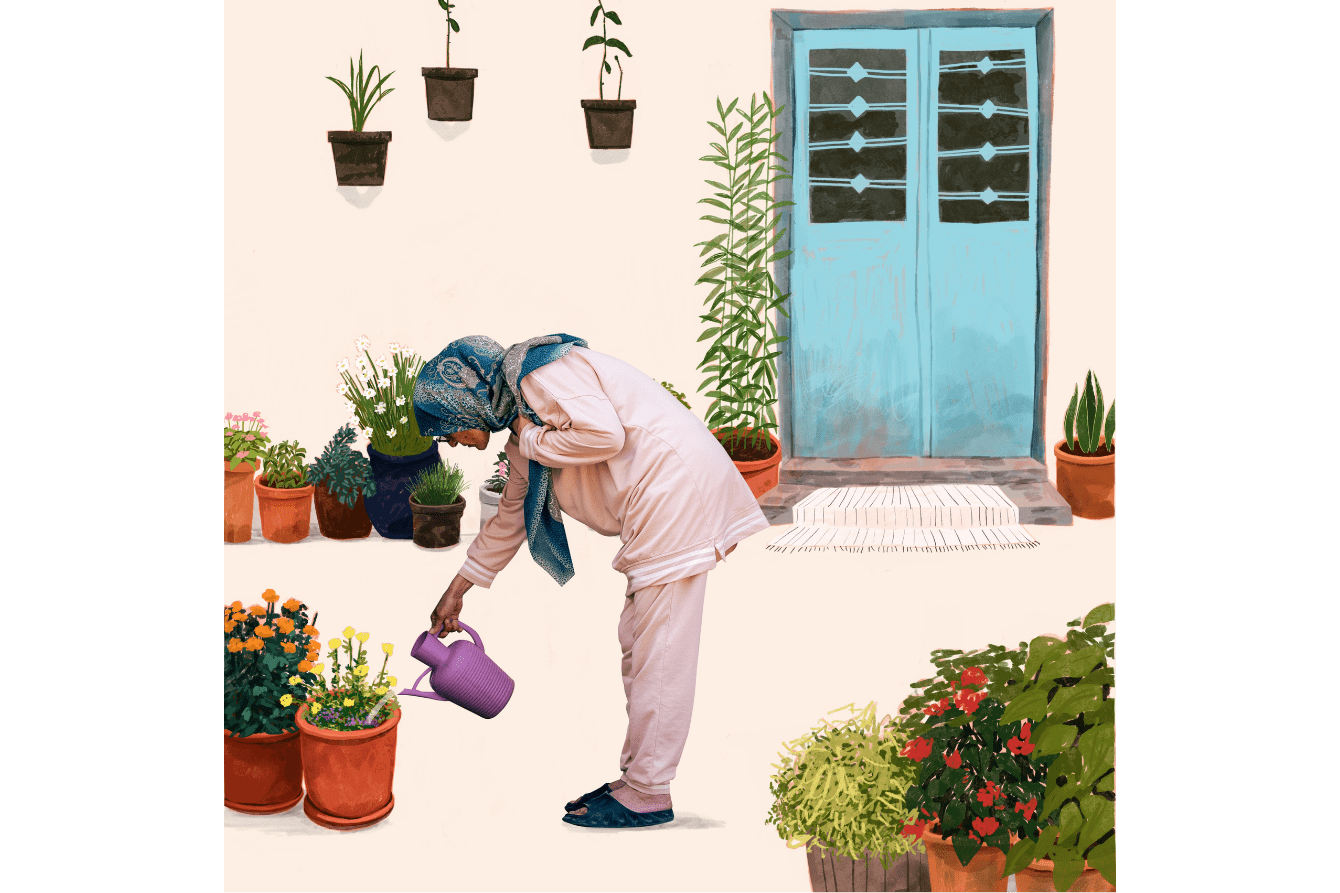
While carrying out our emergency response, our teams meet many people like Warde, who share with us memories of the homes they long to return to. This helps to preserve a sense of hope amid the daily hardships of displacement.
Warde told us she bought flowers and plants to care for in her shelter, hoping to one day plant them in her garden back home in Deir Al Zahrani, Nabatiyeh.
“I have a long walkway, all planted with flowers,” she says. “Roses, Brugmansia ... Every flower has a story and a name, and I care for them like my own children."
Far-reaching consequences of displacement
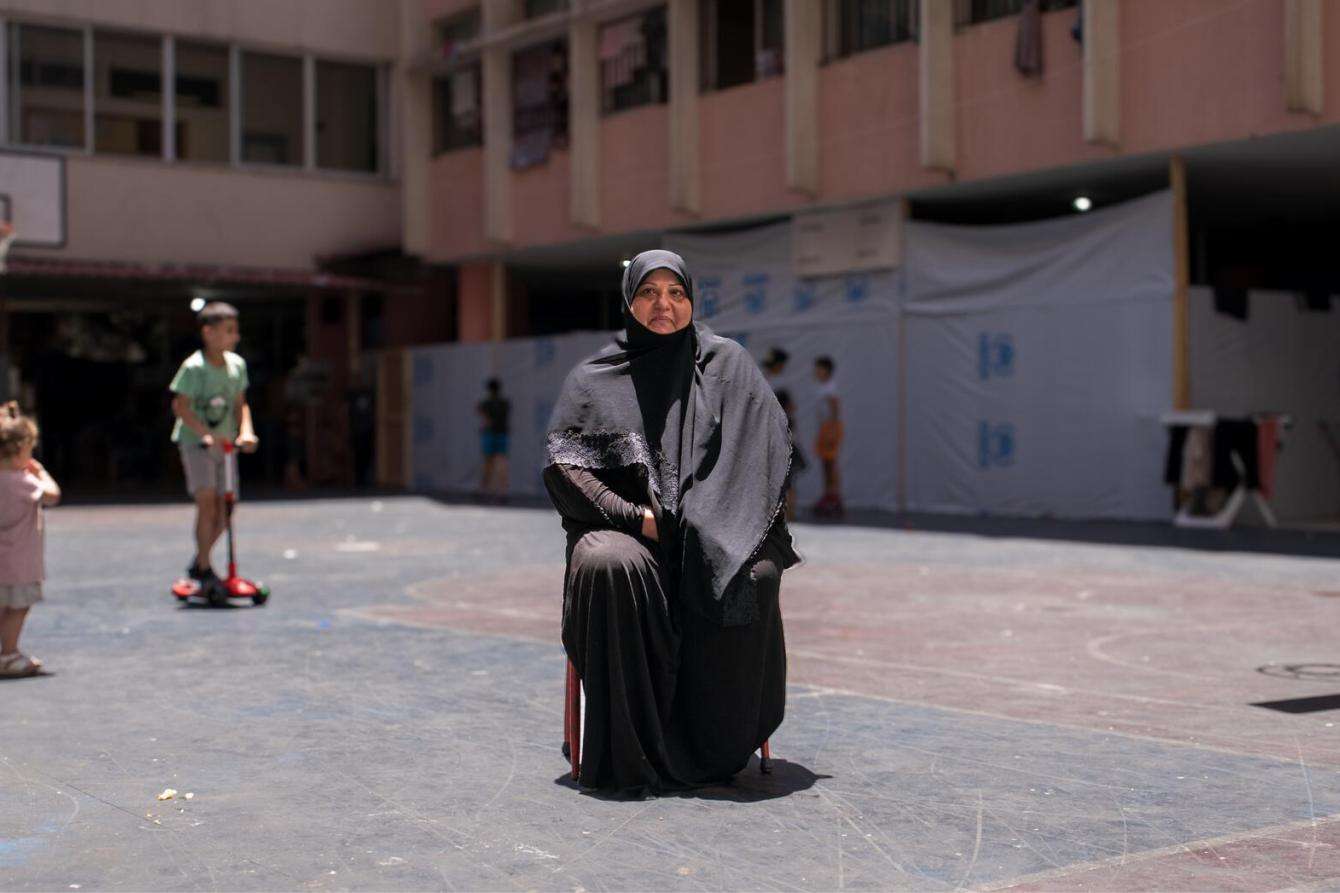
As of July 22, more than 375,000 people remain unable to return home, or simply have no home to return to, according to the International Organization for Migration.
Displacement is not a one-time event, but a cycle of ongoing instability that deepens people’s vulnerability. Many of those displaced have been forced to flee their homes multiple times, even after the so-called ceasefire announced last April. This has created a state of volatility and uncertainty, compounding the challenges that displaced people already face — from the inadequate conditions in shelters to disrupted livelihoods, financial distress, and difficulty accessing health care.
"Everything here is hard for me,” says Halime, who has lived in a public school in Beirut with her husband and daughter since their displacement from Qaaqaaiyet El Jisr. “I’ve developed so much stress that I can no longer stand on my feet or walk. If I want to get up off the floor, my husband has to pull me up. I went to the doctor and ran tests, and it turned out I have inflammation throughout my entire body."
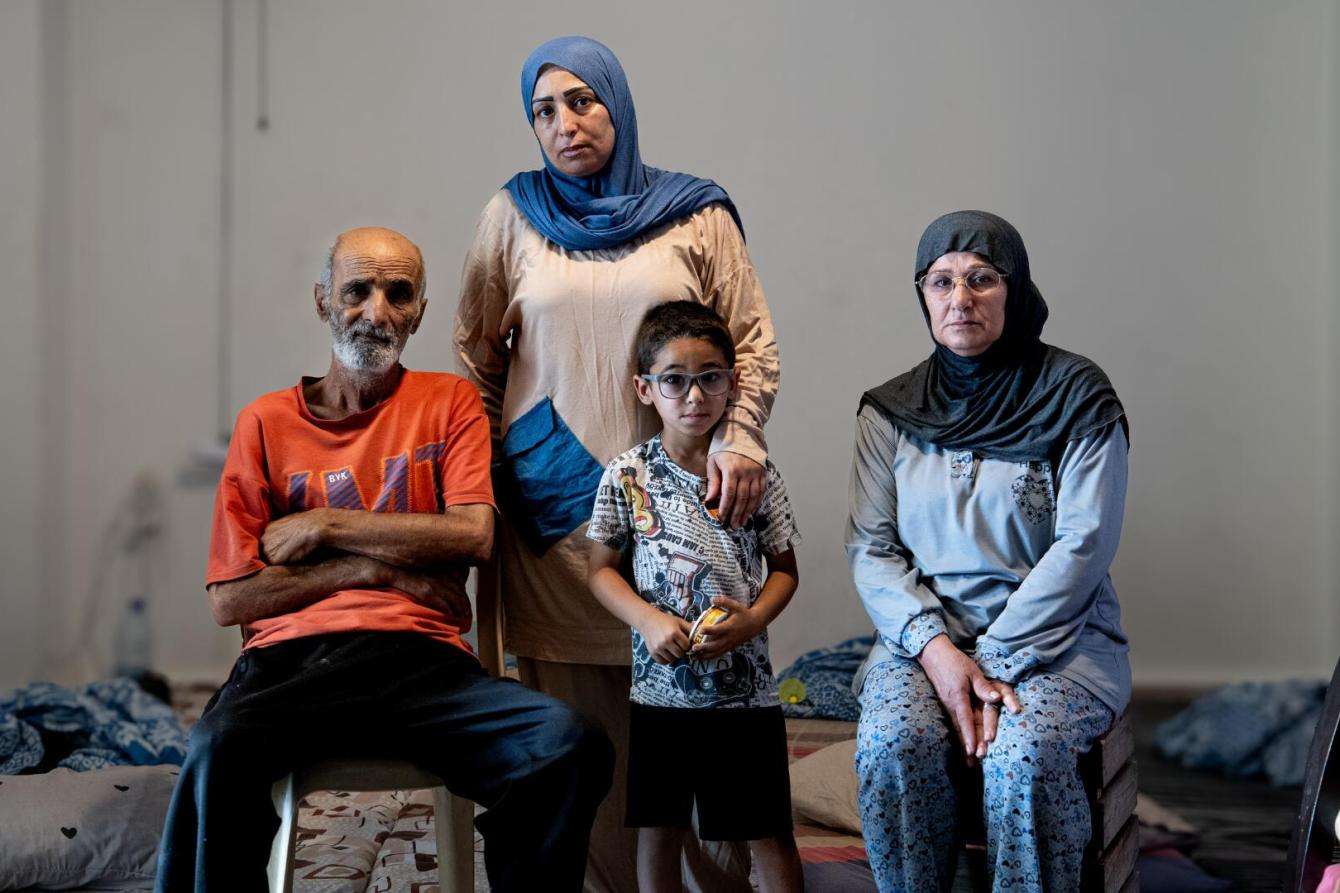
Many have been left to cope with the lasting effects of intense violence in displacement.
"The sound of the warplanes was so frightening,” says Walaa*, who is from Mayfadoun. “No matter how much faith one has in God, fear is out of your hands."
Just the sound of those warplanes brought tragedy to Walaa, who was pregnant at the time. The sonic booms resulted in a miscarriage.
Walaa’s daughter has also been struggling after losing her friend in an Israeli airstrike. "Our daughter is still suffering psychologically from this loss,” says Mohamad Ali*, Walaa’s husband. “She was texting her [friend], telling her, 'I want to come see you,' and then they bombed her house. Her friend, her friend's mother, aunt, and cousins were all martyred. I've struggled so much with her; she developed health and psychological problems."
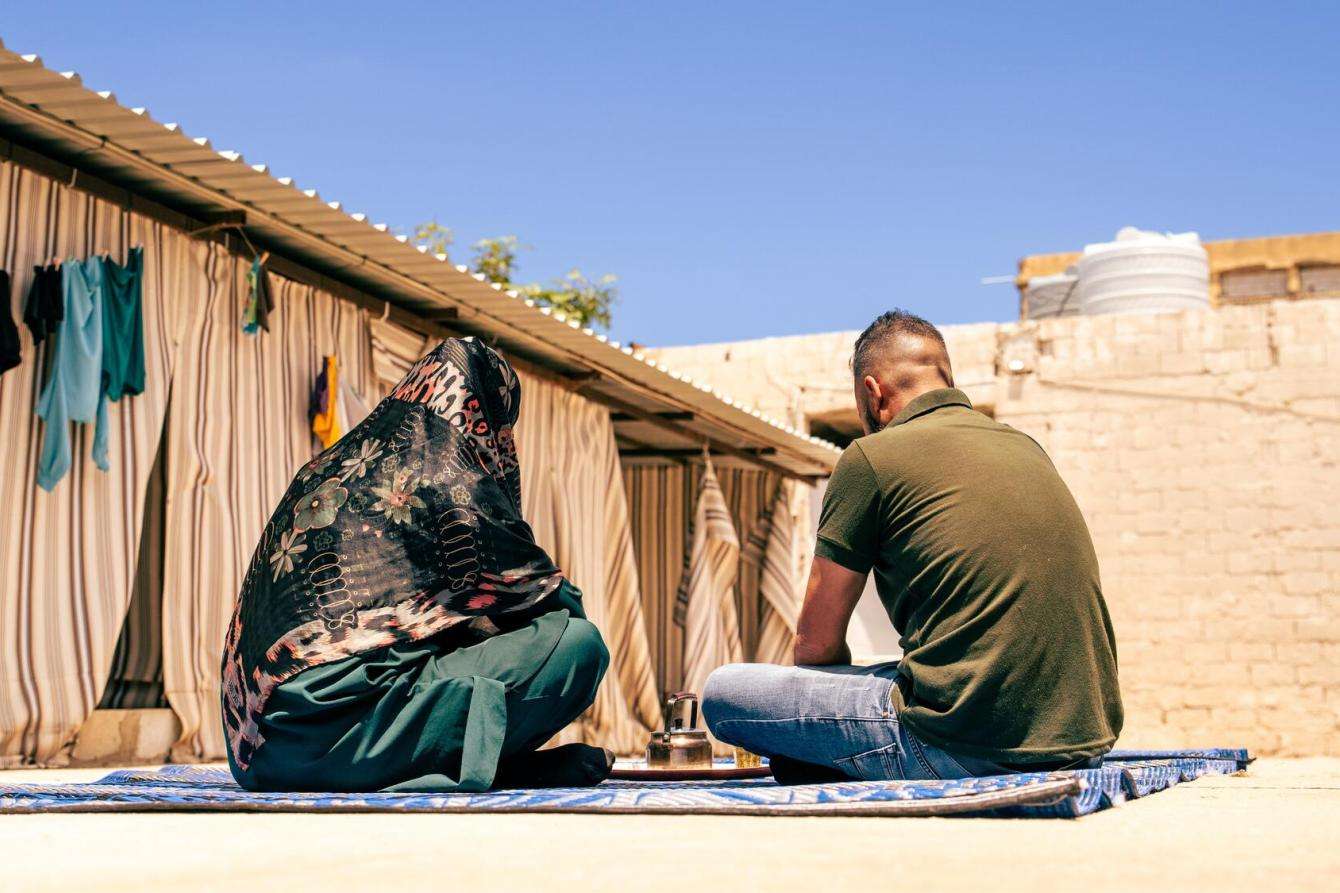
Children face additional challenges, as the war has disrupted their education and torn them from their daily routines and surroundings.
"Not a single child is at peace,” says Warde. “They go out and play a bit at the sports club, but the real challenge is with their studies. Nothing is available. Every child now has emotional distress and depression, feeling like, 'I’m not in my home.' There is no future in sight."
"When my daughter came to the public school here, her initial reaction was that she didn't want to live here,” says Halime of her 13-year-old. “But reality set in: 'Darling, there is no home. Right now, there's only this school to be our shelter. You have to accept it.' It was hard for her the first few days, but then she managed. Still, she spends most of her time in the room."
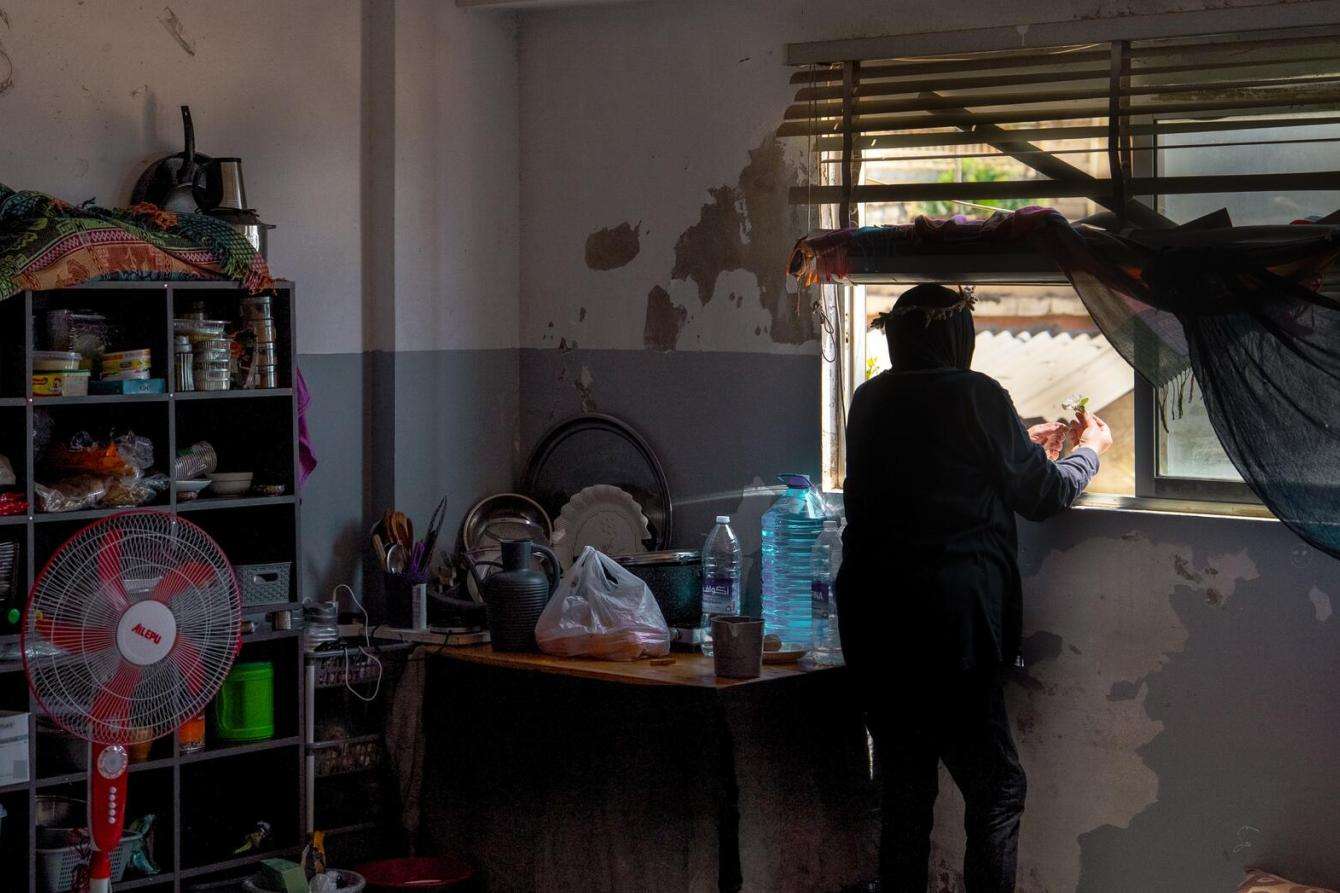
Restoring a sense of hope and normalcy in displacement
The loss of home is not only physical; it also represents identity, safety, and memory. Displaced people face deep uncertainty, not knowing whether their homes are still standing.
"When will I get back to my couch, to sitting in the kitchen with my cup of coffee beside me?” says Sanaa, who fled her home in Hariss to Beirut. “My heart breaks at the idea that we might not find that again anytime soon. God willing, we will stay alive until the house is rebuilt and I can relive these moments. It's a deep ache, a deep ache."
Her husband, Said, shares the same longing: "I just want to sit on the soil. They deprived us of so many things that were dear to us. This is my home, and one’s home is like their own skin."
During the truce, the family was able to visit their home in Hariss. On Father’s Day, their daughter tried her best to celebrate as they would in normal circumstances. "I just wanted to bring my parents back into the atmosphere they had before,” she says. “We brought them a cake, gathered the family, and sat together. I remember my dad was in the bathroom, so we surprised him when he came out. He was sick at the time. He had suffered a stroke and spent 10 days in intensive care, so I wanted to lift his spirits, and I threw him this surprise."
For Walaa, normalcy would mean being able to cook like she used to, which is not possible with the limited equipment in the shelter’s kitchen. “The last dish I cooked was stuffed grape leaves in olive oil when we went back during the truce, and I made ghraybe [shortbread cookies],” she says. “It pains me that it's been so long since I've cooked a meal. At home, we used to have dinner downstairs in the courtyard, under the grapevines. We were used to sitting on the ground. We'd spread out a mat and mattresses and sit together."
Her husband, Mohamad Ali, has found a bright spot to cherish: "If there’s anything we’ll hold on to from our displacement, it’s the good people we’ve met — the people who helped us, and those who welcomed us. They made us feel like we weren't strangers."
*Name changed to protect privacy
Get breaking news from Lebanon and around the world
News Oct 28, 2026
Civilians and medical facilities must be spared amid surging violence ...
Read more