The war in Sudan has led to a breakdown in immunization, with devastating consequences for people’s health, according to a new report by Doctors Without Borders/Médecins Sans Frontières (MSF). Since the beginning of 2024, MSF teams have treated tens of thousands of patients with vaccine-preventable diseases such as measles and pertussis across Sudan’s Darfur region.
MSF urges the Sudanese health and political authorities to lift administrative blockages preventing vaccines from entering Darfur. MSF is unable to import vaccines for either routine immunization or emergency responses in Sudan, even where existing systems cannot meet needs. MSF also urges donor countries and the UN to increase funding and provide the vaccines to health authorities. Without immediate action, deadly outbreaks of preventable diseases will continue to escalate.
“Our teams are constantly treating children for diseases that could have been prevented with a vaccine,” said Sebastián Traficante, MSF emergency coordinator in Darfur. “Many children reach our facilities in critical condition, and they simply don't make it out of the hospital."
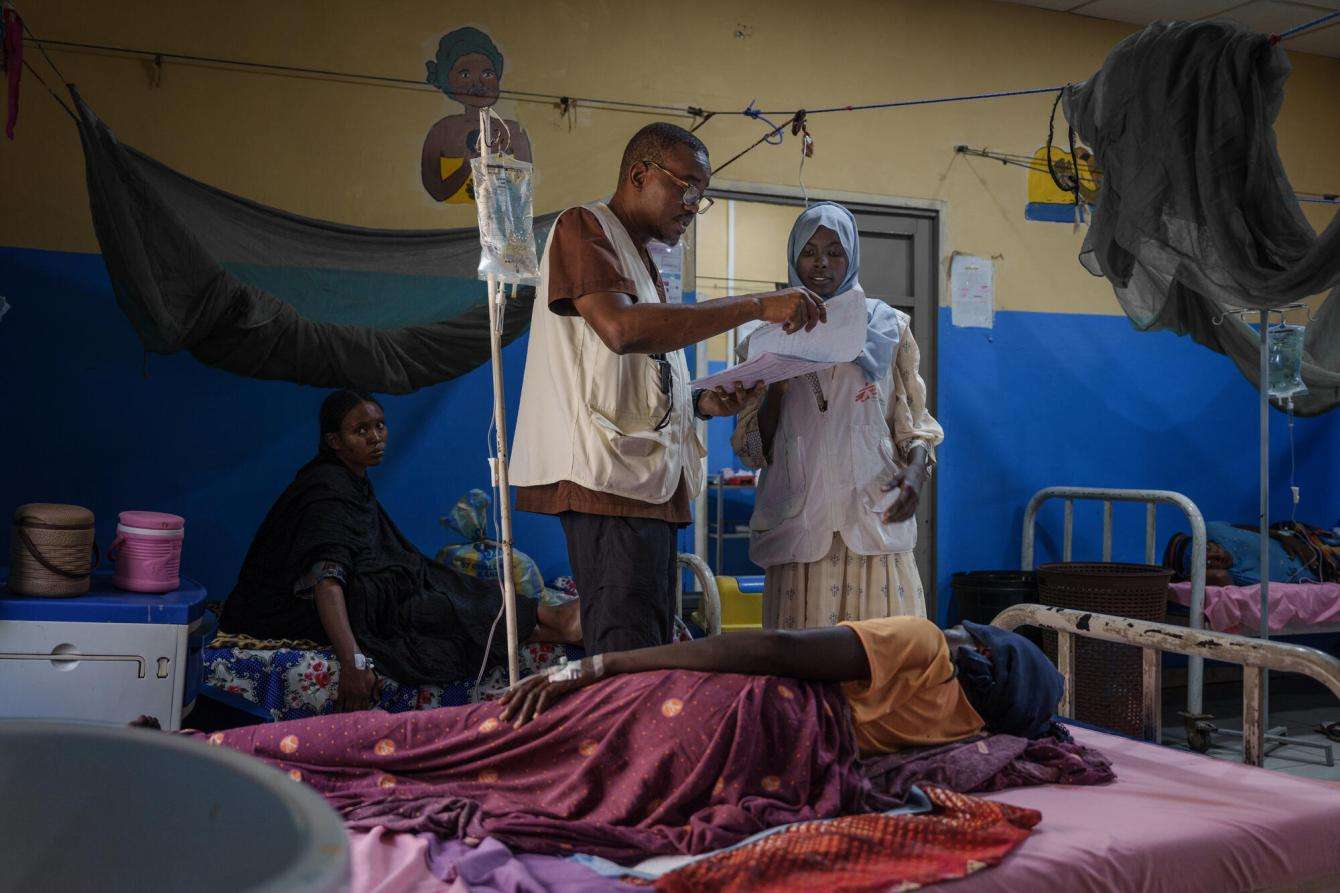
Between January 2024 and April 2026, MSF-supported facilities across the Darfur region reported 28,481 measles cases and 1,913 pertussis cases. Among patients with measles, 75 percent were not vaccinated, and 69 percent were children under 5 years old.
Locations including Tawila, El Geneina, Rokero, Zalingei, Nyala, and East Jebel Marra saw recurrent transmission over consecutive years, suggesting that immunity gaps have persisted despite outbreak responses and that outbreaks were not fully contained. According to the MSF report, transmission was particularly high in South Darfur, where 10,600 suspected measles cases were reported in the first four months of 2026 alone, exceeding the total number of cases in 2025.
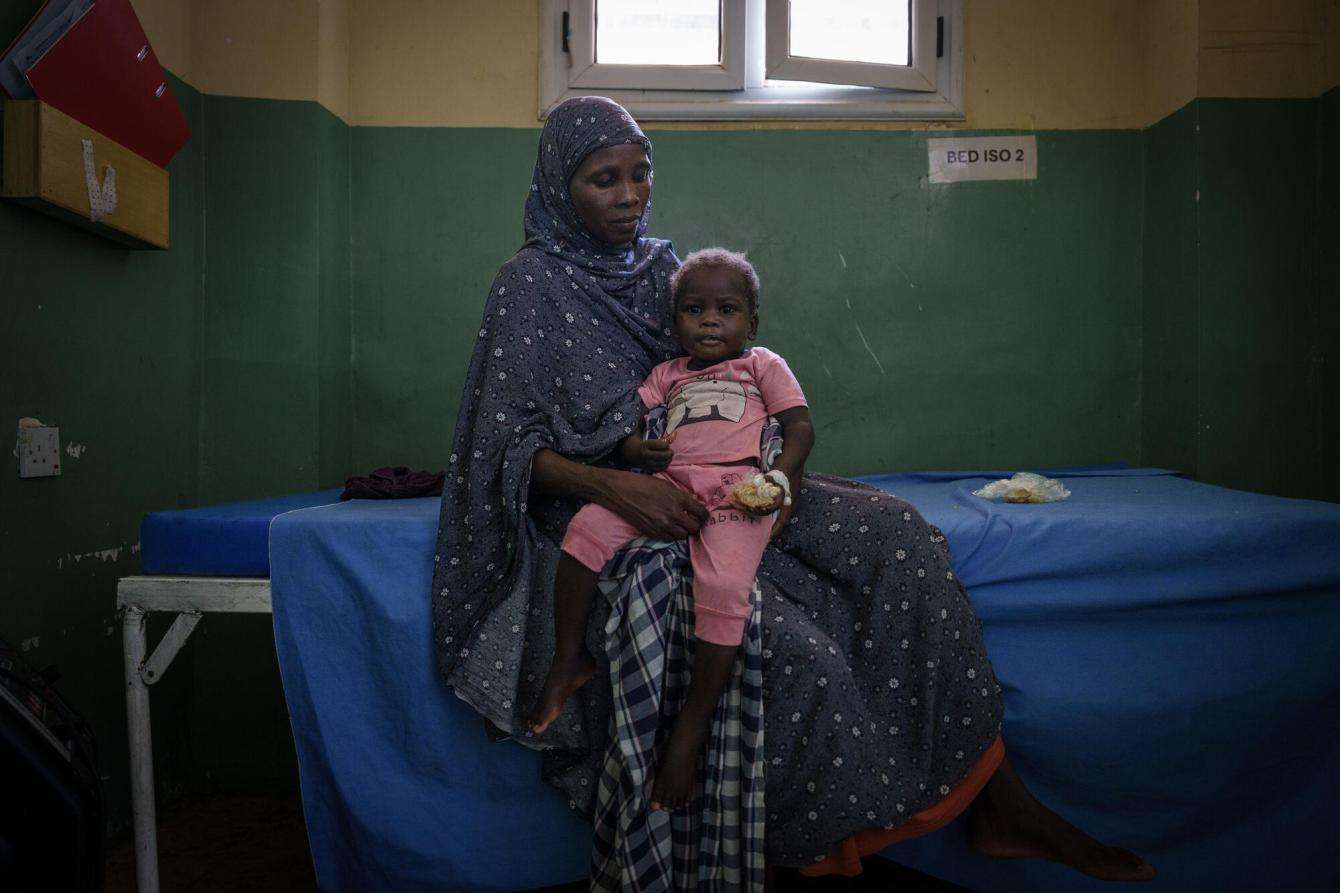
Supplies and staff remain limited in Sudan
Vaccine-preventable diseases are especially dangerous when paired with complications of other medical conditions, such as malaria and malnutrition, which are rampant across Darfur.
With the war in its fourth year, Sudan faces one of the world's worst humanitarian crises: In 2026, 34 million people need humanitarian aid and 21 million cannot access basic or even lifesaving medical care due to the collapse of the Sudanese health system.
According to the World Health Organization, 37 percent of health facilities across the country are non-functional. Those still open in Darfur report severe shortages of staff, medicines, vaccines, equipment, and supplies, and many have only partially functioning or non-functioning cold chains to keep vaccines viable.
“Routine vaccination services struggle to reach people, especially in remote areas,” said Dr. Saiful Islam, MSF emergency medical coordinator for South Darfur. “The supply, transport, and storage of vaccines face significant barriers, mostly due to administrative delays, such as in obtaining import approvals and travel permits. State-level vaccination offices are often not functioning, leaving little monitoring or supervision. Many health facilities have no permanent vaccination staff and rely on volunteers.”
Urgent action needed to ensure children in conflict zones are vaccinated
Read moreWhen services do not reach communities, families have to travel to find them. But the war has destroyed livelihoods and sent prices skyrocketing, leaving little income for families to afford transportation. For many parents, the cost of transport to the nearest health facility is out of reach.
Three-year-old Faiz was admitted to Rokero Hospital in Central Darfur for suspected whooping cough, and a medical examination by MSF medical teams confirmed that he was also affected by meningitis and tetanus. After 16 days in the isolation ward, Faiz passed away.
“My child had never been vaccinated because we live in a farmland area, about three hours away from Sortony town," said his mother, Fauzia. "The rainy season also makes it complicated to move around. Many children in my area are affected by vaccine preventable diseases.”
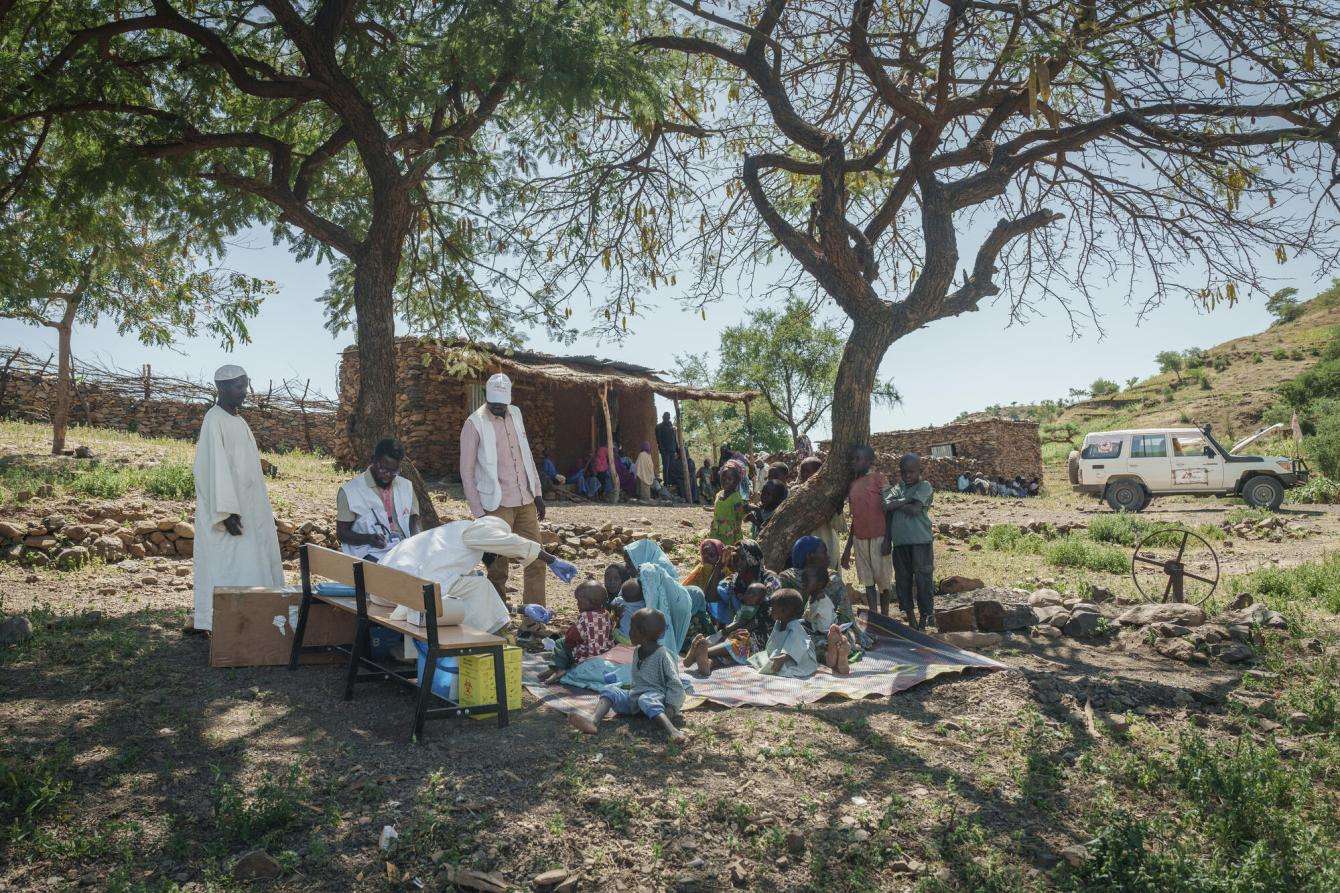
Emergency vaccination campaigns are not enough
Disease surveillance is another major gap. With limited monitoring and follow-up, outbreaks often go undetected until the disease has spread widely. By the time emergency vaccination campaigns begin, it’s often too late.
Some emergency vaccination campaigns have taken place in various parts of Darfur since 2024 and can help contain outbreaks. But these campaigns need to be more efficient and, ideally, cover several diseases — and they cannot replace routine immunization.
For instance, in Tawila, North Darfur, a severe measles outbreak saw more than 1,900 cases treated at Tawila Hospital between January and April 2026. Following an emergency mass vaccination campaign that reached 130,000 children across Tawila town and internal displacement camps, community transmission was brought to a halt. Cases dropped to just 96 between April and September 2026, a 95 percent reduction.
While emergency vaccination campaigns save lives, outbreaks will keep returning across Darfur without sustained investment in routine vaccination, cold chain infrastructure, vaccination staff, and disease surveillance.
"Immunization in Darfur and the rest of Sudan must be adapted to the reality of the conflict," said Traficante. "That means mobile, outreach, and catch-up services run by professional vaccination teams. They can reach unvaccinated children where they are, and also act as our eyes in communities, tracking immunization rates and detecting outbreaks early."
MSF calls on health authorities, donors, and UN agencies to fund and facilitate mobile and catch-up vaccination across Darfur and the rest of Sudan. MSF also urges all warring parties and authorities in Sudan to immediately remove administrative barriers to the import and transport of vaccines.
Vaccine-Preventable Disease Outbreaks in Darfur: Findings From MSF-Supported Health Facilities
Get breaking news from Sudan and around the world.
News Nov 05, 2026
Aid funding cuts raise health risks for displaced people in South Suda...
Read more