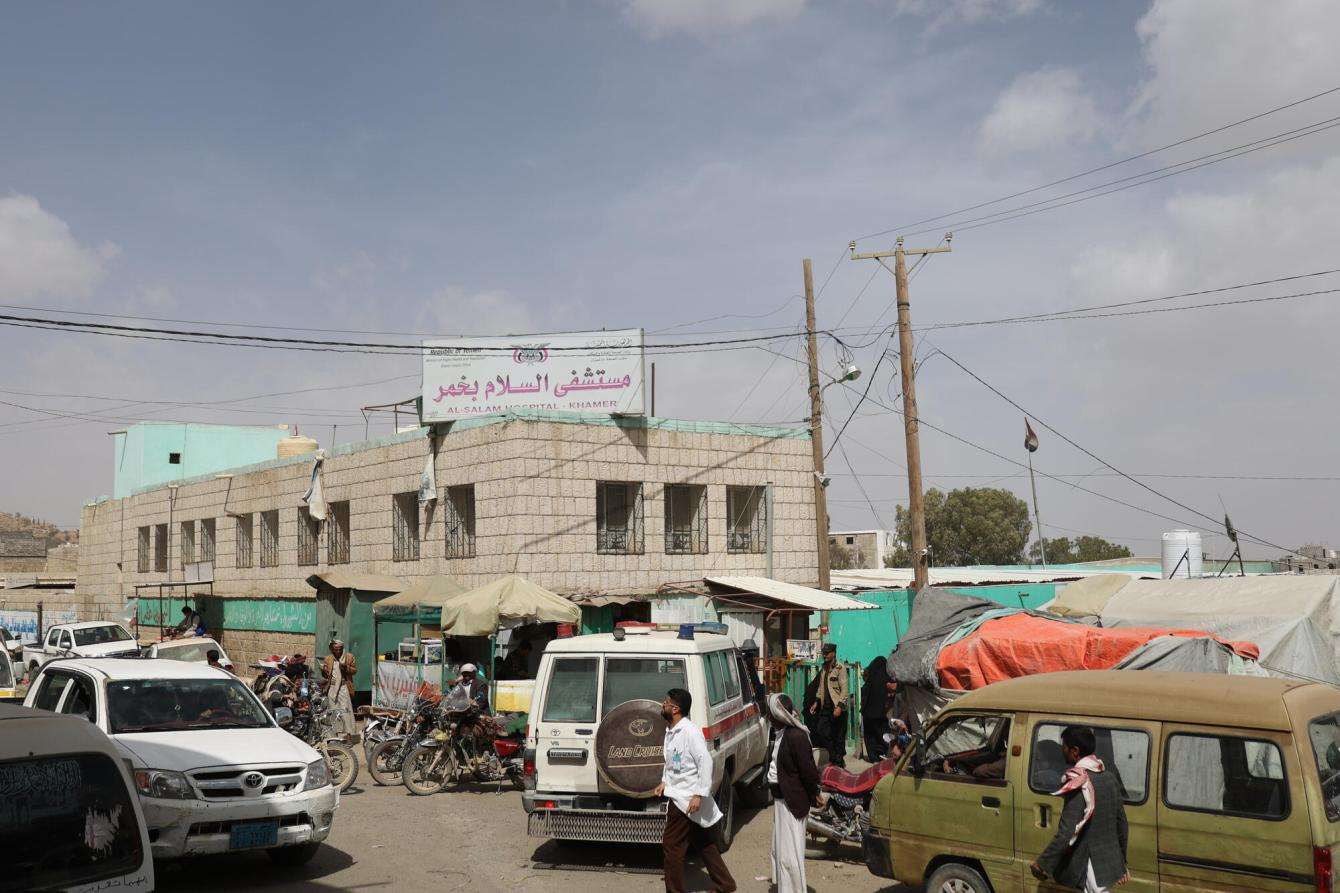
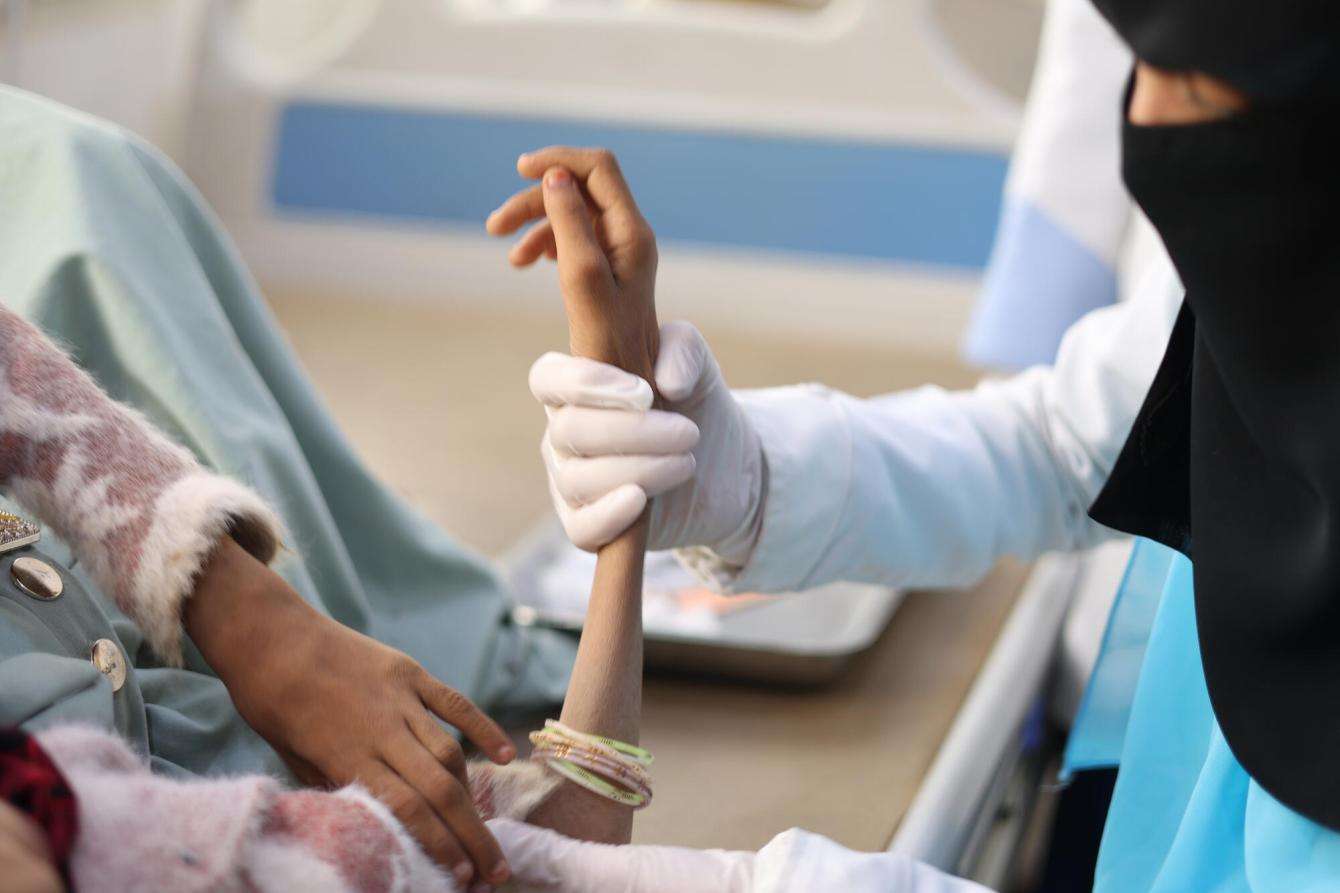
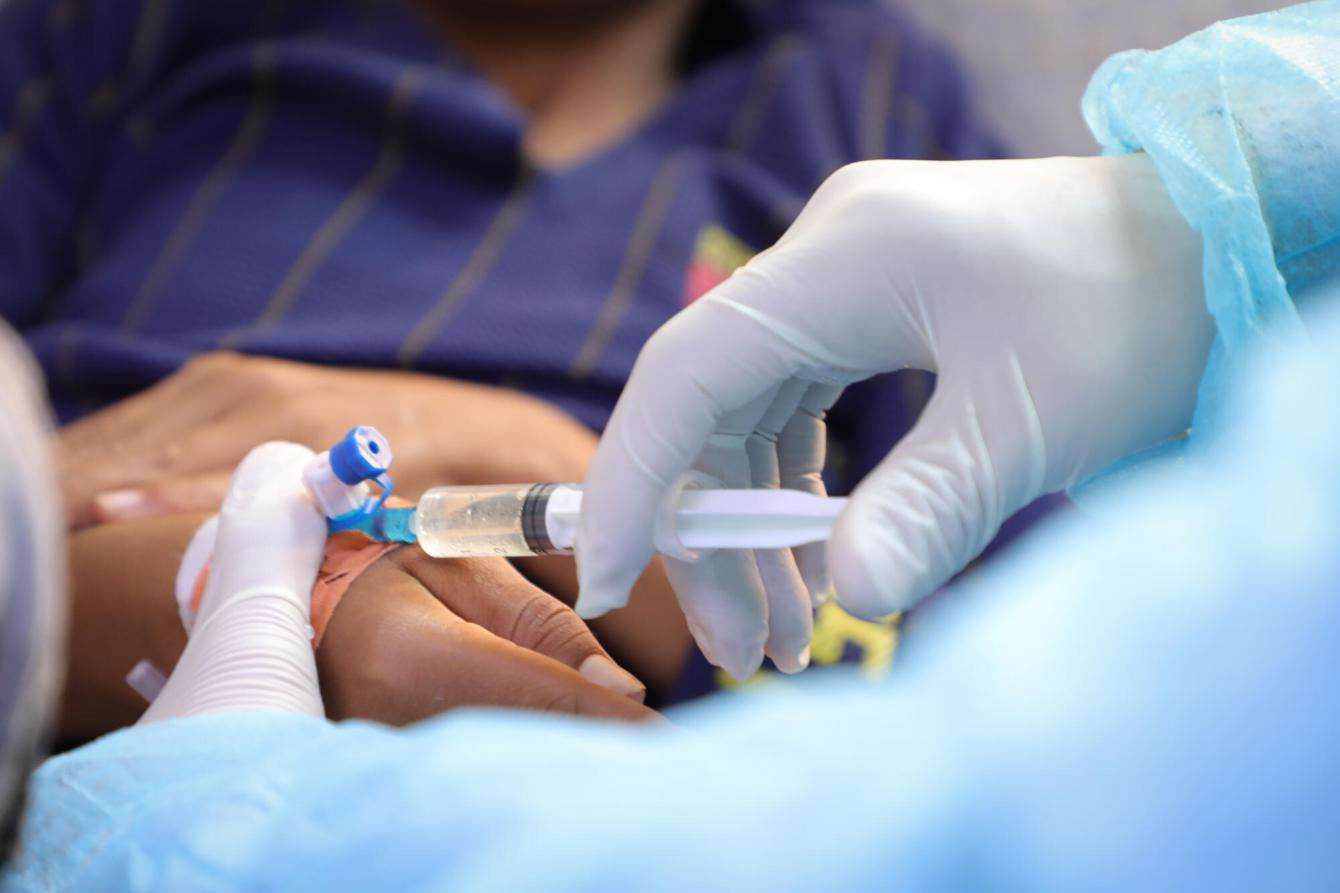
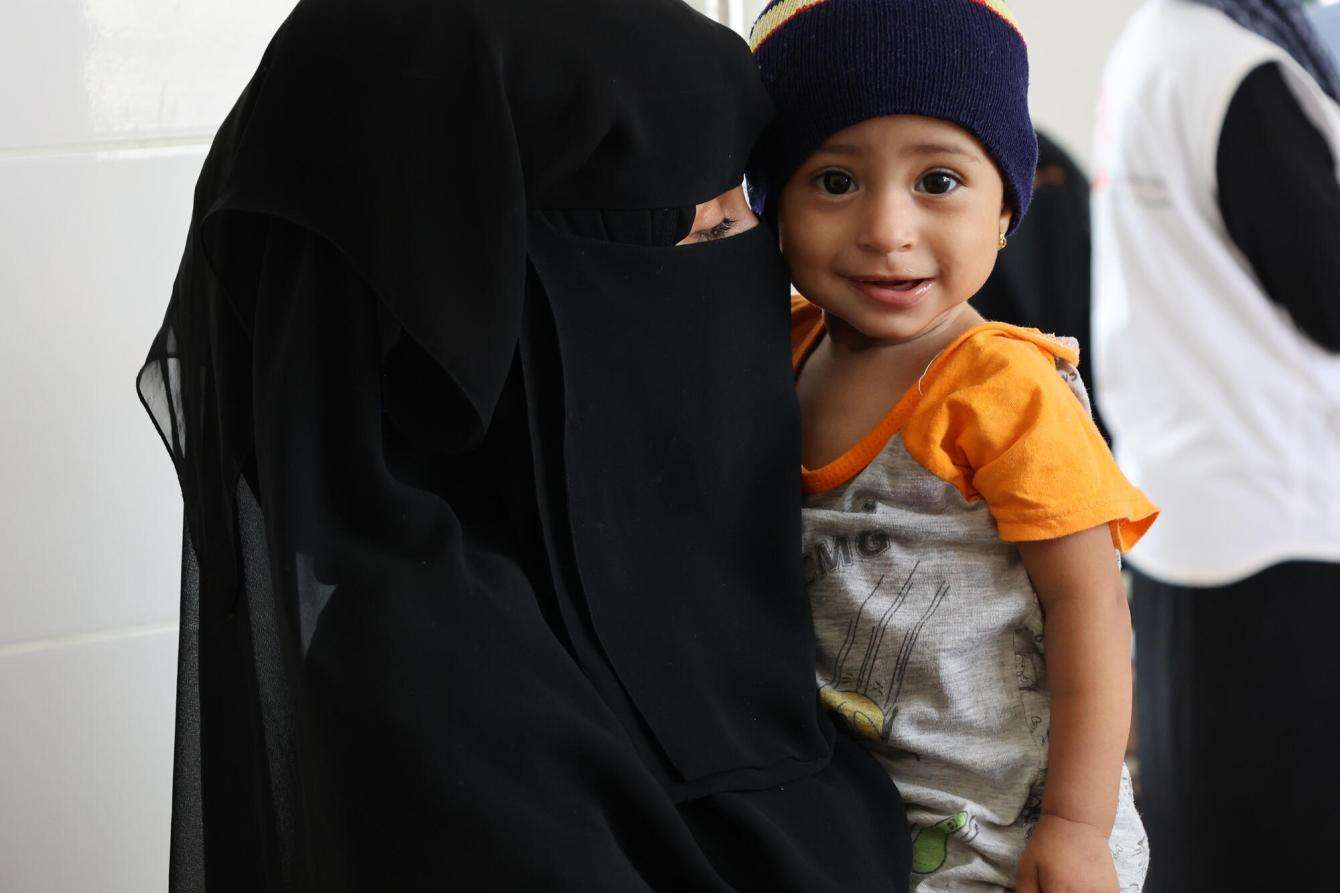
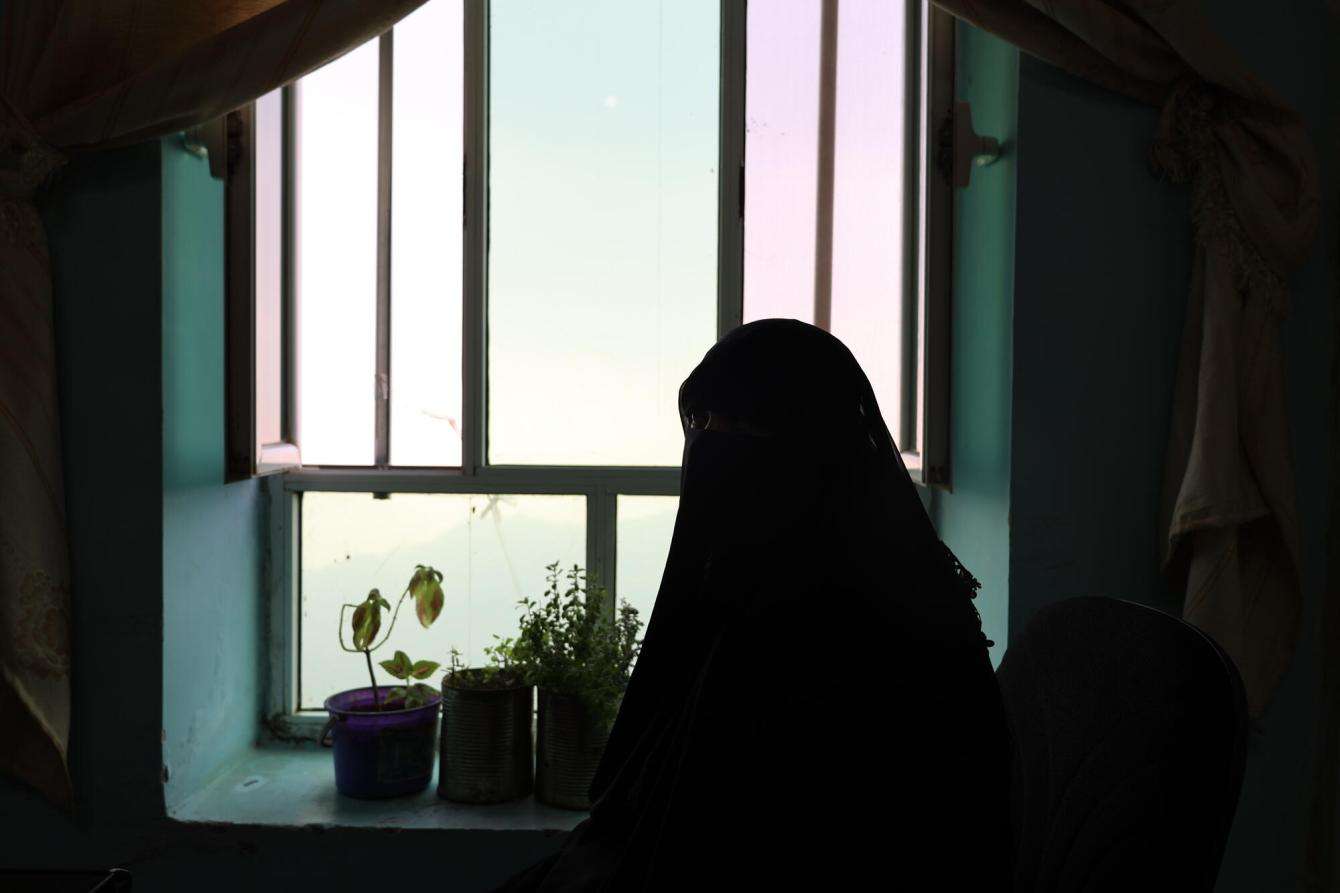
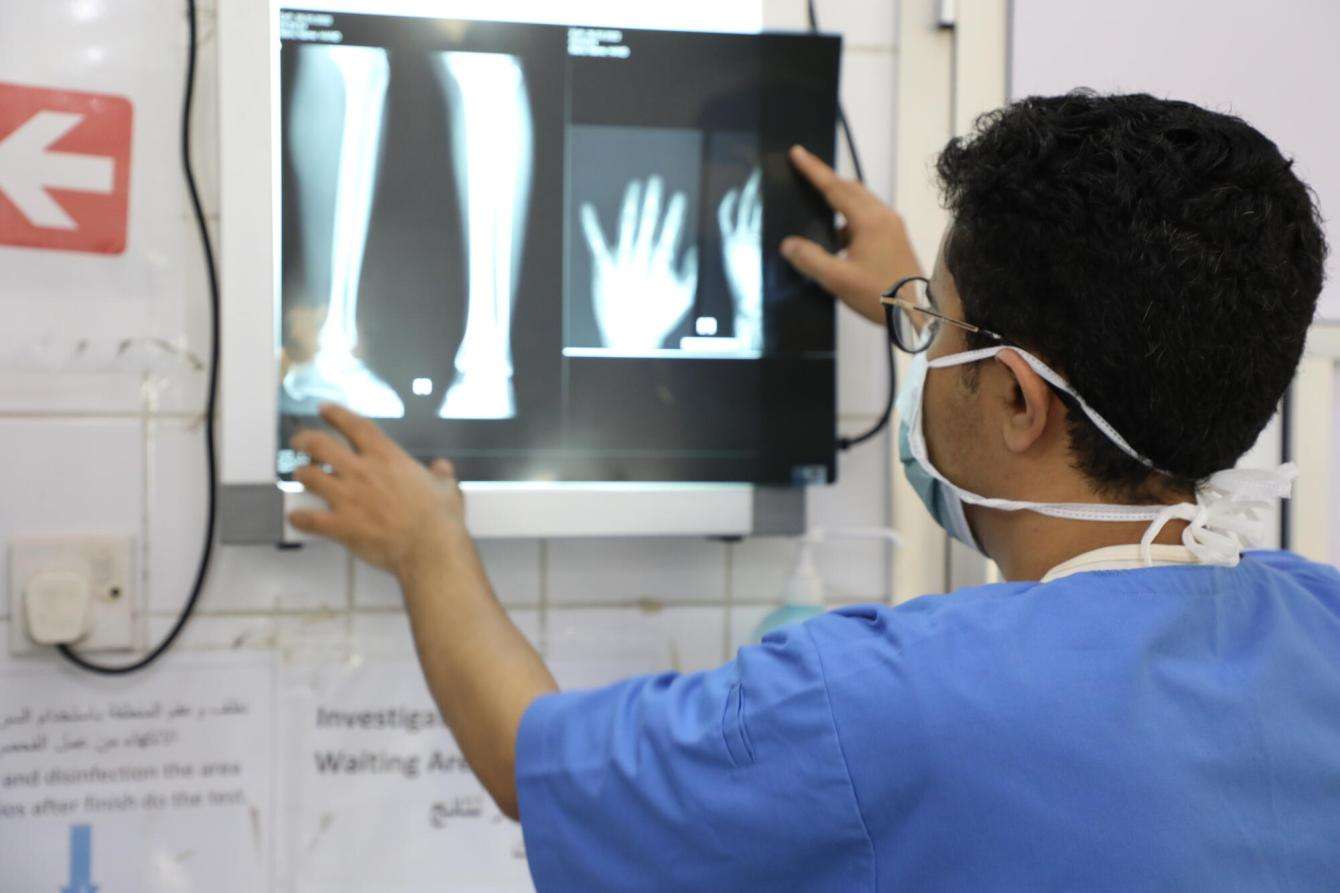
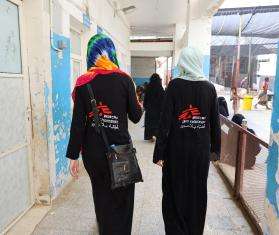
Long years of war have resulted in the destruction of homes, loss of lives, displacement of thousands of people, and deterioration of economic and living conditions. All of these factors have taken a heavy toll on the mental health of people in Yemen, and many also struggle with family issues and traumas. The conflict and lack of access to mental health services has significantly impacted patients already suffering from chronic mental health disorders before the onset of the war.
Our teams in Yemen provide mental health and psychosocial support through group sessions and individual consultations. MSF’s mental health care aims primarily to reduce people’s symptoms and improve their ability to manage difficult times so they can get on with their lives.
In 2021, three primary health care centers run by MSF in Marib governorate introduced psychosocial support as a key component of medical services and have since become the sole providers of mental health care in the area.
In Al-Gomhouri Hospital in Hajjah City, northwestern Yemen, our teams provide a holistic mental health program in collaboration with the Ministry of Health. We receive patients suffering from various mental health disorders with mild to severe symptoms, including anxiety, depressive episodes, post-traumatic stress disorder (PTSD), and behavioral problems. However, most patients arrive with severe conditions such as major depression, psychosis, and bipolar disorder, which require psychiatric treatment in addition to psychological care. These cases amount to 70 to 80 percent of our patients.
People on the move
The years of conflict have particularly impacted internally displaced people (IDPs) who have fled multiple violent attacks. (More data on displacement here). As we respond to the needs of IDPs as well as non-displaced people in need, we have been receiving an increasing number of patients, especially children, suffering from diseases related to poor sanitation and harsh living conditions. We are also observing the consequences of people’s challenging living conditions on their physical and psychological well-being.
Despite the ongoing conflict, Yemen hosts 137,000 refugees and asylum seekers from Somalia and Ethiopia, making it the world’s second-largest host of Somali refugees, according to the UN Refugee Agency. Additionally, many migrants have been stranded in areas like Al Jawf, Marib, and on the road to Aden, while traveling to Saudi Arabia in search of better living conditions. Migrants face desperate situations, often living in deplorable conditions with very poor access to basic services and are exposed to danger, abuse, and exploitation.
To address some of these needs and ensure people in vulnerable situations are not excluded from medical care, MSF provides primary health care services to migrants from the Horn of Africa, as well as IDPs and a minority group known as Al Muhamasheen, or “the marginalized”—who are usually of African descent and suffer discrimination, poverty, and social exclusion.