US government policies designed to deter asylum seekers have only further endangered the lives of people seeking safety. For example, US asylum restrictions enacted in recent years have forced asylum seekers to remain in dangerous border cities in Mexico while they await appointments with US border officials, where they face violence and extortion at the hands of criminal groups.

United States 2024 © Christopher Lee
United States
Responding to the ripple effects of US policy changes and cuts to humanitarian aid funding
Update
Abrupt PEPFAR withdrawal from South Africa would endanger lives
July 6, 2026 — The reported US government decision to withdraw all PEPFAR funding from South Africa would seriously disrupt HIV prevention and treatment services, particularly for people who already face barriers to accessing care, Doctors Without Borders/Médecins Sans Frontières (MSF) warned today. South Africa has the world’s largest HIV epidemic, with around 8 million people living with HIV. Recent disruptions to PEPFAR-supported programs have already led to the loss of staff, interruptions in patients’ follow-up care, and the closure of community-based organizations that many vulnerable groups rely on.

Our work in the United States
Doctors Without Borders/Médecins Sans Frontières (MSF) does not currently run medical programs in the US. But we are responding to the impacts of US government policies around the world — from conflict in the Middle East to the sweeping changes affecting global health and humanitarian assistance.

What's happening in the United States?
Every year, thousands of migrants and asylum seekers take the dangerous route north through the Americas to the US southern border. Along the way, many face rough terrain and extreme weather, as well as sexual violence and other abuses targeting people on the move. These factors have significant impacts on their health and well-being, especially with extremely limited access to health care on migration routes.

How we're helping in the United States
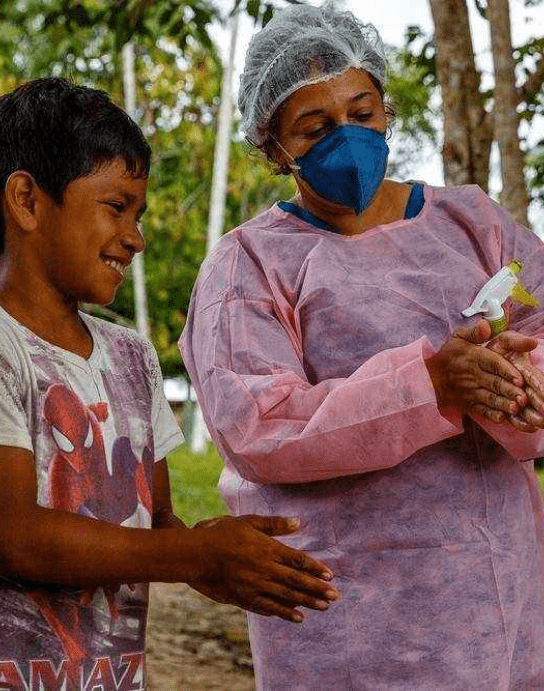
While MSF does not regularly operate in the US, we have stepped in to provide support when it’s needed, such as responding to the COVID-19 pandemic in 2020 and supporting migrants at the US-Mexico border in 2024. Despite our limited activities within the country, US government policies continue to impact our work around the world, particularly regarding migration and funding for public health and humanitarian aid.
More news and stories
Learn about MSF’s journalistic roots and our commitment to bear witness and speak out about the plight of the people we treat.


Learn about MSF’s journalistic roots and our commitment to bear witness and speak out about the plight of the people we treat.
How you can help
Not everyone can treat patients in the field. But everyone can do something.
Some humanitarian crises make the headlines—others don’t. Unrestricted support from our donors allows us to mobilize quickly and efficiently to provide lifesaving medical care to the people who need it most, whether those needs are in the spotlight or not. And your donation is 100 percent tax-deductible.