2026
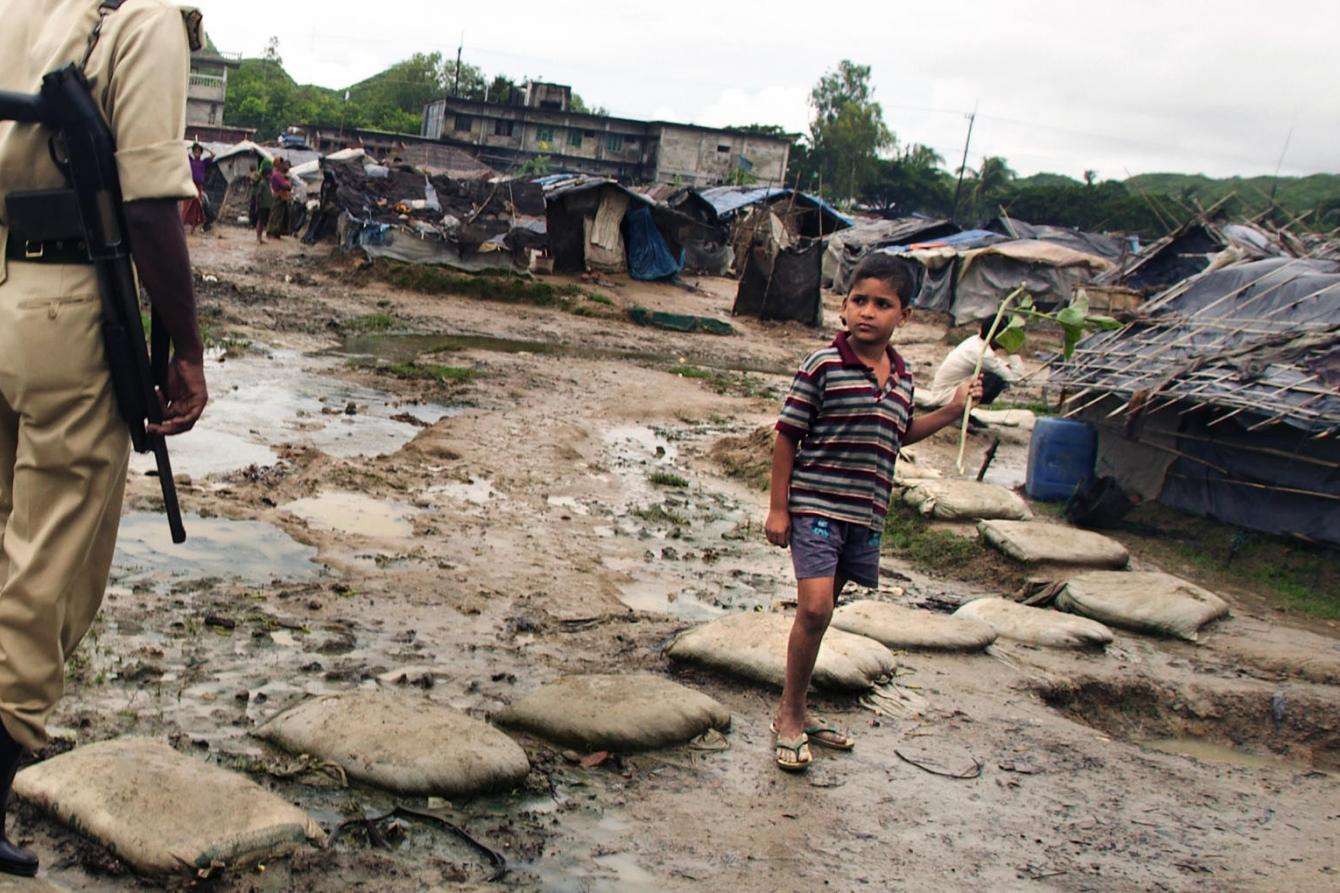
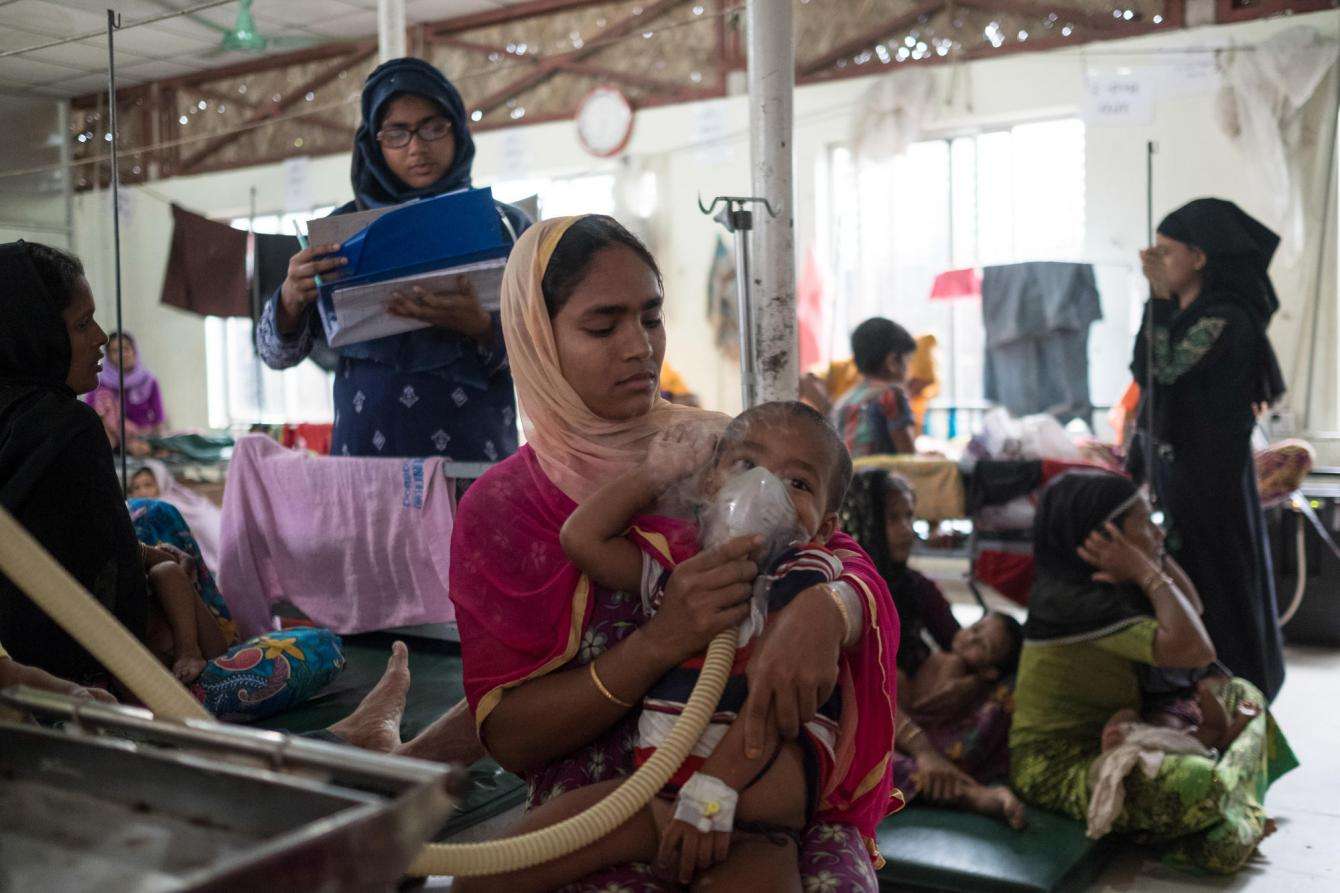
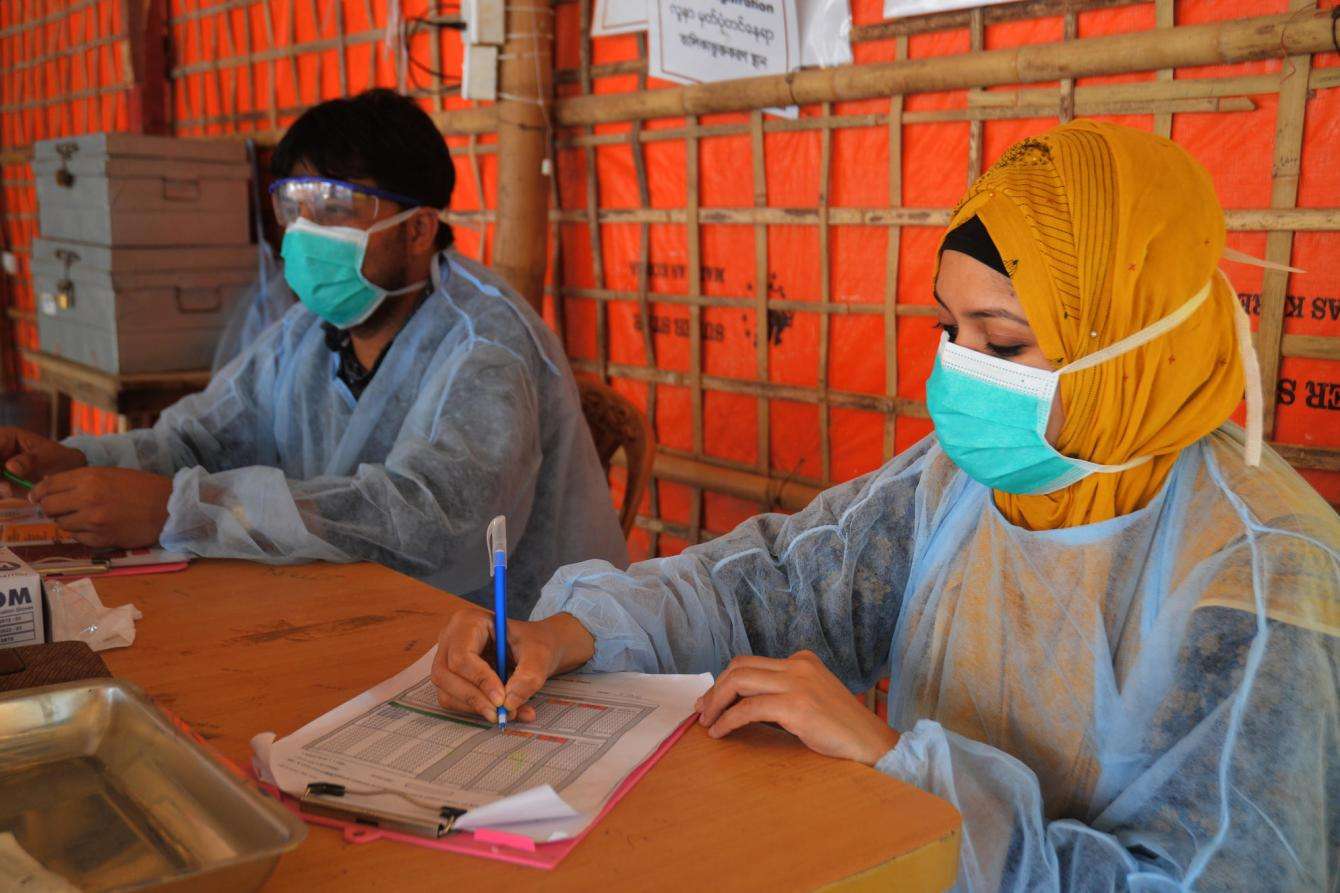
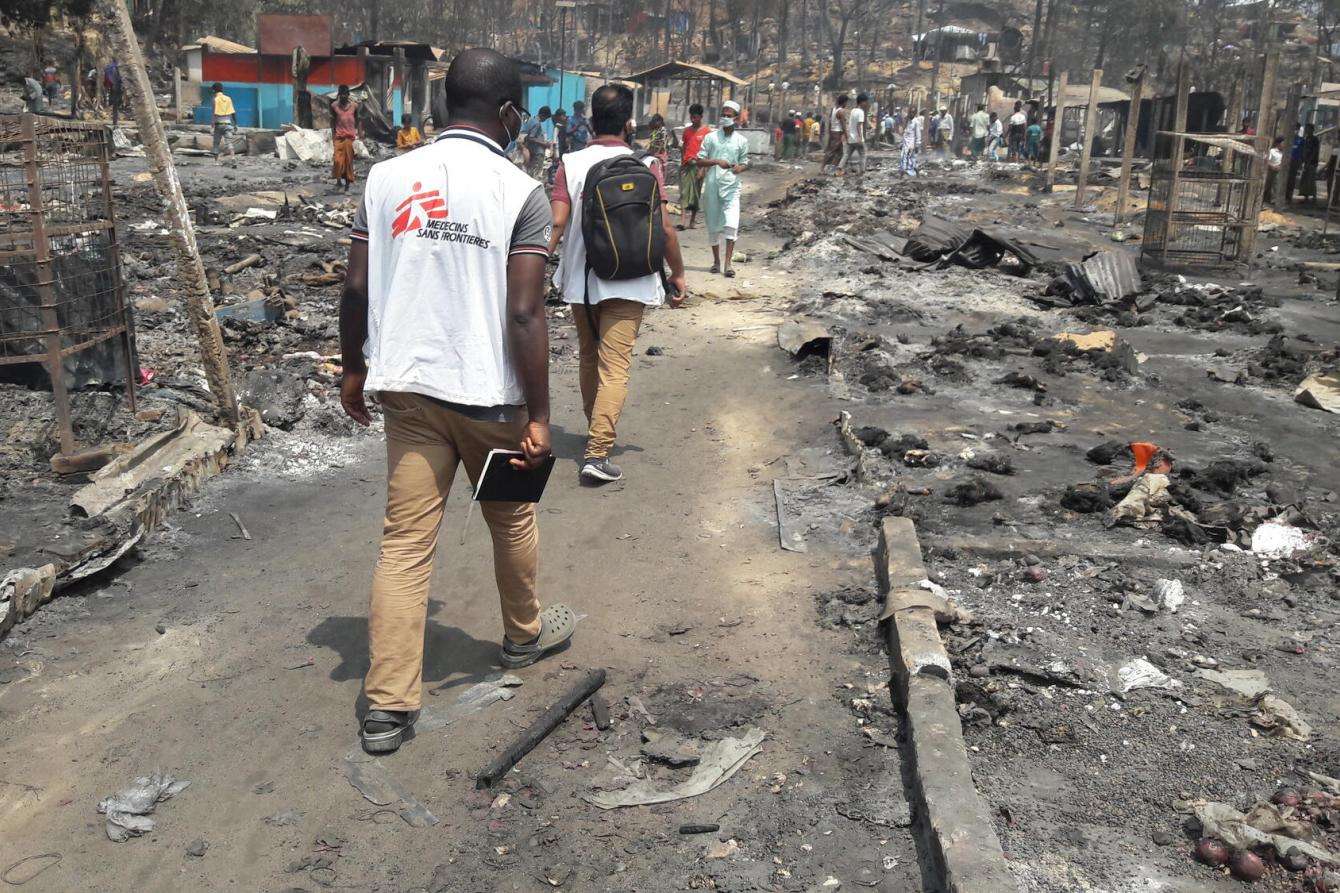
In March, MSF teams witnessed a sharp surge in measles cases in Cox’s Bazar, driven by overcrowded living conditions and significant gaps in routine vaccination coverage. In April, our teams treated 284 measles patients across MSF facilities in the camps — four times the number treated during the first three months of the year combined.
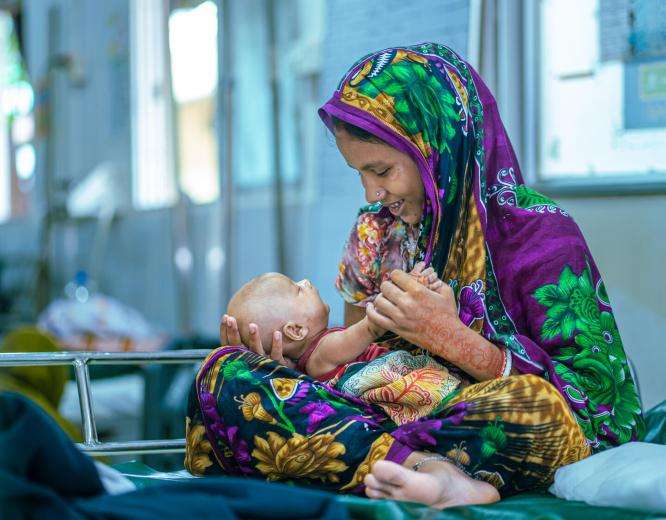
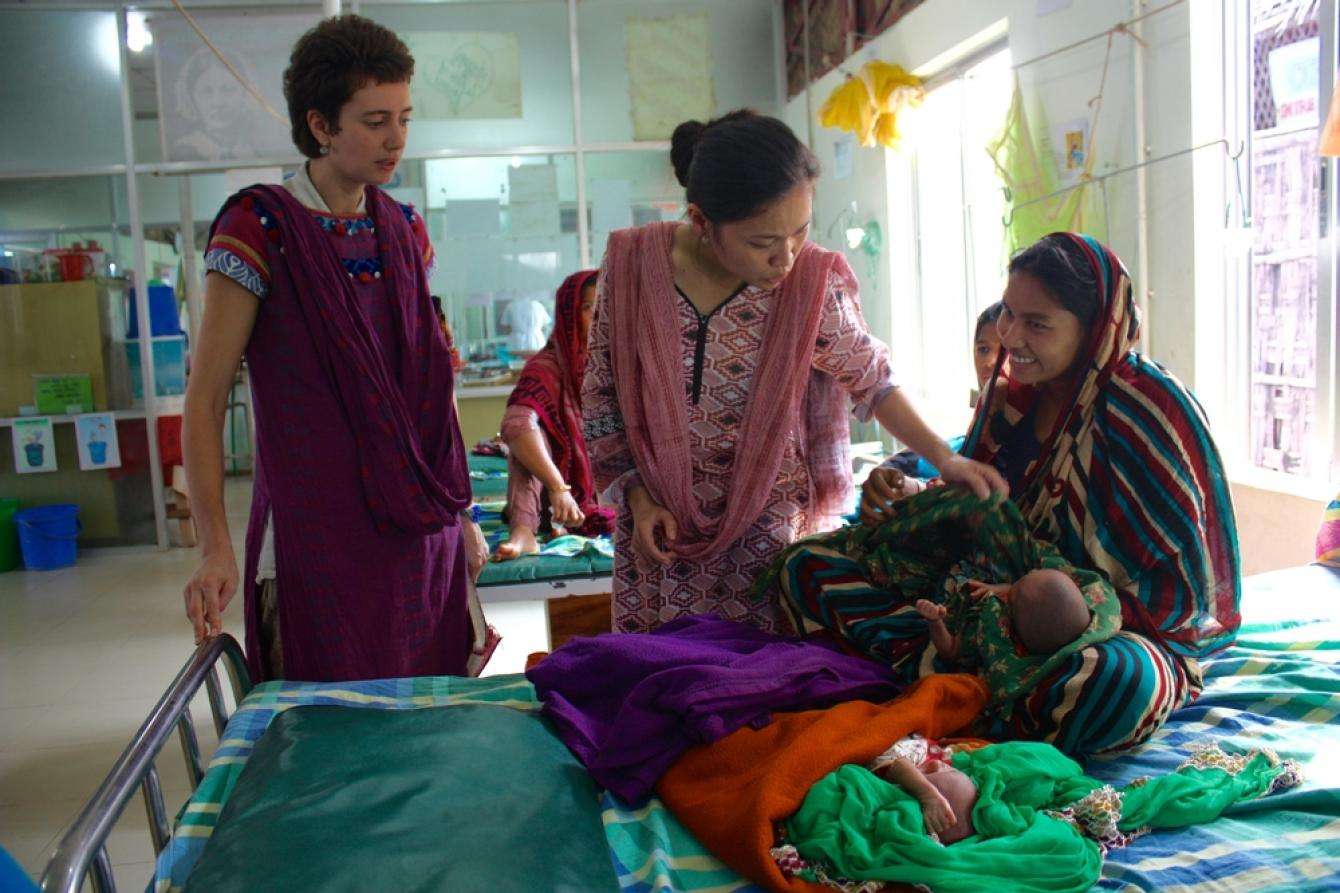
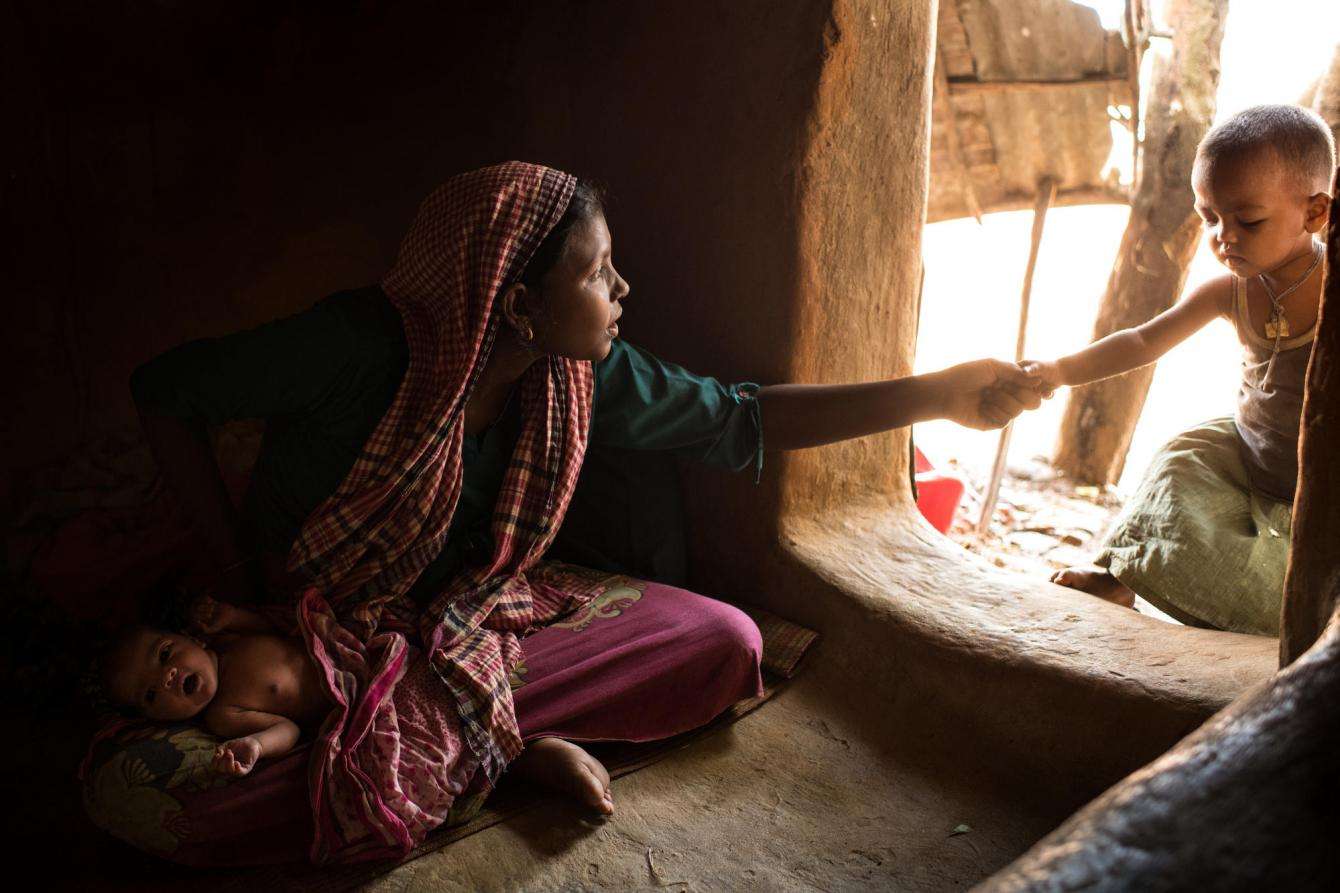
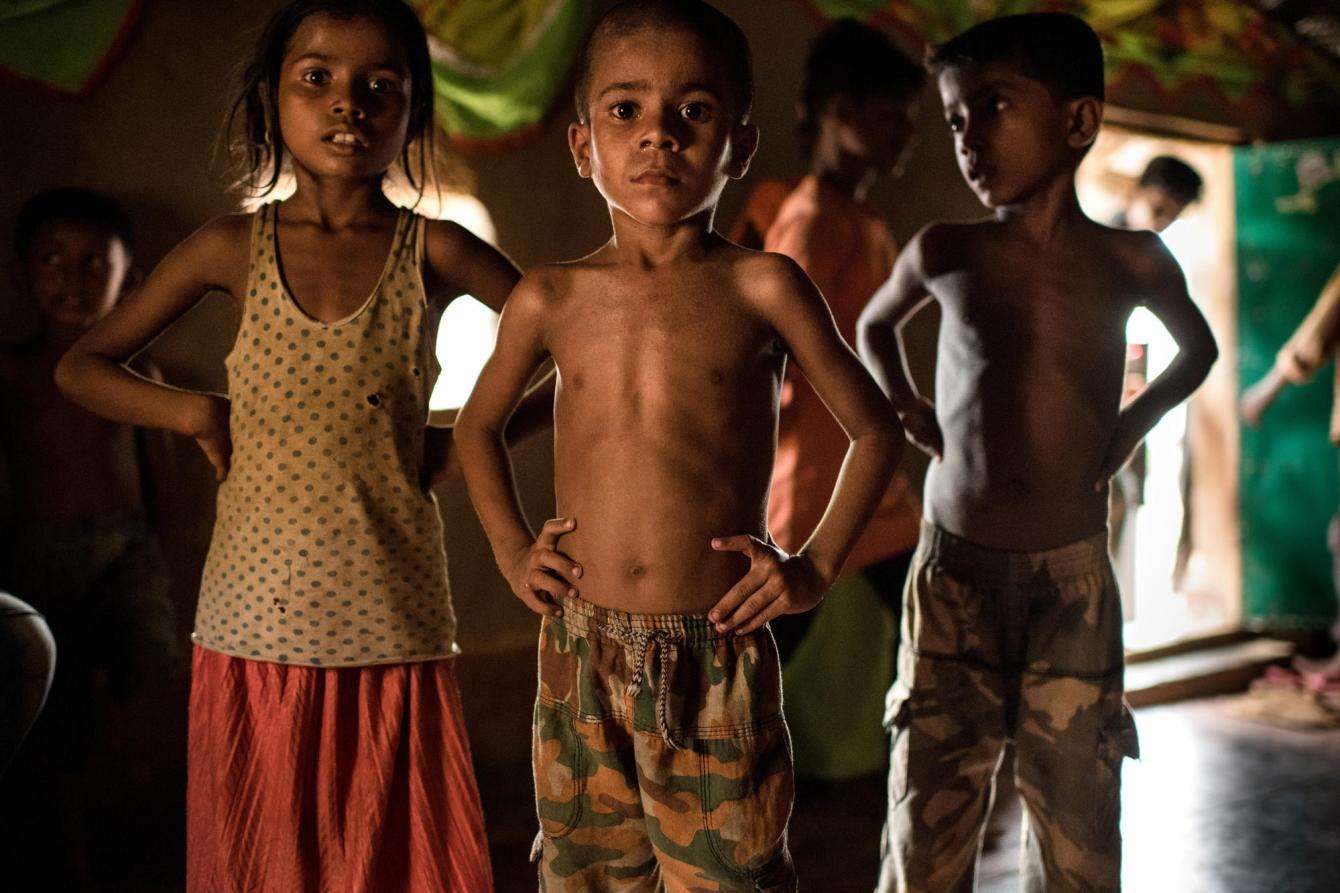
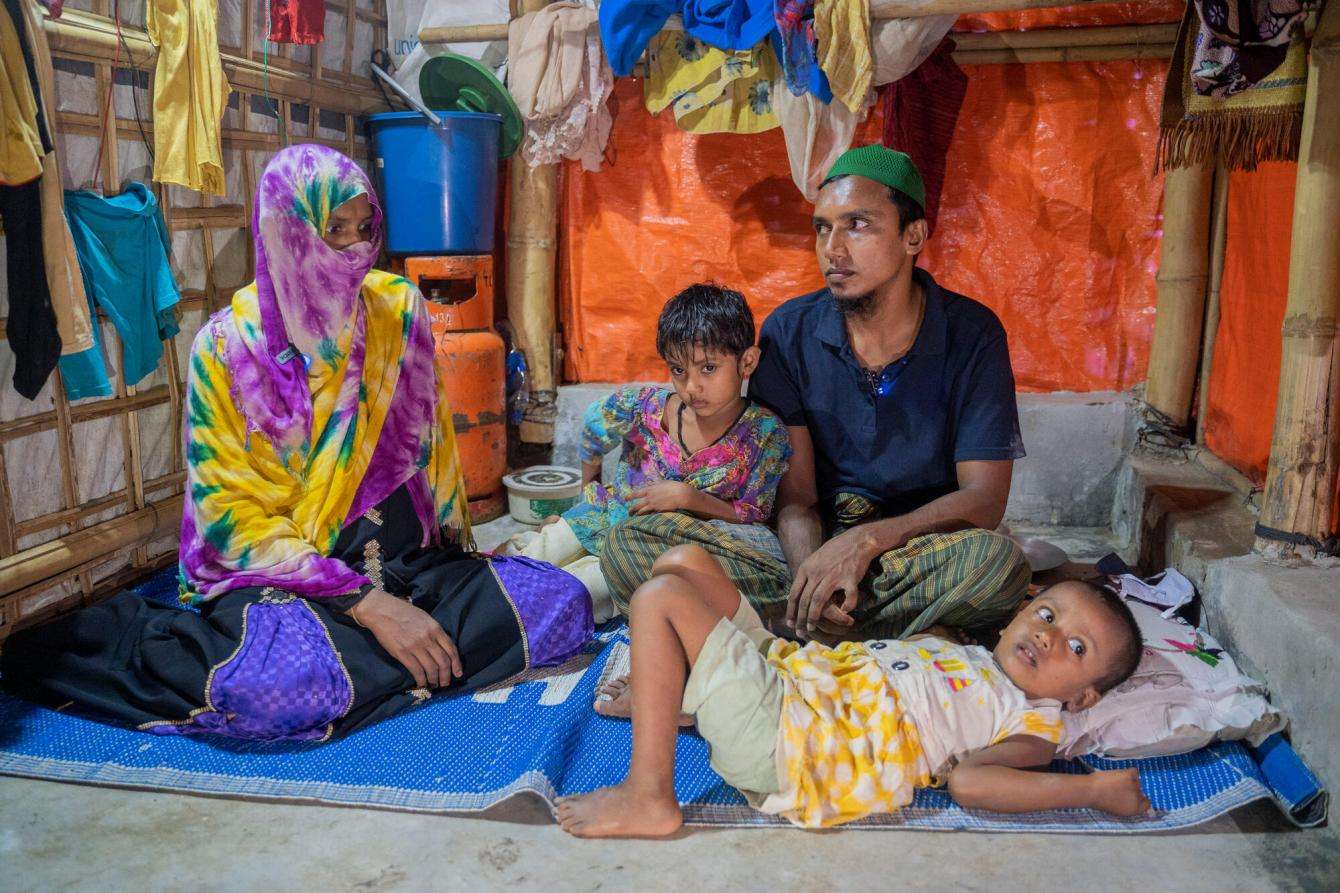
Children are arriving at medical facilities later, sicker, and with complex, overlapping physical and psychological health needs. At MSF’s Kutupalong Hospital, our teams are treating growing numbers of critically ill pediatric and neonatal patients, increasingly absorbing unmet needs beyond the intended purpose of the secondary health care facility. To help meet the urgent needs, MSF has expanded pediatric and neonatal care capacity, but this is not a sustainable solution without strengthening the broader system and finding a safe political solution to this ongoing crisis.
"Within the camps, we have observed a significant reduction in funding, says Dr. Nadim Shahariyar, deputy director at Kutupalong Hospital. "As a result, families are struggling to meet their basic daily needs. When parents are forced to prioritize daily survival — like securing food or safety — they delay seeking hospital care for a sick child until it becomes a life-threatening emergency, leading to an influx of far more severe cases.”
Rohingya genocide ruling
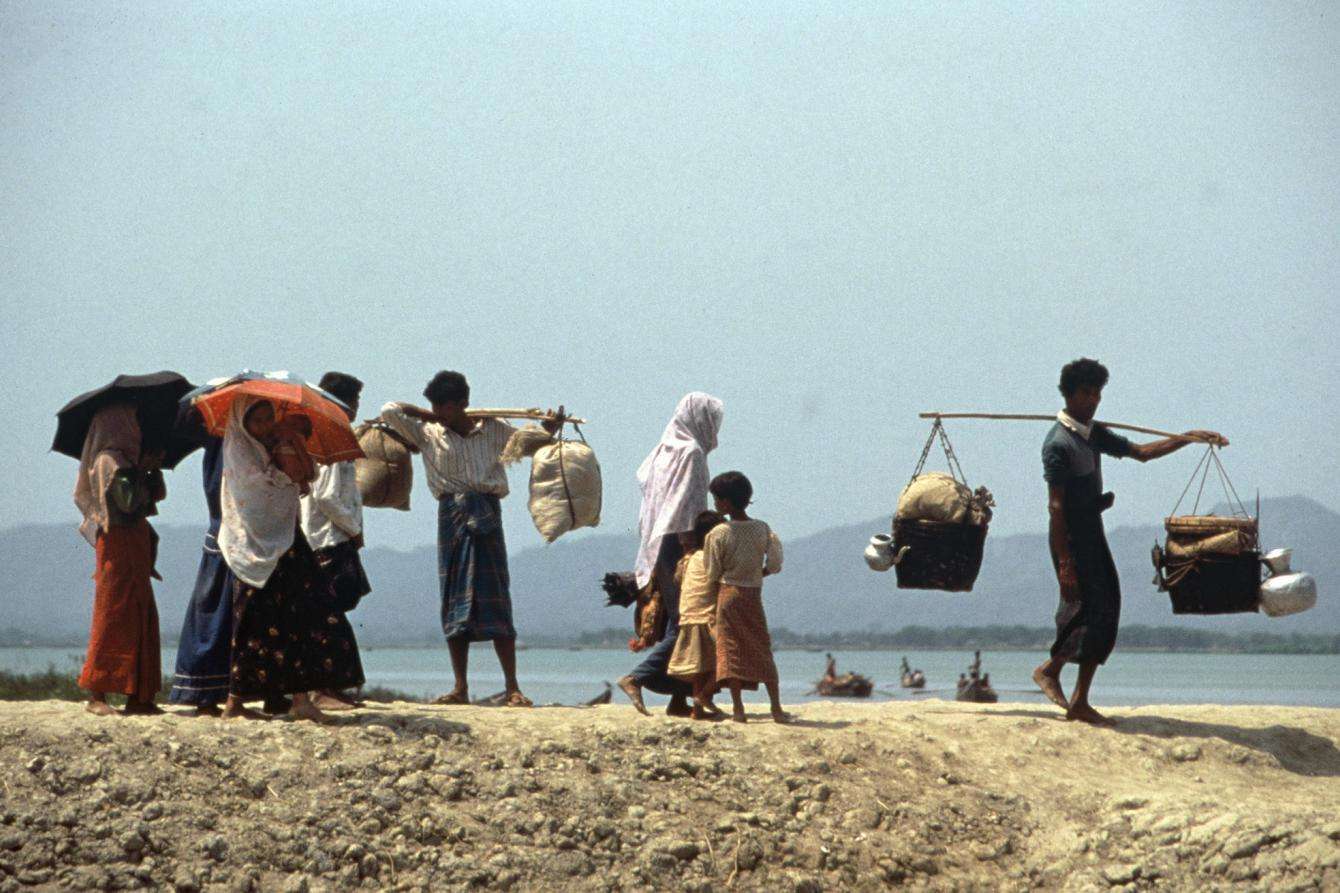
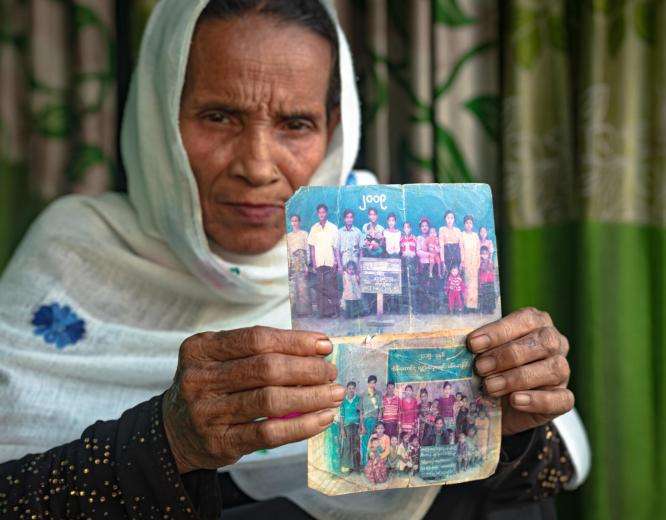
On November 19, the International Court of Justice delivered its final judgment in The Gambia v. Myanmar, determining that “Myanmar committed genocide against the Rohingya group in northern Rakhine State during the 2017 ‘clearance operations.’” This is a landmark moment for a community that has waited years for recognition, accountability, and justice.
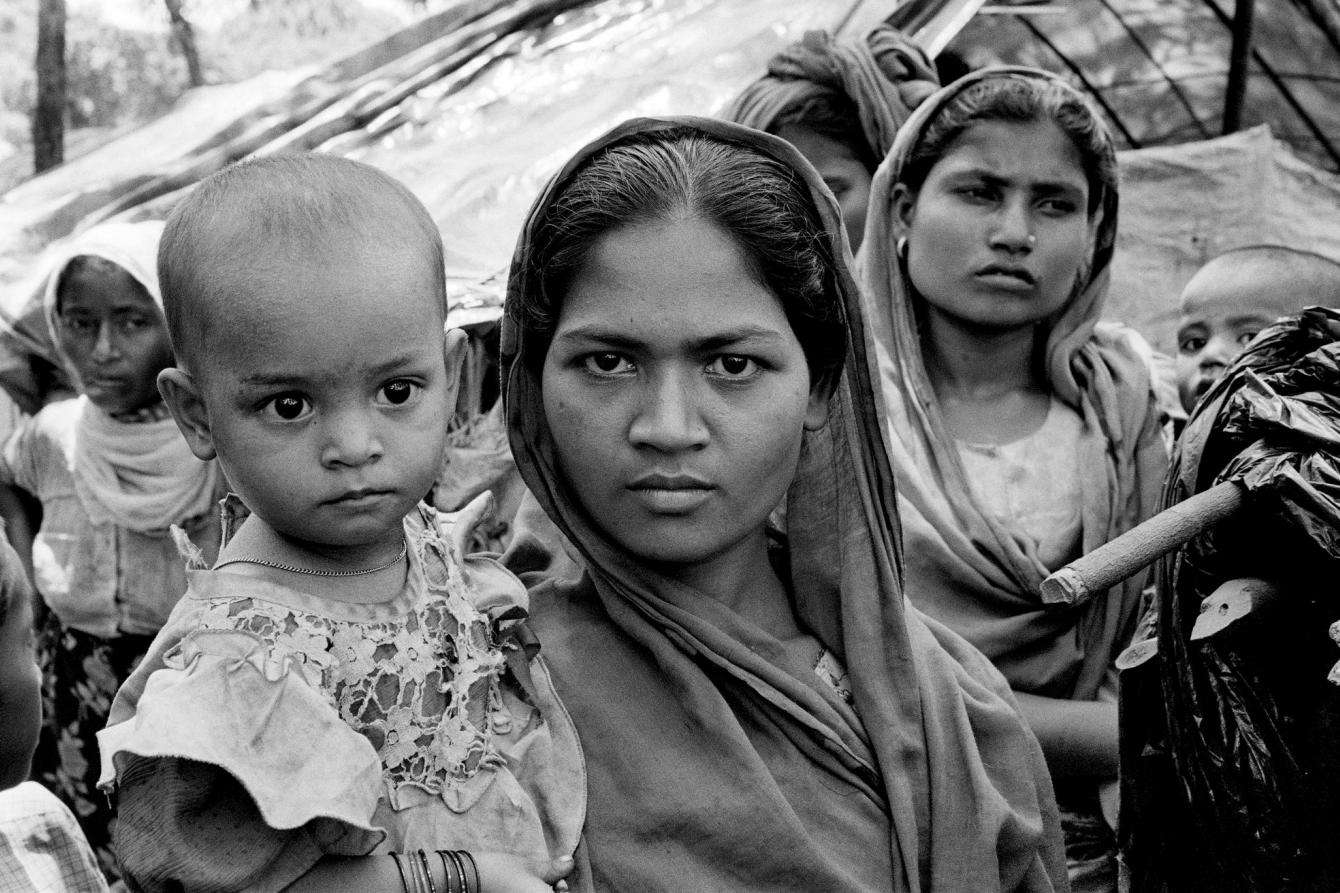
This judgment represents an important recognition of what Rohingya people have endured, as it is the first time a judicial body delivered a ruling on whether Myanmar has committed genocide against the Rohingya. This is a day of special importance for many Rohingya people, many of whom are our colleagues or patients who access MSF's services. For MSF, the central issue is that the systematic persecution of Rohingya people did not end in 2017. They continue to be denied their most basic rights, including the citizenship they were stripped of in 1982. Rohingya people remaining in Rakhine continue to suffer targeted violence on top of the consequences of the wider conflict.