As thousands of people displaced by the Venezuela earthquakes remain without shelter, clean water, or adequate sanitation, Doctors Without Borders/Médecins Sans Frontières (MSF) is expanding its response beyond the initial trauma phase of the emergency to support communities facing growing humanitarian needs.
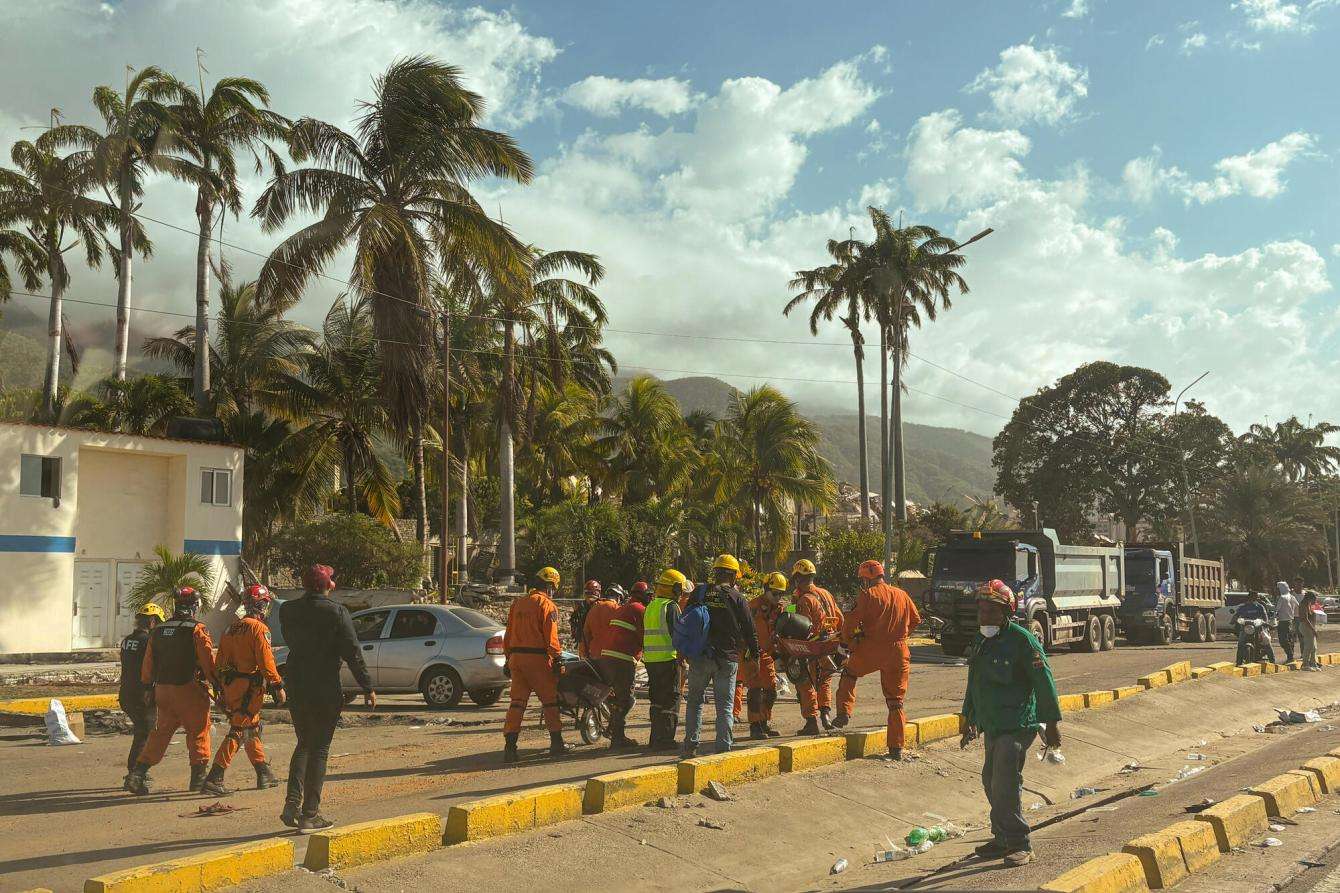
International search and rescue operations continue in La Guaira following the two powerful earthquakes that struck Venezuela on June 24, although hopes of finding additional survivors are diminishing. Authorities report more than 3,500 deaths, over 16,000 people injured, and nearly 18,000 displaced. The true toll is likely higher.
Across Caracas and La Guaira, many people are still sleeping in parks, schools, stadiums, and informal gathering sites after losing or being forced to leave their homes. MSF teams say that overcrowding, lack of safe water, and limited sanitation could increase the risk of disease outbreaks in the coming days and weeks.
Around 50 MSF staff are currently involved in the response, with additional staff expected to arrive in the coming days. While we initially focused on supporting overwhelmed hospitals with emergency trauma kits and medical supplies — helping to treat nearly 4,000 people injured in the earthquakes — we are now expanding activities to include mobile clinics, mental health support, water and sanitation activities, and outreach to displaced communities.
Hospitals overwhelmed in the immediate aftermath
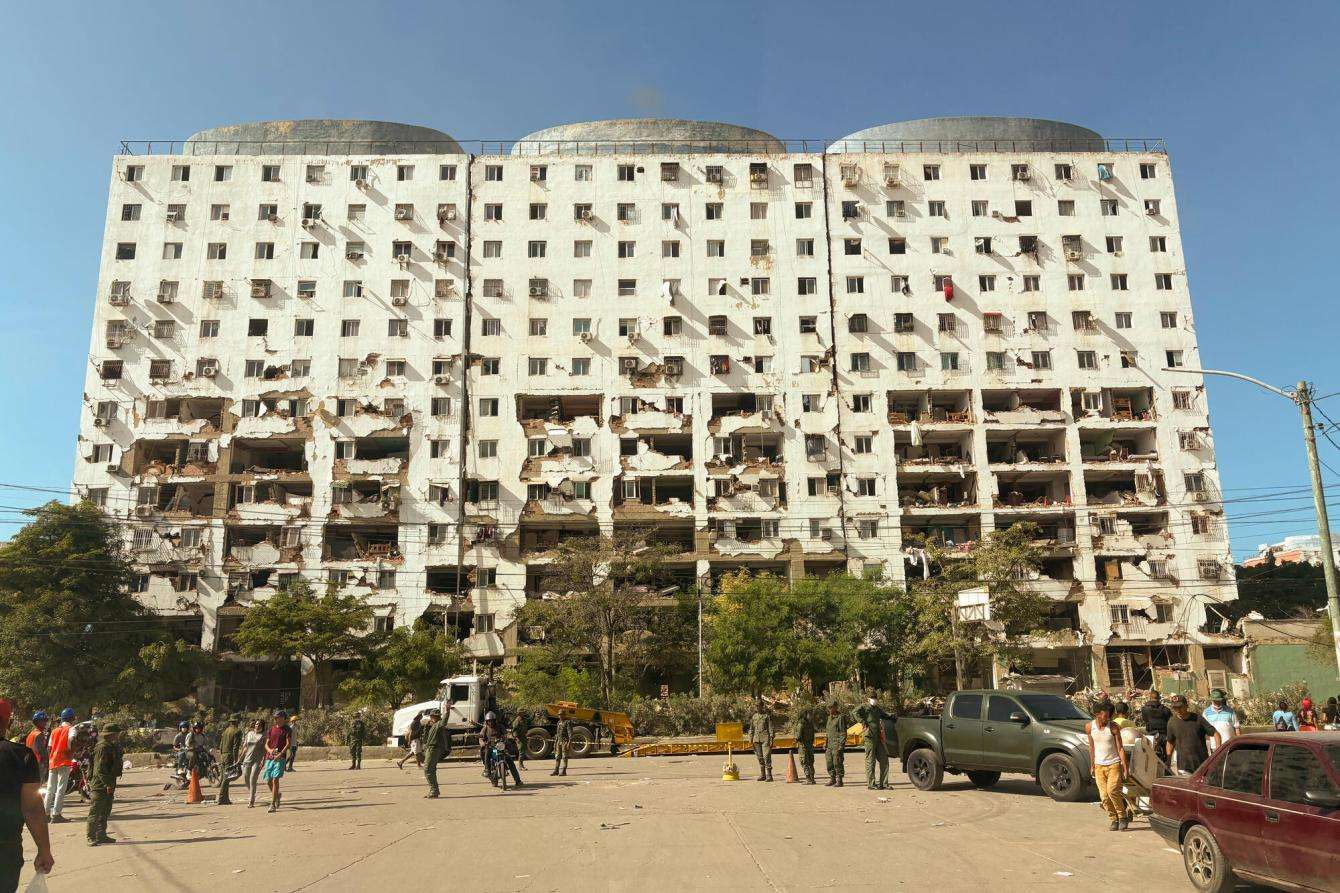
In the immediate aftermath of the earthquakes, it took MSF teams more than four hours to travel from Caracas to the epicenter — a journey that would normally take around 45 minutes. Entire neighborhoods in La Guaira were left without telephone service, internet, or electricity, while many buildings collapsed or became unsafe.
“It looks like a war zone to me,” said Andreas Spaett, MSF country coordinator in Venezuela, describing conditions in La Guaira in the days immediately after the earthquakes. “I have seen a lot of those environments in my MSF career, but it is really like a war zone.”
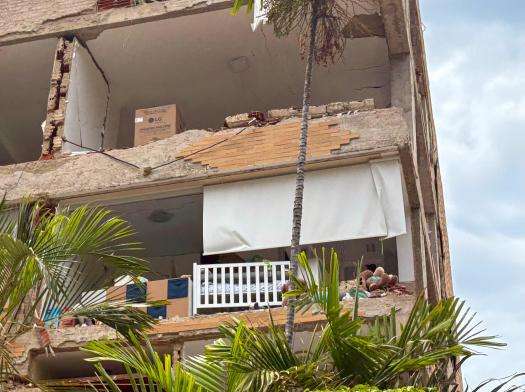
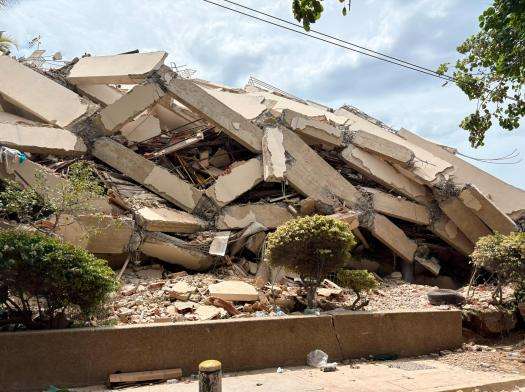
Entire neighborhoods in La Guaira were left without telephone service, internet, or electricity, while many buildings collapsed or became unsafe. Venezuela 2026 © Mariana Zupo/MSF
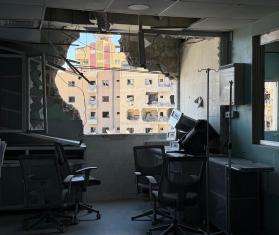
At José María Vargas Hospital in La Guaira, one of the largest medical facilities in the area, MSF teams saw courtyards crowded with people waiting for care. At Domingo Luciani Hospital, which mainly treats children, admissions rose from around 10 to 15 patients per hour in the morning to as many as 40 to 50 patients per hour later in the day.
MSF has now supported nine medical facilities across Caracas and La Guaira, as well as local responders. In coordination with Venezuela’s Ministry of Health, MSF has also donated 8.5 tons of medications and medical and sanitation supplies to support overwhelmed health facilities.
Response shifts toward displaced communities
As hospitals begin to move beyond the initial influx of trauma patients, our response is increasingly focused on displaced communities.
“The needs continue,” said Spaett. “We continue to support the different health structures, but we now also need to think ahead. People have lost their houses and are looking for food, water, and shelter.”
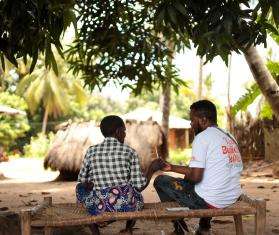
MSF has launched mobile clinics in several affected areas, including Naiguatá, Catia La Mar, and Playa Verde in La Guaira state, where needs remain significant. The teams include doctors, nurses, a psychologist, a health promoter, and an environmental health specialist, providing primary health care, mental health support, health promotion, and water and sanitation assessments for displaced communities. In the first days of MSF’s response, our teams provided more than 120 consultations — mainly for chronic health conditions, respiratory infections, and skin diseases — and about 50 individual and group mental health sessions.
“We are seeing people gathered in spontaneous settlements and overcrowded places with very limited organized support,” Spaett said. “Mental health support is also critical because many people are deeply traumatized.”
MSF teams are also carrying out exploratory visits to identify areas and communities that may not yet be receiving assistance.
Concerns about water, sanitation, and disease risks
Water, sanitation, and hygiene conditions are now among MSF’s biggest concerns. Teams report that many affected areas still lack organized sanitation systems and reliable access to safe drinking water. While local residents and volunteer groups are distributing water informally, the needs remain significant.
“The lack of water, sanitation, and hygiene can quickly give rise to outbreaks,” said Carlos Arias, MSF medical coordinator in Rio de Janeiro, Brazil. Arias has responded to other earthquake emergencies with MSF, including in Syria following the 2023 earthquakes that also hit southern Türkiye.
“We see a lot of civilians donating drinking water to affected people, but it is not enough,” Arias said. “There is still limited drinking water, and teams are not yet seeing organized systems for safe waste disposal.”
Arias explained that earthquakes can damage infrastructure that normally separates drinking water from sewage systems, increasing contamination risks. At the same time, overcrowded shelters and informal settlements can accelerate the spread of infectious diseases.
“In a normal setting, one sick person may infect only a few others,” Arias said. “But in crowded shelters and displacement sites, diseases can spread very quickly.”
MSF teams responding to previous earthquakes have treated outbreaks of cholera, measles, and respiratory infections in crowded displacement settings. In Venezuela, teams are now monitoring for waterborne diseases as well as mosquito-borne illnesses such as dengue, Zika, and chikungunya.
To reduce these risks, MSF teams are assessing water sources, sanitation conditions, and disease surveillance needs in affected areas. Activities may include water trucking, chlorination of water supplies, emergency latrines, hygiene kit distributions, and regular mobile clinic visits to shelters and gathering sites.
MSF continues to assess the needs across Caracas and La Guaira, while adapting our response as the situation evolves.