Venezuela earthquakes: How MSF is responding
We have donated emergency trauma kits to treat thousands of people in hospitals in Caracas and La Guaira.

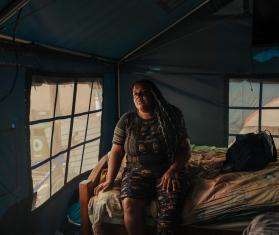
Venezuela 2026 © Adriana Loureiro Fernandez
We rehabilitate facilities and provide general and specialist health care in Venezuela, where hospitals across the country lack staff, supplies, and basic services.
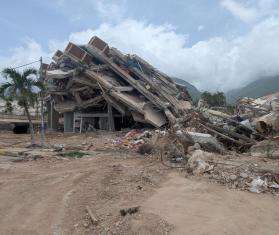
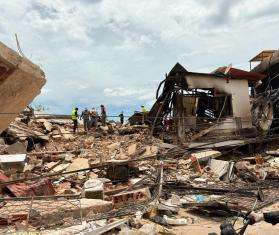
October 6, 2026 — One hundred days after the earthquakes that hit Venezuela in June, the nature of the emergency has changed significantly: What began as a response focused on saving lives and treating physical trauma has transformed to address the prolonged consequences of uncertainty, displacement, and the cumulative emotional toll on individuals and communities. To respond to these needs, multidisciplinary teams with Doctors Without Borders/Médecins Sans Frontières (MSF) continue to provide medical care through six mobile clinics in Caracas and La Guaira, integrating mental health and psychosocial support with primary health care services.
In Venezuela, Doctors Without Borders/Médecins Sans Frontières (MSF) teams work to close gaps in health care by providing essential services and strengthening local health facilities. We also respond to disasters, including the devastating earthquakes of 2026.

For years, Venezuela has been mired in a socio-economic crisis, exacerbated by sanctions, political isolation, and the withdrawal of international aid funding. The institutions meant to cover people’s basic needs have collapsed, leaving people without the care they need due to a lack of health professionals, functioning facilities, and essential supplies.
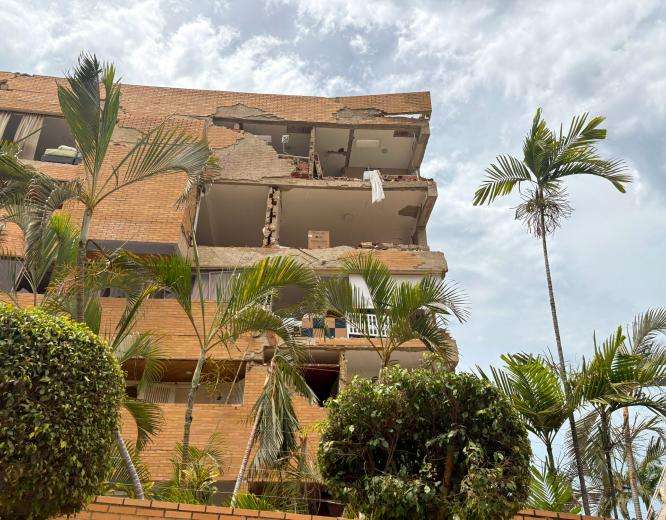
We have donated emergency trauma kits to treat thousands of people in hospitals in Caracas and La Guaira.
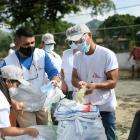
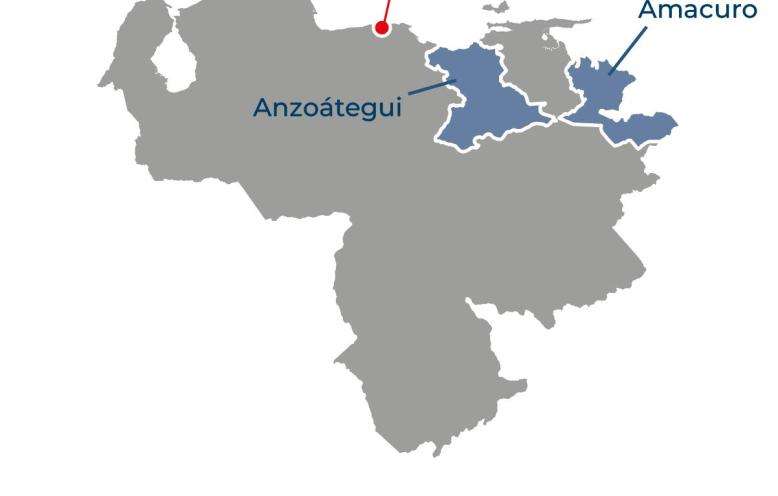
MSF teams in Venezuela work to fill gaps in care and support the health system, including by rehabilitating health facilities across the country. We provide services including sexual and reproductive health care, maternal and neonatal care, and care for victims and survivors of sexual violence, and support access to care for people in remote areas, including Indigenous communities. In 2026, we launched an emergency response assisting people affected by the June 24 earthquakes, providing primary and mental health care, water and sanitation support, and donations of medical supplies, among other activities.
169,800
Outpatient consultations
15,300
Consultations for contraceptive services
76
People treated for sexual violence
870
Individual mental health consultations
*Data from MSF International Activity Report 2025
Learn about MSF’s journalistic roots and our commitment to bear witness and speak out about the plight of the people we treat.
Learn about MSF’s journalistic roots and our commitment to bear witness and speak out about the plight of the people we treat.
Some humanitarian crises make the headlines—others don’t. Unrestricted support from our donors allows us to mobilize quickly and efficiently to provide lifesaving medical care to the people who need it most, whether those needs are in the spotlight or not. And your donation is 100 percent tax-deductible.