
Since September 10, over 60 injured patients from the western coast of Yemen have been admitted to Al-Gamhouria Hospital in Aden. Many of them require urgent operations, blood transfusions, close monitoring, and long periods of care. This has put significant pressure on the hospital's emergency room, operating theaters, wards, blood bank, medical stock, and staff.
In response, Doctors Without Borders/Médecins Sans Frontières (MSF) has expanded our support for the emergency room. Our team is helping hospital staff quickly assess the condition of incoming patients to ensure the most critical needs are treated first. We are also supplying emergency medicines and materials to the emergency room, operating theaters, and wards.
In coordination with health authorities, MSF has also supported hospitals in Hodeidah with medicines and materials to treat people wounded in the fighting. We have also provided trauma kits to Taiz, Al-Bayda, and Al Jawf hospitals.
The needs of injured and displaced people exceed current capacity
Families who have been displaced have little access to food, clean water, shelter, sanitation, and medical care, and their needs are likely to grow as the situation develops.
Hospitals require the capacity to absorb sudden increases in wounded patients while continuing to provide the everyday care that people depend on. More than 90,000 people have been recently displaced, according to the International Organization for Migration.
This escalation risks pushing Yemen's health system past the point of recovery. Years of funding cuts have already left health facilities with little capacity to absorb a new wave of conflict. Sustained and flexible funding for Yemen remains essential so that women, children, and the communities already bearing the heaviest burden are not left without support.

Supporting the continuity of essential health care
MSF has supported the orthopedic department at Al-Gamhouria Hospital in Aden since June 2026. Our support includes training nurses, infection prevention and control, microbiology laboratory testing, the safe use of antibiotics, and planning for mass casualty response. This follows the handover of the Aden Trauma Center in 2025, which ended 12 years of treating and rehabilitating thousands of people severely injured by the war in Yemen.
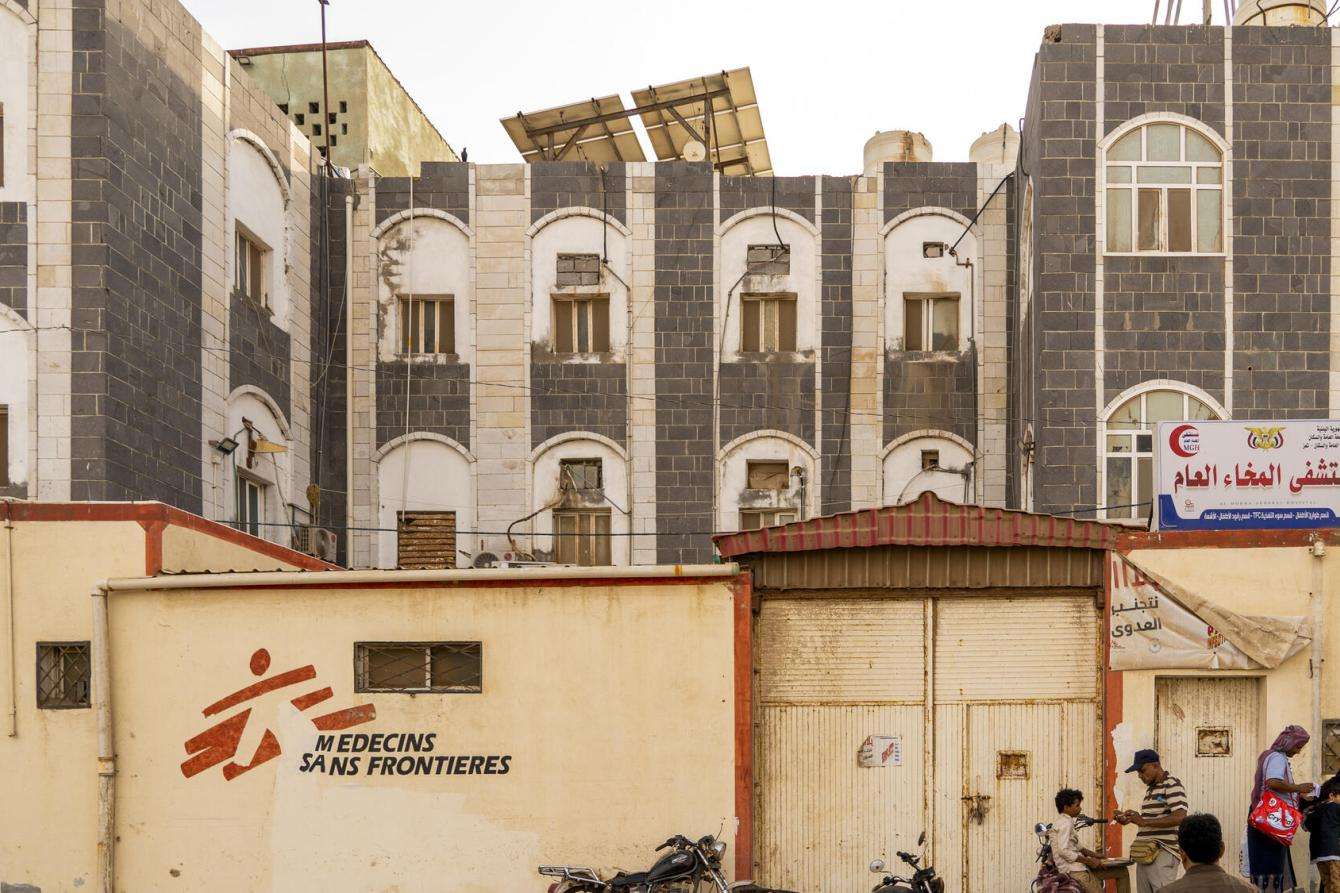
Meanwhile, in Mokha, on the west coast, a small MSF team is still supporting the continuity of essential care in the maternity and pediatric units of the General Hospital, despite the severe shortage of health professionals remaining in the city. We are working to identify solutions to reinforce the team and secure supplies of essential medicines and anesthetics, while also seeking assurances that health workers and facilities will be respected and that we will be able to operate fully in accordance with our principles of action.
As of Sunday, September 13, 23 patients were still receiving care at the General Hospital, including 10 babies in the neonatal intensive care unit.